
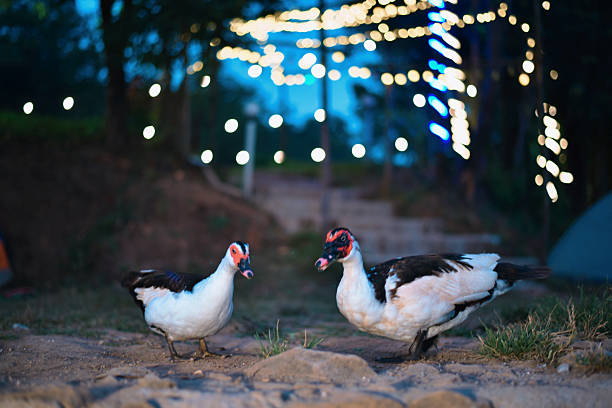
Raising ducks can be one of the most rewarding homesteading or backyard farming experiences, especially for families. Unlike chickens, ducks bring a unique blend of charm, low maintenance, and emotional connection that makes them ideal companions for children. Among the many duck breeds available, certain varieties stand out for their gentle demeanor, large size, and compatibility with kids. These “gentle giants” not only enrich family life but also serve practical purposes such as egg production, pest control, and natural garden maintenance.
This comprehensive guide explores the most kid-friendly duck breeds renowned for their size, temperament, and ease of care. We’ll dive into each breed’s origins, appearance, behavioral traits, nutritional needs, health considerations, and tips for integrating them into a family-centered lifestyle. Whether you’re a first-time duck owner or an experienced homesteader looking to introduce ducks into your children’s lives, this guide will provide actionable insights and practical advice.
Why Choose Ducks as Family Pets?
Before we explore specific breeds, it’s important to understand why ducks make excellent pets for children and families. Unlike some animals that can be skittish or prone to biting, ducks—particularly larger, domesticated breeds—tend to be calm, sociable, and highly adaptable. They are intelligent, curious, and capable of forming strong bonds with humans.
Benefits of Raising Ducks with Kids:
- Teaches Responsibility
Caring for ducks involves regular feeding, watering, and coop cleaning. These tasks provide excellent opportunities for children to learn responsibility and routine. - Encourages Outdoor Activity
Ducks love to forage, swim, and explore. Children will naturally follow and engage in outdoor play, reducing screen time and promoting physical health. - Educational Value
Raising ducks offers lessons in biology, animal behavior, sustainable living, and the food cycle. Kids can observe life cycles, egg incubation, and natural instincts. - Emotional Connection
Ducks are affectionate and can recognize individual family members. Kids often develop deep bonds with their feathered companions, supporting emotional development and empathy. - Low Maintenance Compared to Chickens
Ducks are less prone to mites and pests, don’t scratch up gardens as extensively, and are generally hardier in cold and wet weather. - Egg Production
Many duck breeds lay more eggs than chickens and continue laying longer into the year. Duck eggs are richer and nutritionally dense, excellent for baking and cooking. - Natural Pest Control
Ducks devour slugs, snails, mosquitoes, and other garden pests—making them effective, chemical-free helpers.
Given these advantages, it’s no surprise that families are increasingly turning to ducks as part of their homestead or suburban life. However, not all duck breeds are created equal—especially when it comes to interactions with children.
What Makes a Duck “Kid-Friendly”?
When selecting a duck breed for a family environment, certain traits are essential:
- Temperament: The breed should be calm, friendly, and not easily startled.
- Size: Larger breeds (often called “gentle giants”) are typically slower-moving and less likely to bolt, making them easier for kids to handle.
- Tolerance for Handling: Some ducks enjoy being petted or picked up; others may resist. Kid-friendly breeds are generally tolerant.
- Ease of Care: Fewer health issues, low maintenance, and good foraging ability reduce stress on parents and caregivers.
- Social Nature: Ducks are flock animals; gentle, social breeds integrate well into family life.
- Noise Level: While all ducks vocalize, some breeds are quieter than others—important in suburban environments.
Now, let’s explore the top kid-friendly duck breeds that meet these criteria.
1. Pekin Duck
Origin: China
Weight: 8–11 lbs (3.6–5 kg)
Lifespan: 5–10 years
Eggs per Year: 200–300
Temperament: Friendly, calm, affectionate
The Pekin duck is perhaps the most iconic and popular choice for families. With their bright white feathers, bright orange beaks, and plump bodies, Pekins are instantly recognizable and universally loved by children.
Why Pekins Are Ideal for Kids:
- Superb Temperament: Pekins are famously gentle, patient, and social. They enjoy human company and often follow children around the yard like loyal pets.
- Large Size: Their substantial build makes them robust and less fragile than smaller breeds—ideal for handling by small hands.
- Hardy and Low Maintenance: Pekins adapt well to various climates and are highly resistant to common duck ailments.
- Excellent Egg Layers: They produce large, white eggs consistently, even in cooler months.
- Beginner-Friendly: As one of the most common domestic duck breeds, there is a wealth of care information available.
Care Tips:
- Provide clean, shallow water for swimming. While Pekins love water, they are poor flyers and do not require elaborate enclosures.
- Feed a balanced diet with niacin to support leg strength—this is especially important when ducklings are growing.
- Ensure shelter is dry and draft-free. Pekins are prone to becoming overweight, so regular exercise and controlled feeding are beneficial.
Fun Fact: The famous cartoon character Donald Duck is modeled after a Pekin!
Pekins form strong bonds with their human families and often respond to names. Children delight in their “waddle” and comical expressions, making them a favorite in many households.
2. Rouen Duck
Origin: France
Weight: 7–10 lbs (3.2–4.5 kg)
Lifespan: 8–12 years
Eggs per Year: 150–200
Temperament: Calm, dignified, mellow
The Rouen duck is another gentle giant that excels in family settings. With their rich, mallard-like coloring—blue-green head, white “bib,” and chestnut-brown body—Rouens are strikingly beautiful and have a majestic appearance.
Why Rouens Are Ideal for Kids:
- Calm Demeanor: Rouens move slowly and are rarely flighty. Their quiet, dignified nature makes them excellent companions for children who prefer less energetic pets.
- Excellent With Water: They love swimming and can spend hours paddling peacefully in a kiddie pool or small pond.
- Great for Educational Farms: Often used in school or petting zoo settings due to their tolerance of handling.
- Long-Lived: With a lifespan of up to 12 years, children can grow up with their Rouen ducks, forming lasting memories.
Care Tips:
- Avoid overfeeding—Rouens are prone to obesity, which can lead to joint issues.
- They are not strong flyers and require minimal fencing. A 3-foot enclosure is usually sufficient.
- Protect them from predators with a secure coop at night, especially because of their size and slower movement.
- Provide clean nesting areas: Rouens are broody and may attempt to hatch eggs.
Fun Fact: Despite their large size, Rouen ducks are not the same as wild mallards, though they resemble them. They are fully domesticated and cannot survive in the wild.
Rouens are particularly great for families who want a more “refined” duck with a peaceful presence. Their steady nature makes them suitable for therapy or sensory-friendly environments as well.
3. Cayuga Duck
Origin: United States (New York)
Weight: 6–8 lbs (2.7–3.6 kg)
Lifespan: 8–10 years
Eggs per Year: 100–150
Temperament: Peaceful, affectionate, curious
The Cayuga duck is a uniquely beautiful breed known for its iridescent black plumage that shimmers green in the sunlight. Ducklings start off black with greenish-yellow markings and mature into stunning, glossy adults.
Why Cayugas Are Ideal for Kids:
- Attractive Appearance: Kids love the “magical” shimmer of their feathers, which changes color in different lighting.
- Temperament: Cayugas are calm and enjoy human attention. They are curious and often follow family members around.
- Cold Hardy: Native to upstate New York, they thrive in colder climates, making them ideal for northern regions.
- Dual Purpose: Good for both eggs and ornamental purposes.
Care Tips:
- Monitor flock dynamics—Cayugas can sometimes be picked on by more dominant breeds due to their quieter nature.
- Provide clean water for swimming to keep their feathers in top condition.
- Be aware that their eggs start off black or dark gray but lighten to speckled white over the laying season.
Fun Fact: Historically, Cayugas were used for meat and feathers, but today they are mostly kept as ornamental and family birds.
Cayugas are great for families who appreciate beauty and serenity. They are not the most prolific layers, but their aesthetic and personality make them highly valued.
4. Buff Orpington Duck
Origin: England (developed from Orpington chickens)
Weight: 6–8 lbs (2.7–3.6 kg)
Lifespan: 8–10 years
Eggs per Year: 150–200
Temperament: Friendly, docile, affectionate
The Buff Orpington duck, named after its golden-colored plumage resembling a “buff” coat, is a modern favorite among family homesteaders. Bred in the 20th century for both appearance and temperament, this breed is as beautiful as it is lovable.
Why Buff Orpingtons Are Ideal for Kids:
- Sweet Disposition: Often described as “puppy-like,” Buff Orpingtons love attention and will seek out human interaction.
- Attractive Coloration: Their soft, sandy-gold feathers are unique and popular with children who love colorful animals.
- Excellent Foragers: They are active during the day and will help reduce pests in the garden.
- Broody and Maternal: Hens make great mothers, which can be a wonderful experience for kids to witness.
Care Tips:
- Buff Orpingtons are excellent for free-range environments but still need predator protection.
- Their feathers can get soiled easily; ensure access to clean water for preening.
- Provide niacin-rich feed to prevent leg weakness during growth.
Fun Fact: This breed was developed by William Cook, the same breeder who created the Buff Orpington chicken.
Families with younger children often find Buff Orpingtons to be the most interactive and cuddly of all duck breeds. Their expressive eyes and gentle quacks win hearts quickly.
5. Saxony Duck
Origin: Germany
Weight: 6–8 lbs (2.7–3.6 kg)
Lifespan: 8–10 years
Eggs per Year: 150–200
Temperament: Calm, intelligent, friendly
The Saxony duck is a less common but highly desirable breed for families seeking a smart, composed, and beautiful bird. With a striking resemblance to mallards but in a more refined color pattern, Saxonies have blue-gray heads, cream-colored bodies, and delicate barring.
Why Saxonies Are Ideal for Kids:
- High Intelligence: They learn quickly and can respond to voice commands.
- Peaceful Behavior: Saxonies are not loud or aggressive, making them a good fit for urban or suburban yards.
- Strong Maternal Instincts: Hens are attentive mothers, great for educational hatching projects.
- Balanced Temperament: They are calm but not lethargic, enjoying both water time and foraging.
Care Tips:
- Due to their rarity, ensure sourcing from reputable breeders to maintain genetic health.
- They thrive in semi-free-range environments with access to grassy areas.
- Provide shelter from wind and rain—Saxonies have dense plumage but still need dry resting areas.
Fun Fact: The Saxony was developed in the 1930s by Albert Franz and recognized in Germany in 1957. It was introduced to North America much later.
Saxonies are perfect for families who want a slightly more “elegant” duck without sacrificing friendliness. Their quiet quacks and thoughtful demeanor make them favorites among older children and adults alike.
6. Call Duck
Note: While not a “giant,” Call Ducks are worth mentioning due to their popularity with children.
Origin: Netherlands
Weight: 1–2 lbs (0.45–0.9 kg)
Lifespan: 7–10 years
Eggs per Year: 100–150
Temperament: Playful, energetic, vocal
Small in size but big in personality, Call ducks are often called “the puppies of the duck world.” However, they do not meet the “giant” criteria, so they are an honorable mention.
Why Calls Appeal to Kids:
- Tiny and Cute: Their miniature size and comical appearance captivate young children.
- Very Vocal: Known for loud, high-pitched quacks—entertaining but potentially noisy.
- Trainable: Can learn tricks and respond to treats.
Caution: Due to their size, they are more vulnerable to predators and accidental injury. Best kept in enclosed, supervised environments.
While not gentle giants, Call ducks can be part of a mixed flock where larger, protective breeds are present.
Creating a Kid-Friendly Duck Environment
Once you’ve selected your breed(s), it’s essential to create a safe, enriching environment where both ducks and children can thrive.
1. Housing and Shelter
- Provide a dry, well-ventilated coop with straw or shavings for bedding.
- Ensure the coop is predator-proof with secure latches and hardware cloth.
- Include nesting boxes (1 per 3 hens) filled with soft material.
- Elevate the coop slightly to prevent flooding.
2. Fencing and Enclosure
- A 3- to 4-foot fence is usually sufficient (ducks don’t fly well).
- Use chicken wire or welded wire; bury the bottom to deter diggers.
- Allow free-range time under supervision for exercise and foraging.
3. Water Features
- Ducks don’t need a pond but do require access to water deep enough to submerge their heads.
- Kiddy pools, troughs, or small ponds work well.
- Change water daily to prevent algae and mosquito breeding.
4. Diet and Nutrition
- Ducklings: Feed non-medicated waterfowl starter (20% protein) with added niacin (e.g., brewer’s yeast).
- Adults: Switch to layer pellets (16–18% protein) when laying begins.
- Supplement with leafy greens, vegetables, and grit for digestion.
- Always provide clean water—ducks need water to eat and clean their eyes/nostrils.
5. Health and Hygiene
- Check regularly for mites, lice, and foot issues.
- Trim bills and nails if overgrown (rare with proper environment).
- Quarantine new birds before introducing to the flock.
- Vaccinate if recommended in your area (e.g., duck plague).
6. Child-Duck Interactions
- Teach kids to be gentle—no chasing or loud noises.
- Supervise all handling; ducks can be injured if dropped.
- Wash hands after contact to prevent disease transmission.
- Let ducks come to the child—don’t force interaction.
Educational Opportunities with Ducks
Raising ducks offers numerous learning experiences:
- Life Cycles: Incubate eggs and witness hatching.
- Animal Behavior: Observe flock hierarchies, foraging, and social bonding.
- Sustainability: Compost duck manure as garden fertilizer.
- Nutrition: Use duck eggs in baking (they create fluffier cakes and richer custards).
- Entrepreneurship: Kids can sell extra eggs or ducklings locally.
Consider involving your children in naming ducks, creating care schedules, drawing duck journals, or making a YouTube channel about their duck adventures.
Integrating Ducks into Daily Family Life
- Morning Routine: Kids can help fill waterers and check for eggs.
- Free-Range Time: Let ducks roam safely while children play nearby.
- Storytime with Ducks: Read books outside while ducks forage nearby.
- Photography Projects: Capture seasonal duck moments.
- Holiday Traditions: Name a duck each year on a child’s birthday.
With proper care, ducks become part of the family fabric—providing laughter, lessons, and lifelong memories.
Common Challenges and Solutions
1. Predator Protection
- Use motion-sensor lights, guardian animals (like donkeys or geese), and secure night enclosures.
2. Noise Concerns (Neighborhood)
- Choose quieter breeds (Rouens, Buff Orpingtons) and avoid roosters (male ducks, called drakes, are generally quieter than roosters anyway).
3. Wet Yard or Muddy Areas
- Create a “duck run” with gravel or wooden platforms.
- Use movable pens to rotate grazing areas.
4. Aggression or Bullying in Flock
- Maintain proper duck-to-drake ratio (ideally 4–6 hens per drake).
- Introduce new ducks slowly.
- Separate aggressive individuals if needed.
5. Broodiness
- Some hens may sit on eggs for long periods. If not hatching, remove eggs daily to discourage broodiness.
Breeding and Hatching with Kids
If your family wants a deeper experience, consider allowing a hen to go broody and hatch eggs. This teaches responsibility, patience, and the miracle of life.
Tips for Hatching Success:
- Use fertile eggs (source from trusted breeders).
- Provide a quiet, dark nesting area.
- A broody hen will turn eggs naturally—no incubator needed.
- After hatching, keep ducklings warm (90°F at first, decreasing weekly).
- Feed proper starter feed and supervise interactions.
Watching ducklings hatch and grow under their mother’s care is a magical experience children will never forget.
Emotional and Developmental Benefits for Kids
Beyond physical care, raising ducks fosters emotional growth:
- Empathy: Children learn to interpret animal needs and respond with compassion.
- Patience: Waiting for eggs to hatch or a duckling to grow teaches delayed gratification.
- Confidence: Successfully caring for a living being boosts self-esteem.
- Routine and Structure: Daily chores reinforce discipline and reliability.
- Connection to Nature: Kids gain a deeper appreciation for animals and ecosystems.
For children with autism, ADHD, or anxiety, the rhythmic quacking, predictable routines, and soft textures of ducks can have a calming, therapeutic effect.
Final Tips for Families Starting Out
- Start Small: Begin with 2–3 ducks. They are social and should never be kept alone.
- Check Local Laws: Some municipalities have restrictions on poultry or waterfowl.
- Involve the Whole Family: Assign age-appropriate tasks to each child.
- Name Your Ducks: Personalizing them increases emotional investment.
- Document the Journey: Keep photos, videos, and journals.
- Join a Community: Connect with other duck owners online or locally.
- Celebrate Milestones: First egg, first hatch, first winter—mark them with your kids.
Conclusion: Gentle Giants, Lasting Bonds
Ducks are more than just egg producers or garden cleaners—they are companions, teachers, and joy-bringers. The gentle giant breeds discussed in this guide—Pekin, Rouen, Cayuga, Buff Orpington, and Saxony—are especially suited to family life, thanks to their calm temperaments, impressive size, and affectionate personalities.
By choosing the right breed, creating a safe and stimulating environment, and involving children in daily care, families can build lasting memories and foster values like empathy, responsibility, and stewardship. Whether you live on a rural homestead or a suburban backyard, these feathered friends bring laughter, learning, and love into everyday life.
So go ahead—introduce a gentle duck giant into your family. Watch as your children’s faces light up at the sight of waddling friends, hear the joyful quacks at feeding time, and celebrate the quiet moments of connection in nature. The journey of raising kid-friendly ducks isn’t just about caring for animals—it’s about growing hearts, one feather at a time.
#KidFriendlyDucks, #GentleGiantDucks, #DucksForFamilies, #BackyardDucks, #PekinDuck, #RouenDuck, #CayugaDuck, #BuffOrpingtonDuck, #SaxonyDuck, #RaisingDucks, #DuckCare, #FamilyHomesteading, #DuckLife, #DuckLove, #DuckEggs, #DuckPets, #DuckMom, #DuckDad, #HomesteadingWithKids, #SustainableLiving, #DuckGarden, #DuckTherapy, #DuckBonding, #DuckAdventure, #DuckChicks, #DuckHatching, #DuckCare101, #DuckCoop, #DuckSwimming, #DuckForaging, #DuckTraining, #DuckBehavior, #DuckPhotography, #DuckVideos, #DuckChannel, #YouTubeDucks, #DuckCommunity, #PoultryLife, #BackyardFarm, #DuckFun, #DuckDaily, #DuckRoutine, #DuckJourney
Add comment