
I. Introduction: The Paradox of Lamb in Canine Nutrition
For decades, lamb was considered a “novel protein”—an effective alternative for dogs suffering from allergies to more common sources like beef and chicken. Veterinarians frequently recommended lamb-based diets precisely because the dog’s immune system had not been previously exposed to it, making an allergic reaction unlikely.
However, as lamb gained popularity in commercial canine diets throughout the late 20th and early 21st centuries, its status shifted. Today, repeated, widespread exposure has elevated lamb from a novel protein to a common protein source—and consequently, a common food allergen. While overall food allergies are less common than environmental allergies (atopy), when they do occur, they pose significant challenges to a dog’s quality of life. Understanding the mechanism, presentation, and rigorous diagnostic process for a lamb allergy is crucial for effective management.
This comprehensive guide serves as an exhaustive resource detailing the etiology, diagnosis, treatment, and long-term management of canine food allergies specifically triggered by lamb protein.
II. Fundamentals of Canine Food Allergies: Allergy vs. Intolerance
To properly address a lamb allergy, one must first distinguish between an adverse food reaction that is immunological (a true allergy) and one that is non-immunological (an intolerance).
A. True Food Allergy (Immunological Reaction)
A true food allergy involves a hypersensitivity response mediated by the immune system, specifically the production of Immunoglobulin E (IgE) antibodies.
- Mechanism of Action (Type I Hypersensitivity):
- Sensitization: Upon initial exposure to the lamb protein (the antigen), the dog’s immune system mistakenly identifies the protein fragment as a threat. Plasma cells produce IgE antibodies specific to this antigen.
- Binding: These IgE antibodies bind to the surface of mast cells and basophils, primarily located in the skin, gastrointestinal tract, and respiratory tissues.
- Elicitation: Subsequent re-exposure to the lamb protein causes the antigen to cross-link the IgE antibodies on the mast cell surface. This triggers degranulation.
- Clinical Effect: Degranulation releases potent inflammatory mediators, including histamine, leukotrienes, and prostaglandins. These chemicals cause the hallmark symptoms: intense itching (pruritus), redness (erythema), cellular infiltration, and gastrointestinal upset.
- Key Characteristics of True Allergies:
- Usually requires a period of sensitization (meaning the dog must have been eating lamb for weeks, months, or years before symptoms manifest).
- Can be triggered by minute amounts of the allergen.
- Symptoms are often severe and rapidly recurring upon re-exposure (challenge).
B. Food Intolerance (Non-Immunological Reaction)
Food intolerance, such as lactose intolerance or sensitivity to high fat content, does not involve the immune system. It typically relates to the body’s inability to properly digest or metabolize a component of the food.
- Example: A dog develops diarrhea after eating a large, fatty portion of lamb—this is an intolerance (digestive upset), not an allergy (immune response).
- Relevance to Diagnosis: While symptoms of intolerance and allergy can overlap (especially vomiting/diarrhea), the diagnostic approach for an allergy is immune-system focused (elimination diet), whereas intolerance often relies on dietary modification (reducing fat, altering fiber).
C. The Allergenic Component: Protein Structure
It is critical to understand that dogs are allergic to the protein component of the food, not the carbohydrate, fat, or grain. In the context of lamb, the dog is reacting to specific large-molecular-weight proteins found in the muscle tissue. These proteins are complex chains of amino acids that the body recognizes as foreign invaders.
III. Clinical Presentation: Recognizing the Signs of a Lamb Allergy
The symptoms of lamb allergy are identical to those caused by any other food allergy (e.g., beef, chicken, dairy). The primary targets are the skin and the gastrointestinal (GI) tract.
A. Dermatological Manifestations (Most Common)
Approximately 80–90% of dogs with food allergies exhibit skin signs. Unlike environmental allergies (atopy), which are often seasonal, food allergy symptoms tend to be non-seasonal and persistent year-round.
- Pruritus (Itching): This is the cardinal sign. It is often non-responsive to corticosteroid treatment, or requires high doses to manage, which is a key indicator differentiating it from environmental allergies.
- Lichenification and Hyperpigmentation: Chronic inflammation and scratching cause the skin to thicken (lichenification) and turn dark (hyperpigmentation), common in the armpits, groin, and ventral abdomen.
- Recurrent Secondary Infections: The compromised skin barrier and constant trauma from scratching allow opportunistic bacteria (Staphylococcus pseudintermedius) and yeast (Malassezia pachydermatis) to thrive, leading to recurrent pyoderma (skin infection) and otitis externa (ear infection).
- Distribution Pattern: While food allergies can cause itching anywhere, common sites include:
- Paws (pododermatitis, excessive licking/chewing).
- Ears (chronic, recurrent outer ear infections, often bilateral).
- Perineum (licking under the tail).
- Rump and flanks.
B. Gastrointestinal Manifestations (Less Common, but Highly Indicative)
Approximately 10–30% of dogs with food allergies exhibit purely GI signs, while another 30% show a combination of skin and GI signs.
- Chronic or Intermittent Diarrhea: Usually soft, cow-pie consistency, often responsive to fasting but quickly returns upon re-introduction of the allergen.
- Chronic Vomiting: Intermittent regurgitation or vomiting unrelated to rapid eating or systemic illness.
- Increased Frequency of Defecation: Often coinciding with changes in stool texture or volume.
- Colitis Symptoms: Excessive mucus in stool, straining to defecate (tenesmus), and occasionally, fresh blood (hematochezia).
- Weight Loss/Poor Body Condition: In severe, chronic cases due to malabsorption and chronic inflammation of the intestinal lining (enteropathy).
C. Systemic and Rare Manifestations
While rare, a severe hypersensitivity reaction can impact other systems:
- Respiratory: In extreme cases, swelling of the larynx or pharynx (anaphylaxis is extremely rare in dogs concerning food, unlike in humans).
- Ocular: Chronic conjunctivitis (inflammation of the membranes lining the eyelids and eyeball).
IV. Differential Diagnosis: Ruling Out the Imitators
Before concluding that a dog has a lamb allergy, a veterinarian must systematically rule out every other possible cause of chronic pruritus and GI distress. This step is mandatory because the treatment for a food allergy (strict dietary exclusion) is drastically different from the treatment for environmental or parasitic causes.
A. Parasitic Causes
The first and easiest causes to rule out are ectoparasites.
- Flea Allergy Dermatitis (FAD): Even minor exposure to flea saliva can trigger severe itching, typically focused on the caudal half of the body (tail base, inner thighs). Strict year-round flea control must be maintained before allergy workup begins.
- Mites: Scabies (Sarcoptes scabiei) or Cheyletiella mites can cause intense, generalized itching, often mimicking food allergy distribution. Skin scrapes and sometimes therapeutic trials are necessary to exclude these.
B. Environmental Allergies (Atopy or Atopic Dermatitis)
Atopy is far more common in dogs than food allergy and often shares overlapping symptoms (pruritus, otitis, paw licking).
- Key Distinction: Atopy is typically managed with pharmaceutical interventions (cytopoint, Apoquel, antihistamines) or immunotherapy (allergy shots), whereas food allergy requires dietary restriction.
- Co-morbidity: Importantly, up to one-third of dogs with food allergies also have environmental allergies (Cutaneous Adverse Food Reaction—CAFR plus Atopy). This complicates diagnosis, as symptoms may never fully disappear even after removing the food allergen, requiring management for both conditions.
C. Other Gastrointestinal Diseases
For dogs primarily presenting with GI symptoms, non-allergic conditions must be excluded:
- Infections: Parasites (Giardia, Coccidia, hookworms), bacterial overgrowth (SIBO).
- Organ Disease: Pancreatitis, Exocrine Pancreatic Insufficiency (EPI), liver disease.
- Inflammatory Bowel Disease (IBD): IBD is a spectrum of chronic GI inflammation. While often triggered or exacerbated by food antigens, it often requires deeper diagnostics (biopsy) and multimodal treatment (immunosuppressants) beyond simple dietary exclusion.
V. Definitive Diagnosis: The Elimination Diet (The Gold Standard)
It is crucial to emphasize that there is no reliable blood, saliva, or hair test for diagnosing food allergies in dogs. These commercial tests measure antibodies (IgG or IgE) against food components, but the resulting antibodies may simply reflect exposure to the food, not a true pathological allergy. Therefore, the only scientifically recognized method for definitive diagnosis is the strictly controlled Elimination Diet Trial (EDT), followed by a subsequent challenge phase.
A. Phase 1: The Elimination Diet Trial (8 to 12 Weeks)
The goal of the EDT is to reduce all antigen exposure to zero, allowing the immune system to quiet down and the existing inflammation (pruritus, enteritis) to fully resolve.
1. Selection of the Exclusion Diet
The diet chosen must contain protein sources that the dog has never consumed before. Given lamb’s commonality, most dogs allergic to lamb will require one of the following specialized diets:
- Novel Protein Diet: Utilizes a protein source the dog has never eaten (e.g., alligator, kangaroo, venison, insect protein, specific types of fish). This requires meticulous dietary history.
- Hydrolyzed Protein Diet: This is often the preferred choice for maximum reliability. The proteins (usually chicken or soy) are chemically or enzymatically broken down into peptide chains so small (below 10,000 Daltons) that the dog’s immune system cannot recognize them as an allergen. This effectively “hides” the protein from the immune response.
2. Duration and Strict Adherence
- Timeframe: The diet must be fed exclusively for a minimum of 8 weeks, often extending to 10 or 12 weeks, especially in chronic, severe cases or cases involving IBD-like symptoms. Skin symptoms take longer to resolve than GI symptoms.
- The Zero-Tolerance Policy: The success of the EDT hinges entirely on absolute, unwavering compliance. Any accidental ingestion of the previous food (especially lamb) or non-approved treats, supplements, chew toys, or flavored medications will invalidate the entire trial, often within days, necessitating restarting the full 8–12 week period.
- Common Pitfalls:
- Treats, Chews, and Table Scraps: Must be eliminated. Treats, if needed, must be single-ingredient and approved (e.g., pure baked sweet potato or a kibble piece of the prescription diet).
- Flavored Medications: Flea/tick preventatives, heartworm medications, and even certain antibiotics are often liver- or beef-flavored and can contain trace amounts of protein antigens. These must be confirmed safe by the prescribing veterinarian.
- Pill Pockets: Highly antigenic and must be avoided. Pills should be administered in a non-allergenic vehicle (e.g., inside an empty gelatin capsule or a small piece of approved diet kibble).
3. Interpretation of Results
- Success: If symptoms (itching, vomiting, diarrhea) completely or significantly resolve (by 50% or more) after 8–12 weeks, a food component is highly likely to be the cause. The diagnosis remains provisional until the challenge phase.
- Failure: If symptoms show no improvement after 12 weeks of absolute compliance, a food allergy is unlikely, and attention must shift fully to parasitic or environmental causes (atopy).
B. Phase 2: The Challenge Phase (The Confirmation)
The challenge phase is the definitive proof that lamb is the trigger. If symptoms improved during the EDT, the dog is then intentionally fed the suspected allergen (lamb) for one to two weeks.
- Procedure: Introduce lamb back into the diet (e.g., cooked ground lamb or the original lamb-based food) while continuing the novel/hydrolyzed diet.
- Observation: If the dog has a true lamb allergy, symptoms will return rapidly—often within a few hours to 14 days. Intense pruritus, redness, or GI upset confirms the diagnosis.
- Post-Challenge: Once the reaction is confirmed, the lamb is immediately withdrawn, and the dog is reverted to the successful elimination diet until symptoms clear again.
VI. Management and Treatment of Lamb Allergy
Once a lamb allergy is confirmed, the treatment is lifelong, strict avoidance of all lamb protein.
A. Primary Management: Dietary Exclusion
- Permanent Diet Selection: The dog must remain on a diet that does not contain lamb. Long-term management relies on:
- Successful Novel Protein Diet (If used for EDT): Continuing the duck, venison, or insect protein diet if it provides complete nutrition and is financially sustainable.
- Successful Hydrolyzed Diet (Optimal Choice): Hydrolyzed diets are often preferred for long-term use, especially in highly sensitive dogs or those with IBD, as they carry the lowest risk of antigenic contamination.
- Limited Ingredient Diets (LID): While popular, LIDs can be problematic. They must be chosen carefully to ensure the single protein source is truly novel to the dog. Furthermore, manufacturing facilities often share equipment, leading to potential cross-contamination with common allergens like lamb, beef, or chicken—a significant risk not present in prescription hydrolyzed diets.
- Ensuring Nutritional Completeness: Any permanent diet, especially homemade or novel protein diets, must be formulated by a Veterinary Nutritionist (DACVN) to ensure it is complete and balanced according to AAFCO standards, preventing nutrient deficiencies.
- Absolute Avoidance of Lamb Derivatives: This includes:
- Lamb fat (though fat is less allergenic than protein, cross-contamination is possible).
- Lamb organ meats (livers, kidneys).
- Any commercial products listing “animal protein,” “animal flavor,” or “meat by-products” if the origin cannot be confirmed as lamb-free.
B. Symptomatic and Adjunctive Therapy
While diet is the cure, concurrent therapies are often needed, particularly during the initial diagnostic phase or to manage secondary symptoms.
- Management of Secondary Infections:
- Antibiotics (for bacterial pyoderma) and antifungals (for yeast overgrowth) are crucial to clear the symptomatic infection caused by scratching and inflammation. These must be administered for the full prescribed course.
- Topical therapy (medicated shampoos, mousses, and spot-treatments) helps restore the skin barrier.
- Anti-Pruritic Medications (During Transition):
- Medications like Oclacitinib (Apoquel) or Lokivetmab (Cytopoint) can safely manage the itching while the elimination diet takes effect, but they do not treat the underlying allergy. They provide critical comfort to the dog during the 8–12 week trial.
- Gut Health Support:
- Probiotics and Prebiotics: Essential for restoring a healthy gut microbiome, which is often severely compromised by chronic inflammation and antibiotic use. A healthy microbiome plays a role in immune tolerance.
- Omega-3 Fatty Acids (EPA/DHA): High-quality fish oil supplements provide potent anti-inflammatory effects that help reduce the overall level of inflammation in the skin and gut, supporting the healing process.
C. Addressing Multi-Allergen Sensitivity
If the initial challenge confirmed lamb allergy, but symptoms only partially cleared on the elimination diet, the dog likely has multiple allergies.
- Sequential Challenges: To identify additional culprits, the dog must return to the successful elimination diet for 2–4 weeks until symptoms clear. Then, a second common allergen (e.g., beef) is reintroduced for two weeks. This sequential process continues until all major dietary allergens have been tested.
VII. Advanced Topics and Emerging Research
A. The Role of the Microbiome and the Gut Barrier
Recent research highlights the crucial connection between the gut microbiome (the trillions of bacteria residing in the intestines) and systemic inflammation. A breakdown of the intestinal barrier (leaky gut) can allow larger food antigens to pass into the bloodstream, stimulating an immune response.
- Therapeutic Potential: Modifying the diet to support beneficial bacteria and repair the gut lining (using specific fiber sources, prebiotics, and highly targeted probiotics) is an emerging cornerstone of managing all chronic allergies, including lamb allergy.
B. Cross-Contamination and Manufacturing Standards
One of the biggest obstacles in managing food allergies is avoiding accidental exposure.
- Labeling Issues: Studies have shown that commercial diets labeled as “single protein” or “limited ingredient” frequently contain trace amounts of unintended proteins (like chicken, beef, or lamb) due to manufacturing cross-contamination. This is why prescription hydrolyzed foods are the safest option, as they are manufactured in facilities that adhere to pharmaceutical-level purity standards.
- The “Human Grade” Myth: While appealing, the “human grade” label does not guarantee the absence of allergens or cross-contamination; only strict, certified protocols can ensure a truly hypoallergenic product.
C. Lamb Allergy in Relation to Specific Breeds
While any breed can develop a lamb allergy, certain breeds are genetically predisposed to overall food allergies, including:
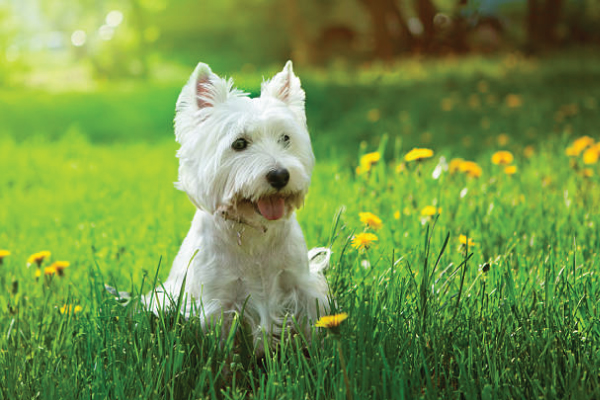
- West Highland White Terriers (WHWT)
- Cocker Spaniels
- Labrador Retrievers
- German Shepherds (often presenting with GI signs, sometimes manifesting as IBD)
VIII. Long-Term Prognosis and Monitoring
A lamb allergy is a chronic condition requiring permanent vigilance.
- Prognosis: The prognosis for control is excellent, provided the owner maintains strict dietary adherence. Once lamb is definitively removed from the diet, most dogs achieve a normal, comfortable, and symptom-free quality of life.
- Relapses: Relapses almost always indicate accidental ingestion (a dropped treat, a stolen snack, a flavored medication) or the onset of concurrent environmental allergies (atopy). The first step upon relapse is always a meticulous investigation of the dog’s recent consumption history.
- Regular Veterinary Check-ups: Dogs on specialized diets require regular follow-ups (every 6–12 months) to ensure the diet remains nutritionally adequate for their life stage and to monitor for secondary infections or the emergence of new, unrelated health issues.
IX. Financial and Emotional Considerations
The diagnosis and management of food allergies can be expensive and emotionally taxing for pet owners.
A. Cost Management
- Prescription Diets: Hydrolyzed and truly novel protein veterinary therapeutic diets are significantly more expensive than standard commercial foods.
- Veterinary Visits: The diagnostic process is lengthy, requiring multiple visits, tests (to rule out other diseases), and ongoing monitoring.
- Insurance: Pet insurance should be reviewed to understand coverage for diagnostic procedures and prescription foods, though many policies consider therapeutic diets standard maintenance.
B. Owner Compliance and Quality of Life
The most significant factor in long-term success is the owner’s commitment to strict dietary control. Owners must adapt their routines (e.g., no communal treat bags at the dog park, careful restriction of visitors feeding the dog, reading every ingredient label). Support groups and open communication with the veterinary team are critical to maintaining compliance and preventing owner burnout.
X. Conclusion
The lamb allergy in dogs represents a classic example of an immunological reaction to common food protein antigens. The diagnosis is arduous, relying solely on the gold standard of the 8–12 week elimination diet followed by a systematic challenge. While management requires permanent, strict avoidance of lamb protein and its derivatives, successful identification and exclusion of the allergen lead to profound improvements in the dog’s dermatological and gastrointestinal health, restoring comfort and enhancing their quality of life. Owners must partner closely with their veterinarian and veterinary nutritionist to navigate the complexities of long-term dietary management and potential cross-contamination risks.
#DogAllergy #LambAllergyDog #PetHealth #CanineNutrition #DogSkinIssues #VetMed #VeterinaryAdvice #DogDiet #EliminationDiet #HydrolyzedProtein #DogFoodAllergies #DogPruritus #PetDermatology #DogHealthTips #ChronicItching #PetCare #DogFoodFacts #DogAllergySolutions #AllergyAdviceDog #HealthyDogGut #PetNutritionFacts







Add comment