
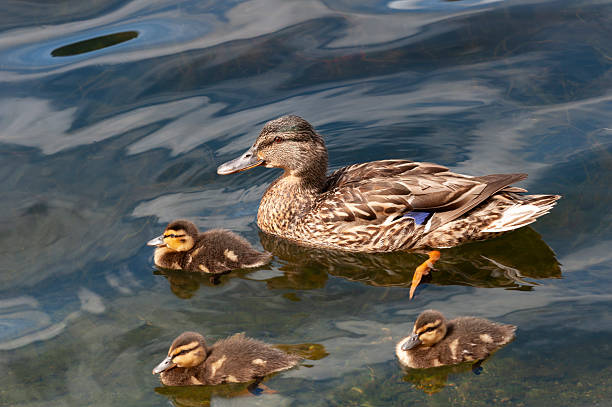
Raising ducks can be one of the most rewarding experiences for homesteaders, backyard farmers, and small-scale poultry enthusiasts. Ducks offer prolific egg production, natural pest control, and even meat, all while being relatively low-maintenance compared to chickens. However, choosing the right breed is crucial to ensure success and harmony with your lifestyle, property size, and purpose. Ducks come in two primary categories: large and small breeds. Each has unique advantages and drawbacks. This exhaustive 3,500-word guide delves into the pros and cons of large and small duck breeds for every type of keeper—from the backyard hobbyist to the commercial farmer—helping you make an informed decision tailored to your goals.
Introduction: Understanding Duck Breeds by Size
When discussing large versus small duck breeds, we’re categorizing breeds primarily by their adult body weight, temperament, growth rate, and purpose. Large duck breeds, such as the Pekin and Aylesbury, typically weigh 7–9 pounds and are often bred for meat production. Small duck breeds, like the Call Duck and East Indian Runners, weigh 3–4.5 pounds and are often reared for eggs or ornamental appeal.
However, size is more than just weight—it influences feeding habits, space needs, egg output, noise levels, temperament, and suitability for different climates. This guide dissects each of these factors to help you choose the ideal breed for your needs.
Let’s begin by defining the key characteristics of large and small duck breeds.
Large Duck Breeds: Overview and Common Examples
Large duck breeds are primarily raised for meat but many also produce a respectable number of eggs. They grow quickly, have substantial carcasses, and are generally hardy.
Common Large Duck Breeds:
- Pekin Duck – The most popular duck in North America, known for its white feathers, rapid growth, and calm demeanor. Weighs 7–8 pounds (females), 8–9 pounds (males).
- Aylesbury Duck – A British heritage breed with a long, horizontal body and pure white plumage. Known for its tender meat. Weighs 6–8 pounds.
- Rouen Duck – Resembles the wild Mallard in appearance but is much heavier and less flighty. Weighs 7–9 pounds.
- Cayuga Duck – Black plumage that turns iridescent green in sunlight; dual-purpose, meat and eggs. Weighs 6.5–8 pounds.
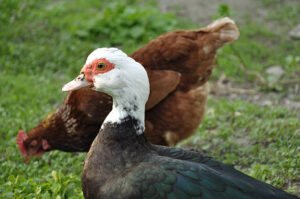
- Muscovy Duck – Technically not a true duck (it’s from a different subfamily), but often grouped with domestic ducks. Larger than others (8–15 pounds), less quacky, good for meat. Calmer and broody.
Temperament: Large ducks are generally calm, docile, and less flighty than their smaller counterparts. This makes them easier to handle, better suited for children, and less escape-prone.
Growth and Maturity: Fast growth is a hallmark of large breeds. Pekin ducks, for example, reach butchering weight (around 7 pounds) in just 7–8 weeks. Meat producers often favor this trait.
Lifespan: Average lifespan is 5–10 years, depending on breed and care. Muscovies can live up to 12 years with excellent husbandry.
Small Duck Breeds: Overview and Common Examples
Small duck breeds are generally lighter, more active, and often prized for egg-laying abilities or ornamental appeal. They mature more slowly than large breeds but remain agile and less resource-intensive.
Common Small Duck Breeds:
- Indian Runner Duck – Extremely prolific layers (up to 300 eggs/year), upright posture like penguins, and excellent foragers.
- Khaki Campbell Duck – One of the best egg-laying ducks, producing 250–340 eggs annually, with calm demeanor and khaki-colored plumage.
- Call Duck – The smallest breed, weighing only 1–2 pounds, bred primarily for exhibition and ornamental purposes. Not ideal for meat or eggs.
- Muscovy Duck (Dwarf Variants) – Miniature Muscovies are bred for small backyards and ornamental appeal, but retain many traits of their larger relatives.
- Welsh Harlequin Duck – A color variation of the Khaki Campbell; slightly lighter weight and excellent layers.
Temperament: Small ducks tend to be more energetic, inquisitive, and flightier. Runner ducks are particularly active and curious, which can be charming or challenging depending on your setup.
Growth and Maturity: Slower growth makes them unsuitable for quick meat production. Indian Runners take 6–8 months to mature, and most lay eggs consistently after 5–7 months.
Lifespan: Generally 8–12 years, with some, like the Khaki Campbell, living up to 15 years with proper care.
Pros of Large Duck Breeds
1. Superior Meat Production
If your primary goal is meat, large duck breeds are unmatched. Pekins and Rouens yield succulent, flavorful meat due to their higher fat content and larger breast size. Their rapid growth means you can raise a flock to processing size within two months.
Example: A Pekin duck reaches 7 pounds in 8 weeks on average, requiring roughly 12–15 pounds of feed. This feed-to-meat ratio is efficient for small-scale meat producers.
2. Higher Body Mass for Cold Climates
Large ducks have greater body mass, which helps them retain heat in colder environments. Their thick plumage and insulating fat make them better adapted to frosty winters than small breeds, reducing the need for supplemental heating.
3. Calmer and Easier to Manage
Large breeds are generally docile, especially Pekins and Rouens. They’re less likely to fly away or panic easily, making them ideal for families, beginners, or urban homesteads with limited fencing.
4. Dual-Purpose Utility
Many large breeds are dual-purpose. For example, the Cayuga produces about 100–125 tinted eggs per year while also being raised for meat. Similarly, Muscovies are excellent meat producers and decent egg layers (70–120 eggs/year).
5. Good Mothers and Broodiness
Certain large breeds—especially Muscovies—are highly broody. They readily sit on eggs and raise ducklings, reducing your need for incubators. Muscovy hens are protective and excellent mothers.
6. Less Likely to Escape
Due to their weight and reduced flying ability, large ducks rarely attempt to fly over fences. This makes them safer and easier to contain in standard 4–5 foot fencing.
Cons of Large Duck Breeds
1. Higher Feed Requirements
Large ducks consume significantly more feed. A single Pekin duck eats around 7–8 ounces of feed per day. In a flock of 10, this quickly adds up—over 17 pounds of feed per week.
Comparison: Ten small Indian Runners may consume only 5–6 pounds of feed weekly, saving 60% in feed costs.
2. Larger Space Requirements
Heavy ducks need more room to move, exercise, and avoid joint issues. Overcrowding can lead to obesity, foot sores (bumblefoot), and respiratory problems.
Recommendation: Large ducks need at least 10–15 square feet per bird in housing and 100–200 square feet per bird in outdoor runs.
3. Slower Foraging Ability
Due to their size and body structure, large ducks are less efficient foragers. They can’t cover ground as quickly or access tight spaces where insects and greens hide. This reduces their ability to supplement their diet naturally, increasing feed dependency.
4. Higher Waste Output
Large ducks produce more droppings, which can lead to ammonia buildup in coops if not cleaned regularly. This requires deeper bedding, more frequent cleaning, and better ventilation.
5. Limited Egg Production
While some large breeds lay eggs, they don’t match the output of smaller breeds. Pekins lay about 150–200 eggs per year, whereas Khaki Campbells can exceed 300. If eggs are your priority, larger breeds are less efficient.
6. Heat Sensitivity
Large birds retain more heat, making them prone to heat stress in hot climates. They require shade, ample water, and possibly misters during summer months.
Pros of Small Duck Breeds
1. Exceptional Egg Production
Small breeds dominate in egg-laying. Khaki Campbells and Indian Runners are among the top layers in the duck world.
Statistics:
- Khaki Campbell: 250–340 eggs/year
- Indian Runner: 200–300 eggs/year
- Welsh Harlequin: 150–300 eggs/year
These breeds often begin laying earlier (5–6 months) and continue laying through cooler months when chickens slow down.
2. Efficient Foragers
Small, agile ducks are natural pest controllers. They roam gardens, hunt slugs, snails, mosquitoes, and weeds with enthusiasm. Indian Runners are known to “mow” lawns by eating grass seeds and insects.
This reduces your reliance on commercial feed and promotes natural pest management—a dream for organic gardeners.
3. Lower Feed Consumption
Small ducks eat significantly less—approximately 4–6 ounces per day. Over a year, this saves hundreds of pounds of feed per bird compared to large breeds.
Cost Savings Example:
- 10 Pekins = ~56 lbs/week = ~2,912 lbs/year
- 10 Indian Runners = ~35 lbs/week = ~1,820 lbs/year
Savings: ~1,092 lbs/year (38% less)
4. Ideal for Small Spaces
Urban homesteaders with limited yard space benefit greatly from small breeds. They require only 3–5 square feet per bird indoors and 50–100 sq ft outdoors. Their compact size makes them suitable for small coops, movable tractors, and balcony-accessible setups (with proper water provisions).
5. Lower Waste Volume
Smaller droppings mean less coop maintenance and less nitrogen in soil if using duck waste in compost. This makes them better suited for small gardens or eco-conscious systems.
6. Personality and Ornamental Value
Call Ducks are bred for cuteness—tiny, loud, and comical. They’re excellent show birds and conversation starters at petting zoos or educational farms. Runners and Harlequins also have distinctive appearances, adding visual interest to your flock.
Cons of Small Duck Breeds
1. Poor Suitability for Meat Production
Small ducks don’t yield nearly enough meat for commercial or regular consumption. A mature Indian Runner weighs 3.5–4.5 pounds, with minimal breast meat. Butchering 4–5 birds yields less than one Pekin.
Unless you raise large numbers, meat production isn’t practical with small breeds.
2. More Flight-Prone
Many small breeds, especially Call Ducks and young Runners, can fly short distances or over low fences. Secure, covered runs or clipped wings are often necessary.
3. Higher Noise Levels
Call Ducks are notoriously loud—males produce high-pitched, shrill calls that can disturb neighbors. Even Khaki Campbells and Runners are more vocal than Pekins.
Noise Tip: If noise is a concern (urban or suburban areas), avoid Call Ducks and limit the number of Runners.
4. Less Cold-Hardy
Smaller body mass means less natural insulation. In freezing climates, small ducks may need supplemental heat, deeper bedding, and draft-free coops. Frostbite on feet and bills is a real risk.
5. Predation Risk
Due to their size, agility, and sometimes loud noises, small ducks are more vulnerable to predators like foxes, hawks, and raccoons. Vigilant fencing, enclosed runs, and nighttime coop security are essential.
6. Less Broodiness
Most small egg-laying breeds (like Runners and Campbells) are not naturally broody. You’ll likely need an incubator or a foster mother (like a Muscovy or hen) to hatch eggs.
Choosing Based on Purpose: Matching Breed to Goal
Let’s break down the ideal breed based on specific purposes.
1. Meat Production → Large Breeds
Choose Pekin, Rouen, or Muscovy ducks for meat. They grow fast, yield large carcasses, and are widely accepted for consumption.
Tip: Pekins are the standard for commercial duck meat. Muscovies offer leaner, red-meat-like texture favored by gourmet markets.
2. Egg Production → Small Breeds
Opt for Khaki Campbell, Indian Runner, or Welsh Harlequin. These breeds are the egg-laying powerhouses of the duck world.
Tip: Keep 2–3 small ducks for a family of four to ensure year-round egg supply.
3. Dual-Purpose (Meat & Eggs) → Balance Breeds
Consider the Cayuga or Muscovy duck. Cayugas lay decent eggs and grow to decent size. Muscovies offer excellent meat, fair eggs, and broodiness.
Note: While not as prolific as specialized breeds, these are excellent all-rounders.
4. Ornamental/Show/Pets → Small or Mixed
Call Ducks are ideal for shows. Runners and Harlequins add charm to backyards. Even small Muscovies or white Pekins are popular for their clean, classic look.
Tip: For children or petting zoos, Pekins and Indian Runners are friendly and engaging.
5. Garden Pest Control → Small, Active Breeds
Indian Runners are nature’s pest exterminators. They’ll patrol lawns, eat slugs in vegetable patches, and reduce mosquito larvae in ponds.
Caution: Supervise ducks in gardens—while they eat pests, they may also trample seedlings.
6. Homesteading in Cold Climates → Larger, Hardy Breeds
Rouens, Cayugas, and Pekins handle cold better than small breeds. Their dense plumage and body mass help them thrive in northern regions.
7. Hot or Humid Climates → Moderate-Sized, Heat-Tolerant
Khaki Campbells and Call Ducks handle heat better than large Pekins. Provide shade, cool water, and misters to prevent overheating.
Space and Housing Requirements
Large Ducks:
- Indoors: 10–15 sq ft per duck
- Outdoor Run: 100–200 sq ft per duck
- Coop Features: High-ceilinged, well-ventilated (but draft-free), with deep straw or shavings bedding
- Fencing: 4–5 feet tall; no covering usually needed
Small Ducks:
- Indoors: 3–5 sq ft per duck
- Outdoor Run: 50–100 sq ft per duck
- Coop Features: Compact, secure, with nesting boxes at ground level
- Fencing: 4 feet tall with wire covering to prevent flight escapes
Water Access: Both large and small ducks require constant access to clean water for drinking and head-dunking. A kiddie pool or shallow pond (12–18 inches deep) is ideal.
Feeding and Nutrition
All ducks require a balanced diet, but requirements differ slightly by size and purpose.
Large Ducks:
- Grower Feed: 15–18% protein for meat ducks (Pekins, Rouens)
- Layer Feed: 16–18% protein for egg-laying large breeds
- Supplements: Grit for digestion, calcium for laying females
- Foraging: Limited—still need full feed rations
Small Ducks:
- Layer Feed: 16–18% protein for egg-layers (Campbells, Runners)
- Growth: Slower, so starter feed can be fed longer
- Foraging: Can replace up to 30–40% of diet with natural forage
- Supplements: Occasional greens, insects, snails
Important: Avoid medicated chick starter for ducks—they are sensitive to certain medications like amprolium. Use non-medicated starter or waterfowl-specific feed.
Water and Feeding Tips:
- Always provide water near food—ducks need water to swallow.
- Feed in troughs to prevent contamination.
- Provide oyster shell free-choice for laying ducks.
Temperament and Handling
Large Ducks:
- Calm, docile, friendly
- Easy to catch and handle
- Good around children
- Quiet (except Muscovy males, which hiss or whistle)
Small Ducks:
- Energetic, alert, curious
- Can be skittish or flighty
- Chatty—especially Call Ducks and Runners
- May require gentle, consistent handling to build trust
Training Tip: Hand-feed treats daily to bond with ducks, regardless of size.
Breeding and Reproduction
Large Ducks:
- Muscovies: Highly broody; incubate 35-day hatch
- Pekins/Rouens: Less likely to go broody; often need incubators
- Ducklings: Large, require more brooder space and heat
Small Ducks:
- Low broodiness in most breeds
- Hatching often requires incubators
- Ducklings: Tiny, fragile; need careful brooding
- Runners: Ducklings grow quickly but stay lean
Tip: Pair broody large breeds (like Muscovies) with eggs from non-broody small breeds to raise hybrid ducklings.
Health Considerations
Common Health Issues:
- Bumblefoot: More common in large, heavy ducks due to pressure on feet. Prevent with clean, dry bedding and soft flooring.
- Respiratory Infections: Overcrowding and poor ventilation increase risk—especially in large breeds with higher waste output.
- Vitamin Deficiencies: Niacin deficiency causes leg weakness. Add brewer’s yeast to feed (1–2 tbsp per cup).
- Predatory Injuries: Small ducks are more prone; secure housing at night.
Preventative Care:
- Clean coops weekly
- Provide dust bath areas
- Monitor for lice, mites
- Quarantine new birds
Cost Comparison
Initial Costs:
- Large Ducklings: $5–$8 each (Pekin, Muscovy)
- Small Ducklings: $6–$12 each (Khaki Campbell, Runner), $15–$30 for Call Ducks (show quality)
Ongoing Costs:
- Feed: Large ducks cost ~$25–$35/year more in feed per bird
- Coop: Large breeds need larger structures—2x the materials
- Healthcare: Comparable, though large ducks may have more joint issues
Long-Term Savings:
- Small breeds save money on feed and space.
- Large breeds provide more meat per bird, offering better protein yield.
Environmental Impact
- Large Ducks: Higher carbon footprint due to greater feed consumption and waste.
- Small Ducks: Lower impact, especially if foraging reduces feed needs.
- Manure Use: Duck manure is high in nitrogen—excellent for compost but dangerous if over-applied to gardens.
Real-Life Scenarios: Who Should Choose What?
Scenario 1: Urban Backyard (500 sq ft)
- Best Choice: 2–3 Indian Runner or Khaki Campbell ducks
- Why: Low space, excellent egg production, manageable waste
Scenario 2: Rural Homestead (1+ acre)
- Best Choice: Mix of Pekins (meat), Runners (eggs), and Muscovies (broody moms)
- Why: Space allows for rotation, dual-purpose use, and natural foraging
Scenario 3: Cold Climate (Zone 4)
- Best Choice: Cayuga or Rouen ducks
- Why: Cold-hardy, large body mass retains heat
Scenario 4: Hot Climate (Zone 9)
- Best Choice: Khaki Campbell or Call Duck (with shade and water)
- Why: Smaller size avoids heat stress
Scenario 5: Children and Education
- Best Choice: Pekin or Runner ducks
- Why: Friendly, interactive, and safe for handling
Conclusion: The Right Duck for You
Choosing between large and small duck breeds isn’t about which is “better”—it’s about which aligns with your goals, space, climate, and lifestyle.
Choose Large Duck Breeds If You:
- Want meat as your primary output
- Live in a cold climate
- Have ample space and can handle higher feed costs
- Prefer calm, manageable birds
- Want broody mothers for natural hatching
Choose Small Duck Breeds If You:
- Prioritize egg production
- Have limited space
- Want natural pest control
- Seek lower feed and maintenance costs
- Enjoy active, energetic birds with personality
Many keepers adopt a hybrid approach—raising small breeds for eggs and foraging, and a few large ducks seasonally for meat. This balance offers self-sufficiency, diversity, and resilience.
Ultimately, both large and small ducks enrich homesteading life. Whether you’re drawn to the plump Pekin waddling across the yard or the comical Indian Runner on a slug patrol, your choice will shape your experience. Evaluate your needs honestly, plan wisely, and enjoy the delightful world of duck keeping.
With the right breed for your purpose, you’ll discover that ducks are more than just poultry—they’re companions, gardeners, and providers, all wrapped in waterproof feathers.
Final Checklist Before Getting Ducks:
- Assess your goals (meat, eggs, pets?)
- Check local regulations and HOA rules
- Secure predator-proof housing and fencing
- Plan for water access (drinking and bathing)
- Buy appropriate feed and supplements
- Choose breed based on size, temperament, and purpose
- Prepare brooder if hatching ducklings
- Establish a vet contact familiar with waterfowl
Now, take the plunge—your feathered friends are waiting!
#DuckKeeping, #BackyardDucks, #DuckBreeds, #Homesteading, #DIYLivestock, #PekinDuck, #IndianRunnerDuck, #DuckEggs, #SustainableLiving, #UrbanHomesteading, #DuckCare, #SmallFarm, #DuckLife, #RaisingDucks, #DuckLove
Add comment