
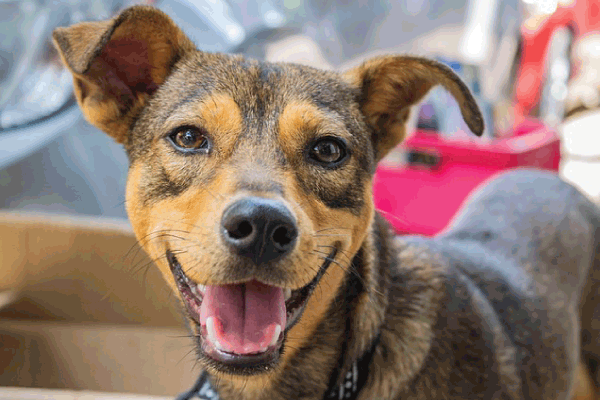
Our furry companions are more than just pets; they are cherished family members, bringing immense joy and unconditional love into our lives. As responsible pet parents, we strive to provide them with the best care, nutrition, and a safe, comfortable environment. However, sometimes, even the most seemingly innocuous household products can pose a hidden threat to our pets’ well-being, leading to frustrating and uncomfortable allergic reactions. Among these, laundry detergent allergies in dogs are a surprisingly common, yet often overlooked, health concern.
The soft bedding our dogs sleep on, the blankets they snuggle with, the clothes we wear that they lean against, and even the carpets they walk on – all come into contact with laundry detergents. While these products effectively clean and freshen our fabrics, the complex cocktail of chemicals they contain can trigger an immune system overreaction in sensitive dogs, leading to a cascade of uncomfortable symptoms. Recognizing, diagnosing, and managing these allergies is crucial for ensuring our dogs can live a happy, itch-free life.
This comprehensive guide aims to shed light on laundry detergent allergies in dogs, delving deep into every facet of this condition. We will explore what causes these allergies, how dogs come into contact with irritants, the tell-tale symptoms to look out for, the diagnostic process, and most importantly, effective treatment and prevention strategies. By the end of this elaborate guide, you will be equipped with the knowledge to identify a potential laundry detergent allergy in your dog and take proactive steps to safeguard their health and comfort.
Understanding Allergies in Dogs: The Immune System’s Overreaction
Before we dive specifically into laundry detergent allergies, it’s essential to grasp the fundamental concept of allergies in dogs. An allergy, at its core, is an exaggerated response by the body’s immune system to a substance (called an allergen) that is typically harmless to most other individuals. For allergic dogs, their immune system mistakenly identifies these benign substances as threats and mounts an inappropriate defensive attack.
This immune response involves the production of antibodies, primarily Immunoglobulin E (IgE), which bind to specialized cells called mast cells. When the dog is re-exposed to the allergen, these IgE-primed mast cells release potent inflammatory chemicals, such as histamine, prostaglandins, and leukotrienes. These chemicals are responsible for the classic signs of an allergic reaction, including itching, redness, and inflammation.
In dogs, allergies can manifest in several ways:
- Food Allergies: Reactions to specific protein sources (e.g., chicken, beef, dairy) or other ingredients in their diet.
- Environmental Allergies (Atopy): Reactions to airborne allergens like pollen, dust mites, mold spores, or dander. These are often seasonal but can be year-round.
- Flea Allergy Dermatitis (FAD): An intense allergic reaction to the saliva of fleas, causing severe itching from even a single bite.
- Contact Allergies: Reactions that occur when the skin directly touches an irritating substance. This is the category into which laundry detergent allergies fall.
Contact dermatitis, specifically, involves a direct reaction on the skin where the allergen makes contact. Unlike food or environmental allergies which might cause widespread itching, contact allergies often present with localized symptoms initially, though severe reactions can become more generalized. The skin acts as a protective barrier, but when exposed to an irritant or allergen, especially if the barrier is compromised, it can trigger an inflammatory cascade. Dogs are particularly susceptible due to their habits of lying directly on surfaces, grooming themselves, and their skin’s unique physiology.
The Culprits: Hazardous Components in Laundry Detergents
Laundry detergents are complex chemical formulations designed to achieve optimal cleaning performance. While effective for their intended purpose, many of these ingredients, individually or in combination, can be potent allergens or irritants for sensitive canine skin. Understanding these components is key to identifying potential triggers.
- Surfactants (Surface Active Agents):
- Role: These are the primary cleaning agents. They work by reducing the surface tension of water, allowing it to penetrate fabrics more effectively, lifting dirt, oil, and grime. They create foam and suspend soils in the wash water.
- Types: Common types include anionic (e.g., linear alkylbenzene sulfonate – LAS, laureth sulfates) and non-ionic surfactants.
- Allergenic Potential: While essential for cleaning, certain surfactants can be harsh and strip the skin’s natural oils, leading to irritation, dryness, and a compromised skin barrier, making it more vulnerable to other allergens. Residue left on fabrics after rinsing can directly irritate a dog’s skin.
- Fragrances/Perfumes:
- Role: Added to impart a pleasant scent to clothes and mask odors.
- Allergenic Potential: This is arguably one of the most common and potent culprits in human and pet allergies. Detergents often contain a complex blend of dozens, sometimes hundreds, of synthetic chemicals to create a specific fragrance. These chemicals can include phthalates (endocrine disruptors), coumarin, limonene, linalool, and numerous others known to be sensitizers. Because many fragrance chemicals are volatile, they can also become airborne, potentially causing respiratory irritation or systemic reactions upon inhalation. “Unscented” products are not always truly fragrance-free; sometimes they contain masking fragrances. Look for “fragrance-free” or “free and clear” explicitly.
- Dyes/Colorants:
- Role: Added purely for aesthetic appeal (e.g., to make the detergent liquid blue or green). They serve no functional cleaning purpose.
- Allergenic Potential: Like fragrances, dyes are common sensitizers. They can cause contact dermatitis upon direct skin exposure. Since they are unnecessary, they are easy to avoid.
- Preservatives:
- Role: Essential to prevent the growth of bacteria, mold, and yeast in the detergent product itself, extending its shelf life.
- Allergenic Potential: Some preservatives are notorious allergens.
- Methylisothiazolinone (MIT) and Methylchloroisothiazolinone (MCI): These are formaldehyde-releasing preservatives, known to be highly sensitizing and a frequent cause of contact dermatitis in both humans and animals.
- Formaldehyde Releasers: Other compounds that slowly release formaldehyde (e.g., DMDM hydantoin, quaternium-15) can also cause allergic reactions.
- Enzymes:
- Role: Used to break down specific types of stains (e.g., proteases for protein stains like blood or grass, amylases for starch, lipases for fats/oils).
- Allergenic Potential: While effective, enzymes are biological molecules that can sometimes trigger allergic reactions, especially upon repeated exposure or if residues remain on fabrics. They can be irritants for some individuals.
- Optical Brighteners (Fluorescent Whitening Agents – FWAs):
- Role: These chemicals absorb UV light and re-emit it as visible blue light, making fabrics appear whiter and brighter by masking yellowing. They do not actually clean the fabric.
- Allergenic Potential: FWAs are designed to adhere strongly to fabrics and resist rinsing, which is problematic for sensitive skin. They can cause irritation and photosensitivity (increased sensitivity to sunlight) directly on the skin. Their persistent presence on fibers makes them a continuous potential allergen.
- Fabric Softeners and Dryer Sheets:
- Role: Designed to reduce static cling, make fabrics feel softer, and often impart fragrance.
- Allergenic Potential: Fabric softeners, whether liquid or dryer sheets, are particularly problematic. They often contain quaternary ammonium compounds (quats), which are known irritants and allergens. Like optical brighteners, they are designed to cling to fabrics, leaving a residue that perpetually exposes the skin to potential irritants and fragrances. They are a frequent cause of contact dermatitis.
- Fillers, pH Adjusters, and Stabilizers:
- Role: These inert ingredients help maintain the product’s consistency, stability, and optimal pH for cleaning.
- Allergenic Potential: Less likely to be primary allergens compared to fragrances or preservatives, but they contribute to the overall chemical load and can sometimes cause irritation in extremely sensitive individuals.
The synergistic effect of multiple irritants and allergens in a single product means that even if one component is present in small amounts, the combination can heighten the risk of an allergic reaction in a susceptible dog.
How Dogs Come into Contact with Detergents
Dogs interact with their environment in ways that make them particularly vulnerable to laundry detergent residues. Understanding these pathways of exposure is essential for comprehensive management.
- Direct Skin Contact:
- Bedding and Blankets: This is the most common and direct route. Dogs spend a significant portion of their day sleeping or resting on their beds, blankets, and crate liners. If these items are washed with an allergenic detergent, the residues are pressed directly against the dog’s skin for extended periods, especially in areas like their belly, armpits, and groin where fur is sparse and skin is more delicate.
- Owner’s Clothing: Dogs often snuggle with their owners, lie on their laps, or rest on their clothes. Detergent residue from human clothing can easily transfer to the dog’s skin.
- Furniture Covers and Carpets: If slipcovers, throw blankets, or washable rugs are laundered with irritating detergents, dogs lying or walking on them will be exposed.
- Indirect Contact:
- Floors and Surfaces: While less direct, if floors are cleaned with a cleaner that leaves residue, or if a freshly washed blanket is placed on a floor, residue can transfer.
- Airborne Residues: During the washing and drying process, particularly when using a dryer vent, tiny particles of detergent and fragrance can become airborne. Dogs in the vicinity, or even those further away if ventilation is poor, can inhale these particles, potentially leading to respiratory symptoms in highly sensitive individuals.
- Ingestion (Licking):
- Grooming: Dogs are fastidious groomers. After coming into contact with detergent-laden fabrics, they will lick their paws, fur, and skin to clean themselves. This leads to ingestion of the detergent residue, which can cause gastrointestinal upset or a systemic allergic reaction.
- Licking Contaminated Surfaces: If a dog licks a freshly washed blanket, a recently cleaned floor, or even residue from a detergent spillage, they can ingest the chemicals.
- Paw Pad Exposure:
- Walking on recently laundered rugs or bedding can irritate the sensitive skin on their paw pads, leading to redness, itching, and excessive licking of the paws.
The persistence of these chemical residues on fabrics, especially those that are designed to cling (like optical brighteners and fabric softeners), means that the exposure is continuous, providing a constant trigger for the immune system.
Symptoms of Laundry Detergent Allergies in Dogs
The symptoms of a laundry detergent allergy can vary in severity and presentation depending on the individual dog’s sensitivity, the specific irritant, and the duration/intensity of exposure. However, they predominantly manifest as skin-related issues, as it’s a form of contact dermatitis.
Skin Manifestations (Most Common):
- Intense Itching (Pruritus): This is the hallmark symptom. Dogs will excessively scratch, lick, chew, or rub against objects, particularly in areas that come into direct contact with laundered items. Common affected areas include the abdomen, groin, armpits, inner thighs, paws, and chin.
- Redness (Erythema): The skin will appear inflamed, red, and sometimes feel warm to the touch. This is due to increased blood flow to the irritated area.
- Rashes and Hives (Urticaria): Small, raised red bumps or larger welts (hives) may appear on the skin. These can be acutely itchy.
- Hair Loss (Alopecia): Chronic scratching, licking, and chewing can lead to self-inflicted trauma, breaking hair shafts and causing patches of hair loss. Over time, the skin can become thickened (lichenification) and hyperpigmented (darkened) in these areas due to chronic inflammation.
- Dry, Flaky Skin: The irritants can strip the skin of its natural oils, leading to dryness, dullness, and dandruff-like flakes.
- Skin Lesions, Scabs, and Crusts: Open sores, scabs, and crusts can develop from incessant scratching, licking, or from secondary bacterial or yeast infections.
- Pustules, Papules, and Pyoderma: If the compromised skin barrier allows bacteria or yeast to proliferate, secondary infections (pyoderma) can occur, leading to pus-filled bumps (pustules), small red bumps (papules), and a foul odor.
- Ear Infections: While seemingly unrelated, chronic allergies can lead to inflammation in the ear canals, making them more susceptible to recurrent bacterial or yeast ear infections (otitis externa). The systemic inflammatory response triggered by the allergy can exacerbate this.
- Swelling (Edema): Localized swelling may occur in severely inflamed areas.
- Paw Pad Irritation: Redness, swelling, and itchiness of the paw pads, leading to excessive licking and chewing of the paws.
Respiratory Symptoms (Less Common but Possible):
In highly sensitive dogs, particularly if exposed to airborne detergent particles (e.g., from dryer vents or strong fragrances), respiratory signs might occur:
- Sneezing and Coughing: Attempts to clear irritants from the airways.
- Nasal Discharge: Clear or sometimes thicker discharge.
- Wheezing, Difficulty Breathing: In rare, severe cases, resembling asthma. This warrants immediate veterinary attention.
Gastrointestinal Symptoms (If Ingested):
If the dog ingests significant amounts of detergent residue through licking, they may exhibit:
- Vomiting: The body’s attempt to expel the ingested irritant.
- Diarrhea: Gastrointestinal upset.
- Loss of Appetite: Due to nausea or general malaise.
- Lethargy: A general feeling of weakness or sluggishness.
Eye Irritation:
- Red, Watery Eyes: Can occur if allergens are airborne or transferred to the eyes.
- Pawing at Eyes: The dog may rub or paw at their eyes due to discomfort.
It’s crucial to note that many of these symptoms are non-specific and can overlap with other types of allergies (food, environmental) or skin conditions (mites, fleas, fungal infections). This is why a precise diagnosis from a veterinarian is paramount. The key differentiator for a contact allergy might be the localization of symptoms to areas of direct contact, especially if those symptoms improve when contact is removed.
Diagnosis of Laundry Detergent Allergies
Diagnosing a laundry detergent allergy can be challenging because its symptoms often mimic those of other common canine allergies and skin conditions. There’s no single definitive test like a blood panel that can specifically identify an allergy to a particular detergent chemical. Therefore, diagnosis relies heavily on a systematic approach involving detailed history, physical examination, exclusion of other conditions, and an elimination-provocation trial.
- Veterinary Consultation:
- The first and most critical step is to consult your veterinarian. They have the expertise to differentiate between various conditions and guide you through the diagnostic process.
- Thorough History Taking:
- Your vet will ask a series of detailed questions to gather clues:
- Onset and Duration of Symptoms: When did the symptoms first appear? Are they constant, seasonal, or intermittent?
- Location of Symptoms: Where on the body is the itching/rash most pronounced? This is a key indicator for contact allergies.
- Diet: What is your dog eating? Any recent diet changes? (To rule out food allergies).
- Medications/Supplements: Any current treatments?
- Household Products Used: This is where you provide details about your laundry detergent, fabric softener, dryer sheets, and any other household cleaners used on floors, furniture, or bedding.
- Recent Changes: Have you recently switched laundry detergents? Bought new bedding for the dog? Started using a new household cleaner? These changes are often direct triggers.
- Environmental Factors: Exposure to fleas, pollen, dust, etc.
- Grooming Habits: Does your dog lick/chew specific areas excessively?
- Your vet will ask a series of detailed questions to gather clues:
- Physical Examination:
- The vet will conduct a thorough physical exam, focusing on the skin and coat. They will assess the extent of redness, inflammation, hair loss, secondary infections, and any other lesions.
- Ruling Out Other Conditions:
- Before concluding a detergent allergy, the vet will likely perform tests to exclude other common causes of itching and skin problems:
- Flea Examination/Treatment: Even one flea bite can trigger severe itching in a flea-allergic dog.
- Skin Scrapes/Hair Plucks: To check for mites (e.g., demodex, sarcoptes) or ringworm (fungal infection).
- Cytology: Taking a swab or impression smear from the skin to examine under a microscope for overgrowth of bacteria or yeast, which are common secondary invaders in allergic skin.
- Blood/Intradermal Tests: These are typically for environmental (atopic) or less commonly food allergies. While they won’t pinpoint a laundry detergent specifically, they can help rule out other major categories of allergens.
- Before concluding a detergent allergy, the vet will likely perform tests to exclude other common causes of itching and skin problems:
- Elimination and Provocation Trial (The Gold Standard for Contact Allergies):
- This is the most effective method for diagnosing contact allergies like those to detergents. It requires patience and meticulous attention to detail:
- Elimination Phase (2-4 weeks):
- Remove all suspected detergents and fabric softeners from your home. This means no traditional detergents for any laundry (including human clothes, towels, bedding).
- Wash ALL dog-related items (beds, blankets, crate liners, plush toys, harnesses, washable collars) with a hypoallergenic, fragrance-free, dye-free, “free and clear” laundry detergent specifically designed for sensitive skin. Ensure these products are also free of optical brighteners, harsh enzymes, and common preservatives like MIT/MCI. Examples include formulas like “All Free Clear,” “Tide Free and Gentle,” or specific pet-safe brands.
- Use an extra rinse cycle to ensure maximal detergent residue removal.
- Avoid fabric softeners and dryer sheets entirely. White vinegar can be used in the rinse cycle as a natural softener and to help remove residue.
- Clean floors and furniture thoroughly with pet-safe, non-toxic cleaners (or just water) to remove any lingering chemical residues.
- Observe Closely: Monitor your dog daily for any improvement in symptoms. If it is a detergent allergy, you should see a noticeable reduction in itching, redness, and discomfort within 2-4 weeks.
- Provocation Phase (Performed with Caution):
- If symptoms significantly improve during the elimination phase, the next step would theoretically be to reintroduce the old detergent to confirm the allergy. However, this step is often not recommended by veterinarians because it intentionally exposes the dog to the allergen again, which can cause a severe flare-up.
- More commonly, if symptoms improve with the hypoallergenic detergent, the diagnosis is confirmed by inference, and you simply continue using the pet-safe products.
- If a provocation is attempted, it should be done under veterinary guidance. This might involve washing a small, isolated blanket with the old detergent and observing for a localized reaction when the dog lies on it. Any adverse reaction confirms the allergy.
- Elimination Phase (2-4 weeks):
- This is the most effective method for diagnosing contact allergies like those to detergents. It requires patience and meticulous attention to detail:
The diagnostic process can be a journey of elimination. It requires consistency and a keen eye for detail from the pet owner. Working closely with your veterinarian is key to navigating this process successfully.
Treatment and Management of Laundry Detergent Allergies
Once a laundry detergent allergy is suspected or diagnosed, treatment focuses on two main aspects: providing immediate relief for the dog’s current discomfort and implementing long-term strategies to prevent future flare-ups.
Immediate Relief for Symptoms:
- Topical Therapies:
- Therapeutic Baths: Bathing your dog with a soothing, hypoallergenic, oatmeal-based, or medicated shampoo (prescribed by your vet for secondary infections) can provide immediate relief from itching and help remove residual allergens from the coat and skin. Use cool water, which is often more soothing for inflamed skin.
- Cool Compresses: Applying cool, damp cloths to particularly red or inflamed areas can reduce swelling and discomfort.
- Topical Steroid Creams/Sprays: For localized inflammation and itching, your veterinarian may prescribe a mild topical corticosteroid cream or spray. These should be used sparingly and only for short periods due to potential side effects.
- Allergy Relief Sprays: Some over-the-counter sprays contain hydrocortisone or pramoxine for temporary itch relief. Always check with your vet before using.
- Oral Medications (Under Veterinary Guidance):
- Antihistamines: Over-the-counter antihistamines (like diphenhydramine or cetirizine) can sometimes help reduce itching in dogs, but their efficacy varies widely. Always consult your vet for appropriate dosage and to ensure they are safe for your dog.
- Corticosteroids: For severe, widespread itching and inflammation, your vet may prescribe a short course of oral corticosteroids (e.g., prednisone). These are very effective but come with significant potential side effects if used long-term, so they are typically reserved for acute flare-ups.
- Immunomodulators: Medications like Apoquel (oclacitinib) or Cytopoint (lokivetmab injection) specifically target the itch pathway and can provide significant relief for allergic dermatitis. While often used for atopic dermatitis, they can be beneficial for severe contact allergy symptoms.
- Antibiotics/Antifungals: If secondary bacterial (pyoderma) or yeast infections are present, your vet will prescribe oral antibiotics or antifungals to clear these up, as these infections contribute significantly to discomfort and itching.
Long-Term Management (The Core Solution):
The cornerstone of long-term management is the complete and consistent elimination of the offending allergen.
- Switch to Hypoallergenic Laundry Detergents:
- “Free and Clear” Formulations: Always opt for detergents explicitly labeled “Free and Clear,” “Fragrance-Free,” and “Dye-Free.” These avoid the most common irritants.
- Check Ingredient Lists: Look for products that also avoid optical brighteners, harsh enzymes, and aggressive preservatives (like MIT/MCI, formaldehyde releasers).
- Plant-Based/Natural Options: Many brands offer plant-derived or “natural” detergents. While these can be good, “natural” doesn’t automatically mean “hypoallergenic.” Always check that they are also fragrance-free and dye-free.
- Pet-Specific Detergents: Some brands market detergents specifically for pet bedding. These are generally formulated with sensitivity in mind.
- Less is More: Use the minimum amount of detergent necessary for effective cleaning. Overdosing can leave more residue.
- Extra Rinse Cycle: Always use an extra rinse cycle when washing dog bedding, blankets, and your own clothes that your dog frequently contacts. This is critical for minimizing detergent residue.
- White Vinegar as a Rinse Aid: Add 1/2 to 1 cup of white vinegar to the fabric softener dispenser during the rinse cycle. Vinegar is a mild acid that helps break down laundry detergent residues, removes odors, and can soften fabrics naturally without the added chemicals of commercial fabric softeners. It is safe for dogs once dried.
- Eliminate Fabric Softeners and Dryer Sheets: These are notorious for clinging to fabrics and containing strong fragrances and chemicals (quats) that are common allergens. They should be completely avoided.
- Thorough Cleaning Protocol:
- Regular Washing: Wash all dog bedding, blankets, crate liners, and washable toys frequently (at least once a week, or more for highly sensitive dogs) with the chosen hypoallergenic detergent.
- Owner’s Laundry: Wash your own clothes, especially those you wear around your dog or sleep in, with the same hypoallergenic detergent.
- Pet-Safe Household Cleaners: Ensure any floor cleaners, carpet shampoos, or furniture sprays used in areas your dog frequents are also fragrance-free and pet-safe to avoid other contact allergens.
- Environmental Control:
- Ventilation: Ensure good ventilation in your laundry room during washing and drying to minimize airborne irritants.
- Limit Access: Consider limiting your dog’s access to the laundry room, especially when the dryer is running.
- Skin Barrier Support:
- Omega-3 Fatty Acid Supplements: Fish oil supplements (EPA and DHA) can help reduce inflammation and improve skin barrier health, making the skin less reactive to allergens.
- Moisturizing Shampoos and Conditioners: Regular bathing with veterinarian-recommended moisturizing shampoos and conditioners can help soothe dry, irritated skin and maintain a healthy skin barrier.
- Topical Ceramides and Essential Fatty Acids: Some products contain ingredients designed to replenish the skin barrier.
- Regular Veterinary Check-ups:
- Schedule follow-up visits with your vet to monitor your dog’s progress. They can adjust treatment plans, manage secondary infections, and provide ongoing advice.
Consistency is key in managing allergies. It may take time (several weeks) to see significant improvement once the allergen is removed, as the skin needs time to heal. Your patience and diligent adherence to the management plan are crucial for your dog’s comfort.
Prevention: Proactive Steps for a Healthy Dog
Prevention is always better than cure, especially when it comes to allergies. By taking proactive steps, you can significantly reduce the risk of your dog developing a laundry detergent allergy or minimize reactions in sensitive pets.
- Proactive Product Choices:
- Start with “Free and Clear”: Especially if you have a new puppy, a dog with a history of sensitive skin, or any signs of mild itching, proactively switch to “free and clear,” fragrance-free, dye-free laundry detergents from the outset. This minimizes exposure to common irritants from day one.
- Avoid Fabric Softeners and Dryer Sheets: Make the conscious decision to eliminate these products entirely from your laundry routine for all household members, as they are a frequent source of contact allergens for pets. Consider natural alternatives like wool dryer balls (unscented) to reduce static.
- Read Labels Meticulously: Don’t just rely on marketing claims. Turn the bottle around and scrutinize the ingredient list. Look for terms like “hypoallergenic,” “dermatologist tested,” “for sensitive skin,” but most importantly, ensure it explicitly states “fragrance-free” and “dye-free.” Be wary of “unscented” labels, as they can sometimes contain masking fragraces.
- Research Ingredients: Familiarize yourself with common irritants and allergens mentioned earlier (e.g., MIT, MCI, phthalates, specific surfactants).
- Educate Household Members:
- Ensure everyone in your household understands the importance of using the designated pet-safe laundry detergent for all items that come into contact with your dog. Consistency is vital.
- Regular and Thorough Cleaning:
- Consistent Laundering: Regularly wash all dog bedding, blankets, and washable toys to prevent the buildup of potential allergens (even with hypoallergenic detergents, dirt and dander can accumulate).
- Pet-Safe Home Cleaning: Use pet-safe, non-toxic, and fragrance-free cleaners for floors and furniture, especially in areas where your dog spends a lot of time.
- Monitor Your Dog Closely:
- Be Observant: Pay attention to any changes in your dog’s skin, coat, or behavior. Even subtle signs like increased licking or scratching, mild redness, or dull coat can be early indicators of an allergic reaction.
- Track Symptoms: If you notice symptoms, keep a journal. Note the date, type of symptom, location, and any new products or changes in routine. This information is invaluable for your vet.
- Maintain Skin Barrier Health:
- A strong, healthy skin barrier is less permeable to allergens. Support it with:
- High-Quality Diet: A balanced diet rich in essential fatty acids (Omega-3s).
- Nutritional Supplements: Omega-3 fatty acid supplements can boost skin health.
- Proper Grooming: Regular brushing helps distribute natural oils and remove loose hair and dander. Use gentle, pH-balanced shampoos specifically formulated for dogs.
- A strong, healthy skin barrier is less permeable to allergens. Support it with:
Specific Recommendations for Hypoallergenic Detergents
While specific product availability can vary by region, here are categories and examples of brands that often offer “free and clear” or hypoallergenic options suitable for homes with sensitive dogs:
- Major Brands “Free & Clear” Lines:
- Tide Free & Gentle: A popular choice, widely available.
- All Free Clear: Another very common and effective option.
- Persil ProClean Sensitive Skin: Known for powerful cleaning while being gentle.
- Purex Free & Clear: A more budget-friendly option.
- Eco-Friendly/Natural Brands (Check specific “Free & Clear” versions):
- Seventh Generation Free & Clear: Plant-based, often without dyes or fragrances.
- ECOS Laundry Detergent Free & Clear: Another plant-derived option.
- Nellie’s All-Natural Laundry Soda: Simple ingredients, often well-tolerated.
- Molly’s Suds Laundry Powder: Known for very minimal ingredients.
- Charlie’s Soap Laundry Powder: Another simple, residue-free option.
- What to Look For:
- “Fragrance-Free” or “No Perfumes”: This is paramount.
- “Dye-Free” or “No Dyes/Colorants.”
- “Hypoallergenic” / “For Sensitive Skin.”
- Absence of Optical Brighteners.
- Absence of highly irritating preservatives (e.g., MIT/MCI).
- Consider enzyme-free options if your dog is extremely sensitive, though enzymes are less common culprits than fragrances.
Always read labels carefully before purchasing. Even within “natural” brands, ensure you select the specific “Free & Clear” variant, as some natural brands can still use essential oils for fragrance, which can be irritating.
When to See a Vet Immediately
While most laundry detergent allergy symptoms can be managed at home once diagnosed, certain signs warrant immediate veterinary attention:
- Severe Swelling of the Face, Lips, Eyelids, or Throat: This could indicate a severe allergic reaction (anaphylaxis) that can obstruct airways.
- Difficulty Breathing, Wheezing, or Persistent Coughing: Especially if acute and severe.
- Non-Stop Scratching Leading to Raw, Bleeding Skin: Increases risk of severe infection.
- Signs of Systemic Illness: Such as extreme lethargy, persistent vomiting or diarrhea, fever, or collapse.
- Sudden Onset of Multiple, Widespread Hives or Rashes.
- Rapidly Worsening Symptoms despite home care.
Conclusion
Laundry detergent allergies in dogs, while not as widely discussed as food or environmental allergies, are a significant source of discomfort for many canines. They can manifest as relentless itching, painful skin lesions, and secondary infections, profoundly impacting a dog’s quality of life. The complex chemical makeup of modern laundry products, coupled with a dog’s intimate contact with washed fabrics, creates a fertile ground for these allergic reactions.
By understanding the common irritants in detergents, recognizing the diverse symptoms, diligently pursuing a veterinary diagnosis, and most importantly, implementing a strict regimen of hypoallergenic products and thorough cleaning, pet parents can provide immense relief to their furry friends.
The journey to an itch-free life for an allergic dog requires patience, consistency, and a keen eye. It means becoming a label-reading detective and a meticulous cleaner. However, the reward – a comfortable, happy, and healthy dog – is immeasurable. By making informed choices about the products we use in our homes, we can create an environment that truly supports the well-being of every cherished member of our family, paws and all. Your commitment to understanding and addressing this often-overlooked allergy will allow your dog to spend less time scratching and more time thriving.
#DogAllergies, #PetAllergies, #LaundryDetergentAllergy, #DogSkinHealth, #HypoallergenicPets, #DogCare, #PetSafety, #ItchyDog, #DogMom, #DogDad, #VetAdvice, #HealthyPets, #DermatitisInDogs, #FreeAndClear, #NaturalPetCare, #DogTips, #PetWellness, #DogItchRelief, #CanineHealth, #PetParenting, #DogLife, #SensitiveSkinDog, #DogProblems, #AllergyReliefForDogs, #PetDetergent, #DogHealth, #FurryFriends, #HomeAndPets, #AllergyAwareness.







Add comment