
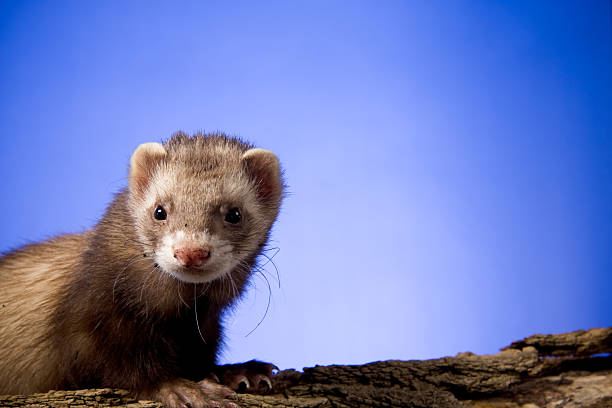
Lawsonia intracellularis is an obligate intracellular, gram‑negative bacterium that colonises the intestinal epithelium of a wide range of mammals, most notably swine, horses, hamsters, rabbits, and increasingly, ferrets. In ferrets the organism precipitates Proliferative Bowel Disease (PBD)—a condition characterised by hyperplastic intestinal lesions, chronic diarrhoea, weight loss, and potentially fatal malabsorption.
Because ferrets are popular as companion animals, exotic‑pet exhibitors, and research models, PBD has become a veterinary concern with implications for animal welfare, economic loss, and public health (through indirect zoonotic pathways). Early recognition, accurate laboratory confirmation, and a targeted therapeutic plan are essential to improve survival rates, which can exceed 80 % with prompt, appropriate treatment.
2. What Is Lawsonia intracellularis?
| Feature | Description |
|---|---|
| Taxonomy | Lawsonia intracellularis (Phylum: Proteobacteria, Class: Gammaproteobacteria, Order: Desulfovibrionales) |
| Morphology | Curved, Gram‑negative rod; 0.3‑0.5 µm wide × 1‑2 µm long; obligate intracellular |
| Growth Requirements | Requires host epithelial cells; cultured in cell lines (e.g., Vero, Caco‑2) or in embryonated eggs; not cultivable on routine agar |
| Virulence Factors | Type III secretion system (T3SS), adhesion molecules, intracellular survival genes, immune evasion proteins |
| Host Cell Tropism | Primarily intestinal enterocytes of the ileum and colon; can also infect macrophages in some species |
| Transmission | Fecal‑oral route; contaminated food, water, or fomites; aerosolised droplets in high‑density settings |
3. Epidemiology & Host Range
- Global Distribution: Present on all continents where susceptible livestock are raised. First described in pigs (UK, 1970s) and later identified in horses, hamsters, rabbits, and ferrets.
- Prevalence in Ferrets: Sporadic reports in the United States, United Kingdom, Germany, Japan, and Australia; seroprevalence studies suggest exposure rates of 5‑15 % in ferret‑only colonies, rising to >30 % in mixed‑species facilities where swine or rabbit pathogens co‑exist.
- Age Susceptibility: Young ferrets (8 weeks–6 months) are most vulnerable due to immature gut immunity; adult ferrets can become carriers, shedding low‑level organisms intermittently.
- Seasonality: Peaks in late winter/early spring, coinciding with increased indoor housing and higher viral‑respiratory co‑infections that compromise gut integrity.
4. Pathogenesis: How the Bacterium Causes Proliferative Bowel Disease
- Ingestion & Colonisation
- Ferrets ingest L. intracellularis via contaminated food, water, or faecal material.
- The bacterium survives gastric acidity, reaching the ileum where it adheres to mature enterocytes using specific outer‑membrane proteins.
- Cellular Invasion & Intracellular Replication
- Via the T3SS, the bacterium injects effector proteins that manipulate host actin and inhibit apoptosis, establishing a replicative niche within the cytoplasm.
- Hyperplasia & Mucosal Thickening
- Infected enterocytes release proliferative cytokines (e.g., IL‑6, TNF‑α) and growth factors, leading to villous blunting and crypt hyperplasia.
- The mucosal surface can thicken up to 4‑5 mm, dramatically reducing absorptive capacity.
- Compromised Barrier & Secondary Infections
- Disruption of tight junctions facilitates bacterial translocation and opportunistic infections (e.g., Clostridium perfringens, Salmonella spp.).
- Immune Response & Chronicity
- A Th1‑biased cellular immunity initially controls infection; however, persistent intracellular organisms can evade clearance, leading to chronic or relapsing disease.
5. Risk Factors Specific to Ferrets
| Factor | Why It Increases Risk |
|---|---|
| High‑density housing | Increases faecal‑oral contacts, aerosol spread |
| Co‑habitation with pigs/rabbits | Shared environment increases bacterial load |
| Poor sanitation | Accumulates contaminated bedding, food dishes |
| Stress (breeding, transport, illness) | Immunosuppression permits bacterial invasion |
| Diet low in fermentable fibre | Alters gut microbiota, reducing colonisation resistance |
| Prior antimicrobial therapy | Disrupts normal flora, allowing overgrowth of L. intracellularis |
| Young age (<6 months) | Immature gut immunity & rapid intestinal turnover |
6. Clinical Manifestations in Ferrets
| System | Typical Signs |
|---|---|
| Gastrointestinal | Chronic watery or mucoid diarrhoea (often intermittent), occasional melena, faecal blood, abdominal distension |
| Nutritional | Progressive weight loss despite normal or increased appetite, emaciation, poor body condition score |
| Systemic | Lethargy, hypothermia, dehydration, tachycardia, mild fever (≤ 40 °C) |
| Behavioral | Decreased playfulness, reduced grooming, occasional vocalisation when in pain |
| Physical Examination | Palpable “thickened” intestinal loops, mild icterus (if hepatic involvement secondary to endotoxaemia), perianal staining from diarrhoea |
Onset & Duration – After an incubation period of 7‑14 days, clinical signs typically develop over 2‑4 weeks. Acute fulminant cases (especially in neonates) can progress to severe dehydration and shock in <48 hours.
Key Distinguishing Features
- Hyperplastic lesions observed endoscopically appear as raised, velvety plaques rather than ulcerative erosions.
- Absence of gross haemorrhage (unlike enteric colitis caused by Salmonella).
- Weight loss disproportionate to food intake (indicative of malabsorption).
7. Differential Diagnosis
| Condition | Overlapping Signs | Distinguishing Points |
|---|---|---|
| Helicobacter mustelae gastritis | Diarrhoea, weight loss | Upper GI lesions, Helicobacter PCR/urease test |
| Ferret enteric coronavirus (FECV) | Diarrhoea, vomiting | Positive PCR for coronavirus, often with systemic viral signs |
| Salmonellosis | Haemorrhagic diarrhoea, fever | Faecal culture, acute septicemia, often higher mortality |
| Toxoplasmosis | Weight loss, neurologic signs | Serology, presence of Toxoplasma cysts |
| Giardia duodenalis | Loose stools, weight loss | Fecal ELISA, cyst detection |
| Parasitic coccidiosis | Diarrhoea, weight loss | Oocyst shedding, response to coccidiostats |
| Neoplastic intestinal lymphoma | Chronic weight loss, diarrhoea | Imaging shows mass lesions; histopathology shows lymphoid infiltrates |
8. Diagnostic Work‑up
A systematic, step‑wise approach maximises diagnostic yield while minimising animal stress.
8.1. Clinical Examination
- Complete physical exam (temperature, hydration status, body condition).
- Abdominal palpation for thickened intestinal loops.
- Fecal observation for consistency, presence of blood or mucus.
8.2. Laboratory Tests
| Test | Sample | Expected Findings |
|---|---|---|
| CBC | Blood | Mild leukocytosis (neutrophilic) or leukopenia in severe cases, mild anaemia |
| Serum Chemistry | Blood | Elevated BUN/creatinine (dehydration), hypoalbuminemia, mild hyperglobulinaemia |
| Fecal O&P | Fresh stool | Exclusion of parasites (Giardia, coccidia) |
| Fecal Bacterial Culture | Stool | Usually negative for L. intracellularis (cannot be cultured), but may grow secondary pathogens |
| Fecal PCR for L. intracellularis | Stool | Positive – high sensitivity (≈ 90 %) and specificity (≈ 95 %) |
8.3. Imaging Modalities
- Abdominal Radiography – May reveal diffuse intestinal wall thickening, fluid‑filled loops, and loss of serosal detail.
- Ultrasound – More sensitive for mucosal hyperplasia; thickened, hyperechoic mucosa with loss of normal stratification.
- Contrast Radiography (Barium Swallow) – Highlights “bulging” mucosa; rarely needed if endoscopy available.
8.4. Endoscopy & Histopathology
- Endoscopic Biopsy is the gold standard for definitive diagnosis.
- Histopathological hallmarks: (i) Diffuse crypt hyperplasia, (ii) Loss of goblet cells, (iii) Intracellular organisms (red‑staining rods) within enterocytes visualised by Warthin‑Starry silver stain or immunohistochemistry.
8.5. Molecular Techniques
| Technique | Advantages | Limitations |
|---|---|---|
| Conventional PCR | Quick, inexpensive | Qualitative only; may miss low‑level shedding |
| Quantitative PCR (qPCR) | Provides bacterial load; useful for monitoring response | Requires specialized equipment |
| In‑situ Hybridisation (ISH) | Localises bacterial DNA within tissue sections | Labor‑intensive; needs fresh/fixed tissue |
8.6. Serology & ELISA
- IgG ELISA to detect antibodies. Useful for herd‑level surveillance; less reliable for acute infection because antibodies lag 2‑3 weeks behind clinical onset.
Diagnostic Algorithm (Simplified)
- History & Clinical Signs → suspect PBD.
- Fecal PCR (first‑line). Positive → start treatment.
- If PCR negative and suspicion remains → Ultrasound + Endoscopic Biopsy.
- Confirm with Histopathology + ISH.
9. Therapeutic Options
9.1. Antimicrobial Regimens
| Antimicrobial | Dose (Ferret) | Route | Duration | Evidence of Efficacy |
|---|---|---|---|---|
| Tylosin (macrolide) | 10 mg/kg q24h | PO | 14‑21 days | Frequently used in swine; successful in ferret case series |
| Doxycycline (tetracycline) | 5 mg/kg q12h | PO | 14‑21 days | Broad intracellular activity; good tissue penetration |
| Enrofloxacin (fluoroquinolone) | 5 mg/kg q24h | PO or IM | 10‑14 days | Effective in experimental models; watch for cartilage toxicity in juveniles |
| Azithromycin | 10 mg/kg q24h | PO | 7‑10 days | May shorten treatment; limited data in ferrets |
| Amoxicillin‑clavulanic acid | 20 mg/kg q12h | PO | 10‑14 days | Adjunctive for secondary bacterial overgrowth |
Key Points
- Macrolides and tetracyclines are first‑line due to intracellular penetration and lower adverse‑event profiles.
- Therapeutic drug monitoring is not routinely required, but liver enzymes should be checked pre‑ and post‑treatment for quinolones.
- Resistance: Emerging quinolone resistance reported in pig isolates; susceptibility testing (when possible) is advisable for chronic/refractory cases.
9.2. Supportive Care
- Fluid Therapy – Isotonic crystalloids (Lactated Ringer’s or 0.9 % NaCl) titrated to replace 10‑15 mL/kg over 4‑6 h; add dextrose if hypoglycaemic.
- Electrolyte Replacement – Potassium chloride and bicarbonate supplements when metabolic acidosis or hypokalaemia present.
- Anti‑emetics – Maropitant (1 mg/kg SC q24h) or Ondansetron (0.5 mg/kg PO q12h) to curb vomiting.
- Analgesia – Buprenorphine (0.02 mg/kg SC q8‑12h) for abdominal discomfort.
- Probiotics – Enterococcus faecium SF68 (10⁹ CFU/kg PO q24h) or a multi‑strain canine‑ferret probiotic; evidence suggests reduced bacterial translocation.
9.3. Nutritional Support & Gut‑Healing Diets
| Nutritional Goal | Recommended Feed | Rationale |
|---|---|---|
| Highly digestible protein | Commercial ferret diet with ≥ 30 % protein, low in indigestible fibre | Supplies essential amino acids for mucosal repair |
| Low‑fat, moderate‑carbohydrate | 15‑20 % fat, 30‑35 % carbohydrate (e.g., rice, sweet potato) | Reduces steatorrhea and bacterial overgrowth |
| Pre‑biotic fibre | 2‑3 % inulin or fructooligosaccharides | Stimulates beneficial colonic bacteria |
| Omega‑3 fatty acids (EPA/DHA) | Fish oil supplement 0.5 % of diet | Anti‑inflammatory and membrane stabilising |
| Vitamin‑mineral supplementation | Vitamin E (30 IU/kg), Selenium (0.05 ppm), B‑complex | Counteracts oxidative stress and supports immune function |
| Frequent, small meals | 4‑6 meals/day, ½ the usual daily caloric intake per meal | Reduces gastric load, improves nutrient absorption |
- Enteral feeding via oesophageal tube is indicated for severely cachectic ferrets unable to maintain oral intake. Use a semi‑liquid diet (e.g., commercial ferret milk replacer mixed with whey protein).
9.4. Probiotics, Pre‑biotics & Synbiotics
- Strains with documented efficacy: Lactobacillus acidophilus, Bifidobacterium animalis, Enterococcus faecalis.
- Dosage: 10⁸‑10⁹ CFU per kg body weight daily for 14‑21 days, continued for another 2 weeks post‑antibiotics.
9.5. Adjunctive Therapies
- Corticosteroids – Generally avoided; may suppress protective immune response.
- Immunomodulators (e.g., levamisole) – Limited evidence; reserved for chronic, relapsing cases under specialist supervision.
10. Prognosis & Potential Complications
| Factor | Impact on Outcome |
|---|---|
| Early diagnosis (<2 weeks of signs) | Survival > 85 %; full weight recovery common |
| Severe dehydration / shock | Mortality up to 40 % even with aggressive therapy |
| Concurrent infections (e.g., Helicobacter, Salmonella) | Prolonged recovery, higher relapse rates |
| Age (neonates) | Higher mortality (up to 60 %) due to immature gut |
| Chronic PBD (>8 weeks) | May lead to intestinal fibrosis, irreversible malabsorption, and secondary protein‑losing enteropathy |
Common Complications
- Intestinal Stenosis – Result of scarring after prolonged hyperplasia; may require surgical resection.
- Secondary Bacterial Translocation – Leads to septicemia, especially with Clostridium spp.
- Nutrient Deficiencies – Fat‑soluble vitamin (A, D, E, K) malabsorption; monitor and supplement.
- Relapse – Up to 15 % of treated ferrets experience recurrence, often linked to incomplete antimicrobial courses or immunosuppression.
11. Prevention Strategies
11.1. Biosecurity & Quarantine
- Isolation of newly acquired ferrets for a minimum of 30 days, with weekly fecal PCR screening.
- Dedicated equipment (feeders, water bottles, cages) for each group; disinfection using a 2 % chlorhexidine solution or 0.5 % peracetic acid.
- Footbaths at entry points; disposable gloves for handling animals with diarrhoea.
11.2. Vaccination
| Vaccine Type | Manufacturer | Administration | Efficacy |
|---|---|---|---|
| Live‑attenuated oral vaccine (Enterisol® I) | Boehringer Ingelheim | 2 ml oral dose at 8 weeks, booster at 12 weeks | 70‑80 % protection in swine; experimental studies show similar seroconversion in ferrets |
| Inactivated injectable vaccine | No commercial ferret‑specific product; off‑label use of porcine vaccine (e.g., Porcilis® Lawsonia) | 0.5 ml IM, repeat after 4 weeks | Provides shorter‑duration immunity; may be combined with other enteric vaccines |
Vaccination Recommendations
- Core for breeding colonies and multi‑species facilities.
- Pre‑breeding vaccination (≥ 4 weeks before mating) to minimise vertical transmission.
11.3. Environmental Management
- Daily removal of feces; litter changed at least twice weekly.
- Water sanitation – Use filtered or boiled water; change containers daily.
- Feed hygiene – Store dry feed in airtight containers; avoid cross‑contamination with raw meat or pork products.
11.4. Herd Health Monitoring
- Monthly fecal PCR screening of a random 10 % of the population.
- Quarterly serology to assess herd immunity levels.
- Record‑keeping of clinical signs, treatments, and outcomes for trend analysis.
12. Dietary Management & Nutritional Recommendations
12.1. Ideal Ferret Diet for PBD Recovery
| Nutrient | Target Range | Sources |
|---|---|---|
| Crude Protein | 30‑35 % (DM) | High‑quality meat, fish, egg‑white powder |
| Crude Fat | 15‑20 % (DM) | Chicken fat, fish oil (ω‑3) |
| Digestible Carbohydrate | 30‑35 % (DM) | Cooked rice, sweet potato, oat bran (low fibre) |
| Fiber (total) | 2‑3 % (DM) | Inulin, beet pulp (pre‑biotic) |
| Calcium : Phosphorus | 1 : 1 (DM) | Dicalcium phosphate, bone meal (limited) |
| Vitamins | A, D3, E, K3 – at or slightly above NRC recommendations | Vitamin premix for ferrets (or fortified kibble) |
| Minerals | Selenium 0.05 ppm, Zinc 100 ppm | Mineral mix included in premix |
12.2. Feeding Schedule
- Day 0‑3 (Acute Phase): 5‑6 small meals of a highly digestible liquid diet (e.g., commercial ferret milk replacer mixed 1:1 with water).
- Day 4‑14 (Recovery Phase): Transition to soft, moist kibble (soaked for 10 min) or finely minced cooked meat. Feed 4–5 meals/day.
- Day 15+ (Convalescent Phase): Return to regular high‑protein ferret pellets, maintain 2–3 meals/day, continue supplementation of omega‑3 and pre‑biotics for 4 weeks.
12.3. Supplements & Rationale
- Fish Oil (EPA/DHA) – 100 mg/kg/day; anti‑inflammatory, supports mucosal healing.
- Glutamine (0.5 g/kg/day) – Primary fuel for enterocytes; improves barrier integrity.
- N‑acetylcysteine (NAC) 10 mg/kg BID – Antioxidant; reduces oxidative stress from bacterial endotoxin.
- Probiotic Complex – As described in Section 9.4.
13. Zoonotic Considerations
- Direct Zoonosis: No confirmed human infections attributed to L. intracellularis from ferrets. The organism primarily affects animal species.
- Indirect Risks: Ferrets can act as mechanical vectors for bacterial spread to other susceptible livestock (e.g., pigs, rabbits) when housed together. Workers handling infected ferrets should practice standard personal protective equipment (PPE) – gloves, disposable gowns, and hand hygiene.
- Occupational Exposure: Laboratory personnel working with cultivated L. intracellularis should follow BSL‑2 containment; ferret owners are at negligible risk.
14. Management of Outbreaks in Multi‑Species Facilities
- Rapid Identification – Initiate fecal PCR on all ferrets and other susceptible species (pigs, rabbits).
- Segregation – Immediate isolation of positive animals; create a “clean” zone for unexposed individuals.
- Environmental Decontamination – Whole‑house fumigation (hydrogen peroxide vapor) followed by thorough cleaning of cages, feeding equipment, and water lines.
- Mass Vaccination – Implement on‑farm oral live‑attenuated vaccine for all susceptible species, respecting species‑specific dosing.
- Antimicrobial Prophylaxis – Consider a single‑dose macrolide for all at‑risk ferrets to reduce bacterial shedding (e.g., tylosin 10 mg/kg PO).
- Monitoring – Weekly fecal PCR for 6 weeks; track clinical signs.
- Documentation – Record source, date of onset, interventions, and outcomes; share data with veterinary public‑health authorities.
15. Future Directions & Research Gaps
| Gap | Potential Research | Clinical Impact |
|---|---|---|
| Ferret‑specific vaccine development | Live‑attenuated strain adapted to ferret gut flora; subunit vaccine with LPS‑based adjuvant | Safer, longer‑lasting immunity tailored to ferrets |
| Pharmacokinetics of antimicrobials in ferrets | Comparative tissue distribution of macrolides and fluoroquinolones | Optimise dosing, reduce resistance |
| Microbiome‑modulation studies | Metagenomic analysis pre‑/post‑PBD; probiotic efficacy trials | Identify protective bacterial signatures |
| Rapid point‑of‑care diagnostics | LAMP‑based assay for L. intracellularis on fecal swabs | Enable immediate field diagnosis |
| Zoonotic potential assessment | Seroprevalence among ferret owners; cross‑species transmission modeling | Clarify public‑health implications |
16. Key Take‑Home Points
- Lawsonia intracellularis is an obligate intracellular bacterium responsible for Proliferative Bowel Disease (PBD) in ferrets, a condition that can be life‑threatening if untreated.
- Early recognition of the classic triad—chronic diarrhoea, weight loss, and intestinal wall thickening—combined with fecal PCR yields a rapid, reliable diagnosis.
- First‑line therapy: Macrolide (tylosin) or tetracycline (doxycycline) for 14‑21 days, accompanied by aggressive fluid therapy, nutritional support, and probiotic supplementation.
- Prognosis is excellent (> 80 % survival) when treatment begins within two weeks of clinical onset; delayed therapy increases mortality and complications.
- Prevention hinges on strict biosecurity, routine fecal screening, and vaccination (live‑attenuated oral vaccine is currently the most effective).
- Nutritional management—highly digestible protein, moderate fat, low‑indigestible fibre, and supplemental omega‑3, glutamine, and pre‑biotics—accelerates mucosal healing and reduces relapse.
- While direct zoonotic transmission has not been documented, ferrets can act as a reservoir for cross‑species spread in mixed‑animal environments; standard PPE and hygiene remain essential.
#LawsoniaIntracellularis, #ProliferativeBowelDisease, #FerretHealth, #FerretMedicine, #FerretCare, #PetVeterinary, #ExoticPetVet, #FerretNutrition, #GutHealth, #FerretDiarrhoea, #FerretWeightLoss, #FerretWellness, #AnimalHealth, #VeterinaryScience, #Microbiology, #ZoonoticRisk, #PetBiosecurity, #FerretVaccination, #FerretResearch, #AnimalWelfare, #PetDiseasePrevention, #VeterinaryEducation, #FerretOwners, #FerretCommunity, #FerretLife, #SmallAnimalVet, #FerretCareTips, #ProbioticPets, #Omega3ForPets, #FerretDiet, #InfectiousDisease, #VetTips, #FerretLovers, #FerretWorld, #FerretClub, #FerretFriends, #FerretObsessed, #PetHealthAwareness, #FerretClinic, #HealthyFerrets, #FerretSupport

Add comment