
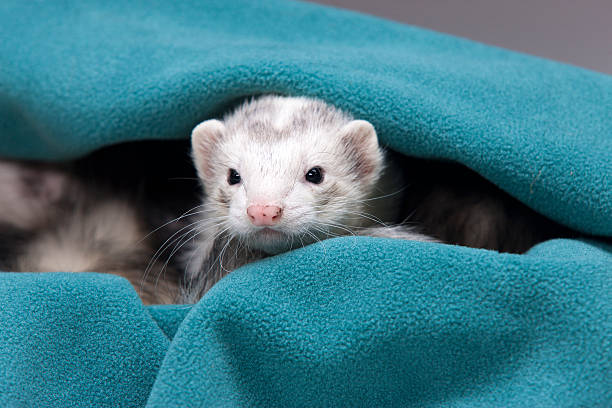
Ferrets, with their playful personalities and curious nature, are increasingly becoming popular companion pets around the world. Their small size, lively demeanor, and social behavior make them endearing to many households. However, like all animals, ferrets are susceptible to a range of health issues — among which lymphoma (also known as lymphosarcoma) stands out as one of the most frequently diagnosed cancers in these animals.
Lymphoma not only affects ferrets across all life stages but also presents a complex clinical picture due to its variable forms, progression rates, and organ involvement. As such, understanding this disease is crucial for early detection, effective treatment, and improved outcomes. This comprehensive guide dives deep into the causes, signs and symptoms, diagnosis, treatment, prognosis, complications, prevention, nutritional support, and zoonotic risk of lymphoma in ferrets, empowering ferret owners and caregivers with the knowledge to safeguard their pets’ health.
1. Overview: What is Lymphoma in Ferrets?
Lymphoma, or lymphosarcoma, is a malignant neoplasm (cancer) that originates in the lymphoid tissue. Lymphoid tissues are distributed throughout the body and are part of the immune system — including lymph nodes, spleen, thymus, bone marrow, and gastrointestinal tract. In ferrets, lymphoma can develop in any of these areas, giving rise to multiple clinical variants.
This cancer arises from uncontrolled proliferation of lymphocytes (a type of white blood cell). Lymphocytes are essential for immune function, but when they undergo malignant transformation, they lose their regulatory mechanisms and multiply excessively, forming tumors and impairing normal organ function.
Lymphoma is the most common cancer in ferrets, affecting up to 25–33% of the ferret population during their lifetime. It can occur in ferrets as young as 6 months or as old as 8–10 years, but its incidence increases with age, with the peak onset between 3 and 5 years. It affects both male and female ferrets equally.
There are two main classifications of lymphoma in ferrets:
- Multicentric (generalized) lymphoma – The most common form, involving multiple lymph nodes and organs.
- Alimentary (gastrointestinal) lymphoma – Affects the digestive tract and often seen in younger ferrets.
- Mediastinal lymphoma – Involves the thymus and mediastinal lymph nodes, commonly causing respiratory symptoms.
- Cutaneous lymphoma – A rare form affecting the skin.
The disease may progress rapidly (acute or high-grade) or slowly over months (chronic or low-grade), which significantly influences treatment options and prognosis.
2. Causes and Risk Factors of Lymphoma in Ferrets
The exact cause of lymphoma in ferrets remains largely unknown, but researchers and veterinarians have identified several contributing factors that may increase the risk of developing this cancer.
Genetic Predisposition
Ferrets are believed to have a genetic susceptibility to lymphoma. Certain bloodlines appear more prone to developing the disease, suggesting hereditary components. Inbreeding within the ferret population — due to a limited genetic pool — may amplify this risk.
Viral Factors
Some studies have explored the potential link between retroviruses and lymphoma in ferrets. Although no definitive causative virus has been isolated (unlike in cats with feline leukemia virus), some researchers suspect retroviral involvement due to similarities in disease progression. The ferret leukemia virus (FeLV-like virus) and ferret parvovirus are under investigation, but conclusive evidence is still lacking.
Age
Age is a significant factor. Ferrets under 2 years may develop the alimentary form, whereas those aged 3 to 5 years are more likely to develop multicentric lymphoma. Older ferrets are at higher risk of systemic forms of the disease.
Environmental and Immunological Stress
Chronic stress, poor living conditions, and repeated infections may weaken the immune system, potentially contributing to the development of lymphoma. Environmental carcinogens (e.g., secondhand smoke, cleaning chemicals) may also play a role, though specific data in ferrets is limited.
Hormonal Influences
Some evidence suggests that sex hormones may influence lymphoma development. Intact (unneutered) ferrets, particularly males, may have a slightly elevated risk due to hormonal fluctuations. However, spaying and neutering are primarily advised to prevent adrenal disease and reproductive cancers rather than lymphoma.
Immunosuppressive Conditions
Ferrets with underlying health conditions such as insulinoma, adrenal disease, or chronic infections may have compromised immune systems, increasing their vulnerability to cancer.
3. Signs and Symptoms of Lymphoma in Ferrets
The clinical signs of lymphoma vary widely depending on the type, location, and stage of the disease. Some ferrets exhibit noticeable symptoms early, while others may show subtle or no signs until the disease is advanced.
General (Systemic) Symptoms:
- Lethargy and weakness – Ferrets become less active, sleep more, and show diminished interest in play.
- Weight loss – Often rapid and progressive, despite normal or increased appetite.
- Loss of appetite (anorexia) – Especially in later stages.
- Poor coat condition – Dull, dry, or thinning fur.
- Fever – Intermittent or persistent.
- Increased respiratory rate or difficulty breathing – If lymph nodes in the chest are enlarged.
Multi-centric (Generalized) Lymphoma:
- Enlarged peripheral lymph nodes – Most commonly seen under the jaw (submandibular), in front of the shoulders (prescapular), and in the groin (inguinal). These are often painless and feel firm.
- Splenomegaly (enlarged spleen) – May cause abdominal distension.
- Hepatomegaly (enlarged liver) – Detected on palpation or imaging.
Alimentary (Gastrointestinal) Lymphoma:
- Chronic vomiting
- Diarrhea or melena (black, tarry stools)
- Abdominal pain or distension
- Weight loss despite eating
- Dehydration
This form is more common in young ferrets (6 months to 2 years) and may mimic other GI diseases like inflammatory bowel disease or lymphoplasmacytic gastritis.
Mediastinal Lymphoma:
- Respiratory distress – Labored breathing, open-mouth breathing, coughing.
- Panting or rapid breathing at rest
- Lethargy and exercise intolerance
- Fluid accumulation in the chest (pleural effusion)
Due to tumor mass in the chest compressing the trachea and lungs.
Cutaneous (Skin) Lymphoma:
- Nodules, plaques, or ulcerated skin lesions
- Hair loss in affected areas
- Itching or irritation
This is less common and may resemble other dermatological conditions.
Other Organ-Specific Signs:
- Neurological symptoms – Seizures, incoordination, or paralysis (if CNS involved).
- Ocular involvement – Uveitis, blindness (rare).
- Bone marrow suppression – Anemia, bleeding tendencies, recurrent infections.
Owners should monitor their ferrets closely and seek veterinary care at the first sign of abnormal behavior or physical changes.
4. Diagnosis of Lymphoma in Ferrets
Accurate diagnosis of lymphoma in ferrets requires a combination of clinical evaluation, imaging, laboratory tests, and often biopsy.
1. Complete Physical Examination
The vet will perform a thorough physical check, including:
- Palpation of lymph nodes, spleen, liver, and abdomen.
- Evaluation of respiratory and cardiac function.
- Assessment of body condition, coat quality, and neurological status.
2. Blood Work (Complete Blood Count and Biochemistry Panel)
- CBC: May show anemia, elevated or decreased white blood cell counts, abnormal lymphocyte morphology.
- Biochemistry: Elevated liver enzymes, hypoalbuminemia, hypercalcemia (in some cases).
- While not diagnostic, blood work helps assess overall health and organ function.
3. Imaging Techniques
- X-rays (Radiographs): Useful to detect enlarged lymph nodes in the chest, mediastinal mass, or organomegaly.
- Ultrasound: Provides detailed images of internal organs (spleen, liver, kidneys, lymph nodes). Can guide fine-needle aspiration.
- CT or MRI (less common due to cost and availability): Used in complex cases to map tumor extent.
4. Fine-Needle Aspiration (FNA) and Cytology
A minimally invasive method to sample enlarged lymph nodes or organs. Cells are examined under a microscope for lymphoblasts (immature lymphocytes). While useful, cytology may not always differentiate between reactive hyperplasia and true lymphoma.
5. Biopsy (Gold Standard)
A surgical biopsy of affected tissue (lymph node, spleen, intestine, etc.) provides the most definitive diagnosis. Histopathology confirms the presence of malignant lymphocytes and helps classify the type and grade of lymphoma.
6. Molecular and Advanced Testing
- Flow cytometry or PCR for antigen receptor rearrangement (PARR) – These tests can determine if the lymphocyte population is clonal (cancerous) or polyclonal (reactive). These are more commonly used in referral labs.
Differential Diagnoses
Lymphoma must be distinguished from:
- Lymphoid hyperplasia (non-cancerous lymph node enlargement)
- Inflammatory bowel disease (IBD)
- Insulinoma
- Gastrointestinal foreign bodies
- Fungal or parasitic infections
Accurate diagnosis is essential for effective treatment planning.
5. Treatment Options for Lymphoma in Ferrets
Treatment depends on the type, stage, form, and aggressiveness of lymphoma, as well as the ferret’s overall health and age.
1. Chemotherapy
Chemotherapy is the primary treatment modality for lymphoma in ferrets and can be highly effective, especially in multicentric forms.
Commonly used drugs include:
- Cyclophosphamide
- Vincristine
- Prednisone (or prednisolone)
- Doxorubicin (Adriamycin)
- L-asparaginase
A typical protocol is a modified version of the CHOP protocol used in dogs and cats:
- C – Cyclophosphamide
- H – Doxorubicin (Hydroxydaunorubicin)
- O – Vincristine (Oncovin)
- P – Prednisone
Chemotherapy is usually administered in cycles (e.g., once a week or every 2–3 weeks) over several months. Doses are carefully adjusted for the ferret’s small size.
Response to treatment:
- Up to 70–80% of ferrets with multicentric lymphoma achieve remission with chemotherapy.
- Remission can last from 6 months to over 2 years, depending on the individual.
Side effects are generally milder in ferrets than in humans and include:
- Mild lethargy
- Temporary GI upset (vomiting, diarrhea)
- Bone marrow suppression (monitored via blood tests)
Hair loss is rare in ferrets undergoing chemo.
2. Surgical Intervention
Surgery is rarely curative but may be used:
- To obtain biopsy samples.
- To remove localized tumors (e.g., in cutaneous or isolated GI forms).
- To relieve intestinal obstruction in alimentary lymphoma.
3. Radiation Therapy
Used in localized tumors (e.g., cutaneous or mediastinal) when surgery is not possible. Often available only at veterinary specialty centers.
4. Supportive Care
Includes:
- Fluid therapy for dehydration.
- Nutritional support – High-calorie, easily digestible diets.
- Anti-nausea medications (e.g., maropitant).
- Pain management – NSAIDs or opioids if needed.
- Antibiotics if secondary infections are present.
5. Palliative Care
For ferrets not suitable for aggressive treatment (due to age, advanced disease, or owner preference), palliative care focuses on:
- Improving quality of life.
- Managing symptoms (pain, appetite loss).
- Using low-dose steroids (prednisone) to reduce inflammation and improve appetite.
Prednisone alone may induce short-term remission but is not a long-term solution.
6. Prognosis and Complications
Prognosis
The prognosis for ferrets with lymphoma varies widely:
- Multicentric lymphoma: With appropriate chemotherapy, many ferrets survive 1 to 2 years in remission. Some may live longer.
- Alimentary lymphoma: Often more aggressive; prognosis is guarded to poor, with survival typically 3–6 months, although some respond well to treatment.
- Mediastinal lymphoma: Variable; depends on response to chemo and presence of pleural effusion.
- Cutaneous lymphoma: Slower progression; may be managed for months to years.
Factors influencing prognosis:
- Age and overall health
- Stage of disease at diagnosis
- Response to initial treatment
- Type and grade of lymphoma
- Owner compliance with treatment plans
Complications
Lymphoma can lead to several serious complications:
- Organ failure – Liver, spleen, or kidney dysfunction.
- Bone marrow suppression – Leading to anemia, leukopenia, and thrombocytopenia.
- Respiratory failure – From mediastinal mass or pleural effusion.
- Intestinal obstruction or perforation – In GI lymphoma.
- Secondary infections – Due to immunosuppression.
- Metastasis – Spread to other organs including CNS, lungs, or bone.
- Treatment-related toxicity – From chemotherapy drugs (rare but possible).
Regular monitoring (physical exams, blood tests, imaging) is essential to manage complications early.
7. Prevention of Lymphoma in Ferrets
Since the exact cause is unknown, complete prevention is not currently possible, but several strategies may help reduce risk and support long-term health:
1. Regular Veterinary Check-ups
- Schedule wellness exams every 6 months, especially for ferrets over 3 years.
- Early detection improves treatment success.
2. Minimize Stress
- Provide a safe, clean, and enriched environment.
- Avoid overcrowding and sudden changes.
- Use pheromone diffusers or calming aids if needed.
3. High-Quality Nutrition
- Feed a diet high in animal-based protein and low in carbohydrates.
- Avoid sugary treats.
- More on diet below.
4. Reduce Exposure to Toxins
- Avoid cigarette smoke, aerosol sprays, and strong chemicals.
- Use pet-safe cleaning products.
5. Genetic Awareness
- Choose reputable breeders who practice responsible breeding.
- Avoid breeding ferrets with a known family history of cancer.
6. Vaccinations and Parasite Control
- Keep up-to-date with distemper and rabies vaccines.
- Prevent internal and external parasites.
While these measures may not prevent lymphoma outright, they contribute to a robust immune system and overall longevity.
8. Diet and Nutrition for Ferrets with Lymphoma
Nutrition plays a vital role in managing ferrets with cancer. Lymphoma often leads to cachexia (wasting syndrome), making it essential to maintain caloric intake and body condition.
General Dietary Principles
Ferrets are obligate carnivores and require:
- High protein (30–40%) – Preferably from animal sources (chicken, turkey, egg).
- Moderate fat (15–20%) – For energy.
- Low carbohydrates and fiber – Their digestive systems cannot process plant matter efficiently.
Avoid diets high in grains, fruits, or vegetables.
Dietary Recommendations for Lymphoma-Positive Ferrets
- High-calorie, nutrient-dense food – To combat weight loss.
- Wet or canned food – Easier to eat for lethargic or nauseous ferrets.
- Frequent small meals – Offer food every 2–4 hours.
- Hand-feeding or syringe feeding – If appetite is poor (use kitten or ferret recovery formula).
- Warming food slightly – Enhances smell and palatability.
- Add fish oil or flaxseed oil – For anti-inflammatory omega-3 fatty acids (consult vet for dosing).
Supplements (Use with Caution and Vet Approval)
- Probiotics – Support gut health, especially during antibiotic or chemo use.
- Multivitamins – Only if deficiency is suspected.
- Antioxidants (e.g., vitamin E, selenium) – Theoretical benefit; avoid high doses as they may interfere with chemo.
- L-carnitine and CoQ10 – May support energy metabolism.
Avoid unproven or herbal supplements without veterinary consultation.
Hydration
Ensure constant access to fresh water. Use a syringe or offer electrolyte solutions if dehydration is a concern.
9. Zoonotic Risk: Can Lymphoma in Ferrets Spread to Humans?
No, lymphoma in ferrets is not zoonotic. This means it cannot be transmitted from ferrets to humans or other animals.
Lymphoma is a non-infectious, neoplastic disease — it arises from genetic mutations within the ferret’s own cells and does not involve bacteria, viruses, or parasites that can cross species.
However, it’s important to note:
- Ferrets may carry other zoonotic pathogens such as Salmonella, Campylobacter, or ringworm, especially if immunocompromised.
- Good hygiene practices (handwashing after handling, cleaning cages regularly) are always recommended.
- If your ferret is undergoing chemotherapy, follow safe handling procedures for urine/feces, as chemo drugs may be excreted in waste (rare, but precautionary).
There is no risk of cancer transmission to humans or other pets.
Conclusion
Lymphoma is the most common cancer affecting ferrets and poses a significant health challenge for owners and veterinarians alike. While its exact cause remains elusive, early recognition of symptoms — such as enlarged lymph nodes, weight loss, and lethargy — can lead to timely diagnosis and treatment.
With advancements in veterinary medicine, chemotherapy offers a real chance for remission and extended quality life for many ferrets. Supportive care, proper nutrition, and regular monitoring are equally important components of management.
Although prevention is not fully achievable, providing a stress-free environment, high-quality diet, and routine veterinary care can promote overall health and potentially delay disease onset.
Most importantly, ferret owners should be vigilant, proactive, and compassionate. With love, proper care, and medical support, many ferrets with lymphoma can enjoy months to years of happy, playful life.
For those navigating this challenging diagnosis, remember: you are not alone, and your dedication makes all the difference in your ferret’s journey.
#FerretLymphoma, #FerretCancer, #LymphosarcomaFerret, #FerretHealthTips, #FerretCare, #FerretOwner, #FerretWellness, #FerretsOfInstagram, #FerretLife, #FerretCancerAwareness, #FerretTreatment, #FerretChemotherapy, #FerretNutrition, #FerretDiet, #FerretRescue, #SmallPetHealth, #ExoticPetCare, #FerretVet, #FerretLover, #FerretParent, #FerretHealthGuide, #FerretOncology, #FerretSupport, #FerretSurvivor, #PetCancerAwareness, #FerretCommunity, #FerretEnrichment, #FerretFun, #FerretVideos, #FerretEducation, #FerretLymphNode, #FerretWeightLoss, #FerretLeukemia, #FerretMedicine, #FerretLifeStyle, #FerretAdventures, #FerretLove, #FerretsRocks, #FerretZoonotic, #FerretRecovery





Add comment