
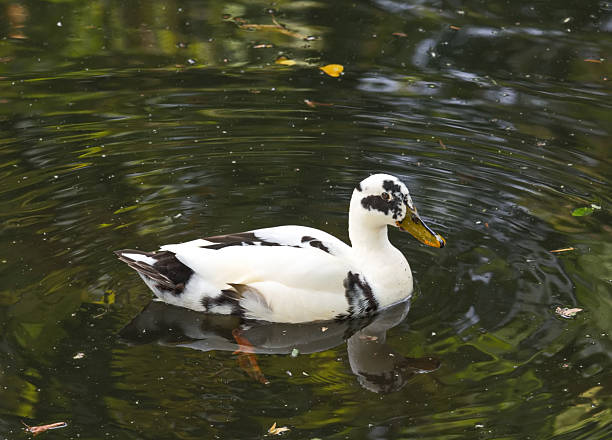
The Magpie Duck ( Anas platyrhynchos domesticus “Magpie” ) is a strikingly patterned, medium‑sized domestic duck that has captured the imagination of hobbyists, small‑scale farmers, and exhibition fanciers for more than a century. Recognised instantly by its bold black‑white “magpie” plumage, the breed combines ornamental appeal with solid utility traits—moderate egg production, good meat yield, and a hardy disposition.
Although not as ubiquitous as the Pekin or Rouen, the Magpie Duck occupies a niche among duck enthusiasts who value visual novelty together with a duck that can thrive in a variety of climates and management systems. This guide is designed to serve beginners seeking a reliable introduction, intermediate keepers looking to refine husbandry practices, and advanced breeders interested in genetics, performance optimization, and sustainable flock development.
2. Other Names & Synonyms
| Common Name | Region / Usage | Remarks |
|---|---|---|
| Magpie Duck | Global (standard) | The widely accepted commercial name. |
| Magpie Pintail | United Kingdom (historical) | Early British references often added “pintail” to stress the short tail. |
| Black‑and‑White Duck | North America (informal) | Descriptive nickname used by backyard keepers. |
| Magpie Runner | Rare, exhibition circles | Occasionally used when the bird exhibits a slightly more upright carriage. |
| Magpie Pekin | Misnomer | Some novices confuse the breed with Pekin due to size; should be avoided. |
3. Primary Breed Purpose
| Purpose | Level of Suitability | Key Characteristics |
|---|---|---|
| Egg Production | Moderate | 120–160 large eggs per year, white to creamy shells. |
| Meat Production | Good | 4–5 lb (1.8–2.3 kg) birds, flavorful dark meat, excellent for roasting. |
| Ornamental/Exhibition | Excellent | Distinctive black‑white pattern; judges award points for contrast and feather quality. |
| Free‑Range Foraging | Strong | Active foragers, tolerant of wet paddocks and marginal grazing. |
| Pet/Companion | Good | Calm temperament, sociable with humans and other waterfowl. |
The Magpie Duck is essentially a dual‑purpose breed: it provides a respectable egg yield while delivering a respectable carcass weight, all wrapped in a show‑worthy appearance.
4. Physical Characteristics
| Feature | Description |
|---|---|
| Size | Medium; drakes 2.5–3 kg, hens 2.2–2.7 kg. |
| Body Shape | Broad, deep‑chested, slightly rounded with a compact frame. |
| Plumage | Black head, neck, back, and tail; white chest, belly, and wing‑tips. The black is glossy, with a subtle iridescent green‑blue sheen in bright light. The white feathers are clean and dense, lacking any yellow or brown tint. |
| Bill | Short, broad, orange‑yellow with a black tip. |
| Eyes | Dark brown, expressive; a thin white line may appear across the eye (the “magpie mask”). |
| Legs & Feet | Dark orange‑brown, webbed; fairly strong for paddling. |
| Tail | Short, slightly up‑curved; the tail feathers are black, providing a “pennant” silhouette. |
| Sexual Dimorphism | Minimal; drakes may show a slightly deeper black and a broader bill, but both sexes are visually similar, making sexing at hatch more difficult. |
Feather quality is a key consideration for exhibition birds: the black feathers must be free of brownish “rust” or feather loss, while the white should be pure and dense.
5. Weight & Growth Curve
| Age | Approx. Weight (Male) | Approx. Weight (Female) |
|---|---|---|
| Hatch | 30–45 g | 30–45 g |
| 1 week | 130 g | 115 g |
| 2 weeks | 260 g | 240 g |
| 4 weeks | 620 g | 570 g |
| 8 weeks | 1.2 kg | 1.0 kg |
| 12 weeks | 1.8 kg | 1.6 kg |
| 16 weeks (sexually mature) | 2.3–2.5 kg | 2.0–2.2 kg |
| 24 weeks (full size) | 2.8–3.0 kg | 2.4–2.6 kg |
Growth Highlights
- Rapid Early Development – The first two weeks see a tripling of body mass under a well‑balanced starter diet (20 % protein).
- Steady Mid‑Phase – From weeks 4‑12, growth slows; a balanced grower diet (16–18 % protein) supports feather development and skeletal strengthening.
- Plateau Phase – After week 16, weight gain levels off; at this point, the ducks are ready for breeding or market.
For exhibition birds, controlled growth is essential. Slightly limiting high‑energy feeds after week 8 can keep the bird’s body condition in line with the desired show standards (i.e., a sleek, not overly plump, silhouette).
6. Climatic Tolerances
The Magpie Duck is highly adaptable but performs best in temperate zones.
| Climate | Adaptation | Management Tips |
|---|---|---|
| Cold (≤ 0 °C) | Dense feathering, good water‑resistance; tolerates sub‑zero temperatures if kept dry. | Provide wind‑breaks, deep bedding, and a heated water source to prevent freezing. |
| Mild/Temperate (10–25 °C) | Optimal range for growth, egg production, and plumage quality. | Ensure ample daylight (14 h) to stimulate laying. |
| Hot (≥ 30 °C) | Black plumage absorbs heat; may experience heat stress. | Offer shade, misting systems, and plenty of fresh, cool water. |
| Humid / Wet | Strong paddling ability; tolerant of muddy foraging. | Keep housing dry and ventilated to avoid respiratory issues. |
Overall, the breed’s hardiness makes it suitable for small‑scale farms in most North American, European, and Australasian regions, provided that extreme heat or prolonged freezing is mitigated through proper housing design.
7. Reproduction & Egg Production
7.1 Sexual Maturity
- Hens reach lay‑ready maturity at 5–6 months (≈ 20 weeks).
- Drakes become fertile at 6–7 months.
7.2 Egg Characteristics
| Parameter | Typical Value |
|---|---|
| Size | Large (≈ 62–68 g) |
| Shell Color | White to creamy |
| Incubation Period | 28 days (standard duck) |
| Clutch Size | 8–12 eggs (average) |
| Annual Production | 120–160 eggs per hen under optimal conditions |
7.3 Laying Patterns
- Seasonality: Most productive from late winter through early autumn; peak lay occurs in April–July (Northern Hemisphere).
- Day‑light Influence: 14–16 h of light per day maximises output; supplemental lighting can extend the laying season.
7.4 Fertility & Hatchability
- Fertility Rate – 70–85 % when a healthy drake is present.
- Hatchability – 80–90 % of fertile eggs, assuming proper incubation temperature (37.5 °C) and humidity (55 % RH rising to 70 % during hatching).
7.5 Broodiness
Magpie Ducks are non‑broody by nature; they rarely sit on eggs. This trait is advantageous for commercial egg production but requires artificial incubation for chick rearing. However, occasional broodiness can be induced with short daylight periods and a quiet environment, useful for small‑scale chick rearing without incubators.
8. Flying Ability
While the Magpie Duck possesses functional wings, its flight capability is limited.
- Short Burst Flight: Able to launch a few meters to escape predators or reach low perches.
- Sustained Flight: Rare; heavy body mass and short wingspan (~ 55 cm) restrict long‑distance flight.
Practical Implication: Secure housing (solid walls, netting) is necessary to prevent accidental escapes. The limited flight reduces the risk of predation but also means the birds cannot easily flee from ground‑based threats; predator control (foxes, raccoons) remains essential.
9. Breed History & Origin
The Magpie Duck originated in the United Kingdom in the latter half of the 19th century. A selective breeding program aimed to combine the color contrast of the wild mallard with the docility of domesticated breeds. Early records (circa 1880) describe a “magpie‑patterned duck” displayed at the Royal Agricultural Society of England.
- Founders: Likely cross‑breeding of Indian Runner (for upright carriage) with Muscovy and Pekin lines to cement the black‑white pattern.
- Spread to North America: Imported to the United States in the early 1900s, where it gained popularity among backyard hobbyists and as a novelty exhibition bird.
- Modern Status: Recognised by the American Poultry Association (APA) in the “Standard of Perfection” (1974) as a “Medium” breed. In the United Kingdom, the British Waterfowl Association (BWA) also lists the Magpie Duck under ornamental waterfowl.
The breed’s heritage reflects a deliberate aesthetic goal rather than a work‑oriented purpose, which explains its strong show‑bird presence today.
10. Life Expectancy
Under optimal husbandry (balanced nutrition, disease prevention, low stress), Magpie Ducks live 8–12 years.
- Pet/Companion Settings: 9–11 years common; many owners report individuals reaching a decade.
- Commercial Settings: Lifespan reduces to 4–6 years due to higher production stress and culling cycles.
Longevity is heavily influenced by parasite load, housing conditions, and genetics. Selecting low‑mortality lines and maintaining strict biosecurity can push the upper end of the lifespan.
11. Common Health Issues
| Condition | Signs | Prevention / Treatment |
|---|---|---|
| Bacterial Enteritis (e.g., E. coli) | Diarrhoea, drooping, reduced feed intake. | Clean water, probiotic‑rich diets, antibiotics under vet guidance. |
| Coccidiosis | Blood‑stained droppings, weight loss. | Rotate pastures, use anticoccidial medication in starter feed. |
| Marek’s Disease | Neurological tremors, paralysis. | Vaccination (available for chickens, experimental for ducks). |
| Footpad Dermatitis | Red, scabby foot pads, especially on wet surfaces. | Dry, well‑drained flooring; foot baths with zinc sulphate. |
| Aspergillosis (Respiratory Fungus) | Nasal discharge, laboured breathing. | Proper ventilation; avoid damp litter; antifungal treatment if needed. |
| Egg‑Binding (rare) | Straining, swollen abdomen, lethargy. | Ensure adequate calcium, provide warm water for soaking, vet intervention. |
| Feather Pecking | Damaged plumage, feather loss. | Enrichment, adequate space, avoid overcrowding. |
Key Management Takeaway: Routine health monitoring (weekly weight checks, fecal exams) combined with a vaccination/parasite control schedule dramatically reduces morbidity.
12. Breeding & Genetics – Tips for the Advanced Keeper
12.1 Genetic Fundamentals
- Allelic Inheritance of Color – The magpie pattern follows a dominant allele (B) for black pigmentation, paired with a recessive allele (b) that allows white expression. Heterozygotes (Bb) often display the classic pattern, while homozygous black (BB) may produce birds with excessive black feathering, reducing show value.
- Sex‑Linked Traits – Some feather quality traits are sex‑linked, influencing drake versus hen feather density.
12.2 Desired Breeding Goals
| Goal | Strategy |
|---|---|
| Maintain Pattern Purity | Pair Bb × bb to obtain 50 % Bb (ideal) and 50 % bb (white‑patch). Avoid BB matings. |
| Improve Egg Production | Introduce high‑laying lines (e.g., Khaki Campbell) via outcross, then backcross to Magpie to keep pattern while raising egg yield. |
| Enhance Meat Yield | Incorporate Pekin genetics for larger body size; select for birds that retain the black‑white contrast. |
| Reduce Feather Rust | Screen breeding stock for feather condition; use antioxidant‑rich diets (vitamin E, selenium) to improve feather health. |
| Control Inbreeding Coefficient | Keep the coefficient below 6 % across three generations; maintain a pedigree database. |
12.3 Advanced Techniques
- Marker‑Assisted Selection (MAS): DNA testing for the MC1R gene (melanocortin‑1 receptor) can predict black pigment intensity. Selecting individuals with the heterozygous form helps preserve the crisp magpie division.
- Reciprocal Crosses: Swap male and female roles between two lines to evaluate maternal effects on egg size and hatchability.
- Rotational Breeding Schemes: Cycle three distinct genetic lines (pure Magpie, high‑lay, meat‑focused) over three generations to maintain heterozygosity while extracting specific traits.
- Embryo Sexing: Use a small‑sample blood test at day 7 to sex embryos, enabling selective incubation for desired sex ratios (e.g., more females for egg farms).
12.4 Record‑Keeping
- Performance Log: Egg count, weight, hatchability, growth rates.
- Health Log: Disease episodes, treatments, mortality.
- Genetic Log: Pedigree charts, DNA test results, phenotype notes.
Consistent data empowers evidence‑based decisions and improves long‑term flock profitability.
13. Nutritional Requirements
13.1 Starter Phase (0‑4 weeks)
- Protein: 20–22 % (e.g., soybean meal, fish meal).
- Energy: 3000 kcal/kg (metabolizable).
- Calcium/Phosphorus: 1.2 % Ca, 0.8 % P, with a Ca:P = 1.5:1 ratio.
- Vitamins/Minerals: Vitamin A (10 000 IU/kg), D₃ (3000 IU/kg), E (100 IU/kg), selenium (0.3 ppm).
13.2 Grower Phase (5‑12 weeks)
- Protein: 16–18 % (gradual reduction).
- Energy: 2800 kcal/kg.
- Calcium/Phosphorus: 0.9 % Ca, 0.6 % P.
13.3 Laying Phase (≥ 20 weeks)
- Protein: 14–16 % (high‑quality sources).
- Energy: 3000 kcal/kg.
- Calcium: 3.5–4.0 % (critical for shell formation).
- Vitamin D₃: 4000–5000 IU/kg.
- Supplemental Oats/Barley: Provide grit and slow‑release carbohydrates for sustained egg production.
13.4 Meat Production Phase (if marketed)
- Protein: 18–20 % until target market weight (≈ 2.8 kg).
- Energy: 3200 kcal/kg.
- Fat: 4–5 % to enhance flavor.
13.5 Water & Grit
- Fresh, Clean Water is essential at all stages.
- Grit (fine granite) should be supplied daily for proper gizzard function, especially when feeding whole grains or foraging.
Feeding Tips:
- Split‑Feeding: Offer feed twice daily to encourage natural foraging behavior.
- Pasture Access: Allow 2–4 hrs of pasture per day to supplement diet with insects, greens, and natural water sources.
- Monitor Body Condition: Adjust feed quantity to avoid obesity (score 3/5) while maintaining adequate plumage condition.
14. Housing & Environmental Design
14.1 Coop Layout
| Component | Recommended Specification |
|---|---|
| Flooring | Concrete or compacted earth with deep straw bedding (10 cm) for insulation. |
| Space | Minimum 4 sq ft (0.37 m²) per bird inside; 10 sq ft (0.93 m²) per bird in outdoor range. |
| Ventilation | Adjustable ridge vents + side louvres; aim for 10–15 air changes per hour. |
| Lighting | 14–16 h/day for layers; incorporate dimmable LED strips to simulate natural dawn/dusk. |
| Nest Boxes | 12 × 12 × 12 in (30 × 30 × 30 cm), lined with straw; 1 box per 3–4 hens. |
| Perches | Low‑level (6–8 in) to prevent leg strain; natural branches preferred. |
| Predator Proofing | ½‑inch hardware cloth on all openings; secure lockable doors. |
| Drainage | Sloped floor toward a drainage ditch; water‑resistant flooring mats in wet zones. |
14.2 Outdoor Run
- Pond/Water Feature: Minimum 1 gal of water per bird; shallow edges for ducklings.
- Shade Structures: Natural trees or artificial shade sails; essential in hot climates.
- Forage Area: Rotational paddocks with grasses, legumes, and browse plants (e.g., clover, alfalfa).
14.3 Biosecurity Measures
- Foot Baths: 10 % bleach solution at entry points.
- Quarantine: 30‑day isolation for new birds; health screening before integration.
- Sanitation Schedule: Weekly deep cleaning; daily removal of soiled bedding and droppings.
14.4 Seasonal Adjustments
- Winter: Add windbreaks; use heated waterers; increase insulation in night‑time.
- Summer: Install misting fans; ensure high‑quality shade; provide frozen water cubes to reduce body temperature.
15. Behavioral Traits & Enrichment
| Trait | Description | Enrichment Strategies |
|---|---|---|
| Sociality | Highly gregarious; forms strong flock bonds. | Provide group housing; rotate flock composition to avoid hierarchy stagnation. |
| Foraging Instinct | Natural dabbling and bottom‑feeding. | Scatter grains, insects, and leafy greens across the run; create “seed boxes”. |
| Water Play | Loves paddling, splashing, and preening. | Maintain a clean pond; add floating platforms and water toys (e.g., floating balls). |
| Vocalization | Soft quacks; drakes may emit a low “honk”. | Use gentle human interaction and talk; avoid loud, stressful noises. |
| Curiosity | Explores new objects quickly. | Rotate perches, introduce puzzle feeders, and offer safe branches for climbing. |
| Territorial Aggression (Rare) | Usually limited to breeding season. | Provide ample space and multiple nesting sites to reduce competition. |
Environmental Enrichment Checklist:
- Daily: Fresh water, grain scatter, visual contact with humans.
- Weekly: New objects (e.g., logs, hay bales), pond cleaning.
- Monthly: Re‑arrange the layout of the run to stimulate exploration.
Proper enrichment reduces Feather Pecking, Stress‑Induced Immunosuppression, and improves overall productivity (egg size, growth rate).
16. Economic Considerations
| Item | Cost Range (USD) | Yield / Revenue Potential |
|---|---|---|
| Starter Chicks (per 1,000) | $150–$250 | Baseline stock |
| Feed (Starter 0–4 wks) | $0.12 / bird / day | 30 % of total production cost |
| Housing (Coop + Run) | $2,500–$5,000 (per 200 birds) | Fixed capital expense |
| Egg Production | $0.10 – $0.15 / egg (market) | 120–160 eggs / hen / yr → $12–$24 / hen / yr |
| Meat Sale | $4.00 – $5.50 / lb | 4.5 lb / bird → $18–$25 / bird |
| Show/Exhibition Prize | $100–$1,000 / bird (award) | Variable; can offset costs |
| Labor | $0.02 – $0.04 / bird / day | Depends on scale |
Break‑Even Analysis (200‑bird operation):
- Fixed Costs: $5,000 (housing) + $1,000 (equipment) = $6,000.
- Variable Costs (Year 1): Feed $4,000, health $800, labor $2,400 → $7,200.
- Total Year‑1 Cost: $13,200.
- Revenue (Eggs + Meat): Assuming 140 eggs/hen × 200 hens = 28,000 eggs → $3,500; 150 birds sold for meat at $22 each = $3,300 → Total $6,800.
- Deficit: $6,400.
Profitability Strategies:
- Diversify Income: Add agritourism (farm tours, “duck‑picking” events).
- Premium Niche Products: Market eggs as “heritage‑breed” or “free‑range magpie eggs”.
- Reduce Feed Costs: Implement pasture‑based foraging to supplement commercial feed.
- Scale Up: Larger flocks benefit from economies of scale (feed bulk discounts, labor efficiency).
Small‑scale hobbyists often view the Magpie Duck as a lifestyle investment rather than a pure profit‑center. However, careful management can transform it into a modest cash‑cow or valuable breeding stock for exhibition markets.
17. Environmental Impact
- Positive Contributions:
- Foraging reduces weed seed spread in pastures.
- Manure adds high‑quality nitrogen to soils when composted, enhancing fertility.
- Water Use: Ducks naturally maintain pond health by controlling mosquito larvae and algae through grazing.
- Potential Concerns:
- Water Pollution: Concentrated duck droppings can increase nitrogen and phosphorus loads in ponds, leading to eutrophication if not managed.
- Disease Transmission: Wild waterfowl can spread avian influenza; biosecurity mitigates risk.
- Sustainable Practices:
- Rotate paddocks to prevent over‑grazing.
- Install bio‑filters or constructed wetlands downstream of water bodies.
- Use solar‑powered water pumps for pond aeration, reducing energy footprints.
Adopting an integrated duck‑raising system that links poultry, crop, and water management can create a closed‑loop farm that maximises resource efficiency and minimizes environmental burdens.
18. Conclusion
The Magpie Duck stands out as an elegant, versatile, and hardy breed that satisfies both aesthetic and production goals. Its distinctive black‑and‑white plumage makes it a star in exhibition rings, while its moderate egg output, respectable meat yield, and adaptable nature make it a pragmatic choice for small‑scale farms.
Successful ownership hinges on balanced nutrition, well‑designed housing, vigilant health management, and thoughtful breeding that preserves the iconic pattern while enhancing performance traits. By integrating environmentally conscious practices and leveraging niche market opportunities, keepers can turn the Magpie Duck from a hobbyist curiosity into a sustainable, economically viable enterprise.
Whether you are a backyard enthusiast seeking charming companions, a farmer looking to diversify production, or an advanced breeder chasing genetic excellence, the Magpie Duck offers a rewarding blend of beauty, utility, and resilience.
19. Frequently Asked Questions (FAQs)
| Question | Answer |
|---|---|
| 1. How long does it take for a Magpie Duck egg to hatch? | Approximately 28 days under optimal incubator conditions (37.5 °C, 55 % RH increasing to 70 % during hatching). |
| 2. Are Magpie Ducks good at controlling pests? | Yes. They forage for insects, slugs, and mosquito larvae, providing natural pest control in paddocks and ponds. |
| 3. Can they be raised on a completely pasture‑based diet? | Young ducklings need a high‑protein starter feed; after 4 weeks they can transition to a pasture‑rich diet supplemented with grains and minerals. |
| 4. Do they require a separate water source from chickens? | Ideally, yes. Ducks need deeper water for swimming; shared water troughs can lead to contamination and drowning risks for chicks. |
| 5. How do I prevent feather rust (brown discoloration) on the black plumage? | Keep the birds dry, provide adequate vitamin E and selenium in the diet, and avoid prolonged exposure to damp, dirty environments. |
| 6. Is the breed suitable for free‑range egg production? | Absolutely. Their calm temperament and moderate laying rate make them excellent free‑range layers. |
| 7. What is the best way to sex Magpie Ducklings? | Vent sexing by an experienced technician is most reliable; visual sexing is difficult because of minimal dimorphism. |
| 8. Can I cross the Magpie Duck with other breeds without losing its pattern? | Yes, but careful selection is needed. Crosses with other black‑white patterned breeds (e.g., Indian Runner) retain contrast; crosses with solid‑colored breeds may dilute the pattern. |
| 9. How much space is required per bird in a backyard setting? | Minimum 4 sq ft (0.37 m²) indoor and 10 sq ft (0.93 m²) outdoor; more space improves welfare and reduces aggression. |
| 10. Do Magpie Ducks need to be “trained” to use a nest box? | They naturally seek enclosed spaces for laying; placing nest boxes at a low height with straw lining encourages use. |
#MagpieDuck, #OrnamentalWaterfowl, #DualPurposeDuck, #BackyardPoultry, #DuckKeeping, #WaterfowlBreeding, #DuckEggs, #DuckMeat, #SustainableFarming, #FarmLife, #PoultryNutrition, #DuckHealth, #DuckEnrichment, #EggProduction, #FreeRangeDucks, #DucksOfInstagram, #DuckLovers, #FarmersMarket, #HeritageBreed, #Aquaculture, #PondLife, #BarnyardPets, #AgriTourism, #DucksInTheGarden, #DuckShow, #ExhibitionWaterfowl, #SmallScaleFarming, #EcoFriendlyFarming, #DuckBiosecurity, #DuckGenetics, #DucksAreCool, #FarmInspo, #LivestockManagement, #DucksOfYouTube, #FarmVlog, #CaringForDucks, #FarmEducation, #AnimalWelfare, #HobbyFarming, #DuckKeepingTips, #RaisingDucks, #FarmToTable, #EggLovers, #MeatLovers, #LiveChickenCoop, #BackyardEggs, #DuckPond, #DuckBehavior, #DuckEnvironments, #FarmDesign, #GreenFarming, #PoultryEnthusiast, #AnimalScience, #WaterfowlConservation, #DuckLife, #DuckCare, #FarmAdventure, #HealthyDucks, #FarmSustainability, #OrganicFarming, #DucksAndChickens, #FarmFamily, #RaisingWaterfowl, #FarmBiodiversity, #FarmHusbandry, #LivestockTips, #AnimalHusbandry.
Add comment