
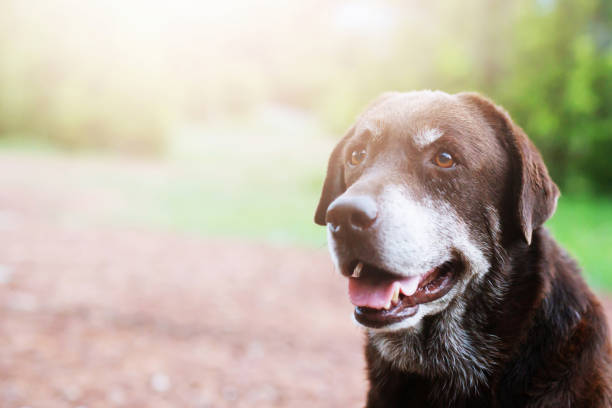
It’s a very thoughtful and important question to consider how to maintain a good quality of life for a dog undergoing cancer treatment. This period can be challenging for both the dog and their owner, and gentle, supportive activities can make a significant difference.
Here’s a comprehensive and elaborate guide on maintaining the quality of life for dogs under cancer treatment through gentle activities:
Maintaining Quality of Life: Gentle Activities for Dogs Undergoing Cancer Treatment
Cancer and its treatments can take a toll on a dog’s physical and emotional well-being. While medical care is paramount, focusing on gentle activities that promote comfort, engagement, and normalcy can significantly enhance their quality of life. The key is to be observant, adaptable, and always prioritize your dog’s comfort and well-being.
I. Understanding Your Dog’s Needs During Treatment
Before diving into specific activities, it’s crucial to understand the potential effects of cancer and its treatments on your dog:
- Fatigue: Chemotherapy, radiation, and even some types of surgery can cause profound tiredness.
- Nausea and Appetite Changes: Many treatments can lead to gastrointestinal upset, affecting their desire to eat.
- Pain and Discomfort: The cancer itself or side effects of treatment can cause pain, stiffness, or general discomfort.
- Weakness and Mobility Issues: Some dogs may experience muscle wasting or a decrease in coordination.
- Emotional Changes: Your dog might become more withdrawn, anxious, or irritable due to feeling unwell.
- Compromised Immune System: Some treatments can lower their immunity, making them more susceptible to illness.
Key Principle: Observe, Adapt, and Prioritize Comfort. Your dog is the best indicator of what they can and want to do. Always consult with your veterinarian before introducing new activities or if you notice any changes in your dog’s behavior or physical condition.
II. Gentle Physical Activities: Movement for Well-being
The goal here is not strenuous exercise but rather gentle movement that stimulates circulation, maintains muscle tone, and provides mental stimulation without overexertion.
- Short, Slow Leashed Walks:
- Frequency & Duration: Instead of one long walk, opt for multiple short strolls throughout the day (e.g., 5-10 minutes each).
- Pace: A very slow, leisurely pace is ideal. Let your dog set the pace and sniff as much as they want. Sniffing is a mentally stimulating and calming activity for dogs.
- Terrain: Stick to familiar, flat, and comfortable surfaces. Avoid slippery floors or uneven ground that could lead to falls.
- Timing: Walk during cooler parts of the day or when your dog seems most alert and energetic. Pay attention to their body language – if they start to lag, pant excessively, or show signs of fatigue, it’s time to head home.
- Hydration: Always carry water, especially on warmer days.
- Gentle Range of Motion Exercises (Passive Range of Motion – PROM):
- Purpose: To help maintain joint flexibility and reduce stiffness, especially if your dog is experiencing pain or reluctance to move naturally.
- How-to: With your veterinarian’s guidance, you can perform very gentle passive movements of your dog’s limbs. This involves slowly and smoothly moving their legs through their natural range of motion (bending and extending joints).
- Caution: Never force a joint beyond its comfortable range. If your dog shows any signs of pain (yelping, pulling away, tensing), stop immediately.
- Frequency: Short sessions multiple times a day can be more beneficial than one long session.
- Water Therapy (Hydrotherapy) – With Professional Supervision:
- Benefits: Water provides buoyancy, reducing stress on joints while allowing for gentle resistance and muscle strengthening. It can be incredibly soothing and pain-relieving.
- Options:
- Hydrotherapy Pools: Specially designed pools with controlled water levels and currents.
- Underwater Treadmills: Offer controlled walking in water.
- Consultation is Crucial: This is not a DIY activity. You must work with a certified canine rehabilitation therapist or a veterinary clinic offering hydrotherapy. They will assess your dog’s condition and tailor a safe and effective program.
- Not for Everyone: Some dogs may be too weak, have specific conditions (like open wounds or heart issues), or be too anxious for hydrotherapy.
- Car Rides (If Tolerated):
- Purpose: A change of scenery can be mentally stimulating.
- Safety First: Ensure your dog is safely secured in their harness or carrier.
- Short & Sweet: Keep rides short and focused on pleasant destinations, like a quiet park or a designated pet-friendly store where they can simply sit and observe. Avoid stressful environments.
- Observe for Motion Sickness: Some dogs develop motion sickness, especially when feeling unwell.
III. Mental Stimulation and Enrichment: Keeping Their Minds Engaged
A bored or anxious dog can experience a decline in their overall well-being. Mental stimulation is equally as important as physical activity, especially when physical capabilities are limited.
- Gentle Nose Work Games:
- Concept: Engaging their primary sense – smell – is naturally rewarding and calming.
- Simple Versions:
- “Find It”: Start by showing your dog a high-value treat or toy. Let them sniff it. Then, while they’re watching, hide it in an obvious spot (under a blanket, behind a cushion). Encourage them to “find it.”
- Treat Dispenser Toys: Puzzle toys that dispense treats as the dog manipulates them can provide quiet, engaging entertainment. Choose ones that are easy to operate.
- Scattering Treats: Lightly scatter a few kibbles or small, healthy treats around a safe, familiar room.
- Important Considerations:
- No Force: Never force your dog to play or search if they seem uninterested or tired.
- Start Simple: Begin with very easy hides. Gradually make them slightly more challenging if your dog is enjoying it.
- Don’t Overwhelm: Keep sessions short (a few minutes) to avoid frustration.
- Interactive Toy Play (Gentle):
- Focus on Connection: Tug-of-war can be adapted to be very gentle. Let your dog have most of the “win” and keep the game light and playful, not intense.
- Soft Toys: Plush toys can be comforting. You can even hide a treat inside one for them to discover.
- Ball Toss (Low Impact): Instead of vigorous fetching, try a very short, gentle toss or rolling the ball a short distance. Focus on their engagement rather than distance.
- Training New, Simple Cues:
- Purpose: Mental exercise, reinforcing your bond, and providing a sense of accomplishment.
- What to Train: Focus on very easy behaviors that don’t require much physical exertion. Examples:
- “Touch” (touching your hand with their nose)
- “Spin” (a small, gentle turn)
- “Paw” (offering a paw)
- “Look at me”
- Positive Reinforcement: Use high-value treats and plenty of praise. Keep sessions extremely short (1-2 minutes) and fun.
- Adaptability: If your dog is too weak or nauseous, skip training on those days.
- Sensory Enrichment:
- Visual Stimulation: Allow them to look out a window from a comfortable spot.
- Auditory Stimulation: Play calming music designed for dogs or nature sounds. Avoid loud or jarring noises.
- Olfactory Stimulation: Use dog-appeasing pheromone diffusers or calming scents like lavender (ensure they are dog-safe and diluted).
IV. Comfort and Emotional Support: The Power of Connection
Emotional well-being is paramount. Your presence, affection, and understanding are the most powerful tools you have.
- Cuddles and Gentle Petting:
- Read Their Cues: Pay attention to where they like to be touched. Some areas might be sore. Soft strokes and gentle massages can be very soothing.
- Sit With Them: Simply being present, sitting quietly beside them, or offering a comforting hand can be incredibly reassuring.
- Comfortable Resting Spots:
- Elevated Beds: If getting up and down is difficult, an orthopedic or elevated bed can make it easier.
- Orthopedic Mattresses: Provide extra cushioning for aching joints.
- Warmth: Many dogs find warmth comforting. Consider a self-heating pet mat or a carefully placed, low-heat heating pad (ensure it’s safe and they can move away from it if too warm).
- Accessibility: Ensure water and their favorite resting spots are easily accessible without them having to navigate difficult stairs or surfaces.
- Maintain Routine (Where Possible):
- Predictability: Dogs thrive on routine. While some aspects of your routine may need to change, maintaining predictable times for feeding, potty breaks, and quiet cuddle sessions can reduce anxiety.
- Social Interaction (Controlled):
- Familiar Faces: If your dog enjoys company, allow calm, familiar people (and well-behaved, known dogs) to visit.
- Avoid Overstimulation: If your dog becomes overwhelmed or anxious with visitors, keep interactions brief or opt for one-on-one time with you.
V. Advanced Considerations and Owner Well-being
- Nutritional Support: Discuss appetite stimulants, anti-nausea medications, and palatable, highly digestible food options with your vet. Sometimes, creating special “comfort meals” can encourage eating.
- Pain Management: Crucially, work with your vet to ensure your dog is comfortable. Don’t underestimate the impact of pain on their willingness and ability to engage in activities.
- Grooming: Gentle brushing can be a bonding activity and helps maintain coat health, but be aware of sensitive skin or areas affected by treatment.
- Your Own Well-being: This is an incredibly emotional journey. Seek support for yourself, whether from family, friends, a pet loss support group, or a therapist. Your ability to care for your dog is enhanced when you are also taking care of yourself.
VI. Signs to Watch For and When to Consult Your Vet
Always be vigilant. Your vet is your most important partner. Contact them immediately if you observe:
- Sudden or increased lethargy/weakness
- Difficulty breathing or rapid breathing
- Vomiting or diarrhea that is persistent or severe
- Refusal to eat or drink for more than 24 hours
- Signs of significant pain (whining, yelping, reluctance to move, trembling)
- Bleeding or discharge from any site
- Lethargy or depression that doesn’t improve with rest
- Changes in behavior that are sudden or concerning
- Any new lumps or changes to existing ones
Conclusion
Maintaining a good quality of life for a dog undergoing cancer treatment is a holistic endeavor. It’s about carefully balancing medical care with nurturing their spirit and providing comfort. By focusing on gentle physical movement, engaging mental stimulation, and unwavering emotional support, you can help your beloved companion navigate this challenging time with as much comfort, joy, and dignity as possible. Remember to be patient, observant, and always guided by your veterinarian’s expertise and your dog’s unique needs.






Add comment