
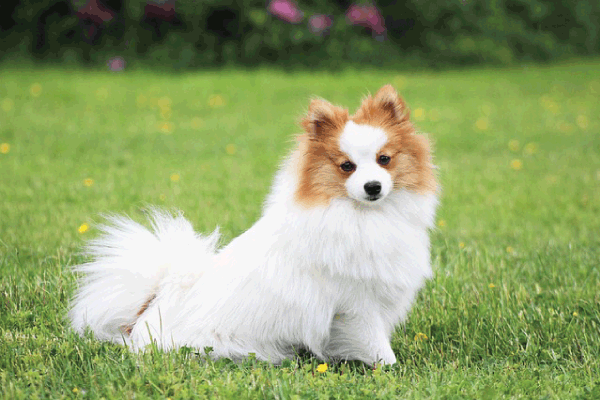
The Shih Tzu and Maltese, both beloved toy breeds, are renowned for their stunning, flowing, and luxurious coats. These magnificent manes are a hallmark of their breed standard and a source of immense pride for their owners. However, maintaining such a glorious coat requires dedication, patience, and the right knowledge. This guide will delve deep into the intricacies of Shih Tzu and Maltese coat care, empowering you to keep your furry companion looking their absolute best.
Understanding the Coat: A Foundation for Care
Before we embark on the grooming journey, it’s crucial to understand the unique characteristics of the Shih Tzu and Maltese coat:
- Single Coat: Unlike many double-coated breeds, both Shih Tzus and Maltese possess a single layer of hair. This hair is long, silky, and grows continuously, similar to human hair.
- Fine Texture: The hair is generally fine and prone to tangling and matting if not properly cared for.
- Color Variations: While Maltese are exclusively white, Shih Tzus come in a wide array of colors and patterns. The color of the coat can sometimes influence its texture and the degree to which it tangles.
- Growth Rate: Their hair grows relatively quickly, necessitating regular grooming to prevent it from becoming unmanageable.
The Cornerstones of Coat Maintenance: Daily, Weekly, and Beyond
Proper coat maintenance for these breeds is not a one-time event; it’s a consistent routine that involves several key elements:
1. Daily Grooming: The Non-Negotiable Foundation
Frequency: Every single day, without exception. This is the most critical step in preventing mats and keeping the coat healthy.
Tools:
- Slicker Brush: For general detangling and removing loose hair. Choose one with fine, flexible pins.
- Metal Comb: A high-quality metal comb with both wide and fine teeth is essential. The wide teeth are for initial detangling, and the fine teeth are for working through finer tangles and ensuring no knots remain.
- Detangling Spray/Leave-in Conditioner: A good quality, water-based detangling spray or leave-in conditioner is your best friend. It lubricates the hair, making it easier to comb through and reducing breakage.
Technique:
- Sectioning is Key: Never attempt to brush the entire coat at once. Divide the coat into manageable sections, working from the bottom up. Start with the lower legs, then move to the body, tail, and finally the head.
- Gentle Approach: Always be gentle. Pulling or yanking will cause discomfort and breakage. Hold the hair above the tangle with one hand and use the comb or brush to gently work through the knot, starting from the tip and moving towards the roots.
- “Panda” or “Diva” Cuts for the Head: For the facial hair, it’s often easier to use a small comb and detangling spray to carefully work through the beard, mustache, and topknot. Gently comb away from the face.
- Inspect for Tangles: As you brush, pay close attention to areas prone to matting: behind the ears, under the legs (armpits and groin), around the collar area, and where the legs meet the body.
- Remove Debris: Daily brushing also helps remove any debris, dust, or food particles that may have accumulated in the coat.
Why Daily?
- Prevents Matting: Mats are tight knots of hair that can form quickly, especially in fine-textured coats. They can become incredibly painful, restrict movement, and lead to skin infections. Daily brushing prevents these from forming or allows you to address them when they are still small and manageable.
- Distributes Natural Oils: Brushing helps distribute the natural oils produced by the skin throughout the coat, keeping it healthy, shiny, and moisturized.
- Stimulates Blood Circulation: The gentle massage from brushing stimulates blood circulation to the hair follicles, promoting healthy hair growth.
- Bonding Opportunity: Daily grooming is a wonderful opportunity to bond with your dog, building trust and making them more comfortable with handling.
2. Weekly Grooming: The Deeper Dive
Frequency: Once a week is generally recommended, but may need to be more frequent for dogs with extremely long or prone-to-tangling coats.
Tools:
- All tools from daily grooming.
- A High-Quality Dog Shampoo: Choose a gentle, pH-balanced shampoo specifically formulated for long-haired breeds. Look for ingredients like aloe vera, oatmeal, or silk proteins.
- A Dog Conditioner: A good conditioner is essential for replenishing moisture, adding shine, and making the coat easier to detangle.
- Ear Cleaner: Specifically designed for dogs to gently clean and dry the ear canal.
- Cotton Balls or Pads: For ear cleaning.
- Nail Clippers: Appropriate for the size of your dog.
- Dog Toothbrush and Toothpaste: Human toothpaste is toxic to dogs.
- Eye Wipes: For cleaning away tear stains.
Technique:
- Thorough Brushing: Before the bath, a thorough brushing is absolutely essential. Ensure there are no tangles or mats. If you find any, address them carefully with detangling spray and your comb. Bathing a matted dog will only make the mats tighter and harder to remove.
- Bathing:
- Preparation: Gather all your supplies before you start. Ensure the water temperature is lukewarm.
- Wetting: Thoroughly wet your dog’s coat down to the skin, avoiding the eyes and ears.
- Shampooing: Apply shampoo and gently massage it into the coat, working from neck to tail. Pay attention to the belly, legs, and tail.
- Rinsing: Rinse thoroughly. Any leftover shampoo can cause irritation and dullness. Run your fingers through the coat to ensure all shampoo is gone.
- Conditioning: Apply conditioner, focusing on the lengths of the hair and avoiding the scalp. Leave it on for the recommended time (usually a few minutes) to allow it to penetrate.
- Final Rinse: Rinse again thoroughly until the water runs clear and the coat feels slippery (indicating all conditioner has been removed).
- Drying:
- Towel Dry: Gently squeeze out excess water with your hands, then pat and blot the coat with absorbent towels. Avoid rubbing vigorously, which can cause tangles.
- Blow Drying: Use a dog-specific blow dryer on a cool or low-heat setting. Keep the dryer moving and at a safe distance from the skin. Brush the hair as you dry, lifting the coat to ensure it dries completely from the roots. This is crucial to prevent mildew and skin issues.
- Ear Cleaning: After drying, gently clean the ears with a dog-specific ear cleaner and cotton balls. Never insert anything deep into the ear canal.
- Nail Trimming: Trim nails regularly to prevent overgrowth, which can cause discomfort and gait problems. If you’re unsure, ask your groomer or vet to show you how.
- Dental Care: Brush your dog’s teeth with dog-specific toothpaste and a toothbrush.
- Eye Care: Clean away any tear stains with specialized eye wipes.
- Final Comb-Through: Once completely dry, give your dog a final, thorough comb-through to ensure no tangles have formed during the drying process.
3. Monthly/Bi-Monthly Grooming: Professional Touch-Ups and Trims
Frequency: Typically every 4-8 weeks, depending on your preference for coat length and your ability to maintain it at home.
Professional Groomer’s Role:
- Expert Trimming and Styling: A professional groomer can provide expert trims to maintain the desired length and shape of your dog’s coat, removing split ends and any damaged hair.
- Sanitary Trims: Essential for keeping the hindquarters clean and preventing soiling.
- Paw Pad Trims: Keeping hair between paw pads trimmed prevents matting and improves traction.
- De-shedding Treatments: While not true de-shedding for single-coated breeds, groomers can perform treatments that help remove loose undercoat if present.
- Addressing Difficult Mats: If your dog has developed significant mats, a professional groomer has the tools and expertise to safely remove them, often without resorting to shaving.
- Full Bath and Blow Dry: Many owners opt for professional baths and blow-dries for a superior finish.
Owner’s Role in Between Grooms:
- Daily Brushing: Continue your daily brushing routine diligently.
- Spot Cleaning: Address any minor messes or tangles as they occur.
- Eye and Ear Care: Maintain regular eye and ear cleaning.
Addressing Specific Coat Challenges
1. Matting: The Dreaded Enemy
- Prevention is Paramount: As emphasized, daily brushing is the best defense.
- Early Intervention: If you discover a small mat, try to gently work it out with your fingers and detangling spray.
- The “Slicker Sandwich” Technique: For stubborn mats, try this: place the slicker brush between the mat and the skin, then gently pull the hair above the mat upwards with your fingers. This can help loosen the tangle.
- Cutting Out Small Mats: For very small, superficial mats, you can carefully use a comb to lift the mat away from the skin and then snip just the tip of the mat with blunt-nosed scissors held parallel to the skin. Extreme caution is advised to avoid cutting the skin.
- When to Seek Professional Help: If a mat is large, tight, close to the skin, or you’re not confident in your ability to remove it safely, always consult a professional groomer. Shaving is often the kindest solution for severely matted dogs.
2. Tear Stains
Tear staining is common in both breeds, particularly in Maltese and lighter-colored Shih Tzus. It’s caused by the overflow of tears from the tear ducts, which can stain the fur.
- Daily Wiping: Gently wipe the area around your dog’s eyes with a soft, damp cloth or a specialized pet eye wipe to remove excess moisture and debris.
- Dietary Considerations: Some believe that certain food sensitivities can contribute to tear staining. Consult your veterinarian about potential dietary changes.
- Regular Grooming: Keeping the hair around the eyes trimmed short can help prevent moisture from accumulating.
- Veterinary Check-up: Persistent or excessive tearing can indicate an underlying medical issue, such as blocked tear ducts, allergies, or eye infections. It’s essential to have your veterinarian examine your dog if you notice a significant change.
3. Dryness and Brittleness
- Quality Products: Use high-quality, moisturizing shampoos and conditioners.
- Avoid Over-Bathing: Too frequent bathing can strip natural oils.
- Regular Brushing: Distributes natural oils and helps prevent breakage.
- Leave-in Conditioners: Can provide ongoing moisture and protection.
- Diet: A balanced diet rich in omega-3 and omega-6 fatty acids can improve coat health from within.
Coat Styles: From Practical to Show-Stopping
When considering coat length, think about your lifestyle and your ability to commit to the grooming required.
- Long Coat (Full Coat): This is the show standard and requires the most intensive daily grooming. It’s a commitment but undeniably stunning.
- Puppy Cut/Teddy Bear Cut: A shorter, more manageable style that involves clipping the body hair to a uniform length while leaving the face longer. This is a popular choice for pet owners.
- “Comb-Over” or “Topknot”: For daily wear, many owners opt to tie up the top strands of hair on their dog’s head to keep it out of their eyes, often with a cute bow or clip.
Essential Tools Checklist:
- High-quality slicker brush (fine pins)
- High-quality metal comb (wide and fine teeth)
- Detangling spray/leave-in conditioner
- Gentle dog shampoo
- Moisturizing dog conditioner
- Absorbent towels
- Dog-specific blow dryer (cool/low heat setting)
- Ear cleaner
- Cotton balls/pads
- Nail clippers
- Dog toothbrush and toothpaste
- Eye wipes
- Blunt-nosed scissors (for emergency use, with extreme caution)
- Brush for facial hair (e.g., a boar bristle brush)
The Importance of Patience and Consistency
Maintaining the luxurious coat of a Shih Tzu or Maltese is a journey, not a destination. It requires dedication, patience, and a deep understanding of your dog’s needs.
- Start Young: Introduce your puppy to grooming early, making it a positive and enjoyable experience.
- Positive Reinforcement: Use praise, treats, and gentle handling to create positive associations with grooming.
- Observe Your Dog: Pay attention to your dog’s body language. If they are showing signs of stress or discomfort, take a break.
- Learn from Professionals: Don’t hesitate to ask your veterinarian or professional groomer for advice and demonstrations.
By investing time and effort into a consistent and careful grooming routine, you’ll not only preserve the breathtaking beauty of your Shih Tzu or Maltese’s coat but also contribute to their overall health, comfort, and happiness. Their magnificent mane is a reflection of your love and dedication.
=====================
#ShihTzuGrooming, #MalteseGrooming, #LongCoatCare, #DogGroomingTips, #LuxuryCoat, #ShihTzuCoat, #MalteseCoat, #SilkyHair, #HealthyCoat, #DogCare, #PetGrooming, #BreedSpecificGrooming, #CoatMaintenance, #PamperedPup, #BeautifulCoat






Add comment