
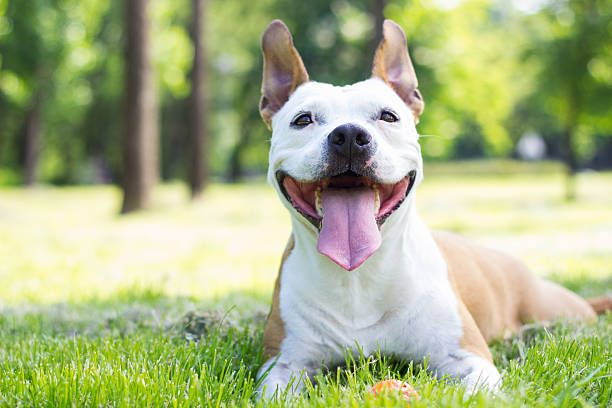
Awagging tail, a happy heart: Your comprehensive guide to keeping your dog fulfilled
Our canine companions bring immeasurable joy into our lives. They greet us with unbridled enthusiasm, offer unwavering loyalty, and fill our homes with a unique brand of love. But this boundless happiness isn’t a foregone conclusion; it’s a testament to their well-being. Just as we have needs for physical health, mental stimulation, and emotional connection, our dogs do too.
This comprehensive guide is your roadmap to ensuring your furry friend is not just surviving, but truly thriving. We’ll delve into the multifaceted aspects of maintaining your dog’s happiness, from the fundamental essentials to the subtle nuances that make a world of difference.
The Bedrock of Well-being: Meeting Their Physical Needs
Before we even think about toys and training, let’s lay the foundation for a happy dog by addressing their core physical requirements.
- Nutrition: Fueling a Happy Body:
- Quality Food Matters: This is non-negotiable. Opt for high-quality dog food that is appropriate for your dog’s age, breed, size, and activity level. Look for foods with a named meat source as the first ingredient. Avoid fillers like excessive corn, wheat, and soy if your dog has sensitivities.
- Portion Control is Key: Overfeeding leads to obesity, a major source of discomfort and health issues. Consult your veterinarian for recommended feeding portions and stick to them, adjusting based on your dog’s metabolism and activity.
- Hydration, Hydration, Hydration: Always provide fresh, clean water. Multiple water bowls throughout the house can encourage drinking. For active dogs or during warmer weather, consider portable water bottles or bowls for outings.
- Treats in Moderation: Treats are wonderful for training and bonding, but they should not constitute a significant portion of your dog’s daily calorie intake. Opt for healthy, low-calorie options.
- Veterinary Care: The Shield Against Illness:
- Regular Check-ups: Don’t skip annual (or semi-annual for seniors and puppies) vet visits. These are crucial for early detection of potential health problems, vaccinations, and parasite prevention.
- Proactive Prevention: Discuss flea, tick, and heartworm prevention with your vet. Skipping these can lead to serious and painful illnesses.
- Dental Hygiene: Oral health impacts overall health. Brush your dog’s teeth regularly, provide dental chews, and consider professional dental cleanings as recommended by your vet.
- Spaying/Neutering: Beyond population control, these procedures can prevent certain health issues and behavioral problems. Discuss the best timing with your veterinarian.
- Exercise: A Tired Dog is a Happy Dog:
- Tailored to Breed and Age: A Border Collie needs significantly more exercise than a Basset Hound. Puppies and senior dogs have different stamina levels. Research your dog’s breed-specific needs.
- Variety is the Spice of Life: Don’t just stick to the same walk every day. Incorporate jogging, hiking, swimming (if they enjoy it and it’s safe), fetch, or agility training.
- Mental and Physical Synergy: Exercise isn’t just about burning energy; it’s about engaging their minds. A brisk walk can be just as mentally stimulating as a complex training session.
- Grooming: Comfort and Connection:
- Coat Care: Regular brushing removes loose hair, prevents matting, distributes natural oils, and allows you to check for skin issues, parasites, or lumps.
- Nail Trims: Overgrown nails can be painful, affect gait, and lead to injuries. Get your dog accustomed to nail trims early on.
- Ear Cleaning: Especially important for floppy-eared breeds prone to infections.
- Bathing: Bathe only when necessary to avoid stripping natural oils. Use a dog-specific shampoo.
The Mindful Companion: Nurturing Mental and Emotional Well-being
Physical needs are the foundation, but a truly happy dog also has a stimulated mind and a secure emotional state.
- Mental Stimulation: The Brain Game:
- Puzzle Toys: These are fantastic for keeping dogs engaged and problem-solving. They can dispense treats as rewards, making learning even more exciting.
- Training Sessions: Regular, positive reinforcement training is a powerful mental workout. It strengthens your bond, teaches them new skills, and provides a sense of accomplishment.
- Nose Work and Scent Games: Dogs have an incredible sense of smell. Hide treats around the house or yard and let them sniff them out. This taps into their natural instincts and is incredibly rewarding.
- New Experiences: Exposing your dog to new environments, sights, and sounds (safely and gradually) keeps their minds active and builds their confidence.
- Socialization: Building Confident Canines:
- Early Socialization is Crucial: Exposing puppies to a variety of people, other well-behaved dogs, and different environments during their critical socialization window (roughly 3-16 weeks) helps them develop into well-adjusted adults.
- Ongoing Socialization: It’s not just for puppies. Continue to provide positive social interactions with other dogs and people throughout your dog’s life. Dog parks can be great, but always supervise and ensure it’s a good fit for your dog’s temperament.
- Understanding Dog Body Language: Learning to read your dog’s cues and the cues of other dogs is vital for ensuring positive social interactions and preventing misunderstandings.
- Emotional Security: The Foundation of Trust:
- Unwavering Love and Affection: Cuddles, gentle petting, and verbal praise are essential. Your dog thrives on your attention and reassurance.
- Consistent Routine: Dogs are creatures of habit. A predictable schedule for feeding, walks, and playtime provides them with a sense of security and reduces anxiety.
- Positive Reinforcement Training: This builds trust and a strong bond between you and your dog. Punishment-based methods can create fear and anxiety.
- Comfortable Sleep Space: Provide a safe, comfortable, and designated spot where your dog can retreat and feel secure. This could be a crate, a bed, or a cozy corner.
- Patience and Understanding: Dogs aren’t robots. They have off days, anxieties, and learn at their own pace. Patience and understanding are key to building a resilient and happy dog.
The Human Element: Your Role in Their Happiness
Ultimately, your dog’s happiness is deeply intertwined with your own commitment and understanding.
- Observe and Learn: Pay attention to your dog’s individual cues. What makes them wag their tail? What makes them retreat? What are their favorite activities? Each dog is unique.
- Be Present: Put down the phone and truly engage with your dog. Playtime, training, or even just quiet companionship is invaluable.
- Advocate for Your Dog: You are their voice. If you suspect they are in pain, anxious, or unhappy, don’t hesitate to consult your veterinarian or a qualified behaviorist.
- Continuous Learning: The world of dog behavior and training is constantly evolving. Stay informed, read books, attend seminars, and be open to new approaches.
The Ultimate Reward: A Happy, Healthy Companion
Maintaining your dog’s happiness is an ongoing journey, not a destination. It requires dedication, observation, and a deep understanding of their needs. By prioritizing their physical health, nurturing their mental and emotional well-being, and being a consistent and loving presence, you are not just caring for a pet – you are cultivating a truly happy and fulfilling relationship with a cherished member of your family. The reward? A lifetime of wagging tails, happy barks, and the purest form of companionship imaginable.







Add comment