
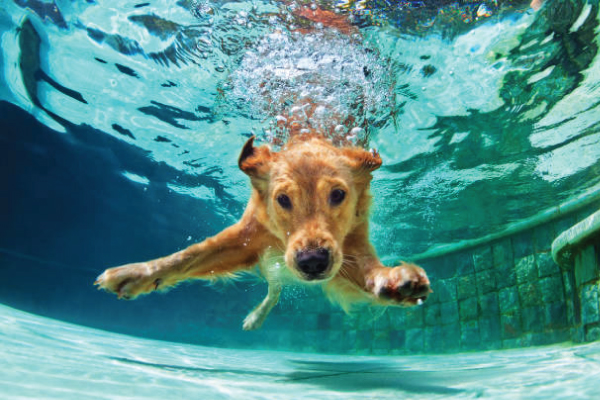
Bath time. For some dogs, it’s a spa-like experience, a refreshing treat. For others, it’s a wrestling match, a muddy ordeal, or a source of profound anxiety. Regardless of your dog’s current disposition towards suds and scrubbing, this handbook is designed to equip you with the knowledge and strategies to transform bath time from a chore into a more pleasant and manageable experience for both of you.
We’ll cover everything from preparation and the actual bathing process to drying and post-bath care, along with tackling common challenges and making it a positive routine.
Chapter 1: The Foundation – Preparation is Key
The secret to a stress-free bath often lies in what happens before the water even turns on. Proper preparation will save you time, frustration, and potential injury.
1.1 Gathering Your Supplies: The Bath Time Arsenal
Having everything within reach is non-negotiable. A frantic search for shampoo mid-scrub is a recipe for disaster.
- Dog-Specific Shampoo: Crucial! Human shampoos have the wrong pH balance for a dog’s skin and can cause irritation, dryness, and coat damage. Choose a shampoo appropriate for your dog’s coat type (e.g., puppy, sensitive skin, de-shedding, medicated).
- Conditioner (Optional but Recommended): For long-haired breeds, a dog-specific conditioner can help detangle, moisturize, and leave their coat soft and manageable.
- Towels: Plenty of them! Microfiber towels are excellent for absorbing water quickly. Have at least two large, absorbent towels ready.
- Brushes/Combs: A good brushing before the bath is essential. This removes loose fur, mats, and debris, making the bathing process easier and preventing tangles from becoming worse when wet.
- Non-Slip Mat: For the tub or shower floor. This is vital for your dog’s safety and confidence. A slippery surface is a major contributor to bath anxiety.
- Cotton Balls (Optional): To gently place in your dog’s ears to prevent water from entering. Be sure to remove them immediately after the bath.
- Treats: High-value treats are your best friend for positive reinforcement.
- Liner/Old Sheet (Optional): To protect your bathroom floor from water and fur.
- Washcloth/Sponge: For gently cleaning the face and around the eyes.
- Lick Mat/Slow Feeder Toy (Optional but Highly Recommended): Smear peanut butter, yogurt, or pureed dog food onto a lick mat and stick it to the tub wall to distract and reward your dog.
1.2 Environmental Setup: Creating a Calm Zone
Your dog picks up on your energy and the environment. Make it as stress-free as possible.
- Choose the Right Location:
- Bathtub: The most common, but can be intimidating. Ensure it’s clean.
- Walk-in Shower: Often easier to maneuver in and out of.
- Wash Basin/Utility Sink: Suitable for smaller dogs.
- Outside: Weather permitting, a kiddie pool or a designated outdoor bathing area can be less intimidating for some dogs.
- Temperature Control: Ensure the bathroom is a comfortable temperature, not too cold or too hot.
- Minimize Distractions: Close doors to other pets, turn off loud appliances, and create a quiet space.
- Water Temperature: Test the water on your wrist. It should be lukewarm – not too hot, not too cold.
1.3 Pre-Bath Grooming: The Crucial First Step
This is often overlooked but makes a world of difference.
- Thorough Brushing: Before the water even touches your dog, brush them thoroughly.
- Remove Loose Fur: This significantly reduces the amount of fur you’ll have to deal with in the drain and during drying.
- Untangle Mats: Wet mats are a nightmare. They tighten and become almost impossible to remove without a painful shave. Gently work out any tangles. If you encounter a severe mat, consider trimming it carefully or seeking professional grooming.
- Check for Fleas/Ticks/Skin Issues: Bath time is a good opportunity to do a quick inspection.
- Trim Nails (Optional but Recommended): If your dog is anxious about nail trims, doing it before the bath can be less stressful than after they’re wet and slippery. However, if your dog associates the nail clippers with stress, perhaps do this on a separate occasion.
Chapter 2: The Bathing Ritual – From Wetting to Rinsing
This is where the action happens. Approach it with patience, positivity, and a gentle hand.
2.1 Introducing the Space: Gradual Acclimation
If your dog is anxious, don’t force them straight into the tub.
- Positive Association: Start by simply letting your dog explore the empty tub or shower with treats and praise.
- Familiarize with the Sounds: Run the water briefly while they are nearby, without bathing them, so they get used to the sound.
- Dry Baths: You can even place them in the dry tub with toys and treats to build positive associations.
2.2 Getting Wet: The Initial Soak
- Use a Gentle Sprayer or Cup: Avoid a harsh, direct blast of water. A hand-held showerhead on a gentle setting is ideal. Start from the paws and work your way up. Some dogs prefer being sprayed from the back first.
- Avoid the Face and Ears: Be very careful around the head. You’ll clean the face separately.
- Keep it Moving: Don’t let the water run constantly while you’re applying shampoo. Turn it off between steps.
2.3 Lather Up: The Shampooing Process
- Dilute Shampoo (Optional): For some shampoos, diluting them with a little water can make them easier to spread and rinse.
- Work it In: Gently massage the shampoo into your dog’s coat, working from neck to tail, including their belly and legs. Use a circular motion.
- Focus on Problem Areas: Pay extra attention to areas that tend to get dirtier, like paws, underarms, and the rear end.
- Face Wash: Use a damp washcloth to gently clean around your dog’s eyes, nose, and mouth. Be extremely careful to avoid getting soap or water directly into their eyes or ears.
2.4 The Thorough Rinse: Removing All Traces of Soap
This is arguably the most critical step after shampooing.
- Rinse, Rinse, Rinse! Inadequate rinsing is a common cause of skin irritation and a dull coat. You should be able to run your hands through their fur and not feel any slipperiness.
- Work from Top Down: Rinse from the neck down, ensuring all shampoo residue is washed away.
- Check Underneath: Lift their legs and check their belly and armpits.
- A Final Rinse: Some recommend a final, cooler rinse to help close the hair cuticles and leave the coat shiny.
Chapter 3: The Drying Phase – Getting Them Cozy and Clean
The drying process can be just as important as the bath itself, especially for certain breeds.
3.1 Towel Drying: The First Line of Defense
- The Squeeze and Blot: Gently but firmly squeeze excess water from their coat with your hands. Then, use your towels to blot and rub their fur.
- Work Systematically: Start from the head and work your way down.
- Shake Off: Most dogs will instinctively shake off water. Stand back (or wear less absorbent clothing!) and let them do their thing. This is a good time to offer praise and a treat.
- Multiple Towels: Don’t be afraid to switch to a dry towel when the first one becomes saturated.
3.2 Air Drying vs. Blow Drying: Pros and Cons
- Air Drying:
- Pros: Easiest, requires no special equipment.
- Cons: Can take a long time, especially for thick-coated breeds. Dogs may get chilled, especially in cooler weather. Can lead to “wet dog smell” lingering for longer.
- Blow Drying:
- Pros: Speeds up the process, can help fluff and detangle coats, reduces the risk of chilling.
- Cons: Some dogs are terrified of the noise and sensation. Requires a dog-specific dryer or a carefully used human dryer.
- If Using a Blow Dryer:
- Dog-Specific Dryer: These are quieter and have adjustable heat settings.
- Human Dryer: Use the coolest setting and keep it moving constantly, never pointing it at one spot for too long. Start on a low speed and distance.
- Acclimation is Key: If your dog is scared, introduce the dryer gradually when it’s off, then turn it on for short bursts while offering treats and praise. Never force it.
- Direction: Blow the air in the direction of hair growth.
3.3 Post-Bath Brushing: The Finishing Touch
- Once Damp or Dry: Once your dog is mostly dry, give them another gentle brush.
- Detangle: Work through any minor tangles that may have formed.
- Fluff the Coat: For some breeds, brushing helps to fluff their coat and give it a nice sheen.
- Final Inspection: Ensure no debris was missed and their skin looks healthy.
Chapter 4: Making it a Positive Experience – Building Trust and Enjoyment
Bath time doesn’t have to be a battle. With the right approach, you can turn it into a positive bonding experience.
4.1 Early Socialization: Start Them Young
- Puppy Baths: Introduce puppies to bathing early and often in a positive and gentle way. Make it a fun experience with plenty of praise and treats.
4.2 Positive Reinforcement: The Power of Rewards
- Treats, Treats, Treats! Use high-value treats throughout the entire process. Reward calm behavior, allowing you to touch them, getting wet, and sitting still.
- Verbal Praise: Enthusiastic praise is just as important. Use a happy, encouraging tone of voice.
- Play and Fun: Incorporate favorite bath toys (water-safe ones, of course!) to make it engaging.
4.3 Gradual Desensitization and Counter-Conditioning
If your dog has a strong negative association with baths, you’ll need to work on this slowly.
- Break it Down: Focus on one small step at a time.
- Step 1: Sit in the bathroom with the door open – reward.
- Step 2: Sit in the bathroom with the door closed – reward.
- Step 3: Go near the tub without touching it – reward.
- Step 4: Touch the tub – reward.
- Step 5: Put a little water in the tub, let them investigate – reward.
- Pair with Positive Experiences: Associate the bath environment and process with good things (treats, toys, calm attention).
4.4 Keep it Short and Sweet (Initially)
- Don’t Overdo It: Especially if your dog is anxious, aim for short, successful sessions rather than a long, drawn-out ordeal. Even a short, positive experience is better than a negative one.
4.5 Read Your Dog’s Body Language
- Signs of Stress: Lip licking, yawning, whale eye (showing the whites of their eyes), tucked tail, panting, trembling, trying to escape.
- If You See These Signs: Back off a step. Go slower. Offer more treats. If they are extremely stressed, it might be best to end the session and try again another day.
Chapter 5: Troubleshooting Common Bath Time Woes
Every dog and owner faces challenges. Here’s how to tackle them.
5.1 The “I Hate Water” Dog
- Non-Slip Surface: Absolutely essential.
- Lick Mat: A game-changer for distraction.
- Gradual Wetting: Start with a damp cloth and work up to a sprayer.
- Positive Reinforcement: Emphasize rewards for any progress.
- Consider Alternatives: For dogs with extreme water phobia, you might consider grooming wipes, dry shampoo, or professional grooming.
5.2 The “Wrestlemania” Dog
- Secure Grip: Use a harness if necessary to gently secure them if they try to bolt. Never pull too hard on a collar.
- Two-Person Job: If possible, have one person gently hold and reassure the dog while the other washes.
- Treat Lure: Keep them focused on the lick mat or treats.
5.3 The “Shake It Off Like a Pro” Dog
- Wear Protection: This is where old clothes and maybe even a raincoat come in handy.
- Containment: After the initial shake, try to towel them off quickly before they get a chance to go for another full-body shake.
- Strategic Toweling: Stand to the side or slightly behind them when they’re likely to shake.
5.4 Ear and Eye Protection
- Cotton Balls: Gently place them in the ears before the bath. Remember to remove them immediately after.
- Washcloth Technique: Use a damp washcloth to gently wipe the face, being careful to avoid the eye and ear canals.
- Dog-Specific Eye Wipes: For cleaning dried discharge.
5.5 “Wet Dog Smell”
- Thorough Rinsing: The primary culprit is lingering shampoo or oils.
- Proper Drying: Ensure they are dried thoroughly.
- Deodorizing Shampoos: Use these sparingly and as directed.
- Regular Brushing: Helps distribute natural oils and remove loose, smelly fur.
Chapter 6: Beyond the Bath: Post-Bath Care and Maintenance
The care doesn’t end when the water is off.
6.1 Keeping Them Warm
- Prevent Chilling: Especially important in cooler weather or for short-haired breeds. Keep them in a warm room until fully dry.
6.2 Grooming Schedule
- Frequency: How often you bathe your dog depends on their breed, coat type, activity level, and skin condition. Over-bathing can strip natural oils.
- Low-Maintenance Coats: Every 2-3 months.
- Active Dogs/Odor Prone: Might need bathing more frequently, perhaps monthly.
- Consult Your Vet: For specific recommendations based on your dog’s health.
- Regular Brushing: Crucial for maintaining coat health between baths.
6.3 When to Seek Professional Help
- Severe Mats: If you can’t safely remove them.
- Skin Conditions: If your dog has persistent skin issues, they might require medicated baths or veterinary treatment.
- Extreme Anxiety: If your dog is truly terrified and you can’t make progress, a professional groomer can often help with desensitization.
Conclusion: Bath Time Mastery Achieved!
Making bath time a breeze is a journey, not a destination. By understanding your dog’s needs, preparing meticulously, employing positive reinforcement, and staying patient, you can transform this often-dreaded task into a more manageable and even enjoyable part of your dog’s care routine. Remember, consistency and a calm demeanor are your most powerful tools. Happy bathing!
#dogbathing #dogbath #caninehygiene #doggrooming #easydogbath #dogbathtime #dogwashing #groomingyourdog #petcare #happydogbath #doglover #doghealth #clean dog #dogcare #dogtips #puppytip #dogshampoo #dog conditioner #dogtools #dogbathinghacks





Add comment