
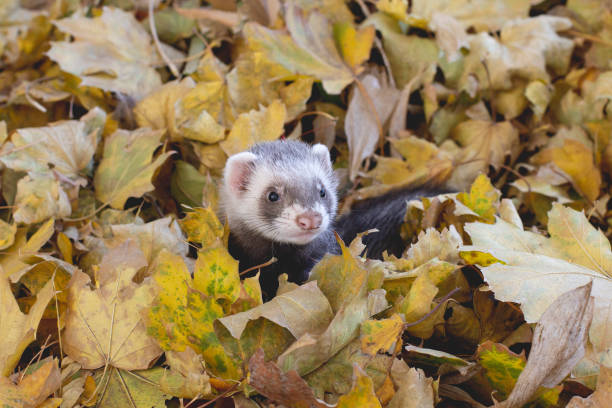
The administration of medication to a sick or elderly ferret is often one of the most stressful experiences a dedicated owner can endure. Ferrets are notoriously intelligent, strong-willed, and possess an exceptional memory for unpleasant sensations. They are masters of evasion, utilizing their flexible bodies, sharp claws, and powerful jaws to resist intervention.
For owners managing chronic conditions such as Insulinoma, Adrenal Disease, or Cardiac issues—which require daily, and often multiple, doses of medication—maintaining a low-stress environment is critical not only for the owner’s sanity but, crucially, for the ferret’s overall health and quality of life. High-stress administration can lead to food aversion, spitting out essential doses, and a breakdown of the trust bond between pet and owner.
This guide delves into the psychological, pharmaceutical, and practical strategies required to transform medication time from a battle into a manageable, and ideally, rewarding routine.
Part I: Understanding the Ferret Psyche and the Challenge
Before discussing techniques, we must acknowledge the opponent: the ferret. Ferrets operate primarily based on scent and taste. If something smells medicinal or tastes bitter, the fight will begin before the medicine even touches their tongue.
1. The Ferret’s Memory and Aversion
Ferrets are highly susceptible to conditioned taste aversion (CTA). If they associate their absolute favorite treat (like salmon oil or a specific paste) with a sudden, bitter taste (medication), they may permanently refuse that treat, complicating future dosage attempts. This means owners must employ precise techniques and, whenever possible, mask the medication so thoroughly that the ferret does not register the therapeutic agent itself.
2. The Stress Factor (Cortisol Cascade)
When a ferret is stressed—whether by being forcefully restrained or by struggling during medication—its body releases cortisol. For ferrets already compromised by disease (especially Insulinoma), severe stress can trigger a hormonal cascade that negatively impacts blood sugar stability, heart rate, and appetite. A successful medication experience is one that minimizes this stress response.
Part II: Preparation: Setting the Stage for Success
The environment, tools, and timing are not secondary considerations; they are the foundation upon which successful medication delivery rests. Rushing or being unprepared guarantees failure.
3. Essential Supplies and Kit Organization
Maintaining a dedicated “Medication Station” prevents frantic searching and ensures consistency.
- Syringes: Use high-quality, pre-lubricated Luer-slip syringes (1ml or 3ml standard). Always have extras. If the ferret is on liquid medication, use a syringe dedicated solely to that medication—do not wash and reuse the same syringe for different drugs unless explicitly instructed.
- High-Value Carriers (The “Trojan Horse”): Ensure a constant supply of the ferret’s favorite flavoring agent (Furo-Vite, Salmon Oil, Duck Fat, etc.).
- The Ferret Burrito (Restraint Cloth): Use a small, thick hand towel (microfiber or terry cloth) specifically for restraint. It should be soft but durable enough to prevent escape.
- Wipes and Water: Keep pet-safe wipes and a small amount of warm water nearby for instant cleanup of spilled medication or bitter residue.
- Precision Scale (Optional but Recommended): For semi-solid medications or pastes where dosage must be precise, a scale accurate to 0.01g is invaluable.
4. Timing, Routine, and Environment
Ferrets thrive on routine. Consistency minimizes anxiety.
- Timing is Critical: If the medication must be given relative to food (e.g., Insulinoma medications must be given with or immediately following a meal), adhere strictly to that schedule. If timing is flexible, choose a period when the ferret is naturally awake and active, but not overly excitable or agitated (often mid-morning or late evening).
- Location, Location, Location: Administer medication in a neutral, quiet space, ideally away from the cage, where the ferret typically enjoys interacting with the owner. Avoid administering in the cage, as this can lead to cage aversion.
- Maintain Composure: Ferrets are acutely sensitive to human anxiety. If the owner is stressed, the ferret will perceive danger. Take a deep breath, move slowly, and speak in calm, low tones.
Part III: Pharmacological Strategy: Modifying the Medication
The easiest way to administer medicine is to make the ferret want to consume it. This requires strategic interaction with the veterinarian and compounding pharmacy.
5. Liquid vs. Pill vs. Transdermal
The form of the medication dramatically impacts delivery ease.
A. Pills and Capsules
Pills must almost always be crushed and mixed. Crucial Warning: Never crush or open time-release (extended-release) capsules or tablets (often marked XR, ER, or SR). Doing so destroys the delivery mechanism and can lead to a toxic overdose. Always check with the prescribing veterinarian about crushing viability.
- Technique for Crushing: Use a dedicated pill crusher or, for small doses, two metal spoons (or the back of two solid glasses) to create the finest powder possible. Any granule remaining will instantly register as bitter and cause rejection.
B. Oral Liquids (Suspensions and Solutions)
Most ferret medications are prescribed as liquids.
- Suspensions: These contain undissolved particles and require vigorous shaking before use (e.g., prednisone, amoxicillin). The medication can settle, leading to inconsistent dosing if not mixed properly.
- Solutions: The drug is fully dissolved, requiring less shaking (e.g., liquid iron supplements).
C. Transdermal Gels (The Last Resort)
Transdermal medications are compounded into a gel that is rubbed onto hairless skin (usually the inner ear or groin). While theoretically stress-free, they have highly variable absorption rates in ferrets. They are typically reserved for ferrets that absolutely cannot tolerate oral medication, but owners must be aware that efficacy may be reduced.
6. The Power of Compounding
Compounding pharmacies specialize in altering medication delivery for pets. This is often the single most effective tool for long-term medication management.
- Flavoring: Request compounding specifically formulated for mustelids or carnivores. Flavors like tuna, pure chicken, liver, or marshmallow are often successful. Avoid fruity flavors.
- Concentration: Ask the compounding pharmacist to maximize the concentration of the drug (e.g., X mg/ml). A higher concentration means the dose is delivered in a smaller volume (0.1 ml instead of 0.5 ml), making concealment easier and faster to administer.
- Suspension Base: Compounded medications often use highly palatable bases (like special syrup or oil) that taste better than standard veterinary liquid bases.
7. Dealing with Bitterness: The Flavor Profile
Certain drugs (like Metronidazole or Clavamox) are incredibly bitter regardless of standard flavoring.
- Fat-Based Masking: Fat molecules tend to encapsulate the bitter drug particles, preventing them from interacting with the ferret’s taste receptors. Salmon oil, duck fat, or even a small dot of pure, high-fat peanut butter (xylitol-free) are excellent encapsulators.
- Sweet Enhancement: While ferrets don’t respond to sucrose like humans, a tiny amount of high-calorie nutritional paste (like Nutri-Cal or Furo-Vite) can override mild bitterness.
- Immediate Follow-Up: If the medication is unavoidable bitter, ensure the next thing that touches the ferret’s tongue is something intensely desirable and sweet/fatty to instantly erase the memory of the bitterness.
Part IV: Delivery Strategies: The Art of Concealment (The Trojan Horse Method)
The concealment method is the lowest-stress option and should always be attempted first, especially for chronic, lower-dose medications.
8. Selecting the Ideal Carrier
The perfect carrier (the “Trojan Horse”) must meet three criteria: it must be irresistible, sticky enough to hold the medication powder/liquid, and small enough that the entire dose is consumed in 1–3 large licks.
| Carrier Type | Advantages | Drawbacks/Notes |
|---|---|---|
| Salmon/Fish Oil | Universal appeal; great for suspending medication; familiar fatty flavor. | Can cause CTA if misused; use small, precise drops. |
| Ferretvite/Furo-Vite | High-calorie, sticky consistency; highly rewarding. | Very sweet; some older ferrets lose interest. |
| Nutri-Cal/Aptibal | Excellent nutritional support for sick ferrets; very adhesive. | Used for survival feeding—must ensure ferret doesn’t associate it with illness. |
| Duck Fat/Lard | Highly palatable, intense animal fat flavor; excellent masking ability. | Can be messy; ensure it’s pure fat (not seasoned). |
| Gerber Meat Baby Food (Stage 1) | Excellent replacement for soup during illness; good for mixing larger volumes. | Not suitable for tiny doses; requires refrigeration. |
9. Execution of the Concealment Method
- Preparation: Draw up the medication or measure the powder.
- Mixing: Place a very small, appropriate amount of the carrier substance (e.g., a pea-sized dot of Furo-Vite, or 3 drops of salmon oil) onto a clean, flat surface (a small ceramic dish or the back of a spoon).
- Incorporation: Add the medication to the center of the carrier and use the syringe plunger or a toothpick to gently fold and blend the medication completely. Ensure no pockets of medicine remain unmasked.
- Presentation: Offer the mixture calmly. Allow the ferret to lick the dose quickly.
- The Chaser: Immediately follow the completion of the dose with a small, separate reward (a tiny piece of high-quality kibble or another dot of pure, unmedicated carrier) to reinforce the positive experience.
10. The Syringe Bait Method (Training Wheels)
If the ferret will lick freely from a syringe tip—which many do if trained from a young age—this is a streamlined concealment method:
- Measure the medication into the syringe.
- Draw up an equal volume (or more) of the masking agent (e.g., salmon oil) immediately after the medication.
- Gently push the plunger forward until the fluid just coats the opening, allowing the ferret to lick it freely. The ferret should consume the medicated middle layer before realizing the contents.
Part V: Oral Administration: The Direct Approach (When Concealment Fails)
For critical medications, large volumes, or when the ferret refuses all carriers, direct oral administration is necessary. The goal is speed, precision, and minimizing physical struggle.
11. The Ferret Burrito: Restraint Technique Mastery
Restraint is necessary to prevent injury, ensure the full dose is given, and minimize the time the ferret spends struggling.
A. The Towel Wrap
- The Setup: Lay a thick hand towel flat. Place the ferret onto the towel lengthwise, oriented toward the middle.
- The Tuck: Quickly wrap one side of the towel firmly over the ferret’s back and tuck it underneath the opposite side.
- The Cinch: Wrap the opposite side over the first fold. The ferret’s body should be snug and secured, immobilizing the legs and tail.
- Head Access: Only the ferret’s head, neck, and shoulders should protrude from the top.
B. The Grip and Scruff
While some owners prefer a supportive cradle, the traditional scruff-and-support technique provides the greatest control and triggers the ferret’s inherent “submissive yawn,” making the jaw marginally easier to open.
- Secure the Head: With the non-dominant hand, gently but firmly grasp the loose skin (the scruff) behind the ferret’s neck. Lift slightly.
- Jaw Access: As the ferret relaxes and possibly yawns, use the thumb and index finger of the same hand to support the head, gently pushing the cheeks inward to apply pressure to the side of the mouth (behind the canine teeth). This usually prompts the ferret to open its mouth slightly.
12. Syringe Insertion and Dosage Control
The angle and speed of administration are paramount to prevent aspiration (getting medication into the lungs) and spitting.
- Insertion Point: Do not aim down the center of the throat. Insert the tip of the syringe into the cheek pouch (the space between the molars and the inner cheek).
- Angle: The syringe should point diagonally backward, away from the throat and toward the back molar.
- Slow and Steady Dosing: Dispense the medication extremely slowly—one small drop at a time, allowing the ferret to swallow between drops.
- Monitoring Swallowing: Watch the ferret’s throat (the larynx) to confirm a visible swallow reflex before dispensing the next drop. The ferret should not be able to store the liquid in its mouth.
- Completion: Once the dose is administered, hold the head gently for 2–3 seconds and ensure a final swallow. Quickly follow with the positive reward/chaser.
Part VI: Managing Specific Medication Challenges
Some medications and administration routes require specialized techniques.
13. High-Volume Dosing (e.g., Fluids, Supplements)
If the ferret requires a large volume (over 1 ml), attempt to separate the dose into two or three smaller administrations (e.g., 0.5 ml doses, 30 seconds apart), with a small, highly rewarding carrier given between each micro-dose. This prevents the large volume from overwhelming the ferret or being immediately spit out.
14. Eye Drops and Ophthalmic Ointments
Ferrets often resist eye medication fiercely.
- Setup: Use the burrito wrap. Ensure the head is stabilized.
- Application: Approach the eye from behind the head, not the front. Approaching from the front triggers a defensive blink.
- Drops: Gently pull the lower lid open and drop the medication into the pocket formed by the lower lid.
- Ointment: Apply a small ribbon directly onto the eyeball surface or the inner lower lid.
- Post-Application: Allow the ferret to blink to spread the medication. Release the ferret and give the immediate reward.
15. Ear Drops and Cleaning
Ear medication is often required for mites or bacterial infections. Ferrets may shake their heads violently, so strong restraint is necessary.
- Restraint: Fully burrito-wrap the ferret.
- Application: Lift the ear flap (pinna) straight up and gently insert the nozzle of the medication container into the opening of the ear canal.
- Massage: Dispense the prescribed number of drops, then gently massage the base of the ear (the cartilage) for 10–15 seconds. This helps move the medication deep into the canal and often creates a satisfying squishing sound.
16. Injectable Medications (Owner Administered)
Some chronic diseases (e.g., certain forms of adrenal disease or long-term fluid therapy) require subcutaneous (SC) or intramuscular (IM) injections administered by the owner. This requires strict training and certification by the veterinarian.
- Subcutaneous (SC) Injection: Used for fluids or slow-releasing medications.
- Technique: Grasp a generous tent of skin over the shoulders or scruff area. Insert the needle at a 45-degree angle, ensure the tip is under the skin but not into the muscle, aspirate (pull back slightly on the plunger) to confirm no blood vessel has been hit, and slowly inject.
- Post-Injection: Immediately reward the ferret with a favorite treat during or immediately after the needle is removed.
Part VII: Psychological Management and Aversion Control
Long-term success depends on mitigating the ferret’s negative association with the routine.
17. Desensitization and Positive Reinforcement
The environment and tools must become normal and positive cues, not triggers for panic.
- The Syringe as a Treat Dispenser: When not administering medicine, use the syringe to deliver favorite treats (pure soup, salmon oil) in the neutral location. This teaches the ferret that the sight of the syringe does not automatically mean bitterness or struggle.
- Pre-Medication Cue: Establish a distinct, pleasant verbal cue (e.g., “Meds Time!”) or a sound cue (e.g., clicking a specific container). Repeat this cue immediately before offering the positive reward. This shifts the ferret’s anticipation toward the reward, not the struggle.
- Post-Medication Ritual: The second the medication ritual is complete, the ferret should be rewarded intensely. This reward should be unique and reserved only for medication time (e.g., a short play session, a bite of a favorite, high-value food, or 30 seconds of scruff scratching).
18. Handling Medication Refusal and Spitting
If the ferret spits out the dose, there is an immediate decision point.
- Partial Dose: If the ferret clearly consumed most of the dose but spit out a small amount, assess the medication. For non-critical drugs (supplements), do not re-dose immediately, as repeating the struggle will dramatically increase stress. For critical drugs (insulin, cardiac meds), you must attempt a partial re-dose.
- Full Refusal: If the ferret spits the entire dose out, give a 15-minute break. Clean the ferrets mouth residue immediately. Attempt the dose again, using a different delivery method (e.g., switch from concealment to direct administration).
- Severe Aversion: If refusal persists and leads to aggression or panic, contact the vet. The current form or delivery method is unsustainable and may require changing the drug base via compounding.
Part VIII: Troubleshooting Advanced Scenarios and Owner Self-Care
19. The Sick Ferret and Appetite Loss
When a ferret is severely ill, appetite is often diminished, making concealment impossible.
- Prioritize Calories: If the ferret refuses the medicated food, ensure you are still getting calories into them via soup feeding (A/D, Carnivore Care, or specific liquid diets) separately from the medication time.
- Smallest Volume: For ill ferrets, the direct syringe method with the highest possible concentration (smallest volume) is preferred to avoid overwhelming their already weakened system.
- Anti-Nausea Support: If the ferret is refusing medication due to generalized nausea (common in kidney failure or advanced cancer), discuss veterinary prescription of anti-nausea medications (like Cerenia/Maropitant) to be given an hour before the medication window.
20. Managing Multiple Medications
Many sick ferrets receive 2, 3, or even 4 different medications (e.g., Prednisolone, Melatonin, Cardiac support).
- Separate Administration: Never mix medications unless specifically instructed by the pharmacist. Drug interactions or physical separation (one drug being oil-based, another water-based) can ruin the mixture and dosage accuracy.
- Sequential Dosing: Give one medication completely, clean the palate with a tiny drop of water or chaser, and then immediately give the second. Use different carriers for different drugs if possible to prevent complex CTA.
- Prioritization: If a ferret is struggling severely, prioritize the most critical medications first.
21. Recognizing and Preventing Aspiration
Aspiration pneumonia is a severe, life-threatening risk when administering liquid oral medication.
- Symptoms: Coughing, sputtering, liquid coming out of the nose, difficulty breathing (dyspnea), blue gums (cyanosis).
- Prevention: Always administer liquids slowly, drop-by-drop. Never tilt the ferret’s head back severely, which opens the airway. If aspiration is suspected, stop immediately and seek veterinary attention.
22. Owner Burnout and Compassion Fatigue
Caring for a chronically sick ferret and managing daily medication is emotionally taxing.
- Delegate When Possible: If you live with others, alternate medication shifts to prevent one person from becoming the sole focus of the ferret’s anxiety.
- Mental Breaks: If the ferret is overly distressed, taking a short, supervised time-out (no more than 30 minutes) before attempting the dose again can reset both the owner and the animal.
- Accept Imperfection: It is inevitable that some doses will be partially rejected. Accept that perfection is impossible and focus on consistency and overall quality of life. The goal is 80–90% successful doses, not 100% struggle.
Conclusion: Empathy and Commitment
Medication time for a sick or elderly ferret is a profound act of dedication. The key to long-term success lies in adopting a mindset of empathetic control: firm, secure handling combined with irresistible positive reinforcement. By understanding the ferret’s aversion mechanisms, utilizing pharmaceutical compounding, and establishing precise, low-stress routines, owners can ensure that their cherished companion receives the necessary care while preserving the vital bond of trust and maintaining their dignity in their final, precious years.
#ferretcare #ferretmeds #sickferret #ferretlife #mustelidlove #ferretmom #ferretdad #ferretvet #veterinarycare #petmedication #adrenaldisease #insulinomawareness #ferretburrito #petcareguide #seniorpets #exoticpets #ferrettips #medicationtips #ferrethealth #exoticvetmed



Add comment