
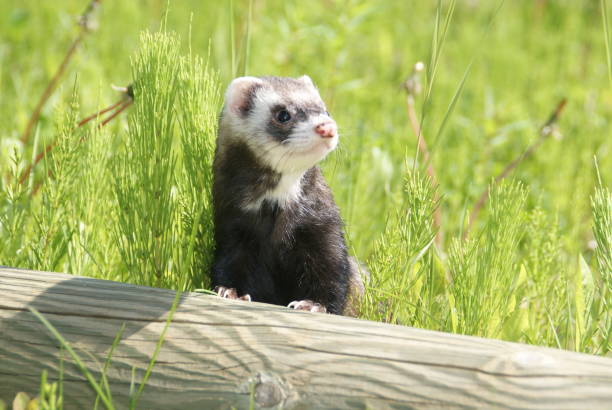
Ferrets (Mustela putorius furo) are charming, mischievous, and highly intelligent companion animals that have captivated owners for centuries. Before bringing one of these playful creatures—collectively known as a “business”—into the home, a potential owner must understand the profound differences driven by sex hormones.
Choosing between a male (hob) and a female (jill) ferret is perhaps the most significant decision impacting their physical care, veterinary needs, scent management, and overall temperament throughout their life. This guide provides an exhaustive analysis of the distinctions between hobs and jills, particularly emphasizing the critical biological differences that necessitate mandatory spaying or neutering.
Part I: Defining the Terminology and Historical Context
To discuss ferret biology accurately, specific terminology is essential:
| Term | Definition |
|---|---|
| Hob | An intact (unneutered) adult male ferret. |
| Jill | An intact (unspayed) adult female ferret. |
| Gib | A neutered adult male ferret. |
| Sprite | A spayed adult female ferret. |
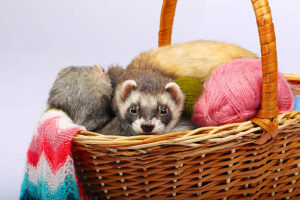
| Business | The proper collective noun for a group of ferrets. |
Historical Context: Ferrets are domesticated descendants of the European polecat. Historically, they were essential working animals, prized for their ability to flush rabbits out of burrows (ferreting). Sex differences were leveraged for specific tasks: Hobs, being larger and stronger, were sometimes preferred for tackling larger prey or navigating rougher terrain, while Jills were valued for their smaller size, allowing them access to tighter spaces. This historical working context solidified the observable physical distinctions we see today.
Part II: Anatomy and Physical Sexual Dimorphism
The physical differences between hobs and jills are the most immediate and stark distinguishing features, a phenomenon known as sexual dimorphism.
1. Size and Weight
The sheer difference in mass between the sexes is often the first thing noticed.
- Hobs (Males): Are significantly larger, longer, and stockier than jills. They often possess a broad, blocky skull and a muscular neck.
- Weight Range (Altered): Typically 1.5 to 3.5 pounds (700g to 1,600g). Intact hobs in the rut can temporarily exceed this, sometimes reaching 4 pounds due to hormonal swelling and fat storage.
- Body Length: Easily 16 to 24 inches (40 to 60 cm), including the tail.
- Jills (Females): Are notably smaller, slenderer, and more agile. They have a finer bone structure and a relatively narrow, pointed skull.
- Weight Range (Altered): Typically 0.75 to 2.5 pounds (350g to 1,100g).
- Body Length: Usually 13 to 18 inches (33 to 46 cm), including the tail.
The size disparity means that accessories, such as harnesses and specialized enrichment toys, may need to be sex-specific, particularly small, snug tubes designed for jills that would be inaccessible to large hobs.
2. Anatomical Markers (Intact Animals)
The gender of a kit (baby ferret) is determined by examining the distance between the anus and the genital opening, similar to cats.
- Hobs: The penile sheath is located centrally on the abdomen, resembling a belly button, far removed from the anus. Intact hobs possess prominent, oval testes that descend into the scrotum, becoming especially noticeable during the breeding season (the Rut).
- Jills: The vulva is located very close to the anus, resembling a tiny slit. When a Jill is in estrus (heat), the vulva will swell dramatically, often becoming pink or red and noticeably protruding—a crucial visual cue for owners regarding her hormonal status.
3. Musculoskeletal Differences
Beyond general size, the physical structure reflects their biological roles:
- Hob Bone Density and Muscle Mass: Hobs possess denser bones and significantly greater muscle mass, particularly in the shoulders and jaws. This muscularity contributes to their powerful scent marking rituals and their characteristic “ferret war dance” (the Dooking Dance), which, in Hobs, can sometimes appear more physically robust and rough-and-tumble.
- Jill Agility and Flexibility: Jills maintain a higher degree of flexibility and a more streamlined silhouette, enabling superior maneuverability, which historically made them excellent for navigating narrow, winding burrows.
Part III: Reproductive Biology and Hormonal Extremes (The Critical Distinction)
The reproductive biology of ferrets is highly specialized and presents the most significant care challenge, making alteration (neutering/spaying) a mandatory procedure for virtually all companion ferrets.
A. The Hob in Rut
The breeding season for ferrets is seasonally dependent, typically lasting from early Spring through late Fall (February to September in the Northern Hemisphere).
1. Physical Manifestations: When a hob enters the Rut, his hormonal output skyrockets, leading to undeniable changes:
- Testicular Swelling: The testes descend and swell dramatically.
- Intense Musk: The Hob’s odor glands (sebaceous glands, not the anal glands) secrete an overwhelming, pungent, musky odor that can permeate carpets, fabrics, and even wood. This odor is testosterone-driven and acts as a powerful territorial marker.
- Coat Changes: The coat often becomes coarse, oily, and yellow-tinged, particularly on the back and neck, due to the overproduction of sebaceous oils.
2. Behavioral Shifts: The testosterone surge transforms the hob’s demeanor, often temporarily diminishing the playfulness prized in pet ferrets:
- Territorial Aggression: Hobs in the rut become highly territorial, marking their cage and surroundings repeatedly. They may exhibit aggressive behavior toward other male ferrets, particularly unaltered ones, potentially leading to serious fights.
- Nipping and Biting: Biting and aggressive nipping, especially targeting the necks of other ferrets or human hands (mistaken for a mate’s scruff), increases dramatically.
- Vocalization: They may become more vocal, emitting deeper, rumbling vocalizations rather than the normal “dooking.”
3. The Solution: Neutering (Gibs) Neutering a hob (creating a gib) eliminates the rut, resulting in:
- The overwhelming musk odor dissipating significantly (though not entirely, as ferrets still possess general musk glands).
- The aggressive, territorial behavior ceasing.
- The animal reverting to its smaller, more playful, and manageable size.
B. The Jill in Estrus and the Danger of Aplastic Anemia
While the hob’s rut is challenging, the jill’s estrus cycle is medically dangerous if left unaddressed.
1. The Mechanics of Estrus: Ferrets are “induced ovulators,” meaning they only release eggs after copulation. If a jill enters estrus (heat) and does not mate, she remains continuously receptive until the breeding season ends.
2. The Critical Danger: Hyperestrogenism (Aplastic Anemia): The continuous circulation of high levels of estrogen due to prolonged estrus is toxic to the jill’s body, leading to a potentially fatal condition known as Hyperestrogenism or Estrogen-Induced Aplastic Anemia.
- Mechanism: High estrogen levels actively suppress the bone marrow’s ability to produce essential blood components: red blood cells (leading to anemia), white blood cells (leading to immune suppression), and platelets (leading to clotting disorders).
- Symptoms: Early signs include lethargy, pale gums, and bilateral, symmetrical hair loss often starting at the tail base. As the condition progresses, pinpoint bleeding (petechiae), severe weakness, and secondary infections set in.
- Outcome: If estrus is not broken (either through mating, veterinary intervention, or spaying) within a few months, the condition becomes critical and often requires intensive and costly veterinary care, including blood transfusions, or leads to death.
3. The Solution: Spaying or Hormone Management (Sprites) Due to the extreme risk inherent in the jill’s biology, spaying (creating a sprite) is not merely preferred but mandatory for pet ownership.
- Spaying (Ovariohysterectomy): This eliminates the ovaries, removing the source of the dangerous estrogen cycle entirely.
- Chemical/Hormonal Management: For jills where surgery is problematic, or in situations where owners want to delay spaying, GnRH agonist implants (like Deslorelin) are commonly used. These implants temporarily suppress the reproductive hormones, safely ending the estrus cycle for 1–4 years, effectively preventing Aplastic Anemia without surgery.
Part IV: Behavioral and Temperament Differences
While individual variation always exists, sex-linked hormones and size influence general behavioral trends significantly.
1. Play Style and Interaction
- Hobs/Gibs (Males): Tend to prefer rougher, more physical play. They engage in wrestling and “power dragging” toys. When playing with other ferrets, they utilize their size advantage, often pinning smaller partners. Their play can sometimes be mistaken for aggression by inexperienced owners, but their characteristic “dooking” during these scuffles confirms it is play.
- Jills/Sprites (Females): Generally exhibit a faster, more acrobatic, and agile style of play. They are excellent at quick, darting runs and prefer hunting-style games (chasing small objects). While they wrestle, their interactions are often quicker and less dominated by sheer brute force than the hobs’.
2. Affection and Bonding
The stereotype often holds that jills are slightly more independent, while hobs are often described as “big, goofy lap dogs.”
- Hobs/Gibs: Once maturity is reached and hormones are stable (post-neutering), many hobs become extremely affectionate. They often enjoy longer periods of cuddling, are comfortable being held loosely, and are renowned for their deep, restorative sleep periods (the “ferret coma”) during which they are less restless than jills.
- Jills/Sprites: Jills are affectionate but often on their own terms. They tend to be more active, and while they may seek cuddles, these sessions are often shorter, as their natural curiosity urges them back to exploration faster than the hobs. They are sometimes noted for being more emotionally attuned to their owner’s moods.
3. Trainability and Intelligence
Ferrets of both sexes are highly intelligent and capable of litter box training and rudimentary trick learning, but their approach may differ.
- Jills: Due to their slightly higher energy and attention levels, jills sometimes pick up behavioral training (like “no biting” or responding to a clicker) marginally faster. They are quick to associate cause and effect.
- Hobs: Hobs are equally trainable but may require more repetitions, often pausing to assert their presence or simply falling asleep mid-lesson. They excel in tasks requiring focus and persistence, such as complex puzzle feeders.
4. Multi-Ferret Group Dynamics (The Business)
Introducing new ferrets or managing a large group (a Business) requires consideration of sex and neuter status.
- Mixed Groups (Gibs and Sprites): A harmonious business is usually composed of altered animals. While size differences exist, they rarely lead to conflict. A large gib often serves as a gentle, calming presence, while the sprites maintain a high level of environmental vigilance.
- Same-Sex Groups: Female-only groups (sprites) tend to be cohesive and hierarchical, often cooperating in play and sleeping piles. Male-only groups (gib) can be highly affectionate but may have more pronounced dominance displays, though these are typically resolved without serious injury once neutered.
Part V: Scent Management and the Debate Over Descenting
All ferrets possess a musky odor derived from sebaceous skin glands and, secondarily, the anal scent glands used for defense or marking. However, the intensity is vastly different between the sexes and alteration statuses.
1. The Hob Musks (Intact vs. Altered)
- Intact Hobs: The odor is overwhelmingly potent, oily, and hormonal. It is often described as ammonia-like and permeates any enclosed space rapidly. The scent serves as a critical territorial marker and is unacceptable in most domestic settings.
- Neutered Gibs: The hormonal musk disappears completely. The gib’s scent profile is reduced to the baseline ferret musk—a mild, sweet, or cereal-like smell derived solely from the sebaceous glands. Gibs tend to have a slightly stronger baseline scent than sprites simply because they have more surface area and more active skin glands overall due to their greater size.
2. The Jill Musks (Intact vs. Altered)
- Intact Jills (in estrus): While less overwhelming than the rutting hob, the jill develops a distinctive, sharp, hormonal smell during peak estrus.
- Spayed Sprites: Sprites have the mildest overall scent profile. Their small size and lack of sex hormones minimize sebaceous gland activity, making them generally the least odorous ferret choice.
3. The Myth of Descenting
A common practice in the pet trade is descenting (surgical removal of the anal glands). It is critical to understand its implications for odor management:
- Anal Glands vs. Sebaceous Glands: Ferrets use their anal glands only when extremely frightened, threatened, or excited (similar to a skunk, though far less potent and faster dissipating). They do not use these glands for general scent marking.
- The Main Source of Odor: The characteristic ferret odor comes entirely from the sebaceous glands in the skin, which secrete the oils that coat the fur.
- Conclusion: Descenting is a cosmetic procedure that effectively removes a defense mechanism but does absolutely nothing to mitigate the day-to-day musk of the ferret. Proper management of daily scent relies on neutering and regular bedding changes.
Part VI: Health, Veterinary Care, and Sex-Linked Disease Risks
While both sexes are susceptible to common ferret ailments (e.g., Insulinoma, Lymphoma), certain conditions are either directly tied to or exacerbated by sex hormones and sex organs.
1. Adrenal Gland Disease (Hyperadrenocorticism)
This is the most common endocrinopathy in North American ferrets, resulting from tumors or hyperplasia of the adrenal glands, leading to an overproduction of sex hormones (even in altered animals).
- Sex Prevalence: While both sexes are affected, jills/sprites have historically been reported to have a slightly higher incidence of severe clinical signs, often due to the greater physiological stress the hormone imbalance places on their smaller bodies.
- Symptoms: The telltale signs are progressive, bilateral hair loss, vulvar swelling (even in spayed females), and increased aggression (especially in males).
- Hormones and Alteration Link: Early surgical alteration (spaying/neutering the animal before 6 months of age) has been theoretically linked to disrupting the hypothalamus-pituitary-gonadal axis, which may subsequently trigger the adrenal glands to overcompensate. This is one reason why many veterinarians now recommend chemical sterilization via implants.
2. Sex-Specific Reproductive Cancers
- Jills: Unspayed jills are at risk for ovarian cysts and uterine tumors, though the far greater risk of Aplastic Anemia usually means these are rarely seen in domestic pets, as alteration is preventative.
- Hobs: Intact hobs are susceptible to testicular cancer. Neutering is entirely preventative.
3. Urinary Tract Differences
- Hobs/Gibs: Male ferrets (especially gibs) have a distinctive J-shaped urethra. This curvature makes them highly susceptible to urinary obstruction if bladder stones or thick, gravelly sediment form. Obstruction is a life-threatening emergency requiring immediate veterinary care.
- Jills/Sprites: While susceptible to bladder stones, the female’s shorter, wider, and straighter urethra makes complete obstruction less common. They are more likely to experience chronic bladder infections (cystitis).
Part VII: Management and Lifestyle Decisions
Choosing between a hob and a jill should ultimately align with the owner’s lifestyle and tolerance for specific maintenance needs.
1. Housing and Environment
- Hobs/Gibs: Due to their size, hobs require larger sleeping spaces, roomier hammocks, and particularly large litter boxes. If using a cage with multiple levels, ensure the ramps and access points are wide enough for their stockier frames.
- Jills/Sprites: Their smaller size allows them to squeeze into tighter spots, necessitating very thorough ferret-proofing. Their quickness also means they require more intense observational time outside the cage to prevent accidental escape or injury.
2. Cost of Ownership (Initial and Long-Term)
- Initial Costs: If purchasing an intact animal (common from specialized breeders), the cost of neutering a hob or spaying a jill is comparable, though spaying a jill (full ovariohysterectomy) is a major abdominal surgery and often slightly more expensive than neutering a hob.
- Long-Term Medical Costs:
- Jills/Sprites: The cost of managing Aplastic Anemia in an emergency (if an intact jill owner neglects spaying) is astronomical and often fatal. Sprites are also the primary candidates for complex hormonal disease management (Adrenal Disease implants).
- Hobs/Gibs: While also susceptible to Adrenal Disease, their primary unique emergency expenditure may relate to urinary blockage if they develop stones.
3. Matching Temperament to Owner
- If the owner desires a relaxed, dedicated cuddle partner that is less prone to sudden bursts of activity: A neutered Hob (Gib) is often the ideal choice. They are forgiving, robust, and enjoy long periods of rest.
- If the owner desires a lively, quick, and highly interactive partner that excels in short, intense bursts of play: A spayed Jill (Sprite) is usually the better match. They are often more curious and require constant environmental stimulation.
- If scent is the absolute primary concern: A Sprite will typically have the lowest musky odor profile.
Conclusion
The differences between male and female ferrets are far more pronounced than in many other domestic pets. They are not merely cosmetic; they dictate critical veterinary care protocols and influence the daily management of the pet.
While Hobs (males) bring substantial size, strength, and a goofy, loving temperament, they also introduce the pronounced musk and behavioral difficulties of the Rut if unaltered. Jills (females) bring agility, slight behavioral quickness, and a smaller profile, but carry the severe, life-threatening risk of Aplastic Anemia if not spayed or chemically managed.
In the companion setting, the vast majority of ferrets are, and must be, surgically or chemically altered (Gibs and Sprites) to ensure health and manageability. Once altered, both sexes embody the curious, playful, and deeply affectionate nature that makes the ferret a beloved companion animal. Understanding these fundamental sex differences is essential for providing responsible, lifelong care.
#Ferrets #FerretCare #HobsAndJills #GibsAndSprites #FerretLife #PetFerrets #FerretLove #ExoticPets #FerretHealth #AplasticAnemia #FerretFacts #HobVsJill #MustelaPutoriusFuro #FerretReproduction #Ferret101 #ChoosingAFerret #FerretMom #FerretDad #FerretsOfInstagram #ComprehensiveFerretGuide
Add comment