
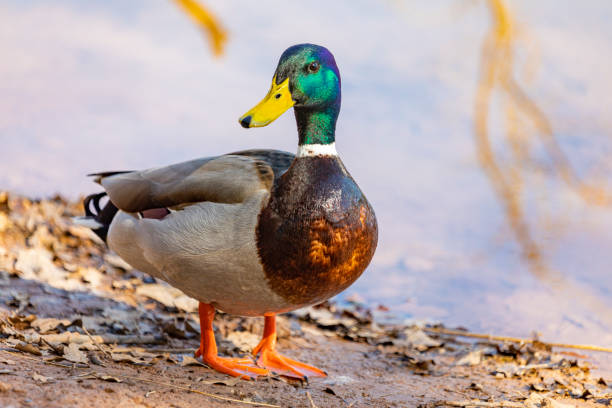
The Mallard duck (Anas platyrhynchos) is one of the most widely recognized and widespread duck species in the world. As a member of the Anatidae family, it is considered the ancestor of most domesticated duck breeds. Native to the temperate and subtropical regions of the Americas, Eurasia, and North Africa, the mallard thrives in a variety of aquatic habitats, including marshes, ponds, lakes, rivers, and even urban water bodies.
Known for its adaptability and resilience, the mallard is both a wild species and a common subject in waterfowl hobby farming, conservation projects, and educational programs. While it is primarily associated with wild populations, domesticated mallards have been bred for egg and meat production, ornamental purposes, and as flock enhancers.
This guide explores every essential aspect of the mallard duck—from its physical features to its behavioral tendencies and environmental impact—making it an authoritative resource for beginners and advanced waterfowl keepers alike.
Other Names & Synonyms
The mallard duck goes by various names depending on geographical location, cultural recognition, and taxonomic classification. Some of the most common synonyms and alternate names include:
- Green-headed duck (refers to the male’s distinctive head color)
- Wild duck (common term used in rural and hunting communities)
- Northern mallard
- Pintail (note: not to be confused with the actual Pintail duck)
- English mallard
- Daffy duck (informal, pop culture reference due to the cartoon character based on mallard traits)
- Anas platyrhynchos (scientific name)
In different parts of the world, local names may include:
- Canard colvert (French)
- Stockente (German)
- Ánade real (Spanish)
Despite naming variations, all refer to the same fundamental species, though domestic variants may exhibit slight differences in size or coloration.
Primary Breed Purpose
Mallards are not typically bred for commercial purposes like Pekin or Muscovy ducks, but they serve multiple roles depending on the context:
- Wildlife Conservation & Biodiversity: As a keystone species in wetland ecosystems, mallards contribute to seed dispersal, nutrient cycling, and population control of insects and aquatic invertebrates.
- Hobby Farming & Ornamental Use: Many homesteaders and landowners maintain mallards for their aesthetic value, peaceful demeanor, and ability to integrate into natural pond settings.
- Educational & Research Purposes: Due to their widespread presence and ease of observation, mallards are used in biological and ecological studies on migration, behavior, and evolution.
- Feral Population Management: In urban areas, controlling mallard populations is crucial due to overpopulation in parks and water bodies.
- Hunting & Sport: In regulated environments, mallards are one of the most sought-after game birds, especially during waterfowl hunting seasons.
- Genetic Stock: Domesticated ducks often trace their lineage back to mallards, making them valuable in breeding programs aimed at improving hardiness and diversity.
While mallards are not the top choice for intensive meat or egg farming, their ecological and cultural significance makes them indispensable in multiple domains.
Physical Characteristics
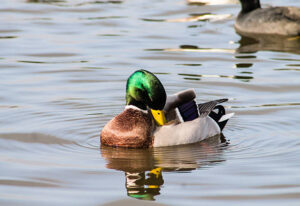
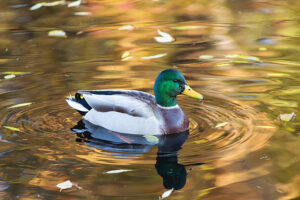
Mallards exhibit strong sexual dimorphism, meaning males (drakes) and females (hens) have distinctly different appearances.
Male (Drake) Appearance:
- Head: Metallic green with a white neck ring
- Breast: Rich chestnut brown
- Back & Wings: Grayish-brown with a distinctive blue speculum (wing patch) bordered by white and black
- Bill: Yellowish-green
- Legs & Feet: Orange to reddish-orange
- Posture: Often carries tail slightly curled upward
Female (Hen) Appearance:
- Plumage: Mottled brown with darker barring, providing excellent camouflage
- Speculum: Same blue patch as drake but less vibrant
- Bill: Orange to mottled brown
- Overall Look: Subdued appearance, resembling other female dabbling ducks
Both sexes are medium-sized waterfowl, with adults measuring approximately 50–65 cm (20–26 inches) in length and a wingspan of 80–100 cm (31–39 inches). The blue speculum is a key identifying feature, visible in flight or when wings are spread.
Weight & Growth Curve
Mallards are smaller than domesticated breeds like Pekins but robust for wild ducks:
- Average Adult Weight:
- Drakes: 1.0–1.4 kg (2.2–3.1 lbs)
- Hens: 0.8–1.2 kg (1.8–2.6 lbs)
Growth Curve:
- Day 1 (Hatch): ~40–50 grams
- Week 1: 150–200 grams
- Week 2: 300–400 grams
- Week 3: 500–650 grams
- Week 5–6 (Fledging): 800–1000 grams (near adult size)
- Week 8–12 (Sexual Maturity): Full adult weight and plumage
Hatchlings grow rapidly, fueled by a high-protein diet. By 6–8 weeks, they develop flight feathers and begin short flights. Sexual maturity is reached at 6–7 months, though some individuals may breed earlier in optimal conditions.
Wild mallards grow slightly slower than those with supplemental food, but their development is adapted for survival in natural environments.
Climatic Tolerances
Mallards are remarkably adaptable, inhabiting regions from subarctic tundras to subtropical wetlands.
Temperature Range:
- Cold Tolerance: Can withstand temperatures as low as -30°C (-22°F) with access to unfrozen water and shelter.
- Heat Tolerance: Handles up to 35–40°C (95–104°F) with shade, water access, and proper ventilation.
Seasonal Adaptability:
- Winter: Retain insulating down feathers and huddle for warmth. Many populations migrate to avoid frozen water sources.
- Summer: Require cool shade, shallow water for bathing, and high-water intake to regulate body temperature.
Humidity & Precipitation:
- Thrive in humid, rainy climates due to natural wetland preferences.
- High humidity supports feather health and reduces dehydration risks.
In captivity, providing climate-appropriate housing with access to water is essential for Mallard well-being. They adapt well to temperate zones but need winter protection in extreme cold.
Reproduction & Egg Production
Mallards are prolific breeders with distinct seasonal patterns.
Breeding Season:
- Peaks from March to June in the Northern Hemisphere.
- Triggered by increasing daylight (photoperiod) and warmer temperatures.
Mating Behavior:
- Males perform elaborate courtship displays, including head-bobbing, tail-wagging, and vocal calls.
- Hens choose mates based on plumage quality and display vigor.
- Monogamy is observed during the breeding season, but extra-pair copulations are common.
Nesting & Incubation:
- Nests are built on the ground near water, often hidden in tall grass or shrubs.
- Hens lay 8–13 creamy white to pale green eggs per clutch.
- Incubation lasts 26–30 days, solely by the female.
- Ducklings hatch synchronously, are precocial (mobile from birth), and leave the nest within 24 hours.
Egg Production:
- In the wild, hens typically produce one clutch per year.
- Under managed conditions with supplemental feeding, some hens may lay a second clutch.
- Annual egg output: 60–80 eggs per female (though actual reproductive success varies due to predation and environment).
Eggs are slightly larger than chicken eggs and have a thicker shell. They are edible and nutritionally rich but not typically harvested commercially.
Flying Ability
Mallards are strong and agile fliers, a critical adaptation for migration and predator evasion.
- Flight Speed: 40–65 km/h (25–40 mph)
- Migration Distance: Some populations travel over 2,000 km (1,200 miles) during seasonal movements.
- Altitude: Can fly at 2,000–6,000 meters (6,500–20,000 ft) during migration.
- Wingbeat Frequency: Approximately 10 beats per second.
Domesticated mallards retain flight capability, unlike heavier breeds such as Pekins. To prevent escape:
- Wing clipping (one wing) is commonly practiced.
- Enclosures with netting are recommended for containment.
Young ducks begin testing flight around 6–8 weeks of age, with full flight achieved by 10–12 weeks.
Breed History & Origin
The mallard has a long evolutionary history, with fossil evidence suggesting origins over 2 million years ago during the Pleistocene epoch.
- Geographic Origin: Widely distributed across the Northern Hemisphere.
- Domestication: First domesticated in China and the Mediterranean region over 2,000 years ago.
- Genetic Influence: Served as the genetic foundation for many domestic duck breeds, including Rouen, Runner, and Call ducks.
Despite domestication, wild mallards interbreed freely with domestic and feral populations, leading to hybridization concerns in conservation.
The species’ scientific name Anas platyrhynchos derives from Latin and Greek roots:
- Anas = duck
- Platyrhynchos = “broad bill”
Its evolutionary success lies in adaptability, omnivorous diet, and reproductive efficiency.
Life Expectancy
Lifespan varies drastically between wild and captive mallards.
- Wild Mallards: 3–5 years on average; high mortality in first year due to predation, disease, and environmental hazards.
- Captive/Managed Mallards: 8–10 years with proper care.
- Maximum Recorded Lifespan: Up to 27 years in protected environments (zoos, sanctuaries).
Key factors influencing longevity:
- Predation risk
- Access to clean water and food
- Disease exposure
- Human interaction (hunting, pollution)
Reducing stressors and providing a safe habitat significantly improves survival rates.
Common Health Issues
Despite hardiness, mallards are susceptible to several health problems.
Bacterial & Viral Infections:
- Duck Plague (Duck Virus Enteritis): Highly contagious; causes internal bleeding. Vaccination available.
- Colibacillosis: Caused by E. coli; affects young ducklings. Prevented with hygiene and clean water.
- Salmonellosis: Zoonotic; spreads via contaminated feed or water.
Parasitic Conditions:
- Gapeworms: Larvae migrate to trachea; cause coughing and suffocation.
- Lice & Mites: Feather damage, anemia. Treated with avian-safe insecticides.
- Internal Worms: Liver flukes, roundworms. Managed with dewormers and pasture rotation.
Nutritional Deficiencies:
- Hypovitaminosis B1 (Thiamine Deficiency): Causes neurological symptoms. Prevent with balanced diet.
- Niacin Deficiency: Leads to leg deformities in ducklings. Supplementation recommended.
Environmental Illness:
- Aspergillosis: Fungal infection from moldy bedding or feed.
- Botulism: Caused by toxin in stagnant water with decaying matter. Prevent by removing dead organic material.
Regular monitoring, clean housing, and quarantine of new birds are vital for disease prevention.
Breeding & Genetics – Tips for the Advanced Keeper
For breeders aiming to maintain pure mallard lines or manage feral populations:
- Genetic Purity:
- Prevent crossbreeding with domestic ducks by housing mallards separately.
- Use DNA testing if hybridization is suspected.
- Selective Breeding Goals:
- Focus on natural traits like plumage brilliance, flight agility, and foraging instinct.
- Avoid selecting for tameness unless managing a non-releasable population.
- Egg Fertility & Incubation:
- Use controlled mating ratios (1 drake per 3–5 hens).
- Artificial incubation at 37.5°C (99.5°F) with 55% humidity; increase humidity to 75% during hatching.
- Hybrid Vigor & Risks:
- Mallards readily hybridize with domestic breeds, producing fertile offspring.
- Hybrids may outcompete pure wild populations—ethical concerns in conservation.
- Record Keeping:
- Track lineage, egg production, and health history.
- Use banding (leg rings) for identification.
- Release Programs:
- Only release captive-born mallards into ecologically appropriate zones.
- Ensure birds are flight-capable and disease-free.
- Ethical Breeding:
- Avoid overpopulation.
- Comply with local wildlife regulations.
Advanced keepers should prioritize ecological responsibility and animal welfare.
Nutritional Requirements
Mallards are omnivorous foragers with diverse dietary needs.
Natural Diet:
- Aquatic plants (duckweed, pondweed)
- Insects, snails, and small crustaceans
- Seeds, grasses, and fallen grains
- Small fish and amphibian larvae
Captive Diet:
- Duck Pellets or Crumbles: High in protein (16–18%) for growth; lower (12–14%) for maintenance.
- Grit: Essential for grinding food in gizzard; offer crushed oyster shell or insoluble granite grit.
- Fresh Greens: Lettuce, kale, spinach (in moderation).
- Calcium Supplement: Critical for laying hens; provide crushed eggshells or oyster shell separately.
- Freshwater Access: MUST be available at all times for drinking and bill cleaning.
Feeding Tips:
- Avoid bread—it lacks nutrition and causes malnutrition.
- Feed in moderation; overfeeding leads to obesity and water pollution.
- Scatter food to encourage natural foraging behavior.
Ducklings require higher protein (20–22%) and niacin-rich feed (e.g., brewer’s yeast added) for proper development.
Housing & Environmental Design
Mallards thrive best in semi-natural environments that mimic wetlands.
Enclosure Requirements:
- Space: Minimum 15 sq ft per duck indoors; 100+ sq ft per duck outdoors.
- Fencing: At least 3–4 feet high with buried base to deter predators.
- Water Source: Shallow pond or kiddie pool (minimum 6–12 inches deep); cleaned weekly.
- Shelter: Dry, draft-free coop with elevated nesting boxes (12″x12″) lined with straw.
Design Features:
- Nesting Areas: Quiet, secluded spots near vegetation.
- Foraging Zone: Grass, mud, and access to insects.
- Flight Enclosure: Covered aviary with mesh netting if flight is to be restricted.
- Drainage: Gravel or sand substrate to prevent mud buildup.
Seasonal Adjustments:
- Winter: Insulated coop, heated waterer (no open heating elements), deep bedding.
- Summer: Shade structures, misters, and clean water changes twice daily.
Avoid concrete floors—use dirt, grass, or wood shavings. Water must be safe and free of chemicals.
Behavioral Traits & Enrichment
Mallards display intelligent, social, and adaptive behaviors.
Social Structure:
- Form loose flocks; hierarchical but non-aggressive.
- Bond during breeding season; may exhibit courtship aggression among males.
- Communicate via quacks, grunts, and body language.
Foraging Behavior:
- Dabbling: Tip-up feeding in shallow water, filtering food with lamellae on bill.
- Actively graze on land and swim to forage.
Enrichment Ideas:
- Scatter feed in grass or water to stimulate natural feeding.
- Floating toys (cork, balls) in ponds.
- Introduce new plants or snail populations for exploration.
- Rotate enclosures to provide novel environments.
Human Interaction:
- Tame individuals may approach people, especially if hand-fed.
- Avoid over-taming wild populations—this disrupts natural behaviors and increases dependency.
Mental stimulation reduces stress and feather-picking, promoting healthier birds.
Economic Considerations
While not a commercial breed, mallards involve costs and potential revenue streams.
Initial Investment:
- Ducklings: $5–$15 each
- Coop & Fencing: $200–$1,000+
- Water system: $50–$200
- Feed & Supplements: $10–$20/month per duck
Ongoing Costs:
- Feed, bedding, veterinary care, predator control.
Revenue Potential:
- Eco-tourism: Birdwatching areas with mallards attract nature enthusiasts.
- Educational Programs: Schools and nature centers collaborate with keepers.
- Egg & Meat (Limited): Not typically commercial, but surplus eggs or culled birds may be sold locally (check regulations).
- Conservation Funding: Grants available for habitat restoration involving mallards.
Cost-Benefit:
- Low return on direct sales.
- High value in ecological and educational contexts.
- Ideal for non-commercial hobbyists and environmental stewards.
Environmental Impact
Mallards have both positive and negative environmental implications.
Positive Impacts:
- Seed Dispersal: Ingest seeds and deposit them elsewhere, aiding plant propagation.
- Pest Control: Consume mosquitoes, flies, and slugs.
- Wetland Biodiversity: Serve as prey for raptors, foxes, and larger fish.
- Bioindicators: Reflect water quality and ecosystem health.
Negative Impacts:
- Overpopulation: In urban parks, large flocks degrade water quality with droppings.
- Hybridization: Interbreeding with endangered duck species (e.g., Hawaiian Duck) threatens genetic integrity.
- Nutrient Loading: Excess waste leads to algal blooms and eutrophication.
- Invasive in Some Regions: Introduced populations outcompete native waterfowl in places like New Zealand and Australia.
Ethical management includes:
- Limiting feeding in public areas.
- Controlling breeding in confined areas.
- Preventing escapes into wild habitats.
Conclusion
The mallard duck is much more than a common sight in city parks—it is a biologically significant, adaptable, and culturally iconic species. From its emerald-headed drakes to its vital role in ecosystem balance, the mallard exemplifies the intersection of wildlife and human environments.
Whether you’re a backyard keeper, a conservationist, or simply a nature enthusiast, understanding the mallard’s biology, needs, and challenges is a step toward responsible stewardship. While not designed for intensive agricultural use, the mallard offers endless opportunities for education, ecological restoration, and appreciation of nature’s elegance.
By providing proper care, recognizing their limits, and respecting their wild nature, we can ensure that mallards continue to thrive in both natural and managed environments for generations to come.
Frequently Asked Questions (FAQs)
1. Can you keep mallard ducks as pets?
Yes, but they require more space and access to water than typical domestic ducks. They are semi-wild and less tame than Pekins or Calls.
2. Do mallard ducks lose their flight ability?
No, they remain strong fliers. Wing clipping or netted enclosures are necessary to prevent escape.
3. Are mallard eggs edible?
Yes. They are richer and larger than chicken eggs but safe to consume if collected from healthy birds.
4. How do you tell male and female mallards apart?
Males have shiny green heads and yellow bills; females are mottled brown with orange bills.
5. Why do mallards gather in large groups in cities?
Due to year-round food (from people feeding), lack of predators, and available water, leading to overpopulation.
6. Can mallards live with other duck breeds?
Yes, but they may mate with them, causing hybrid offspring. Separate enclosures are advised for pure breeding.
7. Do mallards migrate?
Many do, depending on climate. Northern populations migrate south in winter; southern ones may be resident.
8. What should you not feed mallards?
Avoid bread, chips, crackers, and processed foods—they cause malnutrition and “angel wing” deformity.
9. How long do mallard ducklings stay with their mother?
About 50–60 days, until they can fly and forage independently.
10. Are mallard ducks protected by law?
In many countries, wild mallards are protected except during regulated hunting seasons. Check local wildlife laws before capturing or keeping them.
#MallardDuck, #DuckKeeping, #WaterfowlCare, #BackyardDucks, #DuckHusbandry, #WildDuck, #AnasPlatyrhynchos, #DuckBreeding, #DuckLifespan, #DuckHealth, #DuckNutrition, #DuckHabitat, #DuckBehavior, #DuckConservation, #DuckFacts, #DuckEnclosure, #Ducklings, #DuckEggs, #DuckCareTips, #DuckHybrid, #UrbanDucks, #MigratoryBirds, #PondLife, #WildlifeEducation, #DuckScience, #DuckManagement, #EcoFriendlyDucks, #DuckEnrichment, #HobbyFarming, #DuckCoop, #DuckForaging, #GreenHeadedDuck, #DuckVaccination, #DuckWingClipping, #SustainableFarming, #DuckFAQ, #NatureLovers, #BirdWatching, #WetlandConservation, #DuckKeeper, #DuckVideos, #DuckLovers, #FarmLife, #Homesteading, #DuckLife
Add comment