
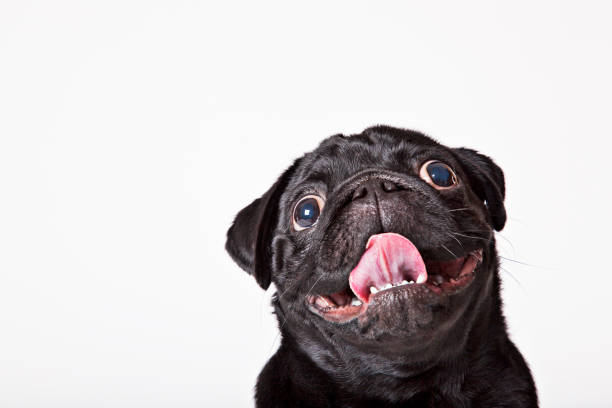
Brachycephalic dogs, with their distinctive “flat” or “shortened” faces, are adorable companions that bring immense joy. However, their unique anatomy also predisposes them to a range of respiratory challenges, collectively known as Brachycephalic Obstructive Airway Syndrome (BOAS). Managing exercise for these dogs, especially those with diagnosed breathing difficulties, is paramount to ensuring their health, safety, and quality of life.
This comprehensive guide will delve into the intricacies of exercise management for brachycephalic dogs, providing practical strategies, crucial warnings, and a deep understanding of their specific needs.
Understanding Brachycephalic Obstructive Airway Syndrome (BOAS)
Before we discuss exercise, it’s vital to understand why brachycephalic dogs struggle. Their shortened skulls mean that while their bones are smaller, their soft tissues (like the tongue, soft palate, and larynx) are often the same size as those of dogs with normal skull lengths. This leads to a crowding of tissues within the airway, obstructing airflow.
Common Anatomic Abnormalities in BOAS:
- Stenotic Nares: Narrow or pinched nostrils, making it difficult to inhale sufficient air.
- Elongated Soft Palate: The soft tissue at the back of the roof of the mouth is too long, extending into the airway and partly blocking the entrance to the trachea (windpipe). This causes the characteristic snoring and snorting sounds.
- Everted Laryngeal Saccules: Small pouches of tissue just inside the larynx (voice box) are pulled inward (everted) during forced inhalation, further reducing airway diameter.
- Tracheal Hypoplasia: A narrowed windpipe, often a congenital condition, which is a fixed and severe obstruction not correctable by surgery.
- Enlarged Tonsils: Swollen tonsils can add to airway obstruction.
Common Brachycephalic Breeds:
- Bulldogs (English, French, American)
- Pugs
- Boston Terriers
- Boxers (though often less severely affected than others)
- Shih Tzus
- Pekingese
- Cavalier King Charles Spaniels
- Chihuahuas (some lines)
The Dangers of Exercise for Brachycephalic Dogs with BOAS
Exercise, which is beneficial for most dogs, can be a serious risk for brachycephalic breeds, especially those with breathing difficulties.
- Inefficient Panting: Dogs pant to cool themselves down. Because their airways are already compromised, brachycephalic dogs struggle to move enough air to effectively dissipate heat.
- Rapid Overheating (Hyperthermia): This is the single biggest danger. Without efficient panting, their body temperature can skyrocket quickly, leading to heatstroke.
- Respiratory Distress and Collapse: Increased exertion puts immense strain on an already struggling respiratory system. This can lead to acute respiratory distress, laryngeal collapse, or even complete airway obstruction.
- Cardiac Strain: Chronic difficulty breathing can put a greater load on the heart, potentially exacerbating or causing heart conditions.
- Aspiration Pneumonia: If a dog is struggling to breathe, they may gag, drool excessively, or vomit. This can lead to aspiration (inhaling) of fluids or food into the lungs, causing pneumonia.
The Foundation: Veterinary Assessment is Non-Negotiable
Before you even consider an exercise plan, your brachycephalic dog must have a thorough veterinary examination.
- Comprehensive Physical Exam: Your vet will assess overall health, listen to heart and lungs, check for obesity (a major compounding factor), and visually inspect nostrils and mouth.
- BOAS Grading: Many vets use a standardized grading system (e.g., Cambridge BOAS Grade 0-III) to assess the severity of airway obstruction. This helps determine appropriate management.
- Diagnostic Imaging: X-rays of the chest and neck can reveal tracheal hypoplasia or other issues. Endoscopy (under sedation) can directly visualize the soft palate, larynx, and saccules.
- Discussion of Surgical Options: For many brachycephalic dogs, corrective surgery (e.g., widening nostrils, shortening the soft palate, removing everted saccules) can significantly improve their quality of life and reduce exercise risks. Discuss this with your vet.
NEVER guess your dog’s capabilities. A vet’s assessment is your starting point.
General Principles for Exercise Management
Once your vet has assessed your dog, these principles should guide all exercise activities:
- Prioritize Safety Over Intensity: Your goal is gentle activity, not vigorous cardio.
- “Know Your Dog” is Paramount: Every brachycephalic dog is an individual. Observe their unique limits and err on the side of caution.
- Consistency Over Duration: Short, frequent, gentle sessions are better than long, intense ones.
- Avoid Peak Heat and Humidity: These are your dog’s enemies.
- Hydration is Key: Always have fresh water available.
- Harness, Not Collar: A collar puts pressure on the trachea and should never be used for a brachycephalic dog. Always use a well-fitted harness that distributes pressure across the chest.
- Weight Management: Obesity significantly worsens BOAS symptoms. Keep your dog at a healthy, lean weight as recommended by your vet.
Practical Exercise Strategies for Brachycephalic Dogs
Here’s how to safely incorporate activity into your brachycephalic dog’s life:
1. Low-Impact Outdoor Activities
- Short, Frequent Leash Walks:
- Timing: Early morning (before 8 AM) or late evening (after 7 PM, once the sun has set and heat dissipated). Use a thermometer to check ambient temperature – generally, below 70°F (21°C) is safer; below 60°F (15°C) is ideal. Humidity also plays a huge role.
- Duration: Start with 5-10 minutes. If your dog shows no signs of distress, gradually increase by a minute or two over days/weeks, never exceeding their comfort level. Many brachycephalic dogs may only tolerate 15-20 minutes total per outing.
- Pacing: Slow and steady. No running or pulling.
- Terrain: Flat, even ground. Avoid hills, stairs, or rugged terrain that requires more effort.
- Breaks: Incorporate frequent rest stops, especially if your dog is panting more than usual.
- “Sniffaris” on Leash: Allow your dog to leisurely explore and sniff. Mental stimulation from scent work can be just as tiring (in a good way) as physical exertion.
- Supervised Swimming (with extreme caution):
- Requirement: Your dog must love water and be comfortable swimming. Many brachycephalic breeds struggle due to their head shape and body density.
- Life Vest: Non-negotiable! Use a high-quality life vest with a handle for easy retrieval.
- Environment: Shallow, calm water (e.g., kiddie pool, very still lake edge).
- Duration: Very short bursts, 1-2 minutes at a time, followed by ample rest.
- Supervision: Never leave your dog unattended, even for a second. Have a second person assist if possible.
- Risk: Even with a vest, the effort can be too much. Monitor closely for signs of distress. If they seem to struggle AT ALL, stop immediately.
2. Indoor Activities & Mental Stimulation
Indoor play is often the safest option, especially during warmer months.
- Tug-of-War (Gentle & Short): Use soft toys and play for very brief periods. Stop if you hear any labored breathing.
- Fetch (Short Distances): Roll a soft ball across the floor, encouraging a gentle trot rather than a full sprint. Again, very short sessions.
- Puzzle Toys & Treat Dispensers: These are excellent for mental enrichment without physical strain. Your dog has to figure out how to get treats, engaging their brain.
- Scent Games: Hide treats around the house and encourage your dog to find them. This is mentally stimulating and low-impact.
- Training Sessions: Simple command practice (sit, stay, down) or learning new tricks engages their mind and strengthens your bond without overexertion.
- Interactive Play: Gently toss toys, use flirt poles (gently!), or engage in quiet play on the floor.
3. Environmental Controls During Exercise
- Cooling Gear:
- Cooling Vests/Harnesses: Can help lower body temperature.
- Cooling Mats: Excellent for resting your dog on after a walk or during indoor play.
- Portable Fan: A small, battery-operated fan can be a lifesaver for quickly cooling your dog down if they get warm.
- Hydration Stations: Always carry a portable water bowl and fresh water. Offer water frequently, even if your dog doesn’t seem thirsty.
- Shade: Stick to shaded routes during walks.
- Avoid Hot Surfaces: Pavement, asphalt, and sand can get incredibly hot and burn paw pads, and also reflect heat upwards, increasing overall body temperature. Walk on grass whenever possible.
- Air Conditioning: Ensure your home is air-conditioned, especially in warmer climates. Overheating indoors is just as dangerous as outdoors.
Monitoring Your Brachycephalic Dog During Exercise
Vigilance is your most powerful tool. Learn your dog’s normal breathing patterns and energy levels.
STOP EXERCISE IMMEDIATELY if you observe any of these signs:
- Excessive Panting: Louder or more rapid panting than usual, especially if it doesn’t subside quickly with rest.
- Loud, Labored Breathing: Harsh snorting, gagging, choking sounds, “reverse sneezing” that’s prolonged or violent.
- Frothing or Foaming at the Mouth: A clear sign of severe respiratory distress.
- Bright Red or Blue/Purple Gums/Tongue: Indicates lack of oxygen (cyanosis). This is an emergency!
- Wobbling, Stumbling, or Uncoordinated Movements: Signs of overheating or neurological distress.
- Collapse or Loss of Consciousness: An immediate emergency.
- Excessive Drooling: More than usual, especially if thick or bubbly.
- Vomiting/Regurgitation: Can sometimes happen during severe distress.
- Sudden Lethargy or Reluctance to Move: Your dog might just lie down and refuse to continue. Listen to them!
Emergency Protocol: What to Do If Your Dog Overheats or Struggles
TIME IS CRITICAL IN AN EMERGENCY.
- STOP ALL ACTIVITY IMMEDIATELY.
- Move to a Cool Location: Get your dog into the shade, an air-conditioned car, or an indoor space with a fan.
- Offer Water: Allow them to drink small amounts of fresh, cool (not ice-cold) water. Don’t force them.
- Initiate Cooling:
- Wet Towels: Apply cool (not ice-cold) wet towels to their groin, armpits, and neck.
- Wet Paws: You can also wet their paw pads.
- Fan: Direct a fan onto their body.
- Avoid Ice Baths: Rapid cooling can cause shock.
- Contact Your Veterinarian IMMEDIATELY: Even if your dog seems to be recovering, they may have internal damage from overheating or distress. Describe the symptoms and your actions. If your dog is unresponsive, has blue gums, or is collapsing, this is a life-threatening emergency. Get to the nearest emergency vet clinic without delay. Call them on the way to inform them you’re coming.
Always have your vet’s number and the nearest emergency vet’s number programmed into your phone.
Long-Term Management & Quality of Life
- Maintain an Ideal Weight: This cannot be stressed enough. Obesity is a primary contributor to BOAS severity and exercise intolerance. Work with your vet on a diet plan.
- Consider BOAS Surgery: For many brachycephalic dogs, surgical correction of stenotic nares, elongated soft palate, and everted laryngeal saccules can dramatically improve their breathing, reduce the risk of emergencies, and enhance their quality of life, allowing for more comfortable (though still supervised) activity.
- Environmental Control: Ensure your home is comfortable. Use air conditioning in summer, and avoid smoky or dusty environments that can irritate airways.
- Stress Reduction: Stress and excitement can also trigger breathing issues. Keep your dog calm and comfortable.
- Regular Vet Check-ups: Continue with routine veterinary care to monitor your dog’s overall health and BOAS status.
Conclusion
Caring for a brachycephalic dog with breathing difficulties requires an informed and proactive approach, particularly when it comes to exercise. While their charming personalities and unique appearance are irresistible, responsible ownership means understanding and mitigating the inherent health risks.
By working closely with your veterinarian, implementing safe exercise strategies, diligently monitoring your dog, and being prepared for emergencies, you can provide your beloved brachycephalic companion with a fulfilling, active, and most importantly, safe life. Their happy, if slightly snorty, wagging tail will be your reward.





Add comment