
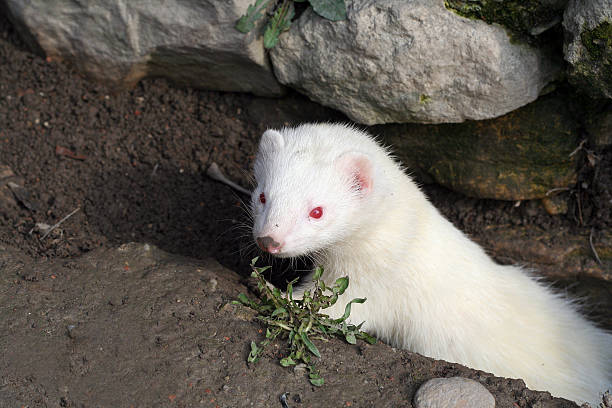
Introduction: Embracing the Natural State of the Unaltered Hob
Keeping an unaltered hob, or intact male ferret, is a deeply rewarding experience that offers a unique glimpse into the natural behaviors and robust personality of these fascinating creatures. Unlike their neutered counterparts, unaltered hobs retain their full hormonal profile, which dictates a much stronger expression of their instincts, including territoriality, sexual drives, and a more pronounced musky scent. This guide is tailored for dedicated ferret owners who are considering or currently navigating the complexities of housing an intact hob. It delves into the biological underpinnings of their behavior and scent, providing an exhaustive array of strategies for effective management, ensuring both the hob’s welfare and a harmonious living environment.
Choosing to keep an unaltered hob is a significant commitment. It requires a deeper understanding of ferret biology, a proactive approach to management, and a high degree of patience and consistency. While the challenges, particularly concerning scent and behavioral intensity, are undeniable, the rewards lie in witnessing the full spectrum of their natural charm, intelligence, and playful spirit. This guide will equip you with the knowledge and tools necessary to not only cope with these challenges but to thrive, fostering a strong bond with your unaltered hob while providing them with an enriching and appropriate life. We will explore everything from understanding their unique physiology and the intricacies of their rutting cycle to advanced cleaning protocols and nuanced training techniques, all aimed at fostering a respectful and enriching coexistence.
Understanding the Unaltered Hob: Biology and Instinct
To effectively manage an unaltered hob, it’s imperative to first understand the biological machinery driving his unique characteristics. His body is a complex orchestra of hormones, primarily testosterone, which profoundly influences both his behavior and scent output.
Physiology and Hormonal Influence
At the core of an unaltered hob’s distinct nature are his testes, which produce testosterone. This hormone surges during the breeding season, typically from spring through late autumn, a period known as “rut.” During rut, a hob’s body undergoes noticeable changes: his coat may become coarser and greasier, his weight can fluctuate, and he may develop a more pronounced musky body odor. His testes will also significantly swell, sometimes becoming quite large. These physiological shifts are direct manifestations of increased testosterone levels, preparing him for reproductive activity.
Beyond the testes, the adrenal glands, located near the kidneys, also play a role in hormone production, specifically sex hormones. While adrenal gland disease is common in neutered ferrets, the long-term presence of gonads in unaltered ferrets is believed by some researchers to offer a protective effect, although this is still a subject of ongoing study and debate within the veterinary community. It’s crucial, regardless, to monitor gland health.
The Reproductive Cycle and Rutting Behavior
Ferrets are seasonally polyestrous, meaning their breeding season is influenced by daylight hours. As days lengthen in spring, a hob’s hormones kick into high gear, initiating rut. During this time, his instinctual drives intensify dramatically. He becomes acutely aware of the presence of jills (female ferrets), whether in heat or not, and his primary focus shifts towards mating.
The behaviors associated with rut are direct expressions of his evolutionary programming as a wild polecat. In the wild, male polecats are solitary, territorial hunters who seek out females during the breeding season. This means that an unaltered hob, even in a domestic setting, will display heightened territoriality, increased scent marking, and a strong drive to mount anything he perceives as a potential mate or a challenge to his dominance. Understanding this biological imperative is the first step toward managing these behaviors with empathy and effectiveness, rather than misinterpreting them as mere “misbehavior.”
Differences from Neutered Ferrets
The contrast between an unaltered hob and a neutered hob is stark. Neutering removes the primary source of testosterone, significantly reducing the musky odor, eliminating sexual behaviors, and often leading to a calmer temperament. While neutered ferrets still possess their anal glands and sebaceous glands, the hormonal regulation of these glands changes, resulting in a less potent overall scent.
An unaltered hob, conversely, embodies the full spectrum of ferret naturalness. His scent will be stronger year-round and intensify during rut. His behavior will be more intense, driven by powerful instincts. This distinction is vital for owners to grasp, as it means management strategies for unaltered hobs must be far more comprehensive and specialized than those for neutered ferrets. It’s not simply a matter of a little more musky smell; it’s a whole different level of commitment and understanding required.
Behavioral Management of Unaltered Hobs
Managing the behavior of an unaltered hob requires patience, consistency, and a deep understanding of their natural instincts. Many of their actions, which might seem problematic in a domestic setting, are entirely normal for an intact male ferret. The goal is not to suppress these instincts entirely, but to channel them into appropriate outlets and minimize their disruptive impact.
Territoriality and Dominance
Unaltered hobs are inherently territorial, a trait exacerbated by testosterone. This manifests in several ways:
- Resource Guarding: Hobs may become possessive of their food, water, favorite toys, sleeping spots, or even specific areas of the home. This guarding can range from subtle body language (posturing over an item) to growling or nipping at anyone who approaches.
- Management: Provide multiple resources (food bowls, water bottles, beds) to reduce competition, especially if housed with other ferrets. Ensure free-feeding is practiced to minimize food guarding. Respect their space when they are resting or eating. If guarding becomes aggressive, use distraction techniques (e.g., tossing a toy in another direction) to move them away from the guarded item before retrieving it.
- Interactions with Other Ferrets: Introducing an unaltered hob to other ferrets, particularly another hob or an intact jill, requires extreme caution.
- Other Hobs: Two unaltered hobs, especially if similar in age or dominance, are very likely to fight, sometimes severely. Coexistence is rare and usually only successful if one hob is significantly older/submissive or if they were raised together from a very young age. Introductions must be slow, supervised, and often through cage bars initially. Be prepared for it not to work.
- Neutered Hobs/Jills: An unaltered hob may attempt to dominate or mount neutered ferrets. This can stress the neutered ferret. Jills, even spayed ones, can trigger sexual behavior.
- Intact Jills: While their natural purpose, co-housing an intact hob with an intact jill will inevitably lead to breeding. If breeding is not intended, they must be rigorously separated, often in different rooms or secure cage setups, especially during rut.
- Introduction Protocols: Always introduce ferrets in neutral territory. Use a “soup and scoop” method, where both ferrets are offered highly desirable food (ferret soup) simultaneously. Watch for signs of aggression (hissing, arched backs, prolonged biting that draws blood). Short, supervised sessions are crucial, gradually increasing duration.
- Managing Aggression/Fighting: If fights break out, do not use bare hands to separate them. Use thick gloves, a towel, or a spray bottle filled with water. Scruff aggression is common and usually not severe; prolonged, vicious biting requires intervention. If fights are frequent, re-evaluate cohabitation.
Mounting and Sexual Behavior
This is one of the most noticeable and challenging behaviors of an unaltered hob.
- Mounting Other Ferrets: During rut, a hob will relentlessly attempt to mount jills (intact or spayed) and even other hobs (neutered or sometimes unaltered, in a display of dominance). He may grasp the scruff, drag them, and attempt to copulate. This can be stressful for the mounted ferret, leading to fur loss, abrasions, or even internal injury if prolonged and aggressive.
- Management: Separate the hob from unwilling recipients. If he is constantly harassing another ferret, they need physical separation. Redirect his attention with toys or play.
- Mounting Inanimate Objects/People: Hobs may also mount toys, blankets, or even a human’s arm or leg. This is a natural expression of their sexual drive.
- Strategies for Redirection/Prevention: Firmly but gently remove him from the object or person. A sharp “No!” or a gentle scruff and brief time-out can be effective. Do not punish him severely, as he is acting on instinct. Provide appropriate toys for him to “wrestle” with, such as sturdy plush toys or enrichment items. Increase play and exercise to help burn off excess energy.
- Understanding It’s Natural: Crucially, understand that mounting is not “misbehavior” but an instinctive drive. Frustration can lead to increased stress for the hob, so managing it with understanding is key.
Nipping and Biting
While all young ferrets can nip, unaltered hobs, especially when in rut, can have a more intense play bite, or their nipping can be driven by frustration or territoriality.
- Hormonal Influence: Testosterone can increase a hob’s confidence and intensity, making his play bites harder or less inhibited.
- Differentiating Play from Aggression: Play bites are usually accompanied by a relaxed posture, “dooking” sounds, and a quick release. Aggressive bites are often accompanied by stiff body language, hissing, growling, and a reluctance to let go.
- Bite Inhibition Training:
- Scruffing: Gently scruff the hob behind the neck until he yawns or relaxes, then let him go. This mimics how a mother ferret corrects her kits.
- Time-Outs: For persistent nipping, a short time-out (3-5 minutes) in a carrier or quiet, safe cage can be effective.
- Bitter Apple Spray: Apply to hands or areas he targets.
- Positive Reinforcement: Reward calm, gentle interactions with treats and praise.
- Consistent Handling: Regular, gentle handling from a young age is crucial.
Digging and Burrowing
These are deep-seated instincts for ferrets, regardless of alteration status. Unaltered hobs may engage in them more intensely due to higher energy levels.
- Providing Outlets: Offer digging boxes filled with rice, packing peanuts, or soil (check for parasites/pesticides). Provide plenty of tunnels, blankets, and secure furniture for burrowing. This prevents destructive digging in carpets or houseplants.
Vocalization
Hobs can be quite vocal, especially during rut or during play.
- Giggling/Dooking: Happy, playful sounds.
- Hissing/Screaming: Often associated with fear, pain, or intense aggression (especially during fights or when mounting is resisted). If your hob is screaming, investigate the cause immediately.
Enrichment Needs
An unaltered hob’s high energy and strong instincts necessitate a robust enrichment program.
- Mental Stimulation:
- Puzzle Toys: Dispense treats, encouraging problem-solving.
- Foraging: Hide treats around their play area or cage to stimulate natural foraging behavior.
- New Scents: Introduce safe, novel scents (like a clean sock rubbed on an outdoors object) for exploration.
- Physical Exercise:
- Secure Play Areas: Daily, supervised free-roam time in a ferret-proofed room is paramount.
- Tunnels and Mazes: Excellent for burning energy and simulating burrows.
- Outdoor Time: If safe and vaccinated, supervised outdoor exploration in a secure harness can be highly enriching. Be wary of parasites and predators.
- Social Interaction: While challenging with other ferrets, consistent, positive interaction with their human caregivers is vital for emotional well-being and reducing boredom-induced behaviors.
Training Considerations
Training an unaltered hob can be more challenging due to their strong drives and independent nature, but it is certainly possible with patience.
- Litter Training: Start early and be consistent. Use preferred litter (paper-based, wood pellets) and place soiled litter in the box to encourage use. Correct accidents immediately.
- Name Recognition & Recall: Use positive reinforcement with treats.
- Harness Training: Essential for safe outdoor adventures. Start with short periods indoors.
Scent Control Strategies for Unaltered Hobs
The distinct, musky odor of an unaltered hob is perhaps the most significant challenge for owners. This scent is a complex cocktail of hormonal secretions, primarily from sebaceous glands during rut, combined with stronger urine and feces. Effective scent control is not about eliminating the smell entirely, which is impossible and unnatural, but about managing and minimizing it to an acceptable level.
Understanding the Scent
Before tackling control, one must understand its origins:
- Sebaceous Glands: These oil-producing glands are distributed over the ferret’s skin and are responsible for the general musky “ferret smell.” Testosterone amplifies their activity, making the hob’s coat greasier and the scent more potent, especially during rut. This is the primary source of the pervasive musky scent.
- Anal Glands: These two small glands located on either side of the anus produce a foul-smelling, yellowish liquid. This is typically expressed defensively when a ferret is scared, stressed, or excited (e.g., during intense play or when startled). Anal gland scent is sharp and unpleasant, but it dissipates relatively quickly compared to sebaceous gland odor. Owners often confuse this with the general musky smell, but they are distinct.
- Urine and Feces: An unaltered hob’s urine and feces often have a stronger, more pungent odor compared to neutered ferrets, again due to hormonal influences on their metabolism and secretions. They also have a stronger inclination to scent mark with urine.
- Hormonal Fluctuations: The scent will be most intense during the rutting season (spring to autumn) and may subside somewhat during the non-rut period, though a basal level of musk will always be present.
Environmental Management: The First Line of Defense
The environment is where most scent control efforts should be focused. Prevention and immediate cleanup are key.
- Cage Cleaning: This is paramount.
- Daily Spot Cleaning: Remove all feces and soiled litter daily, or even multiple times a day. Replace soiled bedding immediately. Do not let waste accumulate.
- Deep Weekly Cleaning: At least once a week, empty the entire cage. Wash all bedding, hammocks, and sleep sacks. Scrub down all hard surfaces of the cage (trays, ramps, bars) with a pet-safe cleaner.
- Appropriate Cleaners:
- Enzymatic Cleaners: These are invaluable. They break down organic matter and odor-causing molecules (like uric acid in urine) rather than just masking them. Look for cleaners specifically designed for pet odors.
- Vinegar Solutions: A dilute solution of white vinegar (1 part vinegar to 1-2 parts water) is an excellent, natural, and safe disinfectant and deodorizer. Rinse thoroughly after use.
- Avoid Harsh Chemicals: Do not use ammonia-based cleaners (like many household floor cleaners) as the smell of ammonia can actually encourage ferrets to urinate in that spot, perceiving it as a “toilet.” Bleach is too harsh and dangerous for ferrets; if used, dilute heavily and rinse meticulously.
- Cleaners for Odor: Products like “Nature’s Miracle” or “Skout’s Honor” are popular and effective.
- Eliminating Ammonia Buildup: Ammonia from urine can be harmful to a ferret’s respiratory system and contributes significantly to the overall “ferret smell.” Frequent cleaning is the only way to prevent its buildup.
- Bedding:
- Frequent Washing: All bedding (hammocks, sleep sacks, blankets) must be washed frequently, ideally every 2-3 days, and certainly no less than twice a week. Use an unscented, hypoallergenic laundry detergent to avoid skin irritation.
- Rotate Bedding: Have multiple sets of bedding so you can easily swap out soiled items for clean ones.
- Material: Fleece is popular as it’s durable and comfortable. Avoid towels with loose loops that can catch claws.
- Litter Boxes:
- Type of Litter:
- Paper-based Pellets: Highly absorbent, dust-free, and biodegradable. Excellent for odor control.
- Wood Pellets: Similar to paper, good absorbency and odor control.
- Avoid Clay Litter: Clay litter is dusty and can cause respiratory issues for ferrets. Clumping litters can be ingested and cause blockages.
- Frequent Scooping: Scoop litter boxes at least twice a day, preferably more. Change all litter completely every 2-3 days.
- Location: Place litter boxes in corners, as ferrets naturally back into corners to relieve themselves.
- Type of Litter:
- House Cleaning (Outside the Cage):
- Enzymatic Cleaners for Accidents: Ferrets will occasionally have accidents outside the litter box. Treat these immediately with an enzymatic cleaner to break down the odor markers.
- Regular Vacuuming/Mopping: Ferret fur and dander (and any stray scent particles) can accumulate in carpets and on floors. Regular cleaning of all living areas is essential.
- Air Purification: A HEPA air purifier can significantly reduce airborne particles, dander, and odors.
- Odor Eliminators: Use pet-safe room sprays or diffusers cautiously. Many commercial air fresheners contain chemicals that can be irritating or toxic to ferrets. Charcoal odor absorbers are a safer, passive option.
- Ventilation: Open windows regularly to air out the living space. Good air circulation helps dissipate odors.
- Designated Play Areas: If your hob has free-roam time, ensure these areas have easy-to-clean surfaces (e.g., tile, linoleum) rather than carpet. Cover carpeted areas with washable mats or old blankets during playtime.
Hygienic Practices for the Ferret
While environmental cleaning is primary, some attention to the ferret’s own hygiene can help.
- Bathing:
- Infrequent, Only When Necessary: Contrary to common belief, frequent bathing is counterproductive for ferrets. It strips away the natural oils from their skin, causing their sebaceous glands to go into overdrive to replenish them, leading to more oil production and a worsened smell.
- Frequency: Bathe an unaltered hob no more than once a month, or ideally, only when his coat is visibly soiled or extremely greasy. During a heavy rut, a bath might be justified if other methods are failing, but keep it to a minimum.
- Shampoo: Always use a ferret-specific shampoo or a mild, oatmeal-based, tearless puppy/kitten shampoo. Never use human shampoos.
- Procedure: Use lukewarm water. Rinse thoroughly to ensure no shampoo residue remains. Dry thoroughly with a towel.
- Ear Cleaning: Regular checks and cleaning (every 1-2 weeks) are important. Ferrets produce a lot of ear wax, which can be dark and looks like dirt. Use a vet-approved ear cleaner and cotton balls or swabs (only for the outer ear, never deep into the canal). Excessive wax can harbor bacteria and contribute to a general “dirty” smell.
- Anal Gland Expression:
- Generally Not Recommended: Anal gland expression is not a routine part of ferret care and is often misunderstood as a solution for general odor. It does not affect the overall musky scent from sebaceous glands.
- When to Consider: It should only be done by a qualified veterinarian if the glands become impacted, infected, or are causing the ferret discomfort. Unnecessary expression can irritate the glands, potentially leading to future problems. Do not attempt this yourself.
- Dietary Influence:
- High-Quality Ferret-Specific Diet: A diet rich in animal protein and fat, specifically formulated for ferrets, is crucial. Poor quality foods (e.g., those high in plant proteins, corn, or fillers) can negatively impact a ferret’s metabolism and lead to a stronger, more unpleasant body odor and stool smell.
- Avoid “Odor Control” Supplements: Many supplements claiming to reduce ferret odor are ineffective or may even be harmful. Focus on a proper diet and environmental cleanliness.
- Folk Remedies: Some owners suggest adding a small amount of pumpkin or spirulina to the diet for scent control; however, scientific evidence for their efficacy at reducing overall body musk is limited. Ensure any additions are vet-approved and don’t displace essential nutrients.
Scent Marking Management
Unaltered hobs are more prone to scent marking, a territorial behavior.
- “Rubbing” Behavior: Hobs will rub their bodies against furniture, walls, or even your legs to deposit their personal scent. This is a common form of marking.
- Strategies: Clean affected surfaces immediately with an enzymatic cleaner. Block access to favorite marking spots with furniture or barriers if possible.
- Urine Marking: Hobs in rut may intentionally spray or urinate outside their litter box to mark territory.
- Strategies: Reinforce litter training rigorously. Clean up accidents immediately and thoroughly with enzymatic cleaners. Identify patterns (e.g., marking a specific corner) and place an extra litter box there. Increase access to play areas, as a bored or frustrated hob may mark more.
Health Considerations Unique to Unaltered Hobs
While unaltered hobs offer a natural experience, their intact status comes with a distinct set of health considerations that owners must be aware of. Regular veterinary care from an experienced exotic veterinarian is non-negotiable.
Adrenal Disease
Adrenal gland disease is rampant in the pet ferret population, primarily in neutered ferrets. Some theories suggest that early neutering disrupts the hormonal feedback loop, leading to overstimulation of the adrenal glands and subsequent disease. While unaltered ferrets are not immune to adrenal disease, their incidence is generally observed to be lower, or the onset is later in life. However, this is an complex area of ongoing research, and owners of unaltered hobs should still be vigilant.
- Symptoms: Hair loss (often starting at the tail and progressing up the body), swollen vulva (in jills, even if unaltered, it’s a symptom), difficulty urinating (due to prostate enlargement in hobs), lethargy, muscle wasting, and itchiness.
- Monitoring: Regular veterinary check-ups (at least annually, preferably bi-annually) are crucial for early detection. Vets can palpate the abdomen for enlarged adrenal glands and conduct blood tests.
Prostate Enlargement
As with intact male mammals, an unaltered hob’s prostate gland can enlarge due to testosterone.
- Symptoms: This can lead to urinary obstruction or difficulty urinating. You might notice your hob straining in the litter box, producing only small amounts of urine, or displaying discomfort when attempting to urinate. In severe cases, it can be a life-threatening emergency.
- Monitoring: Your vet can monitor prostate size during physical exams. If symptoms arise, medication or surgical intervention (like deslorelin implant or castration) may be necessary.
Testicular Tumors
While less common than other conditions, unaltered hobs can develop testicular tumors.
- Symptoms: Swelling, lumps, or changes in the texture of the testes.
- Monitoring: Regular visual inspection and gentle palpation of the testes by the owner and vet are important. Any abnormalities should be investigated.
Injuries from Fighting
As discussed in the behavioral section, unaltered hobs are prone to territorial disputes and fights, especially with other intact males or if frustrated by intact jills.
- Types of Injuries: Bites, puncture wounds, skin lacerations, or even more severe trauma during altercations.
- Management: Separate fighting ferrets immediately. Clean and disinfect minor wounds. For deeper wounds, excessive bleeding, or signs of infection, urgent veterinary attention is needed.
Heat Stroke
Ferrets are highly susceptible to heat stroke due to their inability to sweat effectively. Unaltered hobs, with their higher metabolic rate and often greasier, denser coats (especially during rut), might be even more vulnerable during play or in warm environments.
- Symptoms: Lethargy, heavy panting, red gums, disorientation, vomiting, diarrhea.
- Prevention: Always provide access to cool, shaded areas and fresh water. Avoid outdoor playtime during hot weather. Keep indoor temperatures moderate.
- Action: If heatstroke is suspected, cool the ferret slowly using cool (not cold) water, and seek immediate veterinary attention.
Nutrition for Overall Health and Scent
A high-quality diet is fundamental for an unaltered hob’s overall health, energy levels, and even contributes to managing their natural scent.
- High Protein, High Fat: Ferrets are obligate carnivores. Their diet should consist of at least 30-40% animal protein, 18-30% fat, and very low fiber (no more than 2-3%). Look for ferret-specific kibbles that list meat (chicken, lamb, beef) as the first few ingredients.
- Avoid Fillers: Corn, peas, fruits, and vegetables are difficult for ferrets to digest and offer minimal nutritional value, potentially leading to digestive upset and contributing to scent.
- Fresh Water: Always provide fresh, clean water in multiple sources (bowl and bottle).
- Weight Management: Monitor weight, especially during rut when hobs can fluctuate. A healthy, lean body condition is ideal.
Regular Veterinary Care
Finding an exotic veterinarian experienced with ferrets is critical for an unaltered hob. They can:
- Perform annual check-ups, including physical exams, dental checks, and discussions about behavior and diet.
- Administer necessary vaccinations (canine distemper, rabies).
- Monitor for prostate enlargement, testicular issues, and adrenal concerns.
- Provide advice on parasite prevention (fleas, ticks, heartworm).
- Offer guidance on managing behavioral challenges.
Ethical Considerations and Responsible Ownership
Keeping an unaltered hob is a significant responsibility that extends beyond daily care. It involves ethical considerations that align with responsible pet ownership.
Breeding vs. Pet Ownership
The primary reason to keep an unaltered hob is for breeding purposes. If you are not a knowledgeable, ethical breeder with a clear genetic plan and the resources to care for multiple litters, then a hob should ideally be neutered.
- Accidental Litters: If kept as a pet, the risk of accidental breeding is a serious concern, especially if there are intact jills nearby or if the hob ever escapes. Ferrets breed quickly, and unplanned litters put a strain on rescue organizations and contribute to the pet overpopulation problem.
- Commitment: If you choose to keep an unaltered hob solely as a pet, it’s an acknowledgment and acceptance of his natural, intense drives for which you must provide appropriate, safe, and enriching outlets without allowing them to result in unwanted offspring.
Preventing Accidental Litters
This is paramount.
- Absolute Separation: If you own any jills (intact or spayed), the unaltered hob must be kept completely separate when not supervised. This often means different rooms, double-door systems, or highly secure caging. Ferrets are escape artists; an intact hob’s drive to reach a jill in heat can be incredibly strong.
- Outdoor Safety: If your hob spends any time outdoors, ensure his enclosure is impregnable, or he is always supervised in a secure harness and leash, far away from any other ferrets.
Commitment Level
Owning an unaltered hob demands a higher level of commitment than a neutered ferret.
- Time Investment: More time will be spent on cleaning, behavioral management, training, and supervision.
- Financial Investment: Potential for more vet visits related to intact issues, and costs associated with extensive cleaning supplies and enrichment.
- Patience and Understanding: A deeper well of patience and a consistent, empathetic approach are required to manage their powerful instincts.
Quality of Life
The ultimate goal is to provide your unaltered hob with the highest possible quality of life, allowing him to express his natural behaviors in a safe, constructive, and enriching environment. This means:
- Sufficient Space: A large, stimulating cage and ample supervised free-roam time.
- Mental & Physical Enrichment: Puzzle toys, digging boxes, tunnels, and varied interactions.
- Appropriate Socialization: If cohabiting with other ferrets, ensure compatibility and safety for all.
- Understanding & Respect: Recognizing that his behaviors are instinctual, not malicious, and managing them with kindness and consistency.
Conclusion: A Rewarding Journey with Your Wild at Heart Companion
Managing an unaltered hob is undoubtedly a journey that demands significant dedication, knowledge, and an unwavering commitment to their unique needs. It is a path less trodden than owning a neutered ferret, yet one that offers profound rewards for those willing to embrace the full, vibrant spectrum of ferret nature.
By deeply understanding their biology, proactively implementing comprehensive behavioral management strategies, meticulously maintaining scent control, and prioritizing their specific health considerations, you can create a harmonious environment where your unaltered hob can thrive. This requires more than just pet ownership; it demands a partnership built on respect for their instincts and a commitment to their well-being.
The pervasive musk and intense behaviors, while challenging, are integral to who they are. Instead of fighting these natural traits, the goal is to channel them, manage their impact, and provide an enriching life that honors their intrinsic ferocity and charm. With the strategies outlined in this guide, you are well-equipped to navigate this rewarding journey, fostering a deep and unique bond with your wild-at-heart companion, an unaltered hob.
#UnalteredHob #IntactFerret #FerretCare #FerretBehavior #FerretScentControl #FerretLove #FerretLife #HobLife #FerretRut #PetFerrets #ExoticPets #FerretOwner #FerretTips #ScentControl #FerretsOfInstagram #FerretCommunity #PetCareGuide #Mustelid #FerretHealth #RawFedFerret #EnrichmentForFerrets #FerretTraining #ProudFerretParent #FerretAdventure


Add comment