
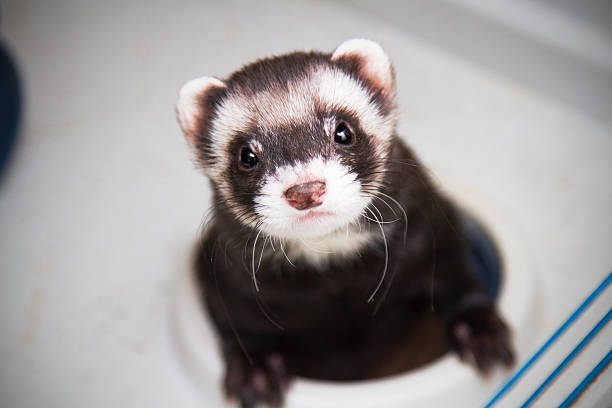
Ferrets, with their slinky bodies and curious natures, are an absolute joy to have as pets. However, like any pet, they come with their own set of unique challenges. One of the most common hurdles for ferret owners is litter box training. While generally intelligent creatures, ferrets can sometimes be… well, stubborn when it comes to consistently using their designated potty spot. This comprehensive guide aims to equip you with the knowledge and strategies to conquer even the most reluctant litter box user, ensuring a cleaner and more harmonious living environment for both you and your furry friend.
Understanding Ferret Instincts and Behavior
Before diving into training techniques, it’s crucial to understand the natural instincts that influence a ferret’s bathroom habits.
- Territorial Marking: Ferrets, like cats, have a natural instinct to mark their territory. This can manifest as urination or defecation in specific areas to signal ownership. While litter box training aims to redirect this, understanding this innate behavior is key.
- Burrowing and Nesting: Ferrets are natural burrowers and prefer to eliminate in corners or enclosed spaces, mimicking their ancestral dens. This is why they are often drawn to corners of cages or rooms when seeking a place to relieve themselves.
- Cleanliness (Relatively Speaking): Despite their reputation, ferrets are surprisingly clean animals. They typically avoid sleeping or eating in areas where they eliminate. This innate drive can be harnessed for training.
- Short Attention Spans and Playfulness: Ferrets have short attention spans and are easily distracted by play. Training sessions need to be short, engaging, and reinforced positively. Patience is paramount.
- Accidents Happen: Even well-trained ferrets will have accidents. It’s important not to punish them for these, as it can create fear and anxiety, hindering the training process.
Essential Supplies for Litter Box Training
Having the right tools makes the training process significantly easier.
- Litter Box Options:
- Corner Litter Boxes: These are specifically designed to fit into the corners of cages or playpens, appealing to a ferret’s natural inclination.
- High-Backed Litter Boxes: Similar to corner boxes, these offer more containment and can be beneficial for messier eaters or players.
- Standard Litter Pans: If space allows, a larger, shallow pan can also be effective, especially for multiple ferrets.
- Multiple Boxes: For larger homes or if your ferret has a large play area, strategically placing multiple litter boxes is crucial.
- Litter Material:
- Paper-Based Pellets: These are highly absorbent, dust-free, and safe if ingested in small amounts. They are often the most recommended option.
- Aspen Shavings: Another natural and safe option, though some ferrets may attempt to eat it or carry it out of the box.
- Recycled Newspaper Pellets: Similar to paper pellets, these are ecological and effective.
- AVOID:
- Clay or Clumping Cat Litter: This is extremely dangerous for ferrets. If ingested, it can cause blockages in their sensitive digestive systems, which can be fatal.
- Scented Litter: The strong fragrances can irritate a ferret’s respiratory system and be overwhelming for their sensitive noses.
- Cedar or Pine Shavings: The phenols in these woods can cause respiratory problems and liver damage.
- Scooper: A small, sturdy scoop will be needed for daily cleaning.
- Enzymatic Cleaner: For accidents outside the litter box, an enzymatic cleaner is essential. It breaks down the organic matter, eliminating odors that might attract your ferret back to the same spot. Regular cleaners may mask the smell for humans but not for your ferret.
- Cage or Playpen: A designated safe space for your ferret, especially during the initial training phase, is vital for supervision and containment.
The Foundation of Ferret Litter Box Training: The Cage
The most effective place to begin litter box training is within your ferret’s cage or a confined playpen. This controlled environment allows you to:
- Observe Their Habits: Watch where your ferret naturally chooses to eliminate. They will often gravitate towards a corner.
- Place the Litter Box Strategically: Once you’ve identified their preferred corner(s), place the litter box squarely in that spot. If they are using multiple corners, you may need two litter boxes initially.
- Limit Freedom Initially: When your ferret is in their cage, they should only have access to their immediate sleeping area and the litter box. This encourages them to use the box.
- Gradual Introduction to More Space: As they become more consistent, you can gradually increase their supervised playtime outside the cage.
Step-by-Step Litter Box Training Process
This is where the real work begins. Remember, patience and consistency are your greatest allies.
Phase 1: Introduction and Association (Cage Focus)
- The “Poop Dance”: Ferrets often do a little wiggle or “poop dance” before they eliminate. Learn to recognize this cue. As soon as you see it, gently scoop them up and place them in their litter box. If they go, praise them verbally and offer a tiny, high-value treat (like a small piece of cooked chicken or a ferret-specific paste treat).
- Accident Prevention within the Cage: If you notice your ferret sniffing around or starting their “poop dance” outside the litter box within their cage, immediately redirect them to the box.
- Dealing with Cage “Accidents”: If they have an accident within the cage, clean it thoroughly with an enzymatic cleaner. Do NOT scold or punish them. Instead, make a note of where the accident happened. If it’s consistently in the same spot, try placing a second litter box there temporarily. Once they start using that box, you can gradually remove the extra one.
- Morning and Post-Nap Relief: Ferrets often need to relieve themselves immediately after waking up. When you let them out of their cage in the morning or after a nap, gently place them in their litter box. Reward success.
- Consistency is Key: This initial phase requires constant vigilance. Every time you interact with your ferret or observe them, be mindful of their bathroom needs.
Phase 2: Introducing Supervised Freedom
Once your ferret is reliably using the litter box in their cage for at least 80-90% of their eliminations, you can begin introducing supervised playtime outside the cage.
- Designated Play Area: Start with a small, ferret-proofed room or a large, secure playpen. This minimizes the potential for accidents and allows you to keep a close eye on them.
- Litter Box Placement Outside the Cage: Place a litter box within this play area, ideally in a corner. If the area is large, consider two boxes.
- The “Poop Dance” Vigilance: Continue to watch for the “poop dance” cue. As soon as you see it, gently guide them to the litter box.
- “Accident Patrol”: Be proactive. If you see your ferret sniffing around or heading into a corner outside the litter box, interrupt them gently and guide them to the box.
- Reinforce Success: Always praise and reward successful litter box use outside the cage.
- End Playtime with a “Potty Break”: Before you put your ferret back in their cage after playtime, or before bedtime, always offer a trip to their litter box.
- Clean Accidents Immediately: If an accident occurs, clean it thoroughly with an enzymatic cleaner. Do not dwell on it or punish.
Phase 3: Expanding Freedom and Maintaining Habits
As your ferret demonstrates consistent litter box use in their designated play area, you can gradually expand their freedom.
- Increase Playtime Duration and Area: Allow them more supervised time outside the cage, and gradually let them explore larger, ferret-proofed areas of your home.
- Strategically Place Litter Boxes: For larger areas, place litter boxes in logical locations, such as corners of rooms where they tend to explore or spend time. Think about where they might naturally want to go.
- Continued Spotting and Redirection: Even well-trained ferrets can have lapses. Continue to be observant for the “poop dance” and redirect them as needed.
- Don’t Get Complacent: Even after weeks or months of success, keep an eye on their habits. Stress, changes in routine, or new environments can sometimes trigger regression.
- Dealing with “Marking”: Some ferrets, particularly intact males, may engage in territorial marking. This can involve small amounts of urine deposited on vertical surfaces. If this becomes an issue, consider neutering or spaying your ferret. Consistent cleaning of marked areas with enzymatic cleaners is crucial. You might also need to increase the number of litter boxes available.
Troubleshooting Common Ferret Litter Box Training Issues
Even with the best intentions, you might encounter some roadblocks. Here’s how to address them:
- “My Ferret Won’t Use the Box in Their Cage”:
- Is the box in their preferred corner? If not, move it.
- Is the litter material appealing? Try a different type recommended for ferrets.
- Is the box clean? Ferrets are fastidious. Clean it daily.
- Is the box too small or too large? Adjust size.
- Are they associating something negative with the box? Have you ever startled them while they were using it?
- Are they too young? Very young kits may need more frequent reminders.
- “My Ferret Uses the Litter Box for Poop but Pees Everywhere Else”:
- This is a common issue! Ferrets often “mark” with urine.
- Increase the number of litter boxes. Place them in corners they frequent.
- Consider a litter box with higher sides or a hooded option to encourage them to step inside fully.
- Thoroughly clean all accident spots with enzymatic cleaner to remove any scent cues.
- Neutering/Spaying can help reduce territorial marking behavior.
- “My Ferret Digs in the Litter Box or Throws Litter Out”:
- This is normal ferret behavior! They are burrowers.
- Use a litter box with high sides or a deep-sided corner box.
- Try larger pellets that are harder to kick out or dig through.
- Consider a covered litter box.
- Accept that some mess is inevitable and be prepared to do some daily clean-up around the box.
- “My Ferret Eats the Litter”:
- This is a serious concern! Stop using that litter immediately.
- Switch to paper-based pellets or recycled newspaper pellets. These are generally safe if ingested in small amounts.
- Ensure your ferret has enough food and stimulation, as boredom can sometimes lead to litter eating.
- Consult a veterinarian if the behavior persists, as it could indicate a nutritional deficiency or medical issue.
- “My Ferret Has Accidents During Playtime Even Though They Are Trained”:
- Are they getting enough potty breaks? Ensure you are offering frequent opportunities to go to the litter box, especially after waking, eating, or excessive playing.
- Is the play area too large or too complex too soon? Scale back the area and gradually increase it.
- Are there too many distractions? Sometimes, it’s just a lapse in focus.
- Did they miss a cue? Continue to be vigilant.
- Is there a new stressor? New pets, noises, or changes in routine can cause temporary regression.
- “My Ferret is Stubborn and Just Won’t Learn”:
- Are you using positive reinforcement effectively? Praise and treats are crucial. Punishment is counterproductive.
- Is your approach consistent? Everyone in the household needs to be on the same page.
- Are you being patient enough? Ferret training can take time, weeks or even months. Don’t give up!
- Have you ruled out medical issues? Urinary tract infections or other health problems can cause accidents. If you suspect a problem, see your vet.
Advanced Litter Box Training Tips
- The “Soiled Litter” Trick: If your ferret has an accident, take a tiny bit of the soiled litter and place it in their clean litter box. This helps them associate the smell with the designated spot. (Use sparingly, as too much can be off-putting).
- Scents as Cues: Some owners find that placing a scent marker (like a tiny piece of your t-shirt) in the litter box can help the ferret recognize it as their designated area.
- Multiple Ferrets: Litter box training can be more challenging with multiple ferrets. Each ferret will have their own learning curve. Ensure you have enough litter boxes for the number of ferrets you have, ideally one per ferret plus an extra.
- Ferrets on the Go: If you travel with your ferret, bring their litter box and familiar litter. This provides a sense of security and helps maintain their training.
Preventing and Cleaning Accidents Effectively
- Ferreting Proofing: This is non-negotiable. Block off any areas where you don’t want your ferret to go. Think like a ferret – where can they squeeze into? What can they chew?
- Immediate Cleanup: As soon as you discover an accident, clean it up. The longer it sits, the harder it will be to remove the odor completely.
- Why Enzymatic Cleaners are Essential: These cleaners contain enzymes that break down the organic compounds in urine and feces, eliminating odor at its source. This is crucial because ferrets have a much stronger sense of smell than humans, and if they can still detect the odor, they are likely to return to that spot.
- Avoid Ammonia-Based Cleaners: Ammonia has a similar smell to urine and can actually attract your ferret back to the spot.
The Importance of Patience and Realistic Expectations
Litter box training a ferret is not always a quick or easy process. Some ferrets pick it up within days, while others may take months. Stubbornness is a trait that many ferret owners learn to love and accept about their pets, and it certainly applies to potty training.
- Celebrate Small Victories: Did your ferret use the box twice today without an accident? That’s fantastic! Offer extra praise and a special treat.
- Don’t Compare: Your ferret’s progress is unique. Avoid comparing their training journey to others.
- Focus on Progress, Not Perfection: Aim for improvement, not an impossible standard of 100% perfection. Occasional accidents are part of ferret ownership.
- Build a Strong Bond: A strong, trusting relationship with your ferret will make them more receptive to training. Spend quality time playing, grooming, and interacting with them.
When to Seek Professional Help
While most litter box training issues can be resolved with consistency and patience, there are times when consulting a professional is advisable:
- Persistent Accidents Despite Consistent Training: If you’ve tried everything and your ferret continues to have frequent accidents, there might be an underlying behavioral or medical issue.
- Signs of Illness: If accidents are accompanied by other symptoms like lethargy, loss of appetite, changes in stool, or signs of pain, a veterinary visit is urgent.
- Aggression Associated with Training: If your ferret becomes aggressive when you try to redirect them or clean up an accident, this warrants professional guidance.
Conclusion
Mastering the litter box with a stubborn ferret is a journey that requires dedication, understanding, and a good dose of humor. By understanding ferret instincts, equipping yourself with the right supplies, implementing a consistent training plan, and troubleshooting effectively, you can significantly improve your ferret’s litter box habits. Remember to always approach training with positivity, patience, and plenty of praise. The reward for your efforts will be a cleaner home and a happier, more well-adjusted ferret who will bring years of joy and entertainment into your life. Embrace the challenge, celebrate the successes, and enjoy the unique companionship of your little slinky friend!
#Ferrets #FerretLove #FerretLife #FerretOwner #FerretTraining #LitterBoxTraining #PetTraining #ExoticPets #SmallAnimals #PetCare #Ferreting #FerretGram #InstaFerret #CuteFerrets #FerretsOfInstagram #FerretsOfYouTube #PetTips #AnimalTraining #StubbornPet #PatienceIsKey





Add comment