
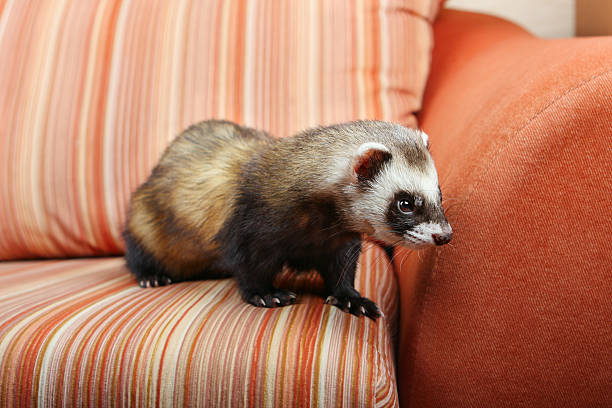
Megaoesophagus is a rare but serious condition affecting the oesophagus—the muscular tube that transports food and liquids from the mouth to the stomach. In ferrets (Mustela putorius furo), this condition is characterized by the abnormal dilation and loss of motility in the oesophagus, leading to the ineffective passage of food and subsequent regurgitation. Unlike vomiting, which involves active abdominal contractions and is often preceded by nausea, regurgitation in megaoesophagus is a passive process—occurring without warning and typically shortly after feeding.
While megaoesophagus is more commonly reported in dogs and cats, it is increasingly being recognized in ferrets, albeit with fewer documented cases. The condition can be life-threatening due to complications like aspiration pneumonia, malnutrition, and dehydration. Understanding megaoesophagus in ferrets is crucial for early diagnosis, effective management, and improved quality of life for affected animals.
This comprehensive guide delves into the causes, signs and symptoms, diagnostic approaches, treatment options, prognosis, complications, preventive measures, dietary and nutritional strategies, and zoonotic risks associated with megaoesophagus in ferrets. The goal is to provide veterinarians, ferret owners, and animal care professionals with in-depth, evidence-based knowledge to manage this challenging condition effectively.
Causes of Megaoesophagus in Ferrets
Megaoesophagus can be either congenital (present at birth) or acquired (developed later in life). In ferrets, both forms may occur, though acquired cases tend to be more common.
- Congenital Megaoesophagus
Some ferrets are born with a structurally abnormal oesophagus. This can include incomplete development of the oesophageal muscles or abnormal innervation (nerve control), leading to absent or diminished peristalsis—the wave-like muscle contractions responsible for propelling food down the oesophagus. Congenital cases are typically evident early in life, often within the first few weeks after weaning. The exact genetic or developmental triggers remain poorly understood in ferrets, but similar anomalies in other species have been linked to hereditary factors. - Acquired Megaoesophagus
This form develops later in life and can be secondary to various underlying diseases or injuries. Key causes include:- Neurological Disorders: Damage to the vagus nerve or other nerves controlling oesophageal motility can lead to paralysis or paresis of the oesophagus. Possible causes include trauma, tumors, or infections affecting the central or peripheral nervous system.
- Myasthenia Gravis: This autoimmune disease causes dysfunction at the neuromuscular junction, leading to muscle weakness. While rare in ferrets, anecdotal evidence suggests it may manifest as megaoesophagus when respiratory and oesophageal muscles are affected.
- Neoplasia (Tumors): Lymphoma, a common cancer in ferrets, can infiltrate the nerves or muscles of the oesophagus, disrupting motility. Adrenal tumors and insulinomas may also indirectly contribute by altering metabolic and hormonal balance, though this is less direct.
- Inflammatory Conditions: Chronic inflammation of the oesophagus (oesophagitis) due to infection, gastro-oesophageal reflux, or foreign body impaction can impair normal function over time.
- Trauma or Surgery: Injury during medical procedures (e.g., endoscopy, intubation) or blunt trauma to the neck or chest may damage oesophageal tissue or its nerve supply.
- Gastro-Oesophageal Reflux Disease (GERD): Reflux of gastric acid into the oesophagus can erode the mucosal lining and impair motility, especially if chronic.
- Pharmacological Causes: Certain medications, such as smooth muscle relaxants or neuromuscular blocking agents, can temporarily impair oesophageal function.
- Idiopathic Megaoesophagus: In many cases, no underlying cause is identified. These are classified as idiopathic, and a diagnosis of exclusion is required after ruling out all known causes.
It’s important to note that ferrets are especially susceptible to stress-induced gastrointestinal disturbances, which may exacerbate or mimic symptoms of megaoesophagus. However, true megaoesophagus involves structural or neurological dysfunction, not behavioral or transient issues.
Signs and Symptoms of Megaoesophagus in Ferrets
Recognizing the clinical signs of megaoesophagus early is essential for timely intervention. Symptoms often vary depending on the severity and duration of the condition but typically include:
- Regurgitation
The hallmark sign of megaoesophagus is frequent regurgitation, often occurring minutes to hours after eating. The regurgitated material is usually undigested food or liquid, appearing tubular or cylindrical in shape due to its passage through the oesophagus. Unlike vomiting, regurgitation occurs without retching, drooling, or abdominal heaving. - Weight Loss and Poor Growth
Due to malabsorption and chronic regurgitation, affected ferrets may fail to gain weight or lose weight progressively. Young ferrets with congenital forms may exhibit stunted growth. - Dysphagia (Trouble Swallowing)
Some ferrets may show hesitation or discomfort when attempting to swallow, especially with solid foods. They may paw at their mouth or shake their head in an attempt to dislodge food. - Excessive Drooling (Ptyalism)
Saliva pooling in the oesophagus may lead to increased drooling, particularly after meals. - Coughing and Gagging
These may indicate irritation of the pharynx or aspiration of regurgitated material into the airways. - Aspiration Pneumonia
A serious complication, aspiration pneumonia arises when food, liquid, or saliva enters the lungs. Clinical signs include labored breathing (dyspnea), rapid breathing (tachypnea), nasal discharge, lethargy, and fever. This condition is a medical emergency and significantly impacts prognosis. - Dehydration and Lethargy
Inadequate fluid intake due to fear of eating or regurgitation can lead to dehydration. Lethargy may follow due to malnutrition and systemic illness. - Halitosis (Bad Breath)
Fermentation of undigested food trapped in the stagnant oesophagus can result in foul-smelling breath. - Regurgitation During or After Upright Positioning
Owners may notice that symptoms worsen when the ferret is lying down or immediately after eating, but improve when the animal is held upright—a clue pointing to impaired gravity-assisted transit.
Note: Regurgitation should not be confused with vomiting. Vomiting involves abdominal contractions, retching, and usually bile-stained fluid. Regurgitation is passive and typically contains undigested food.
Diagnosis of Megaoesophagus in Ferrets
Diagnosing megaoesophagus requires a systematic approach combining history, physical examination, and diagnostic imaging. Early and accurate diagnosis is crucial to prevent complications and guide therapy.
- Medical History and Clinical Signs
A thorough history from the owner—especially regarding the onset of regurgitation, diet, recent trauma, or other illnesses—is essential. Details such as whether regurgitation occurs immediately or hours after eating, the consistency of regurgitated material, and any posture-related patterns are valuable clues. - Physical Examination
Veterinarians will assess body condition, hydration status, respiratory sounds, and presence of neurological deficits. Auscultation of the lungs may reveal crackles or wheezes consistent with aspiration pneumonia. - Radiography (X-Rays)
Plain radiographs of the thorax may show a dilated oesophagus filled with air, fluid, or food. However, sensitivity is limited if the oesophagus is empty at the time of imaging. - Contrast Radiography (Barium Swallow Study)
This is the gold standard for diagnosing megaoesophagus in ferrets. The animal is given a safe radiopaque contrast agent (barium) orally, and sequential X-rays are taken to visualize the passage of the barium through the oesophagus. In affected ferrets, barium accumulates in a dilated oesophagus with delayed or absent transit into the stomach. - Fluoroscopy
This real-time imaging technique allows visualization of oesophageal motility as the ferret swallows contrast. It’s highly effective in assessing peristalsis and identifying functional abnormalities. - Endoscopy
Oesophagoscopy enables direct visual examination of the oesophageal lining. It can identify strictures, ulcers, inflammation, foreign bodies, or masses. Biopsies may be taken during the procedure to rule out neoplasia or inflammatory diseases. - Blood Work and Urinalysis
While not diagnostic for megaoesophagus itself, a complete blood count (CBC), biochemistry panel, and urinalysis help assess overall health, detect infections, evaluate organ function, and identify underlying conditions like diabetes, liver disease, or kidney dysfunction. - Specialized Tests for Underlying Causes
- Acetylcholine Receptor Antibody Test: To screen for myasthenia gravis.
- Abdominal Ultrasound: To evaluate for adrenal tumors, insulinomas, or lymphoma.
- Neurological Evaluation: If nerve damage is suspected.
Diagnosis is often one of exclusion—ruling out other causes of regurgitation such as gastrointestinal obstruction, hiatal hernia, or esophagitis before confirming megaoesophagus.
Treatment of Megaoesophagus in Ferrets
Unfortunately, there is no definitive cure for megaoesophagus in ferrets, especially in idiopathic or congenital cases. Treatment focuses on managing symptoms, preventing complications, and supporting nutritional needs.
- Medical Management
- Prokinetic Agents: Medications like metoclopramide or cisapride may be trialed to stimulate oesophageal and gastric motility. However, efficacy is limited if the oesophagus lacks functional nerve or muscle tissue.
- Anti-acid Therapy: Proton pump inhibitors (e.g., omeprazole) or H2 blockers (e.g., famotidine) reduce gastric acid production, minimizing reflux and protecting the oesophagus from further damage.
- Antibiotics: If aspiration pneumonia is present or suspected, broad-spectrum antibiotics (e.g., amoxicillin-clavulanate, enrofloxacin) are essential.
- Anti-inflammatory Drugs: In cases of oesophagitis, short-term anti-inflammatory therapy may help.
- Dietary and Feeding Modifications
This is the cornerstone of long-term management. Strategies aim to bypass the dysfunctional oesophagus as much as possible.- Upright Feeding (Bailey Chair Method): Inspired by dog care, ferrets should be fed while held upright in a “feeding chair” or supported in a vertical position. This uses gravity to assist food passage into the stomach. Maintain the upright position for 10–15 minutes post-feeding.
- Consistency of Food: Liquid or semi-liquid diets (e.g., blended meat-based baby food, gruel made from high-protein ferret kibble) pass more easily than dry kibble. Thickeners like gelatin or baby rice cereal may help prevent premature dripping.
- Frequent, Small Meals: Offer 4–6 small meals daily to reduce the volume in the oesophagus at any time.
- Avoid Water Bowl Feeding: Water should be offered via syringe or dropper in small amounts during or after meals. Alternately, gel-based water supplements (e.g., electrolyte gels) can reduce aspiration risk.
- Surgical Intervention
Surgery is rarely used and generally not curative. However, in select cases:- Gastrostomy Tube (G-tube): A tube inserted directly into the stomach through the abdominal wall allows for feeding without using the oesophagus. This is ideal for severe cases or those with recurrent aspiration. G-tubes require diligent home care but can dramatically improve nutrition and reduce regurgitation.
- Esophagostomy Tube: A temporary feeding tube placed into the oesophagus may be used short-term but carries a risk of worsening regurgitation or aspiration.
- Management of Underlying Causes
- If myasthenia gravis is diagnosed, anticholinesterase drugs (e.g., pyridostigmine) may improve neuromuscular transmission.
- Neoplasia (e.g., lymphoma) may require chemotherapy, though ferrets are often poor candidates due to age or comorbidities.
- Adrenal disease or insulinoma should be addressed with appropriate medical or surgical therapy.
- Supportive Care
- Hydration: Subcutaneous or intravenous fluids may be necessary if dehydration is present.
- Nutritional Supplements: High-calorie paste supplements (e.g., Nutri-Cal) can be administered between meals.
- Environmental Enrichment: Despite illness, ferrets benefit from mental stimulation and social interaction to maintain quality of life.
Treatment success depends heavily on owner compliance, vigilance for complications, and frequent veterinary follow-up.
Prognosis and Complications
The prognosis for ferrets with megaoesophagus varies widely depending on the underlying cause, severity of disease, and owner commitment to long-term care.
- Prognosis
- Congenital Cases: Generally poor, as the structural defect is irreversible. Survival beyond a few months is uncommon without aggressive management.
- Acquired or Idiopathic Cases: Variable. With consistent upright feeding, nutritional support, and prevention of aspiration pneumonia, some ferrets live for months to over a year with good quality of life.
- Secondary to Reversible Causes: If megaoesophagus results from a treatable condition (e.g., mild oesophagitis, drug-induced), full or partial recovery is possible.
- Complications
- Aspiration Pneumonia: The most serious and common complication. Recurrent episodes can be fatal. Signs include cough, fever, labored breathing, and cyanosis (blue gums).
- Malnutrition and Cachexia: Chronic inability to retain food leads to muscle wasting, weakness, and organ failure.
- Dehydration and Electrolyte Imbalance: Especially in ferrets that avoid fluids due to fear of regurgitation.
- Oesophageal Ulcers and Strictures: Chronic stasis of food can erode the oesophagus, leading to pain, bleeding, or narrowing.
- Psychological Stress: Ferrets may develop food aversion or anxiety around feeding due to repeated regurgitation.
Regular monitoring (weight checks, respiratory assessment, hydration status) is vital to catch complications early.
Prevention of Megaoesophagus in Ferrets
While congenital megaoesophagus cannot be prevented, the risk of acquired forms can be reduced through proactive care:
- Early Veterinary Screening: Young ferrets showing difficulty feeding or poor growth should be evaluated promptly.
- Avoid Trauma: Minimize risks during handling, transport, and veterinary procedures.
- Prevent Gastro-Oesophageal Reflux: Feed elevated meals, avoid overfeeding, and manage obesity (though rare in ferrets).
- Treat Underlying Diseases Early: Conditions like lymphoma, adrenal disease, and insulinoma should be diagnosed and managed before they lead to secondary complications.
- Stress Reduction: Chronic stress can impair gastrointestinal motility. Provide a calm, enriched environment.
- Proper Nutrition: A high-quality, digestible diet supports overall GI health and reduces strain on the oesophagus.
Breeders should avoid breeding ferrets with suspected hereditary oesophageal issues, though data is insufficient to establish clear genetic patterns.
Diet and Nutrition for Ferrets with Megaoesophagus
Proper nutrition is both a challenge and a key to managing megaoesophagus.
- Dietary Goals
- Ensure adequate caloric intake.
- Minimize risk of aspiration.
- Promote healing of any oesophageal damage.
- Maintain hydration.
- Recommended Diets
- Blended Meat-Based Diets: Pureed chicken, turkey, or lamb mixed with water or broth. Avoid onions, garlic, or condiments toxic to ferrets.
- Commercial Ferret Diets in Gruel Form: High-protein kibble soaked in warm water until soft.
- High-Calorie Supplements: Ferret-specific pastes (e.g., Ferretone, Nutri-Cal) can boost intake.
- Baby Food (Meat-Based): Ensure it is plain, unseasoned, and without onion/garlic.
- Feeding Techniques
- Use syringes or droppers for liquid feedings.
- Feed slowly to allow swallowing.
- Position ferret upright during and after feeding (10–15 min).
- Monitor for signs of choking or distress.
- Hydration
- Offer small amounts of water frequently via syringe.
- Use gel-based hydration products.
- Avoid free water access if aspiration risk is high.
- Food Temperature
Warm food may enhance palatability and esophageal motility.
Nutritional plans should be individualized and monitored regularly with weight checks and veterinary guidance.
Zoonotic Risk
Megaoesophagus itself is not a zoonotic disease—it cannot be transmitted from ferrets to humans. However, several indirect zoonotic risks may exist:
- Aspiration Pneumonia Pathogens: If the ferret develops pneumonia due to aspiration, secondary bacterial infections (e.g., Pasteurella, Streptococcus, or E. coli) could potentially pose a risk to immunocompromised humans through close contact or improper hygiene.
- General Hygiene Risks: Handling regurgitated material without gloves or handwashing may expose caregivers to gastrointestinal bacteria.
- Underlying Causes: Some conditions causing acquired megaoesophagus (e.g., certain infections) may have zoonotic potential, but these are extremely rare in ferrets.
Preventive measures include:
- Wearing gloves when handling sick ferrets or cleaning regurgitated material.
- Practicing strict hand hygiene.
- Disinfecting cages and feeding equipment.
- Avoiding close facial contact with affected animals.
Overall, the zoonotic risk is very low, and with proper hygiene, it is easily mitigated.
Conclusion
Megaoesophagus in ferrets is a complex and often debilitating condition that profoundly impacts feeding, nutrition, and overall well-being. While rare, it requires prompt recognition and lifelong management. Regurgitation is the primary clinical sign, and distinguishing it from vomiting is critical for accurate diagnosis.
Diagnostic tools such as barium swallow studies and fluoroscopy are indispensable for confirmation. Treatment is largely supportive, focusing on upright feeding, dietary modification, and prevention of aspiration pneumonia. Gastrostomy tubes may be necessary in severe cases.
Prognosis depends on the cause and degree of commitment to care. Although congenital cases carry a guarded outlook, acquired forms can be managed effectively with dedication. Prevention centers on early detection of underlying illnesses and minimizing risks for oesophageal dysfunction.
With proper veterinary care and attentive home management, many ferrets with megaoesophagus can enjoy extended, comfortable lives. Raising awareness among ferret owners and veterinarians is vital to improving outcomes for this challenging condition.
#MegaoesophagusInFerrets, #FerretHealth, #RegurgitationInFerrets, #FerretCare, #FerretLovers, #ExoticPetHealth, #FerretNutrition, #FerretDiet, #PetHealthTips, #FerretVet, #AspirationPneumonia, #FerretMedicine, #FerretSurgery, #RareFerretDiseases, #ExoticPets, #FerretTubeFeeding, #PetParentTips, #FerretLife, #SmallPetCare, #FerretSolutions, #FerretRecovery, #AnimalHealth, #FerretTreatment, #PetDietGuide, #FerretAwareness, #ZoonoticDiseases, #FerretTubeFeeding, #FerretHydration, #FerretSupport, #FerretCommunity, #VeterinaryCare, #FerretDiagnosis, #FerretWellness, #FerretOwnership, #FerretRescue, #FerretBehavior, #FerretMedication, #FerretScience, #FerretEducation, #FerretSafety
Add comment