
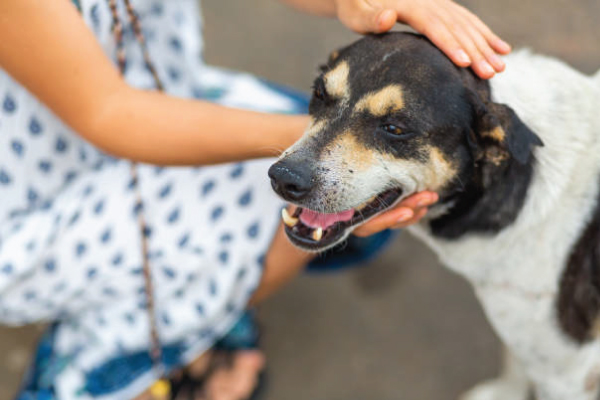
As humans increasingly embrace mindfulness, movement therapies, and holistic wellness, it’s natural that we extend these benefits to our beloved animal companions. Among the most transformative wellness practices for dogs—especially those living with chronic conditions—is mindful movement, particularly through dog yoga (also known as “Doga”) and gentle stretching. These practices can significantly improve mobility, reduce pain, enhance emotional wellbeing, and deepen the human-animal bond.
Chronic conditions such as arthritis, hip dysplasia, degenerative myelopathy, obesity-related joint stress, neurological disorders, and post-surgical recovery can greatly diminish a dog’s quality of life. Traditional veterinary medicine often focuses on symptom management with medications and surgeries. While these are essential, complementary practices like mindful movement offer non-invasive, low-impact interventions that support long-term health and comfort.
This comprehensive guide explores the science-backed benefits of yoga and stretching for dogs with chronic conditions, provides safe and effective techniques, outlines contraindications, and offers practical tips for integrating mindful movement into your dog’s daily routine. Whether you’re a pet owner, caregiver, or veterinary professional, this resource aims to equip you with knowledge and tools to enhance your dog’s physical and emotional wellness.
Understanding Chronic Conditions in Dogs
Before introducing any form of movement therapy, it’s critical to understand the types of chronic conditions that commonly affect dogs:
- Arthritis (Osteoarthritis): A degenerative joint disease affecting approximately 1 in 5 adult dogs. It causes pain, stiffness, reduced range of motion, and reluctance to move.
- Hip and Elbow Dysplasia: Genetic malformations in joint structure, particularly in large and giant breeds, leading to discomfort, lameness, and secondary arthritis.
- Degenerative Myelopathy (DM): A progressive neurological disorder, typically affecting older dogs like German Shepherds or Corgis, causing hind limb weakness, loss of coordination, and eventual paralysis.
- Intervertebral Disc Disease (IVDD): Especially common in Dachshunds and small breeds, it involves disc herniation that can compress the spinal cord, leading to pain and paralysis.
- Obesity-Related Joint Stress: Excess weight dramatically increases strain on joints, accelerating the onset and progression of conditions like arthritis.
- Chronic Back Pain or Post-Surgical Recovery: Dogs recovering from orthopedic or spinal surgery may experience residual stiffness and muscle atrophy.
Common symptoms across these conditions include reduced mobility, difficulty rising or climbing stairs, a wobbly gait, trembling limbs, reluctance to jump or play, and withdrawal from social interaction.
While pharmaceuticals such as NSAIDs and pain relievers are often prescribed, their long-term use can cause side effects such as gastrointestinal ulcers, kidney strain, and liver issues. This underscores the need for integrated care models that include physical therapy, weight management, dietary support, and mindful movement.
What Is Mindful Movement for Dogs?
Mindful movement refers to slow, intentional physical activities done with awareness of the body, breath, and environment. In human wellness, it includes practices like yoga, tai chi, and Pilates. When adapted for dogs, mindful movement focuses on gentle stretching, coordinated movement, relaxation, and breath synchronization—often guided by a human caregiver.
Doga (Dog Yoga): A fusion of yoga poses, stretching, meditation, and massage designed to include both humans and their dogs. Doga encourages bonding, improves flexibility, and promotes relaxation in both species.
Canine Stretching: Targeted, gentle stretches that improve joint range of motion, lengthen muscles, and release tension—especially beneficial for dogs with chronic pain or stiffness.
Mindful movement isn’t about performance or exertion. Instead, it emphasizes:
- Comfort over form
- Breath awareness (in the human, which calms the dog)
- Non-judgmental patience
- Respecting the dog’s limits
- Creating a peaceful environment
When practiced regularly and correctly, mindful movement can trigger physiological changes such as improved circulation, reduced inflammation, enhanced lymphatic drainage, and endorphin release (natural painkillers).
The Science Behind Yoga and Stretching for Dogs
While research on Doga and canine stretching is still emerging, numerous studies support the benefits of controlled movement and physical therapy in managing chronic conditions:
- Improved Joint Mobility and Flexibility
A 2021 study published in Veterinary and Comparative Orthopaedics and Traumatology found that dogs undergoing regular passive range of motion (PROM) exercises—similar to stretching—showed significant improvements in joint flexibility and gait symmetry compared to a control group. - Pain Reduction and Muscle Relaxation
Gentle, consistent stretching helps break the pain-stiffness cycle. When a dog experiences pain, it often tightens its muscles to protect the area, leading to more stiffness. Stretching reverses this cycle by gently loosening muscles and increasing blood flow to deliver oxygen and remove inflammatory byproducts. - Neuromuscular Re-Education
For dogs with neurological conditions like degenerative myelopathy, mindful movement helps retrain the brain-body connection. Slow, deliberate movements stimulate proprioception (awareness of limb position), encouraging better coordination. - Stress and Anxiety Reduction
Cortisol (the stress hormone) is lowered in both dogs and humans during calm, bonding activities like Doga. A 2019 study in Applied Animal Behaviour Science showed that dogs engaged in regular human-led gentle exercise exhibited lower cortisol levels and increased oxytocin (the “bonding hormone”). - Improved Circulation and Healing
Movement enhances blood flow and lymphatic drainage, supporting tissue repair and reducing swelling—critical during recovery phases or for senior dogs with poor circulation. - Weight Management Support
While not intense calorie burners, regular stretching and movement sessions encourage low-impact activity, helping maintain muscle mass while reducing fat accumulation. - Enhanced Human-Canine Bonding
The act of touching, holding, and synchronizing breathing during Doga fosters trust and communication between dog and owner, leading to better emotional health for both.
Benefits of Mindful Movement for Dogs with Specific Chronic Conditions
Let’s explore how mindful movement can support dogs with different long-term health issues:
1. Arthritis and Joint Degeneration
- Benefits: Reduces joint stiffness, maintains cartilage health, delays muscle atrophy, eases pain.
- Best Practices: Gentle PROM exercises, controlled standing stretches, slow walking between sessions.
- Example: Lifting the front leg slightly while supporting the elbow to stretch the shoulder joint.
2. Hip and Elbow Dysplasia
- Benefits: Strengthens surrounding muscles to stabilize joints, improves gait, prevents compensatory strain.
- Best Practices: Focus on stretching the iliopsoas (hip flexors), gluteals, and hamstrings. Use supportive therapy like placing a rolled towel under the hips during stretches.
3. Degenerative Myelopathy
- Benefits: Maintains hind limb range of motion, delays muscle loss, supports proprioception.
- Best Practices: Daily passive leg movements (cycling motion), standing balance exercises, tactile stimulation during stretching.
- Caution: Avoid overextending or forcing movement. Use a support sling if needed.
4. Intervertebral Disc Disease (IVDD)
- Benefits: Prevents secondary stiffness, promotes spinal alignment, enhances recovery after surgery.
- Best Practices: Very gentle neck and back stretches with minimal movement. Avoid flexion or twisting.
- Important: Always consult a veterinary physiotherapist before starting any program.
5. Obesity and Low Mobility
- Benefits: Builds joint endurance, improves motivation to move, supports gradual weight loss.
- Best Practices: Combine short stretching sessions with structured walks and hydrotherapy.
6. Post-Surgical Recovery
- Benefits: Speeds up rehabilitation, prevents scar tissue adhesion, maintains muscle tone.
- Best Practices: Begin only after veterinary clearance. Start with passive movements and progress slowly.
Essential Principles of Safe and Effective Mindful Movement
Before you begin any stretching or yoga routine, follow these key principles to ensure your dog’s safety and comfort:
- Veterinary Clearance
Always consult your veterinarian or a certified canine rehabilitation therapist before starting mindful movement, especially if your dog has a diagnosed condition or recent surgery. - Warm-Up First
Cold muscles are more prone to injury. Begin with 5–10 minutes of gentle walking or massage to warm tissues. - Move Slowly and Mindfully
Each stretch should be held for 15–30 seconds and repeated 2–3 times per side. Use slow, steady pressure—never force a stretch. - Watch for Warning Signs
If your dog shows signs of discomfort—whining, tensing up, pulling away, lip-licking, or yawning (a stress signal)—stop immediately. - Use Proper Support
For senior, weak, or large dogs, use supportive aids such as non-slip mats, orthopedic beds, or slings to prevent falls or overextension. - Maintain Your Own Calm
Dogs mirror human energy. Breathe deeply and speak softly. Your calm presence helps your dog feel safe. - Be Consistent, Not Intense
Daily short sessions (10–15 minutes) are more effective and safer than infrequent long ones. - Respect Your Dog’s Limits
Every dog is different. Some may enjoy full-body stretches, while others prefer brief touch and massage. Let your dog guide you.
A Step-by-Step Guide to Dog Yoga and Stretching
Here is a safe, beginner-friendly routine you can follow with your dog. Perform these exercises on a non-slip surface, such as a yoga mat or carpet, in a quiet, distraction-free room.
1. Preparation: Creating the Environment
- Choose a calm time of day (e.g., after a walk or before bedtime).
- Play soft instrumental music or nature sounds.
- Have treats or a favorite toy nearby for positive reinforcement (but don’t overfeed).
- Wear comfortable clothes and breathe deeply to set a relaxed tone.
2. Human Warm-Up and Centering (1–3 minutes)
Sit cross-legged and close your eyes. Inhale for 4 counts, exhale for 6. This calms your nervous system and prepares you to guide your dog. Place your hand gently on your dog’s back and synchronize your breathing with theirs.
3. Canine Warm-Up (3–5 minutes)
- Gently massage your dog’s neck, shoulders, and hips using circular motions.
- Encourage small movements: ask your dog to sit, down, and stand slowly to activate muscles.
- Perform a few gentle “paw lifts” — lift one front paw at a time for 2–3 seconds to activate proprioception.
4. Core Stretching Routine (10–15 minutes)
a. Neck and Shoulder Stretch
- Gently guide your dog’s head toward their shoulder (left and right).
- Use a treat to lure—do not pull.
- Hold for 15 seconds per side.
- Benefit: Relieves stiffness from carrying the head low or neck pain.
b. Front Leg Extension (Shoulder and Chest)
- With your dog in a standing or sitting position, gently extend one front leg forward.
- Support the elbow and hold for 15–20 seconds.
- Alternate sides.
- Benefit: Increases shoulder range of motion, especially helpful for arthritic dogs.
c. Rear Leg Extension (Hip and Hamstring)
- With your dog standing, gently extend one hind leg backward, keeping the knee straight but not locked.
- Support at the hock (ankle) and apply gentle pressure.
- Hold for 15 seconds.
- Note: Do not overextend. Ideal for dogs with hip dysplasia or rear limb weakness.
d. Belly Stretch (Cobra Pose for Dogs)
- Encourage your dog to lie in “prayer position” (front legs stretched forward, elbows on ground, hips up).
- Gently coax the chest forward using a treat.
- Hold for 10–15 seconds.
- Benefit: Stretches the abdomen and lower back, mimics “downward dog.”
e. Spinal Twist (Gentle Rotation)
- With your dog lying on their side, slowly move one hind leg across the body toward the opposite front leg.
- Keep the movement minimal—just a few inches.
- Hold for 10 seconds.
- Repeat on the other side.
- Caution: Avoid in dogs with spinal issues unless approved by a vet.
f. Hip Circles (Joint Mobilization)
- With your dog standing, place hands gently on the hips.
- Make small, slow circular motions (clockwise and counterclockwise).
- 5 rotations each way.
- Benefit: Improves hip joint lubrication and mobility.
5. Doga Poses: Human and Dog Together
a. Seated Forward Bend with Dog
- Sit with legs extended. Place your dog between your legs, facing the same direction.
- Gently lean forward, allowing your dog to follow or rest.
- Breathe deeply together.
- Bonding benefit: Encourages trust and calm.
b. Mountain Pose Connection
- Stand tall with feet shoulder-width. Invite your dog to sit in front of you.
- Place your hands on your heart, then slowly lower them to your dog’s shoulders.
- Synchronize breathing for 1–2 minutes.
- Mindfulness benefit: Enhances focus and connection.
c. Supported Downward Dog (Assisted Stretch)
- Help your dog into a front-down stretch (chest low, hips high) by placing a pillow or ramp under their front paws.
- Stand behind and gently guide the hips upward.
- Hold for 10–15 seconds.
- Benefit: Stretches spine, shoulders, and hind limbs.
6. Cool Down and Massage (3–5 minutes)
- End with gentle stroking and full-body massage.
- Focus on tense areas: neck, base of tail, shoulders.
- Offer a treat or a sip of water.
- Let your dog rest or sleep afterward.
Advanced Techniques and Variations
For dogs with more tolerance, consider integrating:
- Balance Training: Use balance pads or wobble boards (under supervision) to improve core strength.
- Tunnel Crawling: Encourages spinal movement and coordination.
- Paw Targeting: Touch your hand with each paw—enhances focus and joint use.
- Obstacle Walking: Low hurdles or weave poles (for able-bodied dogs) to stimulate mindful movement.
Always scale intensity based on the dog’s condition. Never compare your dog to others.
Adapting for Different Breeds and Sizes
- Small Dogs (e.g., Chihuahua, Pomeranian): Use your lap as a platform. Be extra gentle—avoid lifting.
- Large/Giant Breeds (e.g., Great Dane, Mastiff): Perform stretches on the floor. Use slings or support harnesses. Focus on weight-shifting exercises.
- Brachycephalic Breeds (e.g., Bulldog, Pug): Limit session duration; watch for breathing difficulties.
- Long-Backed Dogs (e.g., Dachshund, Basset Hound): Avoid spinal flexion. Emphasize core support.
Contraindications and When Not to Stretch
Not all dogs are candidates for stretching or yoga. Avoid or modify movements if your dog has:
- Acute pain or injury (e.g., recent sprain, post-op first 2–4 weeks)
- Fever or infection
- Open wounds or skin conditions
- Severe neurological deficits (e.g., non-ambulatory DM)
- Unstable fractures or spinal instability
- Aggressive pain responses
In these cases, seek guidance from a certified canine rehabilitation practitioner (CCRP) or veterinary physiotherapist.
Integrating Mindful Movement into Daily Life
To make mindful movement a sustainable habit:
- Schedule it: Pick a consistent time (e.g., after morning meds, pre-dinner).
- Keep it fun: Use treats, praise, and play.
- Track progress: Keep a journal noting improvements in mobility, comfort, or mood.
- Combine with other therapies: Pair with acupuncture, laser therapy, hydrotherapy, or therapeutic diets.
- Join a community: Attend Doga classes or online groups for support.
Professional Support and Resources
While home practice is valuable, professional guidance ensures safety and effectiveness:
- Canine Rehabilitation Therapists (CCRP, CCRT)
- Veterinary Physiotherapists
- Certified Doga Instructors
- Rehabilitation Clinics with Hydrotherapy Pools
Ask your vet for referrals. Look for certifications from organizations like:
- University of Tennessee Canine Rehabilitation Program
- Fitzgerald Veterinary Rehabilitation Institute
- International Association of Animal Massage & Bodywork (IAAMB)
Common Myths About Dog Yoga and Stretching
Let’s dispel some misconceptions:
- Myth 1: “Only young, flexible dogs can do yoga.”
Truth: Mindful movement is especially beneficial for older or stiff dogs. - Myth 2: “Stretching can replace medication.”
Truth: It’s complementary, not a substitute. Always follow veterinary advice. - Myth 3: “All dogs love Doga.”
Truth: Some may resist at first. Introduce gradually and respect their pace. - Myth 4: “You need special equipment.”
Truth: A mat and treat are often enough. Add supports as needed.
Conclusion
Mindful movement through yoga and stretching is a compassionate, holistic approach to supporting dogs with chronic conditions. It goes beyond physical relief—it nurtures emotional connection, reduces suffering, and empowers pet parents to play an active role in their dog’s wellness journey.
By understanding your dog’s unique needs, using gentle and intentional techniques, and collaborating with veterinary professionals, you can create a personalized routine that enhances comfort, mobility, and quality of life.
Remember, the goal isn’t perfection or performance—it’s presence. A few minutes of mindful stretching each day can transform your dog’s experience of aging, pain, and limitation into one of grace, dignity, and love.
As the ancient yogic principle suggests: “The body is your temple. Keep it pure and clean for the soul to reside in.” This truth applies not only to humans but to our four-legged family members as well.
Let your time on the mat—yours and your dog’s—become a shared sanctuary of healing, peace, and connection.
#Doga, #DogYoga, #MindfulMovementForDogs, #CanineStretching, #SeniorDogCare, #ArthritisInDogs, #ChronicPainReliefForDogs, #HolisticDogCare, #DogPhysicalTherapy, #CanineRehabilitation, #DogWellness, #GentleDogExercise, #HipDysplasia, #DegenerativeMyelopathy, #IVDD, #DogMobility, #DogMassage, #PetWellness, #DogHealthTips, #DogaWithMyDog, #BondWithYourDog, #DogRecovery, #LowImpactExercise, #MobilityAidsForDogs, #CanineFlexibility, #DogTherapy, #HealingThroughMovement, #DogLove, #HealthySeniorDogs, #AnimalWellness





Add comment