
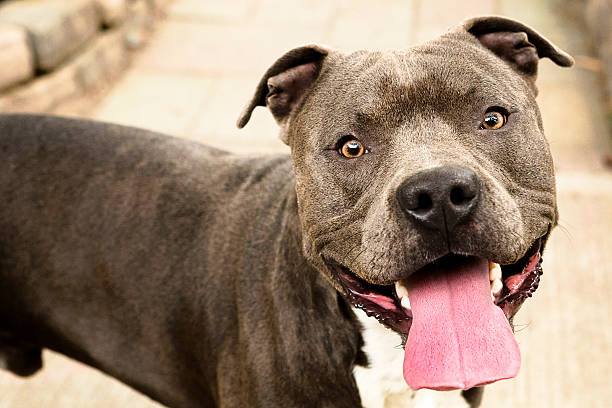
In the dynamic world of dog obedience training, methods and philosophies abound, ranging from traditional command-and-correction to purely positive reinforcement. Yet, beneath the surface of explicit commands and treat lures lies a profound, often overlooked dimension: the silent language of energy, intention, and emotional resonance shared between humans and their canine companions. This guide delves into “Mindful Training,” a holistic approach that harnesses the power of the human’s internal state – specifically, breath control and calm energy – to profoundly influence a dog’s behavior, foster deeper understanding, and build an unbreakable bond based on mutual trust and respect.
This isn’t merely about teaching a dog to “sit” or “stay”; it’s about cultivating a more present, empathetic, and effective partnership. It’s about becoming the calm, confident leader your dog instinctively seeks, not through dominance or force, but through a steady, reassuring presence that communicates safety and guidance.
I. Introduction: The Heart of Mindful Dog Training
Beyond the mechanics of cues and rewards, dog training fundamentally involves communication. But what if the most potent form of communication isn’t verbal, but energetic? Mindful training posits that our internal state—our thoughts, emotions, and even our physiological responses like heart rate and breathing—are constantly being broadcast to our dogs. They are master interpreters of subtle cues, and our state of being often speaks louder than our words or actions.
Traditional training, while effective for teaching specific behaviors, can sometimes miss the underlying emotional and energetic landscape. A dog may perform a command out of fear of correction or anticipation of a treat, but without a genuine understanding or willingness rooted in a calm, connected state. Mindful training seeks to bridge this gap, focusing on the human’s transformation as the primary catalyst for the dog’s behavioral change.
The profound impact of human state on canine behavior is not mystical; it’s rooted in canine sensitivity, emotional contagion, and the subtle exchange of physiological information. When we approach training with a frantic, stressed, or inconsistent energy, our dogs often mirror that state, manifesting as anxiety, resistance, or hyper-activity. Conversely, when we cultivate a state of calm, centered presence, we offer our dogs a stable anchor, enabling them to relax, focus, and learn more effectively.
This guide will illuminate the science and philosophy of mindful influence, provide practical techniques for cultivating your inner calm, and demonstrate how to apply these principles across all aspects of dog obedience training and daily life. It’s a journey towards a more conscious, connected, and compassionate relationship with your canine partner.
II. The Science and Philosophy Behind Mindful Influence
The idea that our internal state profoundly impacts our dogs might seem intuitive to many pet owners, but it is also supported by a growing body of scientific evidence and deep-rooted philosophical principles.
Canine Sensitivity: Masters of Perception
Dogs possess an astonishing sensory apparatus that allows them to perceive the world, and specifically their human partners, with a depth we often underestimate.
- Olfactory Prowess: A dog’s sense of smell is legendary, estimated to be 10,000 to 100,000 times more acute than a human’s. They can detect subtle changes in our pheromones and volatile organic compounds released through our breath and skin. When we are stressed, our bodies release specific chemical signals (e.g., cortisol metabolites) that dogs can detect, even at minute concentrations. This means your anxieties, fears, or frustrations are literally “smelled” by your dog.
- Auditory Acuity: Dogs can hear frequencies far beyond human range and discern subtle variations in tone, pitch, and rhythm. While we might think we’re speaking calmly, underlying tension in our voice or an elevated heart rate can be readily picked up by our dogs.
- Perception of Subtle Cues: Beyond smell and sound, dogs are experts at reading body language. They observe our posture, facial expressions, eye movements, and even minute shifts in weight and muscle tension. A slight tightening of your jaw, tensing of your shoulders, or hurried movements can signal your internal state to your dog, even before you consciously register it.
Emotional Contagion: Dogs Mirroring Human States
Dogs are highly attuned social animals, and they exhibit profound emotional contagion. This means they can “catch” and mirror the emotions of those around them, particularly their primary caregivers.
- Neurobiology of Empathy: Research suggests that dogs, like humans, possess mirror neurons, which fire both when an individual performs an action and when they observe another performing the same action. This neural mechanism is believed to underpin empathy and the ability to understand and share the feelings of others.
- Oxytocin and the Human-Dog Bond: The “love hormone,” oxytocin, plays a crucial role in forming social bonds. Studies show that mutual gazing between humans and dogs can elevate oxytocin levels in both species, reinforcing their connection. However, stress and anxiety in the human can disrupt this positive feedback loop, leading to cortisol release instead of oxytocin.
- Physiological Synchrony: Studies using heart rate monitors and other physiological measures have demonstrated that dogs’ heart rates, breathing patterns, and even cortisol levels can synchronize with their human owners. If a human is stressed, the dog’s stress levels tend to rise. Conversely, a calm human can help regulate a dog’s physiological state, promoting relaxation.
Energy Transfer: Beyond the Metaphor
The concept of “energy” in this context isn’t a mystical force, but rather a holistic descriptor for the sum of these physical and emotional outputs. When we speak of “calm energy,” we refer to a state characterized by:
- Regulated Breathing: Slow, deep, diaphragmatic breaths.
- Lowered Heart Rate: Indicative of a parasympathetic nervous system (rest and digest) dominance.
- Relaxed Muscle Tone: Absence of tension in face, shoulders, hands.
- Stable Posture: Grounded and balanced.
- Consistent Olfactory Signature: Lowered stress hormones like cortisol.
- Clear, Unwavering Intention: Mental focus without agitation.
This collective “broadcast” creates an environment of predictability and safety for the dog. They interpret this as competence and leadership. A human who is consistently emitting calm, clear energy is perceived as a reliable guide, fostering trust and willingness to follow.
The Power of Presence: Being Here, Now
In our fast-paced, distracted world, true presence can be rare. When we are physically with our dog but mentally preoccupied, our attention is fragmented, and our energy is dispersed. Dogs are acutely aware of this. Being fully present means:
- Undivided Attention: Your focus is entirely on your dog and the interaction.
- Mindful Observation: Noticing your dog’s subtle cues, shifts in their mood, and changes in the environment.
- Intentional Engagement: Every interaction, from a simple stare to a training session, is imbued with purpose and awareness.
When we are truly present, we create a powerful energetic container for the interaction, free from the noise of our internal monologue or external distractions. This allows for genuine connection and effective communication.
The L.I.F.T. Principle: Listen, Intend, Feel, Trust
To summarize the philosophical core of mindful training, consider the L.I.F.T. principle:
- Listen: Really listen to your dog – not just their barks or explicit behaviors, but their subtle body language, their emotional state, their needs.
- Intend: Set a clear, positive intention for every interaction. What do you want to achieve, and what energy do you want to bring to it?
- Feel: Be aware of your own internal state. How are you feeling right now? Is your body tense? Is your breath shallow? Adjust yourself before you interact.
- Trust: Trust your dog to understand and respond to your calm, clear energy. Trust the process, and trust in the bond you share.
This framework provides a foundation for shifting from reactive training to a proactive, conscious partnership.
III. Cultivating Your Inner Calm: The Human Foundation
Before we can effectively influence our dogs, we must first learn to manage our own internal landscape. This is the cornerstone of mindful training: the human’s self-awareness and self-regulation.
Breathing as Your Anchor
Our breath is an immediate, powerful, and always-available tool for regulating our nervous system. When we are stressed, our breath tends to be shallow, rapid, and held high in the chest. Shifting to deep, diaphragmatic breathing activates the parasympathetic nervous system, promoting relaxation.
- Diaphragmatic (Belly) Breathing: The Physiological Reset
- How to Practice: Lie down or sit comfortably. Place one hand on your chest and the other on your abdomen, just below your ribs. Inhale slowly and deeply through your nose, feeling your abdomen rise while your chest remains relatively still. Exhale slowly through your mouth (or nose), feeling your abdomen fall. Focus on making your exhales slightly longer than your inhales.
- Application: Practice this daily for 5-10 minutes. Before any training session, a walk, or when your dog is exhibiting challenging behavior, take 3-5 deep belly breaths. This sends a clear signal to your body (and your dog!) that you are entering a calm, regulated state. This is your immediate go-to for centering.
- Box Breathing (4-4-4-4): For Managing Acute Stress
- How to Practice: Inhale slowly for a count of four. Hold your breath for a count of four. Exhale slowly for a count of four. Hold your breath (lungs empty) for a count of four. Repeat for several cycles.
- Application: Excellent for moments of acute frustration or when you feel yourself getting agitated during training. Step away for a moment, perform a few rounds of box breathing, and then re-engage with renewed focus and calm.
- Mindful Sigh: A Quick Release
- How to Practice: Take a deep inhale, filling your lungs completely, and then let out a long, audible sigh (the kind where your shoulders drop).
- Application: A quick and effective way to release tension and reset your breath when you feel a build-up of stress.
- Integrating Breathing into Daily Life: The more you practice these techniques outside of training scenarios, the more naturally they will come to you in moments of need. Make mindful breathing a habit – during your commute, before meals, or even just waiting in line.
Understanding and Shifting Your Energy
“Calm energy” is not passivity or apathy. It’s a grounded, centered presence; a state of focused readiness without tension or undue excitement. It’s the energy of a confident, reliable leader.
- Identifying Your Own Stressors: Become aware of what triggers you and how stress manifests in your body. Do your shoulders tense? Does your jaw clench? Does your voice rise? Recognizing these patterns is the first step to changing them.
- Techniques for Cultivating Calm:
- Brief Body Scan Meditation: Take a few moments to mentally scan your body, noticing any areas of tension. Wittingly relax those areas.
- Progressive Muscle Relaxation: Tense and then relax different muscle groups throughout your body. This helps you become aware of tension and then consciously release it.
- Visualization: Before interacting with your dog, close your eyes and visualize the desired outcome – a calm walk, a successful recall, a relaxed interaction. See yourself radiating calm, and your dog responding positively.
- Self-Compassion and Patience: Recognize that cultivating calm is a journey, not a destination. Be patient with yourself. Some days will be easier than others. Acknowledge your frustrations without judgment, and gently guide yourself back to a state of calm.
The Role of Intention and Focus
Our intention is a powerful, often subconscious, directive we send out. An unclear or agitated intention can confuse a dog, while a clear, calm intention provides direction.
- Setting a Clear, Positive Intention: Before starting any interaction or training session, pause and mentally state your intention. “My intention is for this walk to be calm and enjoyable,” or “My intention is to teach ‘sit’ with patience and clarity.” This mental commitment helps align your energy.
- Eliminating Distractions: When training or interacting with your dog, truly be there. Put your phone away, turn off the TV, and focus solely on your dog. Fragmented attention leads to fragmented energy.
- The Power of a Focused Gaze and Gentle Touch: Your eyes can convey confidence, empathy, and direction. A soft, steady gaze can be reassuring. Similarly, purposeful, gentle touch (e.g., a calm stroke, a guiding hand) communicates far more effectively than hurried or tense movements.
IV. Applying Mindful Training to Core Obedience Skills
With your internal state cultivated, you can now apply these mindful principles to specific obedience training scenarios, transforming them from mere rote exercises into opportunities for profound connection and learning.
Before You Start: Preparation is Key
- Self-Assessment: Before engaging with your dog, check in with yourself. How do you feel emotionally and physically? If you’re stressed, take a few minutes to re-center using breathing techniques.
- Prepare the Environment: Choose a training space with minimal distractions initially. Ensure it’s safe and conducive to focus.
- Assess Your Dog’s State: Is your dog overly excited, anxious, or tired? Adjust your expectations and approach accordingly. Sometimes, a short period of calm petting or a gentle walk can help bring your dog to a more receptive state.
Leash Manners: The Mindful Walk
The walk is one of the most common interactions, and often a source of frustration. Mindful walking transforms it into a shared, reflective experience.
- Your Posture, Breath, and Energy: Stand tall but relaxed. Shoulders back and down. Breathe deeply into your belly. Your energy should be one of quiet confidence and presence. The leash becomes an extension of this calm energy.
- The Leash as an Extension, Not a Restraint: Think of the leash not as a tool to control, but as a communication line. Keep it loose, allowing space for your dog to move within reasonable bounds. Any tension should be a gentle, subtle suggestion, not a yank.
- Responding to Pulling: Re-centering, Not Correcting: If your dog pulls, instead of yanking or scolding, simply stop. Take a deep breath. Wait for the leash to slacken, even for a moment, then calmly resume walking. This teaches your dog that pulling stops forward motion, while a loose leash allows progress. Your calm, consistent response is the key.
- Navigating Distractions Mindfully: When a distraction appears (another dog, a squirrel), pre-emptively calm yourself. Breathe deeply. Tighten your core (this naturally helps you feel more grounded). Use your calm energy to gently guide your dog past or help them re-focus on you. This is not about avoiding the distraction, but about moving through it with a steady, reassuring presence.
Recall: The Call of Calm
A reliable recall is paramount, and mindful training makes it an inviting, positive experience, not a drill.
- Building Positive Associations: Your voice calling your dog should always evoke a positive, calm feeling. Never use your recall cue when you are angry or frustrated. Practice in fun, low-pressure environments.
- Practice in Low-Distraction Environments First: Start in a fenced yard or quiet park. Call your dog, and when they approach, reward them with calm praise, a gentle scratch, or a high-value treat, all delivered with calm energy.
- Your Body Language: Inviting, Open: When you call your dog, turn your body slightly sideways, crouch down, and open your arms. This body language is inviting and non-threatening, encouraging them to come to you.
- The “Emergency Recall” with a Calm Mindset: Even for an emergency recall, your internal state should be one of focused urgency, not panic. Breathe deeply, project a clear intention, and use a distinct, high-value reward when they respond. Your calm ensures they don’t associate the “emergency” with your stress.
Sit, Stay, Down: Foundation of Stillness
These classic commands are perfect opportunities to teach stillness and focus through calm guidance.
- Using Physical Cues with Mindful Intent: When luring your dog into a “sit” or “down” with a treat, your hand movements should be slow, deliberate, and smooth. Your voice, if used, should be soft and even. Your breathing should be deep.
- Teaching Duration: Extending Stays with Consistent Energy: For “stay,” start with very short durations. Your calm energy acts as an invisible anchor. Look at your dog with a soft, steady gaze. If you become fidgety or anxious, your dog will often break the stay. Practice “stay” not just as a command, but as a shared moment of calm focus.
- Releasing from a Command: A Gentle, Positive Transition: When releasing your dog, use a clear, happy, but not overly excitable command (e.g., “Okay!” or “Free!”). Your energy should transition smoothly from focused calm to positive engagement.
“Leave It” / “Drop It”: Impulse Control with Presence
These commands are about teaching self-control, which is directly impacted by your ability to remain calm and consistent.
- How Your Calm Focus Can Anchor Your Dog: When teaching “leave it,” present an item your dog wants. Your job is to radiate calm, unwavering focus. Your body language should be still and centered. Your breath deep. Patiently wait for your dog to disengage, even for a second, then calmly reward.
- Teaching Self-Control, Not Just Compliance: The goal isn’t just for them to obey, but to choose to disengage from the distraction. Your calm energy helps them regulate their own impulses. If you get agitated, their excitement or frustration will likely override their ability to comply.
Greeting Guests Calmly
Over-excited greetings are common. Mindful training helps manage this.
- Managing Excitement with Proactive Calm: Before guests arrive, engage your dog in a calm activity or a short walk to expend excess energy.
- Structured Greetings: Have your dog on a leash. As guests approach, proactively calm yourself with breathing. Ask your dog for a “sit” or “down.” Your calm presence is the primary signal to your dog that this is a low-key event. Ask guests to ignore your dog until they are calm, then greet them gently.
V. Addressing Behavioral Challenges with Mindful Influence
Many challenging dog behaviors stem from underlying anxiety, over-excitement, or miscommunication. Mindful training offers a powerful lens and toolkit for addressing these issues at their energetic root.
Reactivity (Barking/Lunging at Triggers)
Reactivity is often a manifestation of fear, frustration, or over-arousal. Your own emotional response to your dog’s reactivity plays a huge role.
- Managing Your Own Stress Response: The first step is to recognize that your tension often escalates their reactivity. When you anticipate a trigger, resist the urge to tense up, shorten the leash, or hold your breath. Instead, take a deep, calming breath. Release tension from your shoulders.
- Proactive Breathing and Energy Shifts: As you approach a known trigger, practice diaphragmatic breathing. Mentally visualize a calm, successful pass. Project an energy of confident, protective calm.
- Counter-Conditioning with Calm: When your dog notices a trigger but remains under threshold (not reacting), calmly reward them. Your calm praise and a treat delivered in a relaxed manner reinforce their calm state. If they do react, smoothly disengage and create distance, re-centering yourself before re-engaging.
- Using Distance and Observation: Work initially at a distance where your dog can notice the trigger but not react. This allows you to maintain your calm, and for your dog to observe the trigger without emotional overload. Slowly decrease distance as your dog consistently remains calm.
Anxiety and Fear (Separation, Noise Phobia, General Anxiety)
Anxious dogs need a stable, predictable, and calm anchor in their human.
- Being a Calm Anchor: When your dog is anxious, your presence should be a source of immediate relief. Avoid overly doting or panicking reactions, which can unintentionally reinforce their anxiety. Instead, offer quiet reassurance through a calm touch, a steady gaze, and a relaxed posture.
- Creating a Safe, Predictable Environment: Establish a consistent routine. Rituals (like a specific “goodbye” routine that isn’t overly dramatic) can reduce separation anxiety. A designated “safe space” (crate, bed) where your dog can retreat can be enhanced by your calm energy.
- The Power of Your Quiet Presence: During stressful events (thunderstorms, fireworks), instead of trying to “fix” the fear with frantic attempts, simply be present. Sit calmly near your dog, breathing deeply. Read a book, or just be still. Your quiet, unwavering calm can be incredibly soothing.
- Mindful Touch and Massage: Gentle, slow, rhythmic stroking or massage can activate your dog’s parasympathetic nervous system. Focus on areas where they hold tension (often around the head, neck, and shoulders). Breathe deeply as you perform the massage, allowing your calm energy to flow through your touch.
Excessive Barking / Attention Seeking
Often, excessive barking is a cry for attention or an expression of unmet needs. Your mindful response can redefine the interaction.
- Identifying the Root Cause: Is your dog barking out of boredom, anxiety, territoriality, or simply because it has worked in the past to get your attention? Address the underlying need (more exercise, mental enrichment, security).
- Responding with Calm Non-Engagement: If the barking is attention-seeking, the crucial step is to not reward it with any attention – positive or negative. Turn your back, walk away, or leave the room. Wait for a moment of quiet, then calmly reward that silence. Your calm, consistent lack of response breaks the reinforcement cycle.
- Teaching an Incompatible, Calm Behavior: Instead of just stopping the barking, teach an alternative, calm behavior. For example, teach “go to your mat” and reward your dog for lying down quietly when someone comes to the door, rather than barking. Your calm guidance is essential here.
Nipping and Mouthing
Common with puppies, but sometimes persisting into adulthood.
- Redirecting with Calm, Consistent Boundaries: When your dog mouths, calmly remove your hand/body part and redirect them to an appropriate chew toy. Do not yell or pull away frantically, as this can heighten their excitement. Your calm, firm “no” or “oops” followed by redirection is key.
- Teaching Bite Inhibition: If mouthing is still playful, allow gentle mouthing, but if it becomes too hard, yelp (like another puppy), withdraw attention (your calm energy is removed), then re-engage calmly once they settle.
VI. Integrating Mindfulness into Daily Life and Strengthening the Bond
Mindful training isn’t just for specific training sessions; it’s a philosophy that can permeate every aspect of your life with your dog, deepening your connection and fostering a sense of shared peace.
Mindful Mealtimes
Turn routine feeding into an opportunity for calm instruction and anticipation.
- Establishing Routine, Calm Anticipation: Make mealtime predictable. Ask your dog to “sit” or “stay” before putting the bowl down. Wait for them to be in a calm state before releasing them. Your calm presence confirms that good things come from a placid disposition. This teaches patience and control around resources.
Mindful Play
Play is vital for mental and physical health, but it can easily escalate into over-arousal.
- Engaged, Present Play: Be fully present during playtime. Engage with toys, not just throwing them. Observe your dog’s cues – are they still having fun, or are they becoming over-stimulated?
- Knowing When to Start and Stop: Initiate play when you are calm and end it before your dog becomes frantic. Use a calm “all done” cue and walk away, signaling the end of play. This teaches them boundaries and helps them regulate their own excitement levels. A calm cool-down period after play is also beneficial.
Grooming and Handling
Many dogs are stressed by grooming or veterinary visits. Your calm energy can be a powerful antidote.
- Gentle Touch, Relaxed Posture: Approach grooming or handling with a calm, reassuring demeanor. Breathe deeply yourself. Use slow, deliberate movements.
- Positive Associations: Pair handling with calm praise and gentle treats. If your dog is stressed, go very slowly, only doing what they can tolerate, and stop before they get overwhelmed. Your calm, patient approach builds trust.
Rest and Relaxation
Even in moments of rest, your energy influences your dog.
- Co-existing in a State of Calm: Spend time simply being in the same room as your dog, both of you in a relaxed state. This fosters a sense of shared calm and security. Your quiet presence is a comforting anchor.
Creating a Calm Home Environment
Your home environment is an extension of your energy.
- Routine and Predictability: Dogs thrive on routine. Consistent feeding times, walk schedules, and training sessions reduce anxiety.
- Designated Spaces: Ensure your dog has a comfortable, quiet space where they can retreat and feel safe.
- Minimizing Chaotic Energy: Be mindful of the overall energy in your home. Loud noises, frequent arguments, or constant frantic activity can contribute to canine stress. Strive for a generally peaceful atmosphere.
The Deepening Connection: Trust, Understanding, Unconditional Love
By consistently applying mindful training, you build more than just obedience; you forge a profound bond.
- Trust: Your dog learns that you are a reliable, predictable source of safety and guidance.
- Understanding: You become more adept at reading your dog’s signals, and they, in turn, understand your intentions more clearly.
- Unconditional Love: This deep connection strengthens the unconditional love that defines the human-dog relationship, making it richer and more resilient.
VII. Navigating Obstacles and Sustaining the Practice
Mindful training is a journey, not a destination. There will be days when you falter, when frustration creeps in, or when your dog seems unresponsive. These moments are part of the process and offer opportunities for deeper growth.
When Frustration Arises
It’s inevitable. We are human.
- Recognizing It: Acknowledge when you feel frustration, anger, or impatience bubbling up. Don’t suppress it, but don’t act on it.
- Taking a Break: Immediately stop the training session or interaction. Step away physically. Give yourself space.
- Recentering: Use your breathing techniques (box breathing is excellent here). Remind yourself of your intention. Perhaps take a short walk alone or grab a refreshing drink. Only re-engage when you genuinely feel calmer. Your dog will benefit from the pause as much as you will.
Dog’s “Bad Days”
Just like humans, dogs have off days due to mood, health, or environmental factors.
- Empathy and Adjusting Expectations: If your dog seems unusually distracted, tired, or anxious, acknowledge it. Don’t push them. Instead, opt for simpler, familiar exercises, or just a calm cuddle. Some days are for gentle connection, not intensive training.
- Not Taking It Personally: A dog’s “resistance” is rarely personal. It’s usually a manifestation of their current state or a need that isn’t being met. Separate their behavior from their worth or your competence as a trainer.
The Myth of Perfection: Progress, Not Perfection
Mindful training isn’t about achieving a perfectly obedient dog or becoming a perpetually serene human.
- Embrace the Imperfection: Focus on consistent effort and incremental progress. Celebrate small victories. Every time you consciously choose to breathe and recenter, that’s a success.
- Learning and Growing: Both you and your dog are constantly learning. Be curious about what works, what doesn’t, and why.
Consistency Is Key: Building New Habits
This approach requires consistent self-awareness and practice from the human.
- Building Your Own Habits: Make mindful breathing and energy checks a daily ritual, not just a training tool. The more you integrate it into your life, the more natural it becomes.
- Repetition with Intention: Mindful training doesn’t mean less practice; it means more intentional practice. Repetition, combined with your calm energy, solidifies new behaviors and strengthens the bond.
When to Seek Professional Help
Mindful training is powerful, but it’s not a substitute for professional guidance when dealing with severe behavioral issues or deep-seated anxiety/aggression.
- Identifying Red Flags: If your dog exhibits persistent aggression, severe separation anxiety, phobias that prevent normal functioning, or sudden, drastic behavioral changes, consult a certified professional dog trainer or a veterinary behaviorist.
- Working with Mindful Trainers/Behaviorists: Seek out professionals who align with positive, force-free, and mindful training philosophies. They can provide tailored guidance and additional tools.
Self-Care for the Mindful Dog Owner
You cannot pour from an empty cup. Sustaining your calm energy requires you to replenish it.
- Prioritize Your Well-being: Ensure you get enough sleep, eat well, exercise, and engage in your own stress-reducing activities (meditation, hobbies, spending time in nature).
- Fuel Your Calm Reservoir: The calmer and more balanced you are in your own life, the more readily you can access that state for your dog.
VIII. Advanced Concepts: Intuitive Communication and Deepening Trust
As you consistently practice mindful training, you’ll begin to notice a shift in your relationship with your dog. You’ll move beyond explicit commands into a more intuitive, telepathic connection.
Beyond Words: Reading Subtle Cues
With increased presence, you’ll become incredibly attuned to your dog’s subtle signals – a slight shift in ear position, a flicker of the eyes, a tiny yawn that indicates stress. You’ll learn to anticipate their needs and reactions before they fully manifest. This isn’t magic; it’s heightened observation facilitated by calm presence.
The Unspoken Dialogue: A Reciprocal Flow of Calm Energy and Understanding
There will be moments when you communicate with your dog without a single word or physical cue. Your calm intention, a soft gaze, or a subtle change in your posture will be enough for your dog to understand. This is the ultimate goal: a seamless, reciprocal flow of understanding where both partners are attuned to each other’s energetic landscape. Your dog, in turn, will increasingly communicate their needs and desires through subtle shifts in their own energy, which you will be better equipped to perceive.
Shared Stillness: Moments of Profound Connection Without Interaction
These are times when you and your dog simply exist together in comfortable silence, a state of shared calm. Perhaps your dog rests their head on your lap while you read, or you both sit on a park bench, observing the world. These moments of quiet togetherness, free from expectation or demand, are incredibly bonding and reinforce the deep trust you’ve built. They are reflections of the inner peace you’ve both cultivated.
Mindfulness as a Lifestyle: Not Just a Training Technique, But a Way of Being with Your Dog
Ultimately, mindful training transcends specific techniques. It becomes a way of life, a conscious choice to engage with your dog and the world from a place of presence, empathy, and calm. It enriches not only your relationship with your dog but also your own well-being, fostering greater patience, self-awareness, and compassion in all your interactions. Your dog becomes a profound teacher on your journey towards a more mindful existence.
IX. Conclusion: A Journey of Shared Calm and Connection
Mindful training, at its core, is a deeply empathetic and powerfully effective approach to dog obedience and companionship. By focusing on the human’s internal state – mastering breath, cultivating calm energy, and acting with clear intention – we unlock a profound level of communication and connection with our dogs. This journey is not about imposing our will but about becoming worthy leaders: consistent, predictable, and reassuring anchors in their world.
The benefits are transformative:
- For Your Dog: Reduced anxiety, increased focus, greater confidence, a stronger sense of security, and a deeper desire to cooperate. They learn not out of fear or mere Pavlovian response, but out of a genuine desire to engage with their calm, trusted human.
- For You: Enhanced self-awareness, greater patience, reduced stress, a profound sense of connection, and the joy of a truly harmonious partnership. It’s an opportunity for personal growth mirrored in the growth of your relationship with your canine companion.
Embrace this journey with an open heart, a calm breath, and an unwavering commitment to presence. The results will not only astound you but will forge a bond with your dog that transcends commands and creates a lifetime of shared calm, understanding, and unconditional love. Begin today, one mindful breath at a time, and watch the beautiful transformation unfold.
#MindfulDogTraining, #CalmDogTraining, #DogObedience, #PositiveDogTraining, #DogTrainingTips, #HumanDogBond, #CanineConnection, #DogBehavior, #ReactiveDog, #AnxiousDog, #BreathworkForDogs, #CalmEnergy, #DogWisdom, #EmpatheticDogTraining, #ForceFreeTraining, #HolisticDog, #DogWellness, #DogLife, #MindfulPetParent, #TrustYourDog, #DogLover, #DogTrainer, #PuppyTraining, #LeashManners, #RecallTraining







Add comment