
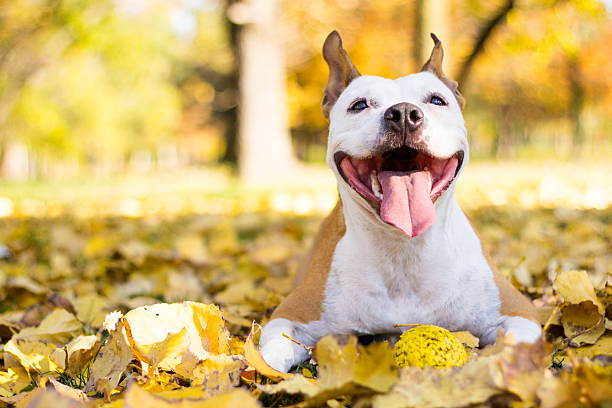
Dog obedience training is a journey, not a destination. It’s an ongoing process that strengthens the bond between you and your canine companion, fosters mutual understanding, and ensures your dog is a well-adjusted, confident, and polite member of society. While many owners tackle training haphazardly, a structured, themed approach can yield profound results, ensuring deep understanding of each command, building solid foundations, and preventing both dog and owner from becoming overwhelmed.
This comprehensive guide delves into the benefits and practical application of a monthly themed training program, focusing on essential skills like ‘Recall’, ‘Heel’, ‘Leave It’, and more. We will explore a 12-month curriculum designed to systematically build your dog’s obedience repertoire, proof their skills in diverse environments, and integrate complex behaviors, all while maintaining engagement and fun.
I. The Philosophy of Monthly Themed Training
Imagine trying to master ten different musical instruments simultaneously. It would be chaotic, frustrating, and likely result in superficial understanding of all of them. Dog training often falls into this trap when owners try to teach too much too soon. Monthly themed training offers a focused, systematic alternative.
Why Themed Training?
- Deep Understanding & Mastery: By dedicating a concentrated period (a month) to one or two core skills, both you and your dog can delve deeply into the nuances of the command. This allows for rigorous practice, troubleshooting, and proofing until the skill is truly solid.
- Prevents Overwhelm: For owners, juggling multiple new commands can be confusing. For dogs, especially puppies or those new to training, a barrage of instructions can lead to burnout or disengagement. A themed approach simplifies the learning process for everyone.
- Builds Strong Foundations: Obedience commands are often interconnected. Mastering one skill, like “Stay,” provides a crucial foundation for others, like “Recall” (staying put until called) or “Loose Leash Walking” (staying beside you). Themed training ensures these building blocks are robust.
- Enhances Consistency: A monthly theme provides a clear objective, making it easier to integrate training into daily routines. Every walk, every mealtime, every play session can become an opportunity to reinforce the month’s theme.
- Boosts Confidence (for both): Success breeds confidence. As your dog consistently masters a skill, their confidence grows, making them more eager to learn the next challenge. Owners also feel more competent and motivated.
- Structured Progression: This approach naturally lends itself to a logical progression, starting with basic concepts and gradually increasing difficulty, duration, distance, and distraction (the “4 Ds” of proofing).
- Fun and Engagement: By focusing on specific games and drills related to the theme, training remains fresh and exciting. It prevents the monotony that can set in when practicing a wide array of commands cursorily.
Setting Up for Success:
Before embarking on this 12-month journey, consider these foundational elements:
- Tools: A comfortable, well-fitting flat collar or harness, a standard 6-foot leash, a long line (15-30 feet), high-value training treats (small, soft, easily consumed), a clicker (optional but highly recommended for precision), a treat pouch, and a mat/bed for “Place” command.
- Environment: Start training in a quiet, distraction-free environment (indoors). Gradually introduce mild outdoor distractions, then move to more stimulating public spaces.
- Mindset: Patience, consistency, and a positive attitude are paramount. Celebrate small successes and understand that setbacks are part of the learning process. Keep training sessions short (5-10 minutes) but frequent (2-3 times a day).
- Motivation: Discover what truly motivates your dog – high-value treats, favorite toys, praise, or a combination. This will be your primary reinforcement tool.
II. The Foundational Skills: The Pillars of Obedience
While our monthly themes will focus on specific skills, it’s crucial to understand the interconnectedness of core obedience behaviors. The “Big Three” often cited are Recall, Heel (or Loose Leash Walking), and Leave It, but a truly well-mannered dog requires mastery of several others.
- Recall (Come!): The ability to reliably return to you when called, regardless of distractions. This is arguably the most critical safety command.
- Heel / Loose Leash Walking: Walking politely by your side without pulling, giving you control and making walks enjoyable. “Heel” is a more precise, formal position, while “Loose Leash Walking” allows for more freedom while still maintaining slack in the leash.
- Leave It: The ability to ignore or move away from an enticing or potentially dangerous item. Crucial for safety and impulse control.
- Drop It: Releasing an item already in their mouth. Essential for possession control and preventing resource guarding.
- Sit / Down / Stand: Basic positions that form the building blocks for more complex behaviors and offer control.
- Stay / Wait: Maintaining a position until released. “Stay” often implies remaining in a fixed spot, while “Wait” is a pause before action (e.g., at a door).
- Settle / Place: Going to a designated spot (mat, bed) and calmly remaining there. Promotes relaxation and management.
- Polite Greetings: Not jumping on people or other dogs, exhibiting calm and appropriate social behavior.
- Body Handling / Cooperative Care: Accepting being touched, groomed, examined, and handled (e.g., for vet visits). Builds trust and reduces stress during necessary procedures.
III. The 12-Month Themed Training Program
This program offers a structured, progressive approach. Remember to adapt it to your dog’s individual learning pace, age, and temperament. The integration of previously learned skills is vital throughout the year.
Month 1: Foundation & Engagement – Building the Bond
Core Focus: Establishing a strong positive bond, teaching the dog that training is fun and rewarding, developing attentiveness, and introducing basic positive reinforcement mechanics.
Key Skills:
- Name Recognition: Consistently responding to their name.
- “Look at Me” / Attention: Making eye contact on cue.
- Positive Reinforcement Mechanics: Perfecting treat delivery, timing the clicker (if used), using verbal markers.
- Short Duration Sits & Downs: Introduction to basic obedience positions.
- Hand-targeting (Touch): Following your hand with their nose, a versatile tool for luring.
Why it’s Crucial: This month lays the entire groundwork. Without a dog who is engaged, attentive, and understands how to earn rewards, all subsequent training will be an uphill battle.
Drills & Exercises:
- Name Game: Say your dog’s name in a happy tone. The instant they look at you, mark (click/verbal “yes!”) and reward. Repeat frequently throughout the day.
- “Look at Me”: Hold a treat by your nose. When your dog makes eye contact, mark/reward. Gradually add the verbal cue “Look at Me” before they look.
- Lure to Sit/Down: Use a treat to lure your dog into a sit (move treat from nose over head) or down (move treat from nose to floor, then forward). Mark/reward the instant their body is in position.
- Hand-targeting: Present an open palm to your dog’s nose. When they touch it, mark/reward. Add the cue “Touch.” This is excellent for building confidence and a precursor to many later behaviors.
- “Find It” Game: Toss a few treats on the floor and say “Find It!” This is a low-stress, fun way to build positive associations and engage their natural instincts.
Common Issues & Troubleshooting:
- Lack of Attention: Ensure your rewards are high-value. Practice in a quiet room first. Make training a positive, playful experience.
- Not taking treats gently: Practice “Take It Gently” by offering treats slowly. If they snatch, close your hand, wait for a gentle approach, then re-offer.
- Dog doesn’t understand: Keep sessions short. Break down behaviors into tiny steps. Celebrate every tiny success.
Month 2: Master the Mighty Recall (Phase 1 – Short Distance & Foundation)
Core Focus: Building a rock-solid, enthusiastic recall indoors and in low-distraction environments. Emphasizing positive association with the “Come!” cue.
Key Skills:
- Emergency Recall: Teaching a specific, high-value recall cue (e.g., “Come!”, “Here!”).
- Positive Reinforcement for Coming: Every single recall attempt, successful or not, should end positively.
- Tackling Resistance: Addressing initial reluctance to come.
Why it’s Crucial: Recall is the ultimate safety command. It can prevent your dog from running into traffic, getting lost, or encountering dangerous situations.
Drills & Exercises:
- Puppy Ping-Pong (Two-Person Recall): With two people, stand a short distance apart. One person calls the dog, rewards heavily when they arrive, then the other person calls. This builds enthusiasm and makes coming a game.
- Indoor “Come!”: Call your dog from different rooms or while they are mildly distracted (e.g., sniffing something on the floor). Mark/reward lavishly the instant they reach you.
- Long Line Introduction (Indoors): Attach a lightweight long line. Let your dog wander. When they’re distracted, gently gather the line, say “Come!”, and encourage them towards you. Reel them in if needed, then reward. This simulates outdoor use safely.
- Hide and Seek: Hide in another room. Call your dog. When they find you, huge party of praise and treats!
Common Issues & Troubleshooting:
- Dog ignores “Come!”: Your reward isn’t good enough. Use something irresistible (boiled chicken, hot dogs). Don’t spoil the cue by using it when you know they won’t come. Go back to easier environments.
- Dog comes, but won’t let you grab them: This is a trust issue. Reward for reaching you AND for allowing you to gently touch their collar. Over time, build up to holding the collar briefly.
- Dog runs away from you: Never call your dog to do something unpleasant (e.g., go in the crate for a bath). Always make coming to you the best choice.
Month 3: Master the Mighty Recall (Phase 2 – Distance & Distraction)
Core Focus: Expanding recall reliability outdoors, in increasingly complex environments, and from greater distances, always using a long line for safety.
Key Skills:
- Proofing the Recall: Generalizing the command across various locations, distractions, and distances.
- Long Line Proficiency: Safely and effectively using a long line as a training tool.
- Emergency Stop/Drop (Optional but valuable): Teaching the dog to stop or lie down instantly from a distance.
Drills & Exercises:
- Park Recall (Long Line): Head to a quiet park or open field with your long line. Let your dog explore on the long line. When they are moderately distracted, call them. Use the long line to gently guide them if needed, but aim for them to respond to your voice. Reward heavily.
- Recall with Moving Distractions: Practice with someone walking by, a ball rolling nearby (initially far away, then closer). Build up distractions gradually.
- “Recalldering” (Recall + Calendaring): Practice recall at least 5-10 times a day, in different contexts, without necessarily needing a formal training session. Call them from sniffing the grass, from playing with a toy, etc.
- “Party at My Feet”: When your dog comes, give them 3-5 quick, high-value treats in rapid succession, creating a “jackpot” reward. This makes coming super exciting.
Common Issues & Troubleshooting:
- Dog gets tangled in long line: Always be aware of your dog’s position and the line. Keep the slack managed. Practice in open areas.
- Dog ignores distractions: Distractions are too high. Go back to a less distracting environment. Build up slowly.
- Dog associates long line with coming: Vary when you call them on the long line. Let them explore often without being called. Sometimes call without touching the line.
Month 4: The Art of Loose Leash Walking & Heel (Phase 1 – Basics)
Core Focus: Introducing the concept of walking politely on a leash without pulling, establishing attention during walks, and distinguishing between “loose leash walking” and a more precise “heel.”
Key Skills:
- Leash Pressure & Release: Teaching the dog that pressure on the leash means to yield.
- Follow Me: Encouraging the dog to stay with you.
- Rewarding Position: Marking and rewarding the dog for being in the desired walking position.
Why it’s Crucial: Enjoyable walks are fundamental to a dog’s well-being and an owner’s sanity. Pulling can cause injury and stress for both.
Drills & Exercises:
- Indoor Lure & Walk: Start indoors with short bursts. Lure your dog into desired position (usually at your left side, shoulder aligned with your leg) with a treat. Take 2-3 steps, reward. Repeat.
- Changing Directions: As your dog moves ahead, sharply change direction. When they follow or reorient towards you, mark/reward. This teaches them to pay attention to where you’re going.
- Red Light, Green Light: If the leash goes taut, freeze (“red light”). Don’t move until the leash is loose again (“green light”). This teaches the dog that pulling stops forward momentum.
- “U-Turns”: Whenever your dog starts to pull, stop, say “Let’s Go!” (or “Heel!”), turn 180 degrees, and walk in the opposite direction. Reward when they follow.
Common Issues & Troubleshooting:
- Dog constantly pulls: Your rewards aren’t compelling enough, or you’re walking too fast. Slow down your pace. Use the “Red Light, Green Light” method religiously.
- Dog is distracted by everything: Start in a very low-distraction environment (your living room). Gradually move outside to a quiet street, then busier areas.
- Equipment doesn’t help: Ensure you have a comfortable, effective harness that doesn’t encourage pulling (e.g., front-clip harness). Avoid retractable leashes for training.
Month 5: The Art of Loose Leash Walking & Heel (Phase 2 – Proofing & Precision)
Core Focus: Extending loose leash walking duration, adding distractions, and introducing the more formal “Heel” command for specific situations.
Key Skills:
- Sustained Loose Leash Walking: Maintaining a loose leash for longer periods in varied environments.
- Precision Heel: Teaching the dog to remain in a precise position next to you, even when you stop or turn.
- Ignoring Distractions on Walks: Practicing walking politely past other dogs, people, squirrels, etc.
Drills & Exercises:
- Walking Past Distractions: Start with very mild distractions. Have a friend stand still with their dog far away. Practice walking past them. Reward your dog for ignoring the distraction and staying with you. Gradually decrease the distance.
- Heel Practice: Use your lure to get your dog into the precise heel position. Take a few steps, stop, reward for staying in position. Practice turns, pivots, and halts. Add the “Heel” cue systematically.
- “Auto-Sit” at Halt: Train your dog that when you stop walking during a “Heel” or loose leash walk, they automatically sit by your side. Lure and reward initially.
- Real-World Application: Practice in different neighborhoods, parks, pet-friendly stores. Always be prepared to go back to easier environments if your dog struggles.
Common Issues & Troubleshooting:
- Dog still pulls despite efforts: Review previous month’s techniques. Are you being consistent? Is your reward value high enough? Consider a professional trainer if you’re stuck.
- Dog lunges at distractions: This might require specific counter-conditioning and desensitization. Keep distance from triggers. Use the “Look at Me” command to redirect attention before a lunge.
- Dog doesn’t “get” heel vs. loose leash: Clearly differentiate the cues and expectations. “Heel” is formal (precise position, no sniffing), “Let’s Go” or “Walk” is more relaxed (can sniff, but no pulling).
Month 6: The Imperative “Leave It” & “Drop It”
Core Focus: Teaching impulse control, safety around enticing or dangerous items, and yielding possession of objects.
Key Skills:
- “Leave It”: Ignoring an item on cue.
- “Drop It”: Releasing an item from their mouth on cue.
- Impulse Control: Building the dog’s ability to resist temptation.
Why it’s Crucial: “Leave It” can save your dog from ingesting poison, running into traffic, or getting into fights. “Drop It” prevents resource guarding and allows you to safely retrieve items.
Drills & Exercises for “Leave It”:
- Food on Floor (Hand Cover): Place a low-value treat on the floor. When your dog moves towards it, cover it with your hand and say “Leave It!” The moment they look away from the treat (even for a split second), mark/reward with a different, higher-value treat from your other hand. Gradually remove the hand cover.
- Increasing Value & Distraction: Practice with progressively higher-value items (toys, then high-value food, then dropped items on a walk). Start with the item still, then rolling, then moving.
- Passing By: Walk past a tempting item (e.g., a dropped sock). Say “Leave It” as you approach. If they ignore it, reward. If they lunge, gently redirect them away.
Drills & Exercises for “Drop It”:
- Toy Exchange: Get a favorite toy. When your dog has it in their mouth, offer a much higher-value treat right to their nose. As they drop the toy to take the treat, say “Drop It!” Mark/reward. Immediately give the toy back to maintain positive association.
- Multiple Toys: Use two identical toys. Entice your dog with one. When they have it, present the second. As they drop the first to take the second, say “Drop It!” Reward and rotate toys.
- Dropping Dangerous Items: If your dog picks up something dangerous, avoid chasing them. Instead, calmly lure them with a high-value treat to “Drop It.”
Common Issues & Troubleshooting:
- Dog ignores “Leave It”: The item is too tempting, or your reward isn’t high enough. Increase the value of your reward. Start with easier items.
- Dog guards items: Never take an item away by force. Always offer an exchange, making it a positive experience. If resource guarding is severe, seek professional help.
- Dog won’t drop it to get the treat: Your treat is not high enough value. Or you are not giving them the toy back quickly enough. The goal is not to take the toy, but to teach them to release it.
Month 7: Solid Stay & Patient Wait
Core Focus: Teaching your dog to maintain a stationary position (sit, down, or stand) for increasing durations, distances, and with distractions, differentiating between “Stay” and “Wait.”
Key Skills:
- “Stay”: Remaining in a commanded position (sit, down, stand) until released.
- “Wait”: A temporary pause before action (e.g., at a door, before eating).
- Impulse Control & Patience: Building the dog’s ability to withhold immediate gratification.
Why it’s Crucial: “Stay” offers control in various situations (e.g., holding a position while guests enter). “Wait” promotes good manners and safety (e.g., not bolting out the door).
Drills & Exercises for “Stay”:
- Duration, Distance, Distraction (The 3 Ds):
- Duration: Command “Sit,” say “Stay,” take one step back, return, release (“Okay!”), reward. Gradually increase the time you wait before releasing.
- Distance: Command “Sit,” say “Stay,” take one step back, return, release, reward. Gradually increase the number of steps you take away.
- Distraction: Start in a quiet room. Once duration and distance are good, add mild distractions (you moving around, crinkling a treat bag, someone walking by).
- “Doorbell Stay”: Practice having someone ring the doorbell while your dog is on a “Stay.” Reward heavily for remaining in position.
- Proofing in Public: Practice “Stay” at a park bench, outside a cafe, or in other moderately distracting public places.
Drills & Exercises for “Wait”:
- Doorway Manners: Approach a door. Command “Wait.” If your dog tries to push past, close the door slightly or block with your body. Only open the door once they are patiently waiting. Release with “Okay!”
- Mealtime Patience: Place your dog’s food down. Command “Wait.” If they try to eat, pick up the bowl. Only lower it once they “Wait” patiently. Release with “Okay!”
- Car Door Wait: Open the car door a crack. Command “Wait.” If they try to jump out, close it. Only let them out when they wait patiently for your release cue.
Common Issues & Troubleshooting:
- Dog breaks “Stay”: You’ve asked for too much too soon. Go back to an easier level (shorter duration, less distance, fewer distractions). Always return to your dog to reward before they break.
- Dog “anticipates” release: Vary the duration of your “Stay.” Sometimes release quickly, sometimes wait longer. Don’t always use the same rhythm.
- Dog whines or barks during “Stay/Wait”: If it’s for attention, wait out the whine. If it’s stress, you’ve pushed too hard. Reduce difficulty.
Month 8: Settle & Place – Calmness on Command
Core Focus: Teaching your dog to go to a designated spot (mat, bed, crate) and calmly remain there, promoting relaxation and managing excitability.
Key Skills:
- “Go to Your Place”: Moving to a specific location on cue.
- “Settle” / “Down-Stay on Place”: Remaining calmly on the designated spot.
- Impulse Control & Relaxation: Encouraging stillness and quiet behavior.
Why it’s Crucial: “Place” is an invaluable management tool. It provides a default “off switch” for an over-excited dog, helps manage visitors, and teaches a dog to relax in various environments.
Drills & Exercises:
- Lure to Place: Place a mat/bed on the floor. Lure your dog onto it with a treat. When all four paws are on the mat, mark/reward. Repeat until they eagerly go to the mat.
- Add the Cue: Once your dog readily steps onto the mat, add the verbal cue “Place” or “Mat” as they are moving towards it.
- Duration & Down-Stay: Once on the mat, ask for a “Down.” Then, practice “Stay” on the mat, gradually increasing duration and distance. Reward for calmness (e.g., lying down, head on paws).
- Mat as a Portable Place: Practice “Place” in different rooms of your house. Then, take the mat to a friend’s house, a park, or a pet-friendly cafe. The mat becomes a portable safe zone.
- Distractions on Place: Practice “Place” while you’re cooking, eating, or answering the door. Reward heavily for staying calm.
Common Issues & Troubleshooting:
- Dog won’t stay on the mat: You’ve asked for too much too soon. Go back to shorter durations and less distance. Reward frequently for staying on the mat.
- Dog uses mat to chew/dig: Provide appropriate chew toys on the mat. If they start destructive behavior, gently redirect.
- Dog still agitated on mat: Ensure the “Place” is their designated safe spot. Practice often in quiet moments. You might need to build up their ability to relax slowly, rewarding any moment of calm.
Month 9: Polite Greetings & Social Skills
Core Focus: Teaching your dog appropriate manners when interacting with people and other dogs, preventing jumping, excessive barking, and over-excitement.
Key Skills:
- “Four on the Floor”: Maintaining all four paws on the ground when greeting people.
- Calm Dog-Dog Introductions: Teaching appropriate parallel walking and brief, polite interactions.
- Self-Control in Exciting Situations: Managing arousal levels.
Why it’s Crucial: A dog that jumps or is overly exuberant can scare people, cause injury, and be unwelcome in social settings. Polite greetings make your dog a joy to be around.
Drills & Exercises:
- Greeting Visitors (Human):
- Management First: Before guests arrive, put your dog behind a baby gate or on a “Place.”
- Gradual Introduction: When guests arrive, once your dog is a bit calmer, have them on leash. Ask guests to ignore the dog initially. When your dog has “four on the floor,” ask the guest to offer a quick, calm pet and a treat. If your dog jumps, the guest immediately straightens up and ignores.
- “Sit to Greet”: Teach your dog to automatically sit when someone approaches for a greeting.
- Calm Dog-Dog Greetings:
- Parallel Walks: Walk with a friend and their calm, friendly dog parallel to each other at a distance where both dogs are relaxed. Gradually decrease the distance over several sessions, rewarding calm behavior.
- “Pass By”: Practice walking past other dogs without your dog reacting. Use “Look at Me” or a treat lure to keep their attention on you.
- Controlled Sniffs: Allow very brief nose-to-tail sniffs. If either dog gets over-aroused, smoothly break it off and redirect.
- Managing Excitement: Use “Place” or “Settle” when your dog gets overly excited (e.g., pre-walk zoomies). Practice “Leave It” with exciting toys or treats.
Common Issues & Troubleshooting:
- Dog jumps on everyone: Ensure everyone cooperates by ignoring the dog for jumping. Reward only for “four on the floor.”
- Dog barks excessively at guests/other dogs: This might be fear, excitement, or a learned behavior. Identify the root cause. Desensitize and counter-condition the trigger.
- Dog is reactive (lunges, growls) toward other dogs: This requires careful, systematic counter-conditioning with a professional trainer. Keep distance from triggers.
Month 10: Advanced Application & Proofing (Integration 1)
Core Focus: Combining learned commands, increasing the difficulty of exercises, and practicing skills in highly distracting, real-world environments. This month is about taking all the individual pieces and putting them together.
Key Skills:
- Command Chains: Executing a sequence of commands (e.g., “Heel,” “Sit,” “Stay,” “Recall”).
- Environmental Proofing: Successfully performing commands in busy, noisy, and novel places.
- Distraction Management: Maintaining focus amidst significant external stimuli.
Why it’s Crucial: A dog might “Sit” perfectly in your living room but ignore you at a busy park. This month bridges that gap, making commands truly reliable.
Drills & Exercises:
- Urban Walk Challenge: Take your dog to a busy downtown area, an outdoor market, or a bustling park. Practice “Heel” past people, “Sit-Stay” at a cafe, “Leave It” for dropped food, and a short distance “Recall” with distractions.
- Complex Obstacle Course: Create a mini-course using furniture, cones, or park equipment. Incorporate “Heel,” “Sit,” “Down,” “Stay,” “Place” (on a portable mat), and “Through” (if taught).
- Recall with “Leave It”: Toss a tempting treat. As your dog approaches, say “Leave It!” Once they disengage, immediately say “Come!” and reward heavily when they reach you.
- Extended Stays with Movement: Have your dog “Stay” while you walk out of sight for a short period, or while you interact with another person or dog.
- Public Transportation Prep (if applicable): If you plan to use public transport, practice “Settle” under a seat, “Wait” at stops, and polite greetings with other passengers.
Common Issues & Troubleshooting:
- Dog melts down in new environments: You’ve pushed too far too fast. Revert to milder distractions. Remember to reward frequently for calm behavior, even if no specific command is given.
- Dog loses focus entirely: Re-establish eye contact and attention with “Look at Me” before giving commands. Your rewards might not be strong enough for the level of distraction.
- Commands break down under pressure: Practice, practice, practice. Break down the complex scenario into smaller, manageable parts. If they fail, don’t punish; simply guide them to success or reduce difficulty.
Month 11: Body Handling & Cooperative Care
Core Focus: Preparing your dog for stress-free vet visits, grooming, nail trims, teeth brushing, and medication administration by fostering positive associations with being handled.
Key Skills:
- Accepting Touch: Being comfortable with all body parts being touched and examined.
- Muzzle Training: Positive introduction to a basket muzzle (for safety and vet visits, not punishment).
- Paw Handling/Nail Trims: Reducing fear and resistance to paw manipulation.
- Ear/Teeth/Eye Checks: Allowing routine inspections.
Why it’s Crucial: Cooperative care significantly reduces stress for both the dog and the human during necessary procedures, making essential health maintenance much easier and safer.
Drills & Exercises:
- “Handling Game”:
- Gentle Touch: Start by gently touching your dog’s shoulder, mark/reward. Repeat, gradually moving to ears, paws, tail, mouth, abdomen. Keep sessions short and positive.
- Increased Duration: Gradually increase the duration of touches.
- Pretend Vet Exam: Simulate a vet exam: gently hold a paw, pretend to check teeth, lift an ear, reward after each action.
- Muzzle Training (Positive Association):
- Place high-value treats inside a basket muzzle. Let your dog voluntarily stick their nose in to get the treat.
- Practice this repeatedly, gradually increasing the time they wear it, always rewarding. Never force the muzzle on.
- Paw Handling for Nail Trims:
- Gently hold a paw, mark/reward. Release. Repeat.
- Touch individual toes, mark/reward.
- Introduce nail clippers (just show them, mark/reward). Touch clippers to nail (no clipping), mark/reward.
- Gradually work up to clipping one nail, then two, etc., over many sessions. Stop before your dog becomes stressed.
- Brushing & Bathing Prep: Introduce brush, reward for accepting it. Introduce water gradually. Make positive associations with all grooming tools.
Common Issues & Troubleshooting:
- Dog pulls away/struggles: You’re moving too fast. Go back to an easier step. If your dog is stressed, they need more desensitization.
- Dog bites/snaps during handling: This is a serious issue that indicates fear or pain. Stop immediately and seek professional help from a qualified force-free trainer or veterinary behaviorist.
- Dog associates tools with unpleasantness: Ensure every interaction with the tool is paired with a high-value reward. Never use force.
Month 12: Review, Refine & Fun! (Integration 2 & Enrichment)
Core Focus: Reinforcing all learned skills in novel and fun ways, maintaining motivation, adding new tricks, and incorporating mental and physical enrichment.
Key Skills:
- Fluid Command Execution: Seamlessly moving between various obedience commands.
- Complex Problem-Solving: Applying learned skills in new scenarios.
- New Tricks & Games: Keeping training fresh and engaging.
- Continued Enrichment: Ensuring your dog’s physical and mental needs are met.
Why it’s Crucial: Training isn’t a one-time thing. This month ensures skills remain sharp, introduces novelty, and fosters a lifetime of learning and enjoyment.
Drills & Exercises:
- “Obedience Relay Race”: Set up a course mixing “Heel,” “Sit-Stay,” “Down-Stay,” “Place,” and “Recall” zones. Race against the clock or simply enjoy the flow.
- Scent Work / Nose Games: Hide treats around the house or yard and say “Find It!” This is incredibly mentally stimulating and builds confidence.
- Puzzle Toys & Food Dispensing Toys: Incorporate these into daily routines to provide mental enrichment and extend meal times.
- Teach a New Trick: “Spin,” “Bow,” “Shake a Paw,” “Roll Over.” Tricks are fun, build confidence, and reinforce the positive association with learning.
- “Proofing Extravaganza”: Visit different dog-friendly locations (hardware store, beach, mountains, friend’s house) and practice all the core commands in these diverse and challenging new environments.
- “Free Shaping” Introduction: Allow your dog to offer behaviors freely and reward creative problem-solving. This builds a thinking dog.
Common Issues & Troubleshooting:
- Dog seems bored with training: Introduce new high-value rewards, vary your training locations, add new tricks, or incorporate more play into sessions.
- Skills become rusty: Consistency is key. Even 5-minute refreshers daily can keep skills sharp.
- You feel unmotivated: Training should be fun for both of you. If it’s a chore, step back, re-evaluate, celebrate successes, and change things up. Don’t be afraid to take a short break and come back refreshed.
IV. General Principles for Success Throughout the Year
Regardless of the monthly theme, these overarching principles should guide your entire training journey:
- Consistency is Key: Short, daily training sessions (5-10 minutes, 2-3 times a day) are far more effective than one long, weekly session. Everyone in the household must use the same cues and expectations.
- Positive Reinforcement: Reward desired behaviors immediately and enthusiastically. This makes training enjoyable and builds a strong, trusting relationship. Avoid punishment, which can create fear, anxiety, and aggression.
- Short, Frequent Sessions: Dogs have short attention spans. Keep training fun and end on a positive note before your dog gets bored or frustrated.
- Proofing: Generalization & Distraction Management: Remember the “4 Ds”: Duration, Distance, Distraction, and different Environments. Gradually increase these challenges to ensure your dog can perform commands reliably anywhere, anytime. Never expect perfection in a new, distracting environment without gradual practice.
- Troubleshooting Common Issues: When your dog struggles, it usually means one of three things:
- You’ve asked for too much too soon. Break down the task.
- Your reward isn’t high enough value. Upgrade the treats or use a favorite toy.
- They don’t understand what you want. Go back to basic luring or shaping.
- Knowing Your Dog: Understand your dog’s breed traits, age, energy level, and individual personality. Some dogs are naturally more biddable, others more independent. Adjust your expectations and methods accordingly.
- The Importance of Play and Enrichment: Training isn’t just about commands; it’s about meeting your dog’s holistic needs. Regular exercise, mental stimulation (puzzle toys, sniff walks), and appropriate play are vital for a well-adjusted dog.
- When to Seek Professional Help: Don’t hesitate to consult a certified professional dog trainer (CPDT-KA, KPA-CTP) or a veterinary behaviorist (DACVB) for persistent behavioral issues, aggression, severe anxiety, or if you feel overwhelmed.
V. Conclusion
Embarking on a monthly themed training program for your dog is a commitment, but one that promises immense rewards. It transforms a potentially overwhelming task into a manageable, enjoyable, and deeply bonding experience. By systematically focusing on one or two core skills each month, you’re not just teaching commands; you’re building a foundation of trust, communication, and mutual respect.
This structured approach ensures that your dog doesn’t just learn behaviors superficially but truly understands and reliably executes them in diverse environments. From the life-saving ‘Recall’ to the calming ‘Settle’ and the polite ‘Leave It,’ each skill contributes to a confident, well-behaved dog and a harmonious household.
Remember, the journey of dog training is lifelong. Celebrate every small victory, remain patient through setbacks, and always keep the process positive and fun. The bond you forge and the joy of having a truly obedient and well-adjusted companion will be worth every moment of effort.
#DogTraining #ObedienceTraining #MonthlyTrainingTheme #RecallTraining #HeelCommand #LeaveIt #DropIt #StayCommand #LooseLeashWalking #PositiveReinforcement #DogObedience #PuppyTraining #DogManners #PetParents #DogLife #TrainingTips #CanineCompanion #DogBehavior #HappyDog #WellBehavedDog #DogLover #TrainingJourney #DogTricks #EngagementTraining #CooperativeCare #ImpulseControl #DogHealth







Add comment