
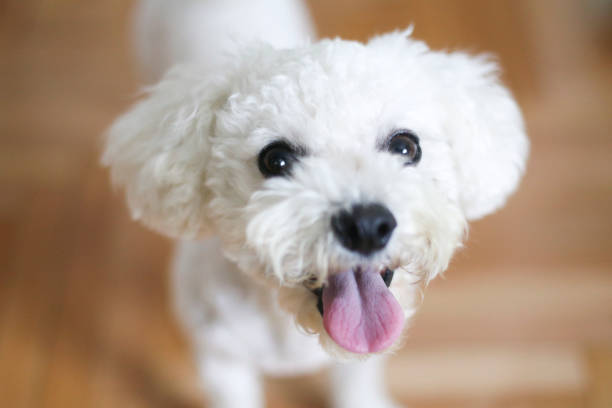
Panting is perhaps the most ubiquitous and defining behavior of the domestic dog. Unlike humans, who sweat profusely across large areas of skin, dogs rely primarily on evaporative cooling through their respiratory tract and tongue. However, the simple act of opening the mouth to breathe is anything but simple. The distinction between a closed mouth (nasal breathing) and an open mouth (panting) is a critical diagnostic tool for owners, veterinarians, and behaviorists, offering a direct window into the dog’s internal physical state, emotional landscape, and overall health.
This extensive guide delves into the intricate mechanisms of canine respiration, exploring how environmental factors, physiological needs, and psychological stress manifest in the spectrum of closed versus open-mouth breathing.
I. Introduction: The Function and Necessity of Panting
Canine thermoregulation is a delicate yet robust system. A dog’s normal resting body temperature ranges from 101°F to 102.5°F (38.3°C to 39.2°C). When this temperature rises—whether due to high ambient heat, vigorous exercise, or a fever—the dog must rapidly dissipate heat to prevent cellular damage.
Panting, or thermal polypnea, is the efficient solution. It involves rapid, shallow breathing that maximizes the turnover of air across the moist surfaces of the tongue, oral cavity, and upper respiratory tract. This evaporation carries heat away from the body.
The key to interpreting canine respiration lies not just in whether the dog is panting, but how the dog is panting, and crucially, why the dog is transitioning from efficient nasal breathing (closed mouth) to oral breathing (open mouth).
II. The Physiology of Respiration: Closed vs. Open Systems
To understand the shift from closed to open mouth, one must first appreciate the distinct roles of the nose and the mouth in canine breathing.
A. The Closed-Mouth State (Nasal Breathing)
The default, preferred, and most energy-efficient mode of respiration for a dog at rest or in a state of comfort is nasal breathing (mouth closed).
1. Optimization for Comfort and Health:
The canine nasal cavity is a complex labyrinth lined with specialized structures called turbinates (or conchae). These convoluted bones serve three critical functions:
- Heating and Humidifying: Ambient air is warmed and moistened before reaching the delicate lungs, reducing irritation and increasing gas exchange efficiency.
- Filtration: The nasal mucosa traps micro-particles, dust, and pathogens, preventing them from entering the lower respiratory tract.
- Passive Cooling: The moist mucosal lining provides a vast surface area for minor, passive evaporative cooling, enough to maintain homeostasis in temperate conditions without requiring major behavioral intervention (i.e., open-mouth panting).
Interpretation of Closed Mouth: A closed mouth signals a dog that is comfortable, relaxed, physically recovered, and maintaining an optimal core temperature. It is the signature of a dog in a low-arousal state, often seen during sleep, gentle resting, or focused, calm activities.
B. The Open-Mouth State (Panting)
The moment the dog needs to increase heat dissipation beyond the capabilities of passive nasal cooling, the mouth opens, initiating the engine of evaporative thermoregulation.
1. Mechanics of Evaporative Cooling:
When panting begins, the dog adopts a posture that maximizes air flow: the lips are often drawn back, and the tongue is extended, sometimes curling slightly at the tip.
- Increased Airflow: Bypassing the nasal turbinates allows a much higher volume of air to move across the upper respiratory structures.
- Tongue Evaporation: Saliva on the tongue and oral mucosa evaporates rapidly. As the dog increases the pace of panting (often 200–400 breaths per minute), the blood vessels in the tongue dilate, bringing hot blood closer to the surface to be cooled.
- Shallow Breathing (The Buffer): Crucially, effective thermal panting is shallow. This is essential because deep, rapid breathing (hyperventilation) would quickly deplete the body’s carbon dioxide (CO2), leading to respiratory alkalosis. Dogs effectively use the dead-space of the upper respiratory tract for evaporative cooling without substantially altering deep lung CO2 levels.
III. Heat-Induced Panting: Thermoregulation (The Primary Cause)
The most common reason for a dog to transition from closed to aggressively open-mouth panting is the need to expel excess heat—the result of external environment or internal exertion.
A. Characteristics of Thermoregulatory Panting
- Contextual Relevance: This form of panting is directly proportional to exertion and ambient temperature. It starts immediately after vigorous play, a run on a warm day, or when exposed to direct sunlight.
- Tongue Extension: The tongue is usually long, floppy, and visibly wet. As the dog gets hotter, the tongue may appear wider and the color may darken (due to increased blood flow).
- Intensity and Depth: Initially, panting is rapid and shallow. As the need for cooling increases, the breaths become deeper, reaching further down the throat (the “labored” stage).
B. Progression of Heat Stress
Understanding the difference between mild open-mouth panting and critical thermal distress is vital:
| Stage | Mouth State & Respiration | Associated Body Temperature | Warning Signs |
|---|---|---|---|
| Mild Warming (Post-Exertion) | Open mouth, tongue slightly extended. Panting rate is high (100–150 breaths/min) but regulated and quiet. | 102.5°F – 103.5°F | Normal cooldown phase. Dog seeks water or shade. |
| Moderate Heat Stress | Mouth wide open, tongue fully extended and sometimes pale/discolored red. Panting is deeper, louder, and sounds slightly strained. | 104°F – 105°F | Drooling increases (saliva loss compromises cooling). Focus shifts entirely to cooling. |
| Severe Distress/Heat Stroke | Mouth gaping, breathing shallow rapidly, but inefficiently (hyperventilation). Gums may become brick red or grayish-blue. | 106°F + | Staggering, unresponsiveness, vomiting, excessive thick drool. EMERGENCY. |
Crucially, in the late stages of heat stroke, the panting mechanism fails because the dog can no longer regulate the respiratory buffer; the breathing becomes desperate, noisy, and ineffective.
IV. Emotionally-Induced Panting: Anxiety, Fear, and Arousal
When a dog is panting in a cool environment, without prior exercise, the cause is highly likely psychological—related to high emotional arousal or stress. This category directly addresses the role of anxiety and specific types of comfort/excitement.
A. Anxiety and Distress Panting
Stress triggers the “fight or flight” response, flooding the body with adrenaline and cortisol. This metabolic surge immediately raises the dog’s core temperature, necessitating panting even if the ambient temperature is low. This is the physiological manifestation of anxiety panting.
1. Characteristics of Anxiety Panting:
- Contextual Incongruity: The dog is panting while lying down, sitting still, or in an air-conditioned room. The trigger is internal (a trigger, a loud noise, separation from owner).
- Shallow and Rapid: Stress panting is often high-frequency, sometimes appearing “fluttery.” It is less about maximizing tongue exposure and more about discharging nervous energy.
- Behavioral Clusters (Supporting Anxiety Cues): Unlike heat panting, anxiety panting rarely occurs in isolation. It is usually paired with a cluster of displacement behaviors:
- Lip Licking and Yawning: (In the absence of food or tiredness).
- Piloerection (Raised Hackles): Along the shoulders or back.
- Avoidance or Displacement: Turning the head away, freezing, or suddenly scratching/sniffing the ground.
- Body Posture: Tension in the forehead, stiff tail carriage, or a low, “cowering” posture.
The transition from a neutral, closed-mouth state to anxious, open-mouth panting is a key indicator that the animal is entering a state of emotional discomfort.
B. Anticipatory and Excitement Panting (A Form of Comfort/Arousal)
Panting can also be a positive manifestation of heightened arousal, such as anticipation or intense joy. This falls under a form of emotional comfort in the sense that the emotion itself is pleasant, but the physiological response is the same as stress: increased heart rate and metabolism.
1. Examples:
- A dog panting wildly while the owner puts on their running shoes, knowing a walk is imminent.
- A dog panting intensely while waiting for a ball to be thrown.
- Panting that immediately follows intense, joyful physical activity (e.g., zoomies).
This type of panting often has a rapid onset and resolution. The panting stops almost instantly once the stimulus is removed (e.g., if the owner puts the shoes back in the closet) or the activity concludes and the dog settles.
V. The Behavioral Continuum: From Closed Mouth to Gaping Jaw
The visual state of the dog’s mouth provides a spectrum of communicative and physiological data:
1. Closed Mouth (Nasal Breathing)
- Interpretation: Neutral, resting, sleeping, content, focused (e.g., slow tracking scent).
- Internal State: Low metabolic rate, optimal oxygen saturation, homeostasis maintained by passive cooling.
2. Slight Open Mouth / Soft Gap / The “Happy Grin”
- Interpretation: Mild arousal, readiness, social signal (a relaxed, smiling expression).
- Respiration: Still primarily nasal, but the oral cavity is slightly opened for quick transition to panting, or simply displaying relaxation (often seen with relaxed ears and a gentle wag). This is often a display of comfort and relaxed attention.
3. Active Panting (Tongue Extended)
- Interpretation: Active heat dissipation (exercise/temperature) or moderate stress/anxiety.
- Respiration: Rapid, shallow breathing via the mouth and nose.
4. Gaping, Labored Panting (Deep, Noisy, Strained)
- Interpretation: Severe physiological demand, critical heat stress, respiratory emergency, or intense pain.
- Respiration: Deep inhale/exhale cycles, often accompanied by throat noises (stridor) or reverse sneezing sounds, indicating airway resistance.
VI. Pathological Causes: When Panting Signals Illness or Pain
Not all open-mouth breathing is related to heat or emotion. Persistent, unexplained panting—especially when the dog is inactive and cool—is a major sign of underlying medical pathology. This requires a transition from closed to open mouth breathing due to systemic failure or pain.
A. Respiratory and Cardiac Disease
Any condition that reduces the efficiency of gas exchange or oxygen delivery can trigger compensatory panting, as the dog tries to pull in more air to compensate for insufficient oxygen.
- Laryngeal Paralysis (Lar Par): A condition common in older, larger breeds where the laryngeal cartilages fail to open efficiently during inhalation. This creates significant airway obstruction. The result is loud, honking, labored open-mouth panting and exercise intolerance.
- Pneumonia or Pulmonary Edema (Fluid in Lungs): Reduces the lung tissue available for oxygen transfer. The dog frantically increases the panting rate to compensate for shortness of breath (dyspnea).
- Congestive Heart Failure (CHF): When the heart cannot pump efficiently, fluid backs up into the lungs (edema). This leads to chronic, persistent, often loud panting or coughing, especially at rest or while laying down.
B. Systemic Illness and Metabolic Disorders
Panting can be triggered by internal pain or hormonal imbalances that disrupt the body’s chemistry.
- Pain: Acute or chronic pain (e.g., severe arthritis, internal injury) causes a massive stress response, releasing hormones that increase heart rate and metabolism, leading to persistent, low-level panting, often coupled with restlessness and an inability to get comfortable.
- Anemia (Low Red Blood Cells): If the blood cannot carry enough oxygen, the dog compensates by breathing faster and deeper.
- Hyperadrenocorticism (Cushing’s Disease): This hormonal disorder is notorious for causing excessive, unexplained panting (polypnea), often due to muscle weakness and altered brain signals affecting the respiratory center.
VII. Anatomical Constraints: The Brachycephalic Dilemma
Breeds with short, pushed-in faces—known as brachycephalics (Pugs, Bulldogs, Boxers, Frenchies)—exist in a permanent state of respiratory compromise. Their transition between closed-mouth and open-mouth breathing is fundamentally inefficient and often dangerous.
A. The Challenge of BOAS
Brachycephalic Obstructive Airway Syndrome (BOAS) is a collection of anatomical defects that severely limit airflow efficiency:
- Stenotic Nares (Pinched Nostrils): Makes nasal breathing (the closed-mouth state) difficult, forcing many brachycephalics to rely on open-mouth breathing even at rest. They cannot efficiently use the nasal turbinates for passive cooling.
- Elongated Soft Palate: The tissue at the back of the mouth is too long and flops into the larynx, partially blocking the airway during inhalation, especially when excited or warm.
- Hypoplastic Trachea: A narrowed windpipe further restricts air volume.
For these dogs, the shift to open-mouth panting happens quickly and is often noisy, resulting in snorting, roaring, or snoring sounds (stridor). Their panting is a continuous, desperate attempt to overcome anatomical resistance, making the distinction between mild heat/excitement and emergency distress much harder to gauge.
Implication: A closed mouth in a brachycephalic is a sign of extreme relaxation (often when asleep); any degree of excitement or warmth almost immediately necessitates open-mouth, labored breathing.
VIII. Observational Guide: Decoding the Panting Signal
Effective monitoring involves a holistic assessment of context, sound, and accompanying physical signs.
| Observation Factor | Closed Mouth (Comfort/Rest) | Open Mouth (Heat/Exertion) | Open Mouth (Anxiety/Pain/Disease) |
|---|---|---|---|
| Context | Resting, sleeping, quiet indoor activity, cool temperature. | Post-exercise, high ambient temperature, direct sunlight. | Sitting still, indoors/cool setting, during vet visits, alone, during storms. |
| Sound | Silent or gentle nasal sounds. | Rapid, shallow, clean airflow sounds. | Loud, noisy, raspy, or honking (stridor). May involve choking sounds. |
| Rate & Rhythm | Slow, deep, consistent inhalation/exhalation. | Very fast (polypnea), often synchronized with body movements. | Unpredictable, sporadic bursts of rapid panting, or constant, deep, labored breaths. |
| Tongue Appearance | Inside mouth, normal pink color. | Extended, wet, sometimes widened; color normal to bright red. | May be extended, but often accompanied by thick, ropy saliva; gums may be pale or grayish. |
| Behavioral Cues | Relaxed posture, soft eyes, even breathing. | Seeking shade, lying on cool surfaces, drinking water. | Restlessness, hiding, lip licking, tucked tail, stiffness, whining, pacing. |
IX. Conclusion: The Critical Role of Accurate Interpretation
The shift from comfortable, quiet, closed-mouth breathing to active, open-mouth panting is the dog’s main thermoregulatory and stress-coping mechanism. It is a powerful indicator that the body needs intervention, whether physical or emotional.
For the diligent owner, understanding this transition is non-negotiable:
- If the panting is heat-induced (physical): Immediate intervention is required—move to shade, provide water, apply cool water to the paws and belly. The goal is to return the dog to a state where closed-mouth (nasal) breathing is sufficient.
- If the panting is anxiety-induced (emotional): The dog is in distress. The focus must be on removing the stressor (or distance from the trigger) and implementing counter-conditioning, training, or environmental modification to re-establish a state of low arousal, characterized by relaxed, closed-mouth respiration.
- If the panting is unexplained or pathological (medical): Chronic, non-contextual panting is a red flag. It warrants an immediate veterinary workup to rule out pain, cardiac failure, respiratory obstruction, or metabolic diseases like Cushing’s.
In summary, a closed mouth is synonymous with canine equilibrium and comfort. An open mouth is a call for attention, and the context surrounding that call determines whether the dog needs a bowl of water, therapeutic support, or immediate medical care. Mastery of this behavioral distinction is key to preserving canine health and well-being.
#DogPanting #CanineHealth #DogBehavior #DogSafety #PetFirstAid #DogHeatSafety #AnxietyInDogs #DogStressSigns #BrachycephalicDogs #BOAS #DogTrainingTips #VeterinaryMedicine #DogThermoregulation #PetWellness #AskAVet #DogLifeHacks #UnderstandingDogs #ClosedMouthPanting #DogCareGuide #KennelCough #DogBreathing






Add comment