
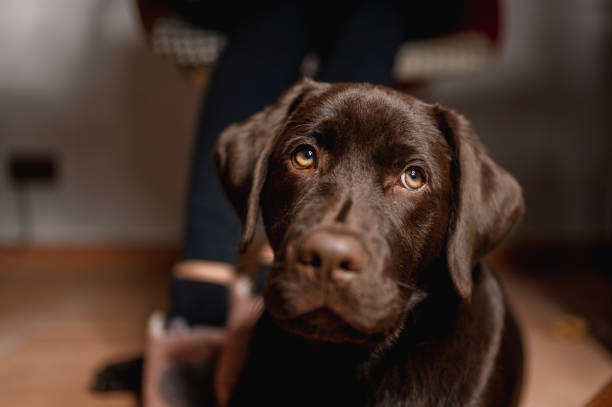
Mumps in humans is a contagious disease caused by the mumps virus, a member of the Rubulavirus genus within the Paramyxoviridae family. It is characterized by fever, headache, muscle aches, fatigue, loss of appetite, and most notably, swelling and tenderness of one or more salivary glands, usually the parotid glands. While dogs can suffer from various viral infections, including other paramyxoviruses like Canine Distemper Virus and Canine Parainfluenza Virus, direct infection with the human mumps virus leading to classic mumps symptoms is exceedingly uncommon.
The concept of a “species barrier” largely explains why human mumps virus does not readily infect dogs. Viruses are generally highly species-specific, meaning they have evolved to infect and replicate within a particular host species due to specific receptor recognition, cellular machinery compatibility, and immune evasion strategies. Breaking this barrier is rare but not impossible, often requiring high viral loads, specific mutations in the virus, or unique host vulnerabilities. Should a dog somehow become susceptible and infected, the clinical presentation would likely mirror the human disease to some extent, focusing on the inflammatory response in the salivary glands.
Causes of Mumps (Paramyxovirus) Infection in Dogs
As established, the direct cause, according to the prompt, would be the Human Mumps Virus (Paramyxovirus Rubulavirus). However, understanding the context of why this is rare and what else can cause similar symptoms is vital.
- The Human Mumps Virus (Rubulavirus):
- Viral Structure and Classification: The mumps virus is an enveloped, single-stranded RNA virus. It belongs to the Paramyxoviridae family, which also includes other significant animal and human pathogens (e.g., measles virus, respiratory syncytial virus, Newcastle disease virus, canine distemper virus, canine parainfluenza virus). The genus Rubulavirus specifically encompasses the mumps virus.
- Mechanism of Infection (Theoretical in Dogs): For a virus to infect a host cell, it typically needs to bind to specific receptors on the cell surface. These receptors act like locks that only a specific viral key can open. The human mumps virus primarily targets cells with specific sialic acid receptors, particularly those found in glandular tissues (like salivary glands), central nervous system cells, and reproductive organs in humans. For a dog to be infected, its cells would need to possess sufficiently similar receptors, or the virus would need to adapt to utilize different, canine-specific receptors.
- Transmission (Theoretical): If a dog were susceptible, transmission would likely occur through direct contact with respiratory droplets (saliva, nasal secretions) from an infected human. This could happen if an infected person coughs or sneezes near the dog, or if the dog comes into contact with contaminated fomites (objects like toys, bedding, or food bowls that have viral particles on them). Close, prolonged contact between a heavily shedding human mumps patient and a dog, especially one with a compromised immune system, would be the most plausible (though still highly unlikely) scenario for cross-species transmission.
- The Species Barrier and its Implications:
- The primary reason for the rarity of human mumps virus infection in dogs is the species barrier. This barrier is a complex interplay of genetic, physiological, and immunological factors that limit a pathogen’s ability to cross from one host species to another.
- Receptor Specificity: As mentioned, the virus’s ability to bind to and enter canine cells is a major hurdle.
- Host Immune Response: Even if the virus enters canine cells, the dog’s innate and adaptive immune systems may be highly effective at recognizing and clearing the foreign pathogen before it can establish a significant infection.
- Lack of Canine Adaptation: The human mumps virus has not evolved to efficiently replicate and transmit within canine hosts. This means that even if a dog were transiently infected, the viral load might be too low, or replication too inefficient, to cause overt disease or allow further transmission.
- Differential Diagnoses (More Common Causes of Salivary Gland Swelling in Dogs): Given the extreme rarity of human mumps virus infection in dogs, it is imperative to consider other, much more common causes of “mumps-like” symptoms:
- Bacterial Sialadenitis: Bacterial infections of the salivary glands (often ascending from the oral cavity) are a common cause of inflammation, pain, and swelling.
- Sialoceles (Salivary Mucoceles): These are accumulations of saliva in subcutaneous tissues, usually due to trauma or obstruction of a salivary duct, leading to a palpable, fluid-filled mass.
- Foreign Bodies: Plant material (e.g., grass awns) or other foreign objects can become lodged in salivary ducts or surrounding tissues, causing inflammation and infection.
- Tumors: Benign or malignant tumors of the salivary glands or adjacent structures can cause localized swelling.
- Canine Parainfluenza Virus (CPIV): While primarily a respiratory pathogen contributing to “kennel cough,” CPIV is a paramyxovirus. Some anecdotal reports and theoretical discussions suggest some possibility of glandular involvement or immune-mediated responses that could lead to mild, transient swelling, though it is not a classic feature and certainly not analogous to human mumps.
- Immune-Mediated Diseases: Rarely, autoimmune conditions could target glandular tissues.
- Reactions to Vaccinations or Medications.
- Trauma: Physical injury to the neck or jaw area can cause swelling and pain mimicking glandular inflammation.
Signs and Symptoms
If a dog were to contract the human mumps virus and develop clinical disease, the symptoms would likely mirror the hallmarks of mumps in humans, primarily focusing on salivary gland inflammation and systemic viral signs.
- Swelling of Salivary Glands (Parotitis/Sialadenitis):
- Location: The most characteristic sign would be swelling of the parotid glands, located below the ears and extending down towards the jaw. The submandibular glands (under the jaw) or sublingual glands (under the tongue) could also be affected.
- Appearance: The swelling would typically be firm, warm, and painful to the touch. It could be unilateral (affecting one side) or bilateral (affecting both sides), making the dog’s face appear puffy or lopsided.
- Impact on Function: The swelling and pain would likely cause difficulty and pain when opening the mouth, chewing, and swallowing (dysphagia). This could lead to a reluctance to eat or drink.
- Fever (Pyrexia):
- As with most viral infections, an elevated body temperature (fever) would be expected as the dog’s immune system mounts a response against the virus. Normal canine body temperature ranges from 101.0°F to 102.5°F (38.3°C to 39.2°C). A fever would be above this range.
- Lethargy and Malaise:
- Infected dogs would likely appear unusually tired, depressed, and generally unwell. They might be less active, less interested in play, and sleep more than usual.
- Anorexia or Hyporexia (Reduced Appetite):
- Due to the fever, general malaise, and pain associated with chewing and swallowing, affected dogs would likely experience a reduced desire to eat, or a complete loss of appetite. This could lead to weight loss and dehydration if prolonged.
- Pain on Palpation:
- Touching or gently squeezing the swollen salivary glands would likely elicit a pain response from the dog, potentially causing them to vocalize, pull away, or even snap.
- Other Potential, Though Less Documented, Signs (Extrapolating from Humans):
- Headache/Neck Pain: While difficult to objectively assess in dogs, the systemic viral infection could theoretically cause general discomfort that manifests as head or neck sensitivity.
- Muscle Aches (Myalgia): Similar to headaches, generalized body aches are common with viral infections in humans and could theoretically occur in dogs.
- Gastrointestinal Upset: Nausea, vomiting, or diarrhea could occur, though less commonly than the primary salivary gland symptoms.
- Respiratory Signs: While human mumps is not primarily a respiratory disease, many systemic viral infections can cause mild upper respiratory signs (e.g., mild nasal discharge), especially in immunocompromised individuals.
The incubation period (time from exposure to symptom onset) for human mumps is typically 12-25 days. If a dog were to contract the virus, a similar incubation period might be expected, though this is purely speculative.
Dog Breeds at Risk
Given the extreme rarity of human mumps virus infection in dogs, no specific dog breed has been definitively identified as being “at risk” or having a higher predisposition. Scientific literature does not support a breed-specific susceptibility for this particular condition.
However, if we consider theoretical vulnerability based on general immunological principles and lifestyle factors, certain broad categories of dogs might be considered slightly more susceptible to any novel infection, including a highly improbable one like human mumps virus. It’s important to reiterate that this is entirely speculative and not based on empirical evidence for mumps in dogs:
- Small Companion Breeds (e.g., Chihuahuas, Shih Tzus, Poodles, Pomeranians): These breeds often live in very close proximity to their human owners, sharing beds and being held frequently. This increased direct contact could, theoretically, increase the chances of exposure to human respiratory droplets if an owner were infected and shedding the virus. Their small size does not inherently make them more susceptible, but their lifestyle does put them in closer contact with potential human sources of infection.
- Brachycephalic Breeds (e.g., Pugs, Bulldogs, Boxers, French Bulldogs): Breeds with shortened snouts can sometimes have compromised respiratory systems or anatomical differences that might theoretically influence viral entry or immune response, making them generally more prone to respiratory infections. While human mumps is not primarily a respiratory virus, shared entry points or compromised local immunity could be a minor theoretical factor.
- Immunocompromised Breeds: Some breeds are known to have a higher incidence of certain immune-mediated diseases or genetic predispositions to immunodeficiency (e.g., certain lines of German Shepherds, Irish Setters, Weimaraners). While not specific to mumps, a weakened immune system, regardless of breed, would make an individual more vulnerable to any infection they encounter.
Ultimately, the most significant “risk factor” would not be breed-specific genetics, but rather the degree of close, direct, and prolonged contact with a human actively infected with and shedding the mumps virus, coupled with a dog’s general immune status. Any dog, regardless of breed, with a weakened immune system (due to age, concurrent illness, stress, or medications) would theoretically be more vulnerable if exposed.
Affects Puppy or Adult or Older Dogs
The susceptibility to and severity of any infectious disease, including the theoretical human mumps virus infection in dogs, are often influenced by the host’s age and immune system competency.
- Puppies:
- Immature Immune System: Puppies have developing immune systems that are not yet fully mature or robust. While maternal antibodies provide some initial protection (if the mother has been exposed to specific pathogens, which is not the case for human mumps), this protection wanes over the first few weeks to months of life. This window of vulnerability makes puppies generally more susceptible to viral infections and often more prone to developing severe disease.
- Rapid Development: Their bodies are undergoing rapid growth and development, and a systemic viral infection could potentially disrupt these processes.
- Higher Risk of Complications: If a puppy were to contract human mumps virus, they would theoretically be at higher risk for more severe symptoms and potential complications due to their immunological immaturity.
- Adult Dogs:
- Robust Immune System: Healthy adult dogs typically possess a mature and fully functional immune system. This allows them to mount an effective immune response against most pathogens, often leading to milder disease or even asymptomatic infections if they are exposed.
- Resilience: They are generally more resilient to the effects of viral infections and less likely to develop severe complications compared to puppies or older dogs.
- Exposure Risk: Their exposure risk would depend entirely on their environment and interaction with infected humans.
- Older (Geriatric) Dogs:
- Immunosenescence: As dogs age, their immune systems can become less efficient, a process known as immunosenescence. This means their ability to recognize new pathogens, produce effective antibodies, and mount a strong cellular immune response can decline.
- Increased Vulnerability: Older dogs may therefore be more susceptible to infections they might have fended off more easily in their prime. They might experience more severe symptoms and have a prolonged recovery period if infected.
- Co-morbidities: Older dogs are also more likely to have underlying health conditions (e.g., heart disease, kidney disease, diabetes, cancer) that can further compromise their immune system and make them more vulnerable to severe outcomes from any viral infection.
In summary, while any dog could theoretically be exposed, puppies and older, geriatric dogs, along with any dog that is otherwise immunocompromised (due to illness, chronic stress, or immunosuppressive medications), would be considered the most vulnerable populations should the exceedingly rare event of human mumps virus infection in dogs actually occur.
Diagnosis
Diagnosing human mumps virus infection in a dog would be exceptionally challenging due to its rarity, the lack of canine-specific diagnostic assays for this particular virus, and the presence of many common conditions that cause similar signs. A diagnosis would likely involve a combination of clinical assessment, exclusion of other causes, and highly specialized laboratory testing.
- Clinical Signs and History:
- Observation: The veterinarian would first observe the classic signs: painful, swollen salivary glands (especially parotid), fever, lethargy, and reluctance to eat.
- Patient History: A crucial piece of information would be a history of recent exposure to a human diagnosed with mumps in the same household or within the dog’s close environment. Without this specific exposure history, the likelihood of mumps would be considered infinitesimally small.
- Exclusion of Differential Diagnoses: Before considering human mumps, the veterinarian would systematically rule out more common causes of salivary gland swelling:
- Oral Examination: To check for foreign bodies, dental disease, or oral masses.
- Palpation: Careful palpation of the neck and jaw to assess the nature of the swelling (fluid-filled, firm, painful).
- Blood Work (CBC and Chemistry Profile):
- Complete Blood Count (CBC): Might show non-specific signs of viral infection (e.g., lymphopenia) or inflammation (e.g., leukocytosis if secondary bacterial infection is present).
- Chemistry Profile: To assess organ function and rule out systemic diseases, as well as checking for signs of dehydration due to anorexia.
- Imaging:
- Ultrasound of the Salivary Glands: Can help differentiate between a sialocele (fluid-filled cyst), abscess, tumor, or simple inflammation. It can also detect foreign bodies.
- Radiographs (X-rays) of the Head/Neck: Less specific for soft tissue swelling but can rule out bony abnormalities or certain types of foreign bodies.
- CT Scan or MRI: May be used in complex cases to get a detailed view of the salivary glands and surrounding structures.
- Fine Needle Aspirate (FNA) or Biopsy: If a palpable mass is present, an FNA can collect cells for cytology to differentiate between inflammation, infection (bacterial/fungal), or neoplasia (tumor). A surgical biopsy would provide a definitive histological diagnosis.
- Specific Laboratory Testing (Highly Specialized and Not Routinely Available for Canines):
- PCR (Polymerase Chain Reaction): This molecular test detects the genetic material (RNA) of the virus. Samples from saliva, urine, or cerebrospinal fluid (if neurological signs are present) could theoretically be tested. However, a specific PCR assay designed to detect the human mumps virus in canine samples would likely need to be developed or validated by a specialized research laboratory, as it is not a standard veterinary diagnostic test.
- Serology (Antibody Testing): This involves detecting antibodies produced by the dog’s immune system in response to the mumps virus.
- IgM Antibodies: Indicate a recent or acute infection.
- IgG Antibodies: Indicate past infection or exposure. The major challenge here is the lack of commercially available, validated canine-specific serological tests for human mumps virus. Cross-reactivity with other canine paramyxoviruses (like CPIV or CDV) could lead to false positives, or the dog’s immune system might not mount a detectable antibody response that can be picked up by human-specific assays.
- Viral Culture: Attempting to grow the virus from clinical samples in a laboratory setting. This is laborious, requires specialized facilities, and is rarely performed for routine diagnosis, especially for a suspected cross-species infection.
Conclusion on Diagnosis: In practice, a diagnosis of human mumps virus infection in a dog would be a diagnosis of exclusion, heavily reliant on a clear history of human mumps exposure, a lack of other identifiable causes for the salivary gland swelling, and potentially requiring highly specialized, non-routine research-level diagnostic tests. In most clinical scenarios, a dog presenting with parotitis would be diagnosed and treated for bacterial sialadenitis, a sialocele, or another more common condition.
Treatment
As with most viral infections, there is no specific antiviral drug available to treat human mumps virus infection directly in dogs. Treatment would be entirely supportive, aimed at managing symptoms, alleviating pain, ensuring hydration and nutrition, and preventing secondary complications.
- Pain Management:
- Non-Steroidal Anti-Inflammatory Drugs (NSAIDs): Medications like carprofen, meloxicam, or robenacoxib can help reduce inflammation, pain, and fever. Dosing must be carefully calculated for dogs and administered under veterinary supervision.
- Opioids: For severe pain, stronger analgesics such as tramadol or buprenorphine may be prescribed.
- Warm Compresses: Applying warm, moist compresses to the swollen glands can help soothe discomfort and reduce swelling.
- Fluid Therapy:
- Subcutaneous or Intravenous Fluids: If the dog is severely dehydrated due to fever, anorexia, or difficulty drinking, fluids administered under the skin or intravenously will be necessary to correct dehydration and maintain electrolyte balance.
- Encourage Oral Intake: Providing fresh water constantly and offering ice chips or low-sodium broths can help encourage drinking.
- Nutritional Support:
- Soft, Palatable Diet: Because chewing and swallowing will be painful, offering soft, wet, easily digestible foods is crucial. This could include canned prescription diets, veterinary recovery diets, or homemade blends of cooked chicken/rice/sweet potato, pureed foods, or gruels.
- Elevated Food Bowls: Raising food and water bowls can make it easier for the dog to eat and drink without excessive neck movement.
- Assisted Feeding: If the dog is completely refusing to eat, hand-feeding small, frequent meals or even syringe-feeding nutrient-rich liquids might be necessary. In severe, prolonged cases, a feeding tube might be considered, though highly unlikely for this rare, self-limiting condition.
- Antibiotics (Only for Secondary Bacterial Infections):
- Antibiotics are ineffective against viruses. They should only be prescribed if there is evidence of a secondary bacterial infection complicating the viral disease (e.g., purulent discharge, significantly elevated white blood cell count suggesting bacterial involvement).
- Rest and Stress Reduction:
- Confining the dog to a quiet, comfortable, warm environment to minimize activity and stress, promoting healing and recovery.
- Monitoring:
- Close monitoring of the dog’s temperature, hydration status, appetite, and progression of swelling is critical. Any worsening of symptoms or development of new signs (especially neurological) would warrant immediate veterinary attention.
- Isolation (Precautionary):
- While the risk of dog-to-human transmission is considered negligible, it would be prudent to practice good hygiene and minimize contact between the potentially infected dog and other household members, particularly children, pregnant women, and immunocompromised individuals, as a precautionary measure, especially if an infected human is the source.
The vast majority of dogs providing supportive care will recover fully, as is the case in humans. However, the theoretical complications (discussed below) would necessitate more intensive and specialized treatment.
Prognosis & Complications
If a dog were to contract human mumps virus and develop clinical disease, the prognosis for uncomplicated cases would generally be considered good, with most dogs making a full recovery with supportive care within a few weeks, similar to the course of the disease in humans. The disease is typically self-limiting. However, just as in humans, there are theoretical (and exceedingly rare or undocumented in dogs) potential complications that could arise if the virus were to disseminate beyond the salivary glands.
Prognosis Factors:
- Age and Immune Status: Puppies, older dogs, and immunocompromised dogs would face a more guarded prognosis due to their increased vulnerability to severe disease and complications.
- Presence of Complications: If complications like meningitis or pancreatitis develop, the prognosis would significantly worsen.
- Timely Supportive Care: Prompt and adequate supportive care is crucial for a positive outcome.
Potential Complications (Highly Theoretical in Dogs): These complications are well-documented in human mumps infections but have not been established as occurring in canine infections with human mumps virus. They are mentioned here solely to provide comprehensive coverage based on the prompt’s premise of a “Paramyxovirus mumps infection.”
- Meningitis/Encephalitis:
- Description: The mumps virus can infect the central nervous system, leading to inflammation of the meninges (the membranes surrounding the brain and spinal cord – meningitis) or, less commonly, the brain itself (encephalitis).
- Signs in Dogs: Neurological signs would include severe lethargy, altered mental status, seizures, neck stiffness, abnormal gait, loss of coordination (ataxia), circling, or even coma.
- Prognosis: If these complications occur, they are serious and can be life-threatening, requiring intensive veterinary care.
- Pancreatitis:
- Description: Inflammation of the pancreas. The mumps virus has a tropism for glandular tissues, including the pancreas.
- Signs in Dogs: Severe abdominal pain (often leading to a “praying” posture), vomiting, diarrhea, anorexia, lethargy, and fever.
- Prognosis: Pancreatitis can range from mild to severe, potentially leading to organ damage and requiring aggressive fluid therapy, pain management, and nutritional support.
- Orchitis (in Male Dogs):
- Description: Inflammation of one or both testicles. This is a painful complication of mumps in post-pubertal human males.
- Signs in Dogs: Swelling, pain, and tenderness of the testicles, reluctance to move, fever.
- Prognosis: Can lead to temporary or permanent infertility (sterility) in affected males.
- Oophoritis (in Female Dogs):
- Description: Inflammation of the ovaries. Less common and less symptomatic than orchitis in human females.
- Signs in Dogs: Likely difficult to detect externally, possibly presenting as generalized abdominal discomfort or fever.
- Prognosis: Could theoretically impair fertility, but difficult to assess.
- Hearing Loss:
- Description: The mumps virus can rarely cause sensorineural hearing loss, typically unilateral, in humans.
- Signs in Dogs: Difficult to diagnose definitively without specialized audiological testing (BAER test). Owners might observe a lack of response to sounds on one side.
- Prognosis: Often permanent in humans.
- Myocarditis (Inflammation of the Heart Muscle):
- Description: Very rare, but possible in human mumps.
- Signs in Dogs: Lethargy, weakness, exercise intolerance, or signs of heart failure (e.g., coughing, difficulty breathing).
- Prognosis: Can be serious and fatal.
It is critical to reiterate that while these complications are known outcomes of human mumps, their occurrence in dogs infected with the human mumps virus remains undocumented in peer-reviewed veterinary literature. Should a dog present with salivary gland swelling and any of these systemic signs, a thorough diagnostic workup would be initiated to identify the actual, more common canine causes for such presentations.
Prevention
Preventing human mumps virus infection in dogs relies primarily on minimizing exposure to infected humans, given that dogs are not a natural host or reservoir for the virus. There is no specific canine vaccine for the human mumps virus.
- Avoid Contact with Infected Humans:
- The most crucial preventive measure is to keep pets, especially dogs, away from any household members or visitors who have been diagnosed with mumps or are exhibiting symptoms (fever, swollen glands).
- Mumps is spread through respiratory droplets, so direct contact (petting, kissing, being sneezed/coughed on) presents the theoretical risk.
- Strict Hygiene Practices:
- If a human in the household has mumps, implement rigorous hygiene measures:
- Frequent hand washing (for humans) with soap and water, especially after coughing, sneezing, or touching their face.
- Disinfect shared surfaces (doorknobs, countertops, pet bowls, toys if a human with mumps also handles them) with appropriate virucidal disinfectants.
- Avoid sharing food or drink with an infected person, and ensure pets do not consume items contaminated by an infected person’s saliva.
- If a human in the household has mumps, implement rigorous hygiene measures:
- No Canine Mumps Vaccine:
- There is no commercially available vaccine for dogs against the human mumps virus. Canine vaccines target common canine pathogens (e.g., canine distemper, parvovirus, adenovirus, parainfluenza virus, rabies, leptospirosis, bordetella).
- Maintain General Canine Health:
- Routine Vaccinations: Ensure your dog is up-to-date on all core and non-core canine vaccinations as recommended by your veterinarian. While these won’t protect against human mumps, a strong overall immune system is better equipped to fight off any infection.
- Balanced Diet: Provide a high-quality, nutritionally complete diet suitable for your dog’s age, breed, and activity level. Good nutrition supports a healthy immune system.
- Regular Exercise: Appropriate exercise helps maintain physical health and reduces stress, contributing to a robust immune system.
- Stress Reduction: Chronic stress can suppress the immune system. Provide a stable, secure, and enriching environment for your dog.
- Routine Veterinary Care: Regular check-ups allow for early detection and management of any underlying health issues that could compromise the immune system.
- Educate Household Members:
- Ensure all family members understand the rarity of mumps in dogs but also the importance of hygiene and avoiding direct interaction with pets if they are sick with a contagious disease.
In essence, because dogs are not considered a natural host for the human mumps virus, prevention focuses on common-sense measures to prevent human-to-animal transmission of a human-specific pathogen, rather than specific veterinary protocols.
Diet and Nutrition During Recovery
Proper diet and nutrition are crucial for a speedy and comfortable recovery from any illness, including a theoretical mumps infection. During infection and recovery, the dog’s body requires extra energy and nutrients to fight off the virus and repair tissues. The primary challenge with mumps-like symptoms (parotitis) is the pain and difficulty associated with eating and swallowing.
- Soft, Palatable, and Easily Digestible Foods:
- Texture is Key: Offer soft, mushy, or pureed foods that require minimal chewing. This reduces pain and discomfort during ingestion.
- Examples:
- Canned prescription recovery diets (e.g., Hill’s a/d, Royal Canin Recovery RS, Purina Pro Plan Veterinary Diets CN Critical Nutrition). These are highly palatable, calorie-dense, and easy to consume.
- Boiled, skinless, boneless chicken breast (shredded or pureed).
- Cooked white rice (soft and gentle on the digestive system).
- Cooked, mashed sweet potato or pumpkin (plain, not pie filling).
- Low-sodium chicken or beef broth (can be mixed with other foods or offered alone for hydration).
- High-quality wet dog food (ensure it’s a smooth pate or easily mashed).
- Scrambled eggs (plain, well-cooked).
- Avoid: Hard kibble, crunchy treats, large chunks of meat, or anything that requires extensive chewing.
- Hydration is Paramount:
- Fresh Water Access: Always provide clean, fresh water.
- Encourage Drinking: Offer water in multiple bowls, try adding ice cubes, or offer diluted low-sodium broths or electrolyte solutions (from vet, not human sports drinks).
- Elevated Bowls: Raising food and water bowls can make it easier for the dog to access them without straining their neck or jaw, which might exacerbate pain.
- Syringe Feeding Liquids: If the dog is severely unwilling to drink, small amounts of water or broth can be gently offered via syringe, being careful not to cause aspiration.
- Small, Frequent Meals:
- Instead of one or two large meals, offer several small meals throughout the day. This can be less intimidating for a dog with a painful mouth or reduced appetite and helps maintain energy levels.
- Temperature of Food:
- Some dogs prefer their food slightly warmed, which can enhance aroma and palatability. Ensure it’s not too hot.
- Nutritional Supplements (under veterinary guidance):
- If the dog is severely anorexic or has prolonged difficulty eating, your veterinarian might recommend specific vitamin or mineral supplements, or nutritional pastes to ensure they receive essential nutrients for immune function and recovery.
- Probiotics can also be beneficial in maintaining gut health, especially if antibiotics are used or appetite is poor.
- Monitor Intake and Weight:
- Keep track of how much the dog is eating and drinking. If intake is persistently low, discuss with your veterinarian.
- Regularly monitor the dog’s weight to ensure they are not losing too much muscle mass or becoming malnourished.
- Transition Back to Regular Diet:
- Once the swelling subsides and the dog is eating comfortably, gradually transition them back to their regular diet over several days to avoid digestive upset.
A dog recovering from illness, or a theoretical viral infection, needs robust nutritional support to bolster its immune system and facilitate tissue repair. Providing palatable, easily consumable, and nutrient-dense food alongside ample hydration is a cornerstone of effective supportive care.
Zoonotic Risk
The term “zoonotic” refers to diseases that can be transmitted from animals to humans. In the context of Mumps (Paramyxovirus) infection in dogs, the primary concern, if a dog were to contract the illness, would be human-to-dog transmission, not dog-to-human.
- Human-to-Dog Transmission:
- As discussed, the human mumps virus is a human pathogen. The theoretical scenario of a dog becoming infected would involve the virus crossing the species barrier from an infected human to the dog. This is considered an extremely rare event due to the host specificity of the virus.
- Dog-to-Human (Zoonotic) Transmission:
- Negligible to Non-Existent Risk: Current scientific consensus and epidemiological data indicate that dogs are not a reservoir or vector for human mumps virus. There is no evidence to suggest that a dog, even if theoretically infected with human mumps virus and displaying symptoms, could efficiently transmit the virus back to humans or sustain its circulation within the canine population.
- Why the Risk is So Low:
- Inefficient Replication: Even if a dog’s cells could be infected, the virus would likely replicate very inefficiently within the canine host. This would mean a very low viral load, insufficient to shed enough infectious particles to transmit to another species.
- Lack of Adaptation: The human mumps virus has not adapted to canine hosts, meaning its ability to infect, replicate, and transmit effectively from a dog would be severely limited.
- Species Barrier in Reverse: The species barrier that makes human-to-dog transmission rare would also strongly inhibit dog-to-human transmission. Humans have evolved defenses against the human mumps virus, and it is highly unlikely that a virus poorly adapted to a canine host would be more successful at infecting humans via a dog than it would directly from an infected human.
- Primary Source Remains Human: In any outbreak of mumps in humans, the source is invariably another infected human, not an animal.
- General Precautionary Measures (Common Sense Hygiene):
- Despite the negligible zoonotic risk, it is always prudent to practice good hygiene when handling any sick animal. This includes washing hands thoroughly after touching a sick pet, especially before eating or touching one’s face.
- If a pet has a confirmed (or strongly suspected) contagious illness, even if not zoonotic, minimizing direct contact with very young children, elderly individuals, or immunocompromised people in the household is a sensible general precaution.
#MumpsInDogs, #CanineMumps, #DogHealth, #VetMed, #Paramyxovirus, #DogInfections, #PetHealth, #SalivaryGlandSwelling, #DogSymptoms, #AskAVet, #RareDisease, #CanineCare, #DogWellness, #VeterinaryMedicine, #PetCare, #DogDisease, #PuppyHealth, #SeniorDogCare, #ZoonoticRisk, #DogMama, #DogDad, #HealthyDogs, #ViralInfection, #PetEducation







Add comment