
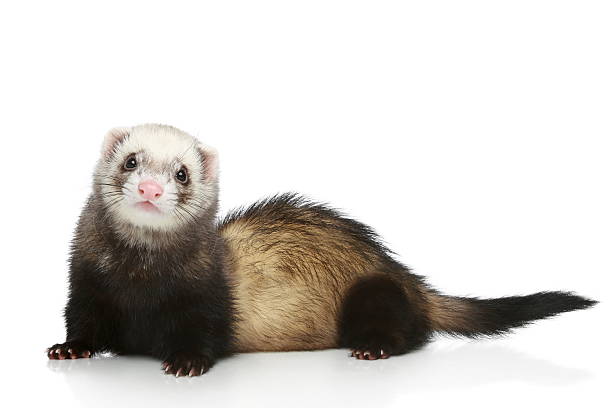
Muscular dystrophy (MD) in ferrets is a rare, progressive neuromuscular disorder caused by genetic mutations that impair muscle function. While more commonly studied in humans and other animals, MD in ferrets is poorly understood due to its low prevalence. This condition is inherited as an autosomal recessive trait, meaning two copies of the mutated gene—typically the dystrophin gene—are required for the disease to manifest. Dystrophin is a critical protein that maintains muscle cell integrity; its absence or malfunction leads to muscle damage and gradual weakening.
For ferret owners and breeders, understanding MD is vital for early detection, management, and ethical breeding practices. Diagnosing MD can be challenging due to its rarity, requiring specialized veterinary care. Proactive awareness of symptoms, such as progressive muscle atrophy and mobility issues, allows caregivers to seek timely intervention. This guide explores MD’s genetic root causes, clinical signs, diagnostic methods, treatment options, and preventive strategies, offering a roadmap for managing this debilitating condition. By addressing MD comprehensively, this article aims to empower ferret enthusiasts with knowledge to improve the lives of affected animals and reduce the disease’s incidence in future generations.
Causes of Muscular Dystrophy in Ferrets
Muscular dystrophy in ferrets arises primarily from genetic mutations affecting the dystrophin gene, located on the X chromosome in many species. While ferrets lack extensive genomic studies, available evidence suggests a similar mechanism to human Duchenne muscular dystrophy (DMD), the most severe form of the disease. The dystrophin gene encodes dystrophin, a protein that anchors muscle fibers to their surrounding structures, preventing damage during contraction. Mutations—such as deletions, duplications, or point mutations—disrupt dystrophin production, leading to muscle cell degeneration and inflammation.
The autosomal recessive inheritance pattern in ferrets means that both parents must carry the defective gene for an offspring to inherit the condition. Carriers (heterozygous individuals) typically show no symptoms but can pass the mutation to future generations. This inheritance model explains the rarity of MD in ferrets; breeding practices that unknowingly pair carriers increase the risk. Genetic diversity within the ferret population also plays a role in minimizing mutated gene propagation.
Environmental factors, such as trauma or nutrient deficiencies, may exacerbate symptoms but do not cause MD. However, a lack of genetic screening in breeding programs often perpetuates the disease. Breeding colonies with high inbreeding coefficients are particularly vulnerable, as shared ancestry increases the likelihood of mutations becoming homozygous. Understanding the genetic basis of MD is crucial for developing targeted prevention strategies, such as DNA testing for potential breeding pairs and selective breeding to eliminate carriers from the gene pool.
Signs and Symptoms of Muscular Dystrophy in Ferrets
Identifying the symptoms of muscular dystrophy (MD) in ferrets is critical for early intervention and management. Affected ferrets typically exhibit progressive weakness and atrophy (wasting) of skeletal muscles, particularly in the limbs and spine. Early warning signs include a reluctance to climb or jump, delayed development of motor skills in young ferrets, and an unsteady gait. As the disease progresses, muscle stiffness and spasms may occur, causing visible tremors.
One of the most characteristic symptoms is muscle wasting, especially in the hind legs, which can result in a “potbelly” appearance due to weakened abdominal muscles. Affected ferrets may struggle to stand, sit, or right themselves if flipped onto their backs. Additionally, skeletal deformities—such as lordosis (arching of the back)—often develop as muscle weakness disrupts normal posture.
MD can also impact cardiac muscle, although this is less common in ferrets compared to canines or humans. In severe cases, heart failure might occur due to the weakening of cardiac muscle fibers. Behavioral changes, such as reduced activity levels, lethargy, and decreased appetite, are frequently observed as the condition worsens. Secondary complications like dehydration and pressure sores from prolonged immobility further complicate the clinical picture.
Symptoms may onset in juvenile or adult ferrets, but the progression rate varies. Some individuals experience rapid decline within months, while others show slower deterioration over years. Monitoring for mobility issues and muscle atrophy is essential, as early detection can improve quality of life. Consulting a veterinarian for a definitive diagnosis is crucial, as these symptoms may overlap with other neuromuscular disorders, such as myositis or spinal cord injuries.
Diagnosis of Muscular Dystrophy in Ferrets
Diagnosing muscular dystrophy (MD) in ferrets requires a multifaceted approach to differentiate it from other neuromuscular disorders. The initial step involves a thorough physical examination to assess muscle atrophy, weakness, and gait abnormalities. Veterinarians may also review the ferret’s medical history, including family lineage, as MD is an inherited condition.
Blood tests are often the first-line diagnostic tool. Elevated creatine kinase (CK) levels in the blood indicate muscle damage, as this enzyme leaks from degenerating muscle cells. However, CK elevations can also occur due to trauma, strenuous activity, or other muscle diseases, so additional testing is necessary.
Muscle biopsy provides definitive evidence. A small tissue sample is analyzed for dystrophin absence or structural abnormalities in muscle fibers. Histopathological analysis reveals characteristic changes, such as inflammation, fatty infiltration, and necrotic muscle cells. Immunohistochemistry, which uses antibodies to detect dystrophin, is particularly useful for confirming the diagnosis.
Genetic testing is increasingly vital, especially for breeders. DNA analysis can identify mutations in the dystrophin gene or carrier status in unaffected ferrets. This method is non-invasive and allows for pre-breeding screening to prevent the transmission of the condition.
Differential diagnosis is crucial, as symptoms of MD overlap with conditions like myositis, spinal cord compression, or metabolic myopathies. Advanced imaging techniques, such as MRI, may be used to visualize muscle degeneration and rule out spinal abnormalities.
Early diagnosis enables timely management strategies, including physical therapy and supportive care. Collaborating with a veterinary neurologist or geneticist is recommended for accurate diagnosis and long-term care planning.
Treatment Options for Muscular Dystrophy in Ferrets
While there is no cure for muscular dystrophy (MD) in ferrets, treatment focuses on alleviating symptoms, slowing disease progression, and improving quality of life. A multimodal approach combining medical management, physical therapy, and environmental modifications is often employed.
Medical Management involves medications to reduce inflammation and muscle breakdown. Corticosteroids like prednisone can help maintain muscle strength and delay deterioration by suppressing immune-mediated damage to muscle fibers. Nonsteroidal anti-inflammatory drugs (NSAIDs) may be prescribed to manage pain and arthritis, common secondary complications in advanced cases. In some instances, ACE inhibitors or beta-blockers are used to address cardiac involvement, though this is rare in ferrets.
Physical Therapy plays a critical role in preserving mobility and preventing joint stiffness. Gentle stretching exercises and controlled movement help maintain range of motion and reduce muscle contractures. Aquatic therapy, such as hydrotherapy, can support weak muscles while minimizing strain. Massage and heat therapy may also relieve discomfort and promote circulation.
Supportive Care includes environmental adjustments to accommodate reduced mobility. Providing a soft, padded cage to prevent pressure sores and ensuring easy access to food, water, and litter boxes are essential. Assisting with feeding and grooming becomes necessary as the ferret’s strength declines.
Surgical Interventions are rare but may be considered for severe skeletal deformities or spinal instability. Orthopedic support devices, such as braces, can offer additional stability.
Management of secondary complications, like dehydration, malnutrition, and respiratory issues, is also vital. Regular veterinary check-ups monitor disease progression and allow for timely adjustments to the treatment plan.
Prognosis, Complications, and Survival Outcomes
The prognosis for ferrets with muscular dystrophy (MD) is generally guarded, with survival outcomes varying based on disease severity and care quality. In many cases, affected ferrets experience progressive weakness leading to severe debilitation within 6–12 months of symptom onset. However, early intervention and diligent management can extend survival and improve quality of life.
Progression typically follows a gradual decline in muscle function, with hind limb atrophy and spinal deformities becoming more pronounced over time. Affected ferrets may lose the ability to walk independently, necessitating full-time care. Respiratory muscles may weaken in advanced stages, increasing the risk of aspiration pneumonia.
Complications include secondary conditions like cardiomyopathy, orthopedic issues (e.g., joint contractures), and pressure sores from prolonged recumbency. Cardiac involvement, though less common in ferrets than in canines or humans, can lead to heart failure if undetected.
Survival outcomes depend on factors such as the ferret’s age at diagnosis, availability of supportive care, and concurrent health conditions. Ferrets receiving aggressive management—including physical therapy, dietary support, and medications—may live 1–2 years post-diagnosis, while those without intervention often succumb within months.
Ultimately, euthanasia is a necessary consideration when quality of life deteriorates significantly. Regular veterinary assessments and prompt attention to complications are essential to ensure the most humane outcome for affected ferrets.
Prevention Strategies for Muscular Dystrophy in Ferrets
Preventing the spread of muscular dystrophy (MD) in ferrets hinges on genetic screening and responsible breeding practices. Since MD is an autosomal recessive condition, breeders must identify carriers and avoid mating them with other carriers to prevent offspring from inheriting two mutated dystrophin genes. Genetic testing is available to detect the specific mutation in suspected carrier ferrets, enabling informed breeding decisions.
Breeders should implement strict testing protocols, with all breeding pairs undergoing DNA analysis before mating. Offspring of confirmed carriers should also be tested, as some may inherit the mutation or become carriers themselves. By excluding carrier ferrets from breeding programs, the prevalence of MD can be significantly reduced over generations.
Maintaining genetic diversity within breeding colonies is equally vital. Inbreeding increases the likelihood of encountering recessive mutations like MD. Introducing unrelated bloodlines can dilute the risk of inherited diseases. Collaborations between breeders and geneticists help preserve genetic variability while ensuring ethical breeding standards.
Educating owners and breeders about MD is essential for long-term prevention. Workshops and resources on genetic screening and responsible breeding can foster awareness and promote proactive measures. By prioritizing genetic health, the ferret community can safeguard the species’ future and minimize the occurrence of debilitating inherited conditions like MD.
Diet and Nutrition for Ferrets with Muscular Dystrophy
Optimal nutrition is critical for ferrets with muscular dystrophy (MD) to support muscle health, maintain energy levels, and manage secondary complications. Affected ferrets often experience muscle atrophy and weakness, necessitating a high-protein diet to preserve lean body mass. Ferrets are obligate carnivores, so their diet should primarily consist of raw or high-quality commercial meat, such as chicken, turkey, or lean beef.
Protein requirements should be increased to counteract muscle loss. Feeding 20–30% protein by dry matter is recommended, with additional supplementation of amino acids like arginine and taurine to support muscle function. Wet or purred diets can help maintain hydration and ease digestion, which is vital for ferrets with reduced mobility.
Weight management is essential to prevent obesity, which exacerbates joint stress and mobility issues. Small, frequent meals are preferable to minimize burden on weakened muscles. Ferrets with MD may struggle to eat independently, so hand-feeding or using a syringe might be necessary.
Supplements such as omega-3 fatty acids (from fish oil) can reduce inflammation and support cardiovascular health, which is particularly important if cardiac involvement occurs. Electrolyte solutions may be beneficial for ferrets at risk of dehydration due to inactivity or respiratory complications.
Monitoring is key to adjust the diet as the condition progresses. Consulting a veterinary nutritionist ensures the ferret receives balanced, disease-specific nutritional support for optimal longevity and quality of life.
Zoonotic Risk and Owner Precautions
Muscular dystrophy (MD) in ferrets is not known to pose a zoonotic risk, meaning it cannot be transmitted to humans. This inherited condition arises from genetic mutations in ferrets and has no pathogenic agent capable of crossing species barriers. Owners and caregivers do not need to take specialized precautions to prevent transmission.
However, handling ferrets with MD requires care due to their physical fragility. Affected individuals often experience progressive weakness, making them prone to injury during movement or grooming. Supporting their limbs and body gently when lifting or repositioning is essential to avoid strain on weakened muscles or joints.
Good hygiene practices, such as handwashing after handling the ferret or cleaning its cage, remain standard for all pets to prevent unrelated infections (e.g., bacterial or parasitic diseases). While MD poses no direct threat to human health, owners should focus on providing a clean, stress-free environment to enhance the ferret’s comfort and well-being.
#MuscularDystrophyInFerrets, #FerretHealth, #RareFerretDiseases, #FerretGenetics, #PetHealth, #NeuromuscularDisease, #FerretCare, #ExoticPetCare, #AnimalHealth, #DystrophinDeficiency, #FerretWellness, #VeterinaryMedicine, #FerretBreeding, #GeneticDisorders, #PetNutrition, #DomesticFerret, #FerretCommunity, #PetDiseases, #FerretOwner, #PetOwnerTips, #FerretDiagnostics, #AnimalWelfare, #FerretTreatment, #FerretEducation, #PetCareGuides, #ExoticAnimalHealth, #FerretLife, #FerretHealthTips, #FerretCareTips, #DiseasePrevention

Add comment