
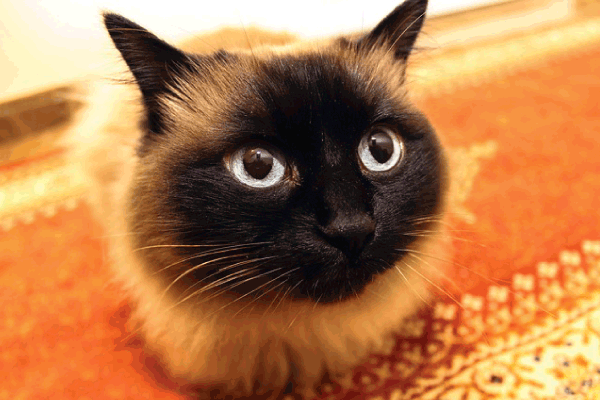
The domestic cat (Felis catus) is a creature universally admired for its grace, agility, and predatory prowess. From its silent, stealthy stalk to its explosive pounce and effortless leap, every movement of a cat is a testament to the remarkable efficiency and power of its muscular system. Far more than just the engine for locomotion, the muscular system dictates everything from a cat’s delicate ear twitches and subtle facial expressions to its powerful jaw clench, righting reflex, and the rhythmic beating of its heart. Understanding the feline muscular system is to understand the very essence of what makes a cat such a formidable hunter, an agile climber, and a captivating companion.
This guide will delve into the intricate world of feline muscles, exploring their fundamental physiology, diverse types, anatomical distribution, unique adaptations, and common health concerns. We will uncover how these tissues, working in concert with the skeletal and nervous systems, enable the cat’s extraordinary spectrum of behaviors.
Basic Principles of Muscle Physiology: The Engine of Movement
At its core, muscle tissue is specialized for contraction, a process that generates force and consequently, movement. This fundamental ability is shared across all muscle types, though the control mechanisms and specific structures vary.
The Muscle Cell (Fiber): A Microscopic Marvel
The basic unit of a muscle is the muscle cell, often called a muscle fiber, particularly in skeletal muscle due to its elongated shape. These cells are highly organized structures designed for efficient force generation.
- Sarcolemma: The cell membrane of a muscle fiber, responsible for transmitting electrical signals (action potentials) deep into the cell.
- Sarcoplasm: The cytoplasm of a muscle fiber, rich in mitochondria (for ATP production), glycogen (for energy storage), and myoglobin (an oxygen-binding protein, especially in slow-twitch fibers).
- Sarcoplasmic Reticulum (SR): A specialized endoplasmic reticulum within muscle cells that stores, releases, and reabsorbs calcium ions (Ca²⁺), which are critical for initiating and terminating muscle contraction.
- Transverse Tubules (T-tubules): Inward extensions of the sarcolemma that penetrate deep into the muscle fiber, running alongside the SR. They ensure that action potentials rapidly reach all parts of the muscle fiber, triggering calcium release from the SR simultaneously throughout the cell.
- Myofibrils: Long, contractile organelles packed within the sarcoplasm. Each myofibril is composed of repeating functional units called sarcomeres.
- Sarcomere: The fundamental contractile unit of striated muscle. It is defined by two Z-discs and contains two primary types of protein filaments:
- Actin (Thin Filaments): Composed primarily of globular actin proteins, along with regulatory proteins troponin and tropomyosin.
- Myosin (Thick Filaments): Composed of myosin molecules, each with a long tail and a globular head that can bind to actin and hydrolyze ATP.
The Mechanism of Muscle Contraction: The Sliding Filament Theory
Muscle contraction is best explained by the sliding filament theory. This elegant model describes how actin and myosin filaments slide past each other, shortening the sarcomere without the filaments themselves changing length.
- Neural Stimulation: A motor neuron releases the neurotransmitter acetylcholine (ACh) at the neuromuscular junction. ACh binds to receptors on the sarcolemma, generating an action potential.
- Excitation-Contraction Coupling: The action potential propagates along the sarcolemma and rapidly dives into the T-tubules. This electrical signal triggers the release of Ca²⁺ from the sarcoplasmic reticulum into the sarcoplasm.
- Cross-Bridge Formation: Calcium ions bind to troponin, causing a conformational change that pulls tropomyosin away from the myosin-binding sites on the actin filaments. Myosin heads, already energized by ATP hydrolysis (ADP + Pi still attached), can now bind to actin, forming cross-bridges.
- Power Stroke: The release of ADP and Pi from the myosin head causes it to pivot, pulling the actin filament towards the center of the sarcomere. This is the power stroke.
- Cross-Bridge Detachment: A new ATP molecule binds to the myosin head, causing it to detach from actin.
- Myosin Reactivation: The newly bound ATP is hydrolyzed into ADP and Pi, re-energizing the myosin head and cocking it back into its high-energy position, ready to bind to actin again if calcium is still present.
- Relaxation: When neural stimulation ceases, ACh is broken down by acetylcholinesterase, and Ca²⁺ is actively pumped back into the sarcoplasmic reticulum. With calcium removed from the sarcoplasm, troponin and tropomyosin revert to their original positions, blocking the myosin-binding sites on actin, and the muscle fiber relaxes.
This cycle of binding, pivoting, and detachment continues as long as calcium is present and ATP is available, leading to continuous shortening of the sarcomere and, consequently, the entire muscle fiber.
Energy for Muscle Contraction
Muscle contraction is an energy-intensive process, primarily powered by adenosine triphosphate (ATP). Muscle cells have several mechanisms to produce ATP:
- Creatine Phosphate System: A rapid but short-lived source. Creatine phosphate donates a phosphate group to ADP to quickly regenerate ATP (lasts ~10-15 seconds).
- Anaerobic Glycolysis: Breaks down glucose without oxygen to produce a small amount of ATP and lactic acid. Provides energy for moderate-intensity activity (lasts ~30-60 seconds).
- Aerobic Respiration: The most efficient method, breaking down glucose, fatty acids, and amino acids with oxygen to produce large amounts of ATP. Supports sustained, prolonged activity. Cat muscles, particularly those involved in endurance (if present in a cat’s activity profile), rely heavily on this.
Types of Muscle Tissue in Cats: Structure Meets Function
Cats possess three distinct types of muscle tissue, each uniquely adapted to its specific role within the body.
1. Skeletal Muscle: The Voluntary Movers
Skeletal muscles are the most abundant muscle type in a cat’s body, responsible for all voluntary movements, from walking and running to pouncing and kneading.
- Characteristics:
- Striated: Exhibits a striped appearance under a microscope due to the organized arrangement of sarcomeres.
- Voluntary: Contraction is consciously controlled by the nervous system.
- Multinucleated: Each muscle fiber contains multiple nuclei, located peripherally.
- Elongated and Cylindrical: Fibers are typically long and unbranched.
- Connective Tissue Organization: Skeletal muscles are highly organized by layers of connective tissue:
- Endomysium: A delicate layer surrounding each individual muscle fiber.
- Perimysium: A thicker layer enclosing bundles of muscle fibers (fascicles).
- Epimysium: The outermost fibrous layer that surrounds the entire muscle.
- Tendons: Strong, cord-like structures made of dense regular connective tissue that attach muscles to bones. They are continuations of the epimysium.
- Aponeuroses: Flat, sheet-like tendons that connect muscles to other muscles or to bones over a wide area, often seen in abdominal muscles.
- Muscle Fiber Types (Relevance to Feline Athleticism): Skeletal muscles contain a mix of fiber types, each optimized for different performance characteristics. The precise ratio varies between muscles and species, contributing to a cat’s unique athletic abilities.
- Type I (Slow-Oxidative / Slow-Twitch) Fibers:
- Contract slowly, resist fatigue, and are highly efficient.
- Abundant mitochondria, rich capillary supply, and high myoglobin content (giving them a reddish appearance).
- Primarily use aerobic respiration.
- Important for sustained posture, slow movements, and endurance activities. While cats are known for explosive power, these fibers still provide the foundational support for prolonged stalking and standing.
- Type II (Fast-Twitch) Fibers:
- Contract rapidly and powerfully but fatigue more quickly.
- Type IIa (Fast-Oxidative Glycolytic) Fibers: Intermediate between Type I and Type IIb. They have a moderate resistance to fatigue and can use both aerobic and anaerobic metabolism. Important for speed and moderate-duration bursts.
- Type IIb (Fast-Glycolytic) Fibers: Contract extremely rapidly and powerfully but fatigue very quickly. Have fewer mitochondria, less myoglobin, and rely heavily on anaerobic glycolysis. These are crucial for the cat’s explosive jumps, sprints, and pounces. Cats have a high proportion of these fibers in their hindlimb muscles, enabling their remarkable bursts of speed and leaping ability.
- Type I (Slow-Oxidative / Slow-Twitch) Fibers:
- Muscle Arrangement: Skeletal muscles rarely act in isolation:
- Agonist (Prime Mover): The muscle primarily responsible for a specific movement.
- Antagonist: A muscle that opposes the action of the agonist, often relaxing while the agonist contracts.
- Synergist: Muscles that assist the agonist by adding extra force or stabilizing joints.
- Fixator: A type of synergist that stabilizes the origin of the agonist so that the main force is exerted at the insertion point.
2. Smooth Muscle: The Involuntary Regulators
Smooth muscle is found within the walls of internal organs and structures, where it performs slow, sustained, involuntary movements.
- Characteristics:
- Non-Striated: Lacks the organized sarcomeres of skeletal and cardiac muscle, appearing smooth.
- Involuntary: Not under conscious control, regulated by the autonomic nervous system, hormones, and local factors.
- Spindle-Shaped Cells: Are generally shorter than skeletal muscle fibers, with a single, centrally located nucleus.
- Arranged in Layers: Often found in sheets, with fibers oriented in different directions (e.g., circular and longitudinal layers in the digestive tract) to produce complex movements.
- Location and Function in Cats:
- Digestive Tract: Drives peristalsis, the rhythmic contractions that move food through the esophagus, stomach, and intestines.
- Blood Vessels: Regulates blood pressure and flow through vasoconstriction and vasodilation.
- Respiratory Airways: Controls bronchodilation and bronchoconstriction in the lungs.
- Urinary Tract: Propels urine down the ureters and expels it from the bladder.
- Reproductive Tract: Important for uterine contractions during parturition (birth) and movement of gametes.
- Piloerector Muscles: Tiny smooth muscles attached to hair follicles, causing hair to stand on end (piloerection) in response to cold or fear, making the cat appear larger.
- Pupil Controls: The iris muscles (sphincter and dilator pupillae) regulate pupil size, adapting vision to light conditions.
- Mechanism of Contraction: While also using actin and myosin, smooth muscle contraction is regulated differently, primarily by calcium binding to calmodulin, which then activates myosin light chain kinase (MLCK) to phosphorylate and activate myosin heads. This allows for slow, sustained contractions with less energy expenditure.
3. Cardiac Muscle: The Unwavering Heart
Cardiac muscle is a unique type of muscle found only in the heart, responsible for pumping blood throughout the body.
- Characteristics:
- Striated: Like skeletal muscle, it has a striped appearance due to sarcomeres.
- Involuntary: Its contractions are not consciously controlled, regulated by the autonomic nervous system and hormones.
- Branched Cells: Cardiac muscle cells (cardiomyocytes) are short, branched, and typically uninucleated (or occasionally binucleated).
- Intercalated Discs: Specialized junctions between adjacent cardiac muscle cells that contain desmosomes (for strong adhesion) and gap junctions (for rapid electrical signal transmission). These discs allow the heart to function as a single, coordinated unit (functional syncytium).
- Function: The rhythmic, coordinated contraction of cardiac muscle propels blood through the circulatory system.
- Intrinsic Rhythmicity: Cardiac muscle possesses autorhythmicity; it can generate its own electrical impulses (pacemaker cells) without external nervous stimulation. The nervous system modulates (increases or decreases) this inherent rate.
Major Skeletal Muscle Groups in Cats: An Anatomical Overview
The organization of skeletal muscles in cats mirrors that of other mammals but with specific adaptations that highlight their predatory and agile lifestyle.
1. Muscles of the Head and Face
These muscles are critical for feeding, sensory perception, and subtle communication.
- Muscles of Mastication (Chewing): Power the cat’s formidable bite.
- Masseter: The most powerful chewing muscle, located on the side of the jaw, important for closing the jaw with immense force. Its prominence gives cats their characteristic broad cheek structure.
- Temporalis: A large muscle covering the temporal bone, also a powerful jaw-closer, adapted for crushing.
- Pterygoids (Medial and Lateral): Assist in jaw closure and provide side-to-side grinding movements (though less pronounced than in herbivores).
- Muscles of Facial Expression: While not as diverse as in humans, they allow for subtle cues.
- Orbicularis Oculi: Encircles the eye, responsible for blinking and closing the eyelid.
- Zygomaticus: Pulls the mouth corners back, contributing to facial expressions like grimacing.
- Platysma: A broad, thin sheet of muscle in the neck that can pull back the skin and lower jaw, expressing tension or fear.
- Auricular Muscles (Ear Movements): Cats have numerous, highly developed auricular muscles (over 30 in some reports) that allow for independent ear rotation, enabling them to pinpoint sound sources with remarkable precision. This is crucial for hunting and environmental awareness.
2. Muscles of the Neck and Spine (Axial Musculature)
These muscles provide stability, flexibility, and crucial power for head and body movements, vital for stalking, pouncing, and maintaining balance.
- Superficial Neck Muscles:
- Sternocephalicus: Extends from the sternum to the back of the head, allowing head flexion and lateral movement.
- Brachiocephalicus: Connects the forelimb to the head and neck. In cats, this muscle helps extend the shoulder and move the head and neck laterally.
- Deep Neck Muscles:
- Longus Capitis and Longus Colli: Deep ventral neck muscles that flex the neck and head.
- Splenius: A large dorsal neck muscle that extends the head and neck.
- Back Muscles (Erector Spinae Group): A complex group of muscles (e.g., iliocostalis, longissimus, spinalis) running along the spine. They are responsible for extending and maintaining the posture of the vertebral column, allowing for the cat’s immense spinal flexibility and arching during defense or stretching. These muscles are key in the righting reflex, coordinating spinal rotation.
- Abdominal Muscles: (Also considered axial musculature for their role in core stability)
- Rectus Abdominis: A pair of long, strap-like muscles running down the midline, flexing the spine (e.g., during a crouch or sit-up), supporting internal organs, and aiding in forced exhalation, defecation, and parturition.
- External Oblique, Internal Oblique, Transversus Abdominis: Layers of broad, sheet-like muscles forming the lateral and ventral abdominal wall. They compress the abdomen, rotate and flex the trunk, and contribute to the “core strength” essential for a cat’s agility and jumping power.
3. Muscles of the Thoracic Limb (Forelimb)
The forelimbs are adapted for agility, climbing, striking, and absorbing impact.
- Shoulder Girdle and Scapula: Cats have a highly mobile shoulder girdle due to a greatly reduced or absent clavicle and strong musculature, allowing a wide range of motion.
- Trapezius: A broad, superficial muscle that elevates and retracts the scapula.
- Rhomboideus: Lies deep to the trapezius, also retracts and elevates the scapula.
- Deltoid: A large triangular muscle covering the shoulder joint, responsible for flexing and abducting the shoulder.
- Supraspinatus: Flexes the shoulder joint; also a major stabilizer.
- Infraspinatus: Extends the shoulder and rotates the limb laterally; also a major stabilizer.
- Teres Major & Minor: Also involved in shoulder movement (flexion, adduction, rotation).
- Pectoralis Muscles (Superficial & Deep): Large chest muscles that adduct the forelimb (bringing it towards the body), important for stabilizing the limb and providing powerful strokes during climbing or holding prey.
- Serratus Ventralis: A large, fan-shaped muscle that supports the trunk between the forelimbs and protracts the scapula.
- Arm (Brachium):
- Biceps Brachii: A powerful flexor of the elbow joint and supinator of the forearm.
- Triceps Brachii: The primary extensor of the elbow joint, crucial for weight-bearing and pushing off. Its multiple heads provide substantial power.
- Forearm (Antebrachium): Contains numerous muscles responsible for intricate movements of the carpus (wrist) and digits (toes).
- Extensor Carpi Radialis: Extends the carpus.
- Flexor Carpi Ulnaris and Radialis: Flex the carpus.
- Common Digital Extensor and Lateral Digital Extensor: Extend the digits, important for un-sheathing claws and extending the paw.
- Superficial and Deep Digital Flexors: Flex the digits, crucial for gripping, climbing, and retracting claws. The deep digital flexor is particularly important for claw retraction, working in conjunction with elastic ligaments.
4. Muscles of the Pelvic Limb (Hindlimb)
The hindlimbs are the cat’s primary source of propulsion, essential for jumping, running, and kicking. They are typically more muscular than the forelimbs.
- Pelvic Girdle and Hip:
- Gluteal Muscles (Superficial, Middle, Deep): A powerful group of muscles (gluteus maximus, medius, minimus-like structures in cats) surrounding the hip, responsible for extending the hip, abducting the limb, and rotating it. They provide the explosive power for jumping.
- Sartorius: A thin, strap-like muscle that flexes the hip and stifle and adducts the limb.
- Tensor Fasciae Latae: Tenses the fascia on the lateral thigh and assists in hip flexion and abduction.
- Iliopsoas (Psoas Major and Iliacus): A deep muscle group that is the most powerful flexor of the hip joint, essential for bringing the hindlimb forward during locomotion.
- Adductor Muscles (Adductor Longus, Magnus, Brevis): Pull the hindlimb towards the midline, providing stability and strength to the stance.
- Thigh (Femur):
- Quadriceps Femoris Group (Rectus Femoris, Vastus Medialis, Lateralis, Intermedius): The most powerful extensor of the stifle (knee) joint, crucial for jumping, running, and standing. The rectus femoris also flexes the hip.
- Hamstring Muscles (Biceps Femoris, Semitendinosus, Semimembranosus): Located on the caudal aspect of the thigh. They primarily extend the hip and flex the stifle. The biceps femoris also abducts the limb and is a prominent muscle. These muscles are critical for propulsion and cushioning landings.
- Crus/Shank (Tibia and Fibula):
- Gastrocnemius: The primary calf muscle, a powerful extensor of the hock (ankle) and flexor of the stifle. It forms the classic “sprinter’s” muscle and provides much of the push-off power.
- Soleus: Often fused with the gastrocnemius in cats, also extends the hock.
- Tibialis Cranialis: The main flexor of the hock.
- Digital Extensors (Long Digital Extensor): Extend the digits.
- Digital Flexors (Superficial and Deep Digital Flexors): Flex the digits, providing grip and claw control.
5. Muscles of Respiration
While mentioned briefly with axial muscles, their specialized function warrants a separate mention.
- Diaphragm: The primary muscle of inspiration, a dome-shaped sheet separating the thoracic and abdominal cavities. Its contraction flattens it, increasing the volume of the thoracic cavity and drawing air into the lungs.
- Intercostal Muscles (External and Internal): Located between the ribs. The external intercostals aid in inspiration by pulling ribs cranially and outwards, while the internal intercostals aid in forced expiration by pulling ribs caudally and inwards.
Neuromuscular Control and Coordination: The Brain-Muscle Connection
The exquisite precision and agility of a cat’s movements are not just due to powerful muscles but also to a highly sophisticated nervous system that controls and coordinates them.
- Motor Units: A single motor neuron and all the muscle fibers it innervates constitute a motor unit. Cats, known for fine motor control, have many small motor units, meaning a single motor neuron controls fewer muscle fibers, allowing for graded and precise force generation.
- Cerebellum: This part of the brain is crucial for coordination, balance, and fine-tuning motor movements. It receives sensory input from muscles and joints (proprioception) and uses this information to smoothly coordinate complex actions like jumping, landing, and stalking.
- Motor Cortex: Located in the cerebrum, it initiates voluntary movements and sends signals down the spinal cord to activate specific motor neurons.
- Spinal Reflexes: Automatic, involuntary responses to stimuli (e.g., withdrawal reflex from pain). These are hardwired in the spinal cord and allow for rapid reactions without conscious brain involvement, which can be critical for escaping danger.
- Proprioception: The body’s sense of its position in space. This is mediated by specialized sensory receptors within muscles, tendons, and joints:
- Muscle Spindles: Detect changes in muscle length and the rate of change, helping to maintain muscle tone and initiate stretch reflexes.
- Golgi Tendon Organs: Located in tendons, they sense muscle tension and protect muscles from excessive force by causing them to relax (autogenic inhibition).
- These proprioceptors constantly feed information back to the central nervous system, allowing the cat to precisely adjust its posture, balance, and movement in real-time.
Unique Feline Muscular Adaptations: Built for the Hunt
The muscular system of a cat is a masterpiece of evolutionary engineering, tailored for its demanding predatory lifestyle.
- Exceptional Flexibility and Agility:
- Spinal Flexibility: Cats possess a remarkably flexible spine, thanks to their numerous vertebrae and intervertebral discs, and strong, adaptable axial muscles. This allows for extreme arching, twisting, and contorting, crucial for grooming, squeezing into tight spaces, and the powerful flexion-extension cycle of running.
- Loose Scapular Attachment: Unlike many mammals with a strong clavicular connection to the sternum, the cat’s scapula is attached to the body primarily by muscle (the clavicle is vestigial). This “floating” scapula allows for greater mobility and stride length, contributing to their explosive running and jumping.
- Explosive Jumping and Pouncing Power: The highly developed muscles of the hindlimbs, particularly the quadriceps femoris and gluteal muscles, allow for immense power generation. The rapid recruitment of Type IIb fast-twitch fibers enables them to leap many times their own height and length.
- Righting Reflex: One of the most famous feline abilities, the righting reflex allows a cat to orient itself mid-air to land on its feet, even when falling from an inverted position. This complex maneuver involves precise coordination of head (neck muscles and vestibular system), spine, and limb muscles, allowing for rapid rotation of the body segments independently.
- Climbing Prowess:
- Strong Forelimb Flexors: Muscles like the biceps brachii and digital flexors provide the strength needed to pull the body upwards.
- Retractable Claws: The unique muscular and ligamentous system of the paw allows the cat to protract (extend) its sharp claws for grip during climbing and hunting, and retract them to keep them sharp and protected when walking. The deep digital flexor muscles are key for claw protraction, while elastic ligaments facilitate retraction.
- Stealth and Precision: The fine motor control provided by small motor units and excellent proprioception allows cats to move with incredible silence and precision during stalking, placing each paw with deliberate care to avoid detection.
- Endurance for the Stalk: While known for bursts, cats can also stalk prey for extended periods. Their muscle fiber composition, though favoring fast-twitch, still incorporates enough slow-oxidative fibers and efficient aerobic metabolism to support prolonged, low-intensity activity before the final attack.
Common Muscular Problems and Conditions in Cats
Despite their robust muscular system, cats can suffer from various conditions affecting their muscles.
- Trauma:
- Strains and Sprains: Overstretching or tearing of muscle fibers (strains) or ligaments (sprains) often results from falls, jumps, or sudden movements.
- Contusions: Bruises to muscle tissue from blunt force trauma.
- Lacerations: Cuts to muscle tissue.
- Inflammation:
- Myositis: General inflammation of muscle tissue, which can be immune-mediated (e.g., polymyositis) or infectious. Symptoms include muscle pain, weakness, and lameness.
- Degenerative Conditions:
- Sarcopenia: Age-related muscle loss, common in senior cats, leading to weakness, reduced mobility, and a decrease in overall quality of life.
- Muscular Dystrophy: Rare inherited conditions causing progressive muscle weakness and degeneration.
- Neuromuscular Diseases:
- Myasthenia Gravis: An autoimmune disorder where the immune system attacks acetylcholine receptors at the neuromuscular junction, leading to severe muscle weakness and fatigue, especially after exercise.
- Polyneuropathy: Disease affecting multiple peripheral nerves, which can lead to muscle weakness and atrophy.
- Metabolic Myopathies:
- Hypokalemic Myopathy: A condition where low potassium levels in the blood lead to muscle weakness, particularly in the neck, causing a characteristic “ventroflexion” (head held low). Can be triggered by certain cat foods or kidney disease.
- Glycogen Storage Diseases: Rare genetic disorders where the body cannot properly store or break down glycogen in muscles, leading to weakness.
- Nutritional Deficiencies:
- Taurine Deficiency: While primarily known for its impact on cardiac muscle (dilated cardiomyopathy) and vision, severe taurine deficiency can also affect skeletal muscle function. Modern cat foods are typically supplemented.
- Toxins: Certain toxins (e.g., some organophosphates, botulinum toxin) can interfere with neuromuscular signaling, causing muscle weakness or paralysis.
- Hypertrophic Cardiomyopathy (HCM): The most common heart disease in cats, characterized by a thickening of the cardiac muscle walls, particularly the left ventricle. This thickening makes the heart less efficient at pumping blood, leading to potential heart failure and blood clots. It is a specific disease of the cardiac muscle.
Maintaining Muscular Health in Cats
Ensuring the health of a cat’s muscular system is integral to their overall well-being and longevity.
- Optimal Nutrition:
- High-Quality Protein: Cats are obligate carnivores and require a diet rich in animal-based protein, which provides essential amino acids for muscle growth, repair, and maintenance.
- Taurine: This essential amino acid is crucial for cardiac muscle function and vision. Commercial cat foods are formulated to provide adequate taurine.
- Vitamins and Minerals: Ensure a balanced intake of nutrients like Vitamin E (antioxidant protecting muscle cells), selenium, and electrolytes (potassium, magnesium) vital for muscle function.
- Appropriate Exercise and Enrichment:
- Play: Regular interactive play (feather wands, laser pointers, chase games) is vital for maintaining muscle tone, strength, and flexibility.
- Climbing Opportunities: Cat trees, shelves, and vertical spaces encourage natural climbing behaviors, engaging their powerful climbing muscles.
- Mental Stimulation: Exercise isn’t just physical; mental engagement helps keep cats active and mobile.
- Weight Management: Obesity puts undue strain on muscles and joints, increasing the risk of injury and reducing mobility. Maintaining a healthy weight is paramount for muscular health.
- Regular Veterinary Care: Routine check-ups allow for early detection of any underlying conditions affecting the muscular or neuromuscular systems. A veterinarian can assess muscle mass, gait, and overall physical condition.
- Physical Therapy and Rehabilitation: For cats recovering from injuries, surgery, or those with degenerative conditions, veterinary physical therapy (e.g., massage, therapeutic exercise, hydrotherapy) can help restore muscle strength, flexibility, and function.
- Comfortable Environment for Seniors: As cats age, sarcopenia and joint issues can reduce muscle capacity. Providing easily accessible resting spots, ramps, and non-slip surfaces can help them maintain activity and comfort.
Conclusion: The Feline Muscular System – A Symphony of Strength and Elegance
The muscular system of the cat is a marvel of biological engineering, meticulously crafted by evolution to support a life of unparalleled agility, predatory efficiency, and graceful movement. From the microscopic dance of actin and myosin within each sarcomere to the macroscopic symphony of hundreds of muscles working in perfect synchrony, every aspect contributes to the cat’s distinctive physical capabilities.
Whether it is the silent creep of a hunter, the aerial acrobatics of a leaping cat, the sudden burst of a playful chase, or the comforting purr vibration, the muscular system is the fundamental engine driving these behaviors. Understanding its complexity not only deepens our appreciation for these enigmatic creatures but also empowers us to better care for their health, ensuring they continue to demonstrate their incredible strength and elegance for years to come. The feline muscular system is indeed a testament to the beauty and power of nature’s design.
#FelineMuscles, #CatAnatomy, #MuscularSystem, #CatPhysiology, #FelineAgility, #PredatorMuscles, #CatScience, #PetHealth, #CatFitness, #SkeletalMuscle, #SmoothMuscle, #CardiacMuscle, #MuscleContraction, #SlidingFilamentTheory, #CatMovement, #AgileCat, #JumpingCat, #ClimbingCat, #RightingReflex, #RetractableClaws, #CatWellness, #VetMed, #FelineHealth, #CatCare, #MuscleHealth, #PetScience, #TaurineForCats, #CatTips, #VeterinaryMedicine
Add comment