
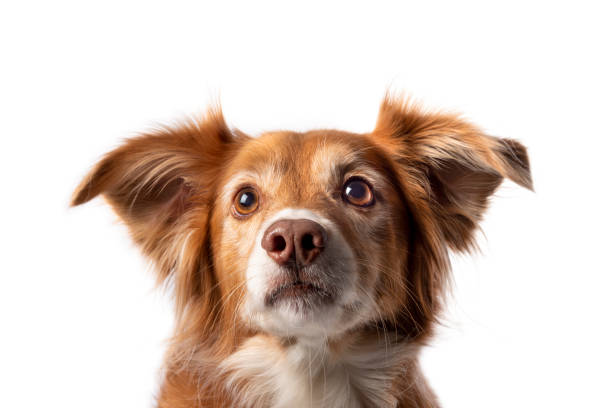
The exhilarating joy of bringing a new dog home, whether a bouncy puppy or a loving rescue adult, often comes with one significant challenge: potty training. For many dog owners, the initial stages are a mixed bag of success and a few clean-ups. But then, a new, more insidious problem emerges. Your dog, who seemed to be making progress, or even was fully reliable, suddenly starts having accidents inside again. This isn’t just a fluke; it’s a “potty training plateau” or even a regression, and it can be profoundly frustrating, disheartening, and even exasperating for even the most patient owner.
You find yourself asking: “Why is my dog doing this? Are they doing it on purpose? What did I do wrong?” Rest assured, you’re not alone, and your dog is highly unlikely to be acting out of spite. Potty training plateaus and regressions are common, and in almost all cases, they stem from identifiable causes that can be addressed with the right approach. This comprehensive guide will delve deep into the potential reasons behind your dog’s indoor accidents and provide an elaborate, step-by-step troubleshooting manual to get your furry friend back on the path to consistent house-training success.
I. Introduction: The Frustration of Potty Training Plateaus
The sigh of relief that comes with a consistently house-trained dog is a beautiful thing. No more scrambling for the cleaning spray, no more worrying about leaving them alone for a few hours. Then, one day, you walk in to find a puddle or a pile, and your heart sinks. It might be an occasional accident, or it might become a daily occurrence, unraveling all the hard work you thought was done. This is the essence of a potty training plateau – a period where progress stalls, or worse, reverses, leaving owners feeling helpless and frustrated.
It’s crucial to understand that a dog having an accident inside is rarely a malicious act. Dogs don’t understand “spite” or “revenge” in the human sense. Their actions are driven by instinct, physical needs, learned behaviors, environmental factors, and emotional states. Our job as owners is to become detectives, piecing together the clues to understand why the accidents are happening and then implementing a strategy to re-establish good habits.
This guide will empower you with the knowledge to:
- Rule out urgent medical issues.
- Identify common behavioral and environmental triggers.
- Implement effective troubleshooting strategies.
- Tailor your approach to specific scenarios (puppies, adults, seniors).
- Maintain long-term success.
Let’s embark on this journey to regain your dog’s house-training reliability and restore peace to your home.
II. The Absolutely Non-Negotiable First Step: Rule Out Medical Issues
Before you change a single training technique or attribute the accidents to behavioral defiance, you must, without exception, contact your veterinarian. Medical conditions are a leading cause of sudden or persistent house-training regressions, and ignoring them can have serious consequences for your dog’s health.
Why This Is Critical: Dogs are masters at masking illness. A change in potty habits might be the only outward sign that something is medically amiss. Behavioral problems often mirror physical discomfort. If you try to correct a “behavioral” issue that is actually medical, you’re not only failing to solve the problem but also delaying critical treatment for your dog.
Symptoms to Watch For: While any sudden change warrants a vet visit, be particularly observant for:
- Increased frequency: Urinating or defecating more often than usual.
- Increased volume: Producing larger amounts of urine.
- Straining or difficulty urinating/defecating: Arching back, squatting repeatedly, vocalizing.
- Blood in urine or stool: Any discoloration, especially red or pink.
- Changes in urine stream: Dribbling, weak stream.
- Changes in thirst/appetite: Drinking significantly more water, changes in food intake.
- Lethargy or changes in energy levels.
- Vomiting or diarrhea alongside the accidents.
- Licking genitals excessively.
- Fever or general malaise.
Common Medical Conditions That Cause Potty Accidents:
- Urinary Tract Infections (UTIs): Extremely common, especially in female dogs. Bacteria irritate the bladder, causing frequent, urgent, and often painful urination, leading to accidents.
- Bladder Stones or Crystals: These painful formations can cause inflammation, irritation, and blockages, leading to increased urgency, straining, and blood in the urine.
- Kidney Disease: Impaired kidney function can lead to increased thirst and urination, overwhelming the dog’s ability to hold it.
- Diabetes Mellitus: Pancreatic dysfunction leads to high blood sugar, causing increased thirst (polydipsia) and increased urination (polyuria).
- Cushing’s Disease (Hyperadrenocorticism): Overproduction of cortisol can cause increased thirst, urination, and a “pot-bellied” appearance.
- Gastrointestinal Issues: Colitis, Inflammatory Bowel Disease (IBD), food sensitivities, or intestinal parasites can lead to urgent diarrhea or frequent bowel movements that the dog can’t hold until they get outside.
- Cognitive Dysfunction Syndrome (CDS) / “Doggy Dementia”: In older dogs, similar to Alzheimer’s in humans, CDS can cause confusion, disorientation, anxiety, and a forgetfulness of previously learned behaviors, including house-training rules.
- Arthritis or Mobility Issues: Pain or stiffness, especially in older dogs, can make it difficult or painful to get up, go outside, or posture correctly to eliminate, leading to indoor accidents.
- Incontinence (e.g., Sphincter Mechanism Incompetence): Particularly common in spayed female dogs, where the urinary sphincter muscle weakens, leading to involuntary urine leakage, especially when resting or sleeping.
- Prostate Issues (Intact Male Dogs): Enlarged prostate can put pressure on the colon, leading to straining to defecate or discomfort during urination.
- Anxiety-Related Physical Responses: While primarily behavioral, severe anxiety can sometimes manifest in physical ways, including “stress colitis” (diarrhea) or increased urination due to physiological stress responses.
Action: What to Expect at the Vet: Your vet will perform a thorough physical examination, discuss your dog’s history and symptoms, and likely recommend diagnostic tests such as:
- Urinalysis: To check for infection, crystals, blood, protein, and glucose in the urine.
- Urine Culture: If infection is suspected, to identify the specific bacteria and determine appropriate antibiotics.
- Blood Work (CBC, Chemistry Panel): To evaluate kidney function, liver function, blood sugar levels, and other markers of systemic disease.
- Fecal Exam: To check for intestinal parasites.
- Imaging (X-rays, Ultrasound): To look for bladder stones, kidney abnormalities, prostatic enlargement, or other structural issues.
Do NOT Skip This Step. Getting a clean bill of health from your veterinarian is the foundation upon which all successful behavioral troubleshooting is built. If a medical issue is found, treating it is the priority, and the accidents should resolve with proper treatment.
III. Deconstructing the Plateau: Identifying the Root Causes
Once medical issues have been ruled out, you can confidently turn your attention to behavioral, environmental, and training-related factors. This requires careful observation and honest self-assessment of your training methods.
A. Gaps in the Initial Potty Training Foundation (The “Back to Basics” Scenario)
Often, a plateau isn’t a new problem but a sign that the initial training wasn’t fully solidified. Owners might have relaxed too soon, giving the dog too much freedom before they were truly reliable.
- Inconsistent Schedule: Dogs thrive on routine. If potty breaks are random or varying daily, your dog can’t learn to predict when to hold it.
- Troubleshooting: Re-establish a strict, predictable schedule.
- Insufficient Potty Breaks: Puppies and even some adult dogs have small bladders and bowels. They cannot hold it for extended periods. Accidents inside often occur simply because the dog physically couldn’t wait any longer.
- Troubleshooting: Increase the frequency of potty breaks, especially after waking up, eating, drinking, and playing.
- Poor Supervision & Too Much Freedom Too Soon: Giving a dog unsupervised access to the entire house before they are 100% reliable is a recipe for accidents. If you’re not there to interrupt, you can’t prevent the accident or reinforce outdoor success.
- Troubleshooting: Implement strict supervision using leashes, crating, or confined spaces.
- Ineffective Cleaning Methods: If previous accident spots aren’t cleaned thoroughly with an enzymatic cleaner, the lingering scent tells your dog, “This is a bathroom spot.”
- Troubleshooting: Invest in a high-quality enzymatic cleaner and use it meticulously.
- Lack of Clear Communication & Positive Reinforcement: If your dog doesn’t understand where you want them to go, or if going outside isn’t adequately rewarded, they won’t prioritize it.
- Troubleshooting: Use a consistent potty cue and shower the dog with high-value treats and praise immediately after they finish outside.
- Punishment for Accidents: Punishing your dog for an indoor accident is one of the most detrimental things you can do. It teaches them to fear you and to hide their accidents, making it harder to catch them in the act and preventing you from redirecting them outside. It also damages your bond.
- Troubleshooting: Never punish. Interrupt calmly and redirect.
B. Environmental Factors & Changes
Dogs are creatures of habit. Any significant change in their environment or routine can be a source of stress or confusion, leading to house-training lapses.
- New Environment/Layout: Moving to a new home, rearranging furniture, or even visiting a new place can disorient a dog who relies on familiar cues.
- New Pet or Person in the Home: A new baby, roommate, or another pet can cause stress, anxiety, or territorial marking behavior.
- Changes in Routine: A new work schedule for the owner, travel, or disruptions to daily activities can throw off a dog’s internal clock and predictability.
- Weather Changes: Many dogs dislike going out in rain, snow, extreme cold, or heat. They might rush their business or try to hold it until they can’t anymore.
- Scary Outdoor Experiences: A loud noise (fireworks, construction), an aggressive dog encounter, or a frightening event while outside can make a dog reluctant to potty in that area or even to go outside at all.
- Access to “Approved” Potty Spots: The designated potty area might become inaccessible (e.g., gate closed), or its cleanliness might deter the dog (e.g., too much existing waste).
C. Stress & Anxiety
Emotional distress is a huge contributor to house-training issues. A dog experiencing anxiety may urinate or defecate inappropriately as a symptom of their discomfort.
- Separation Anxiety: Accidents (often urination and/or defecation, sometimes combined with destruction or vocalization) that only occur when the dog is left alone are a hallmark of separation anxiety. This is not a spiteful act but a panic response.
- Fear/Phobias: Dogs with phobias (e.g., thunder, fireworks, strangers) may have stress-induced accidents during or after exposure to their triggers.
- General Anxiety: Some dogs are inherently more anxious or can develop general anxiety due to various factors. This underlying stress can manifest in various ways, including house-training issues.
- Submissive Urination: Usually seen in puppies or shy dogs, this occurs when they feel threatened, excited, or are greeting someone. It’s often accompanied by body language like crouching, tail tucking, and averting gaze. It’s not a training issue but an involuntary emotional response.
- Excitement Urination: Similar to submissive urination, but triggered by intense excitement, like greeting owners after a long absence or during enthusiastic play.
D. Marking Behavior (Territorial or Hormonal)
Marking is distinct from a full accident. It’s typically smaller amounts of urine, often on vertical surfaces, and is a form of communication.
- Triggers: New smells (visitors, new furniture, other animals), new items brought into the home, or other dogs marking outside the house can trigger your dog to “reply” by marking inside.
- Intact Status: Unneutered males (and to a lesser extent, unspayed females) are more prone to marking due to hormonal influences. Spaying/neutering often reduces marking but doesn’t always eliminate it, especially if the behavior is deeply ingrained.
- Anxiety: Marking can also be a display of anxiety or insecurity about their territory.
E. Age-Related Changes (Senior Dogs)
Older dogs can experience a decline in their physical and cognitive abilities, impacting their house-training reliability.
- Cognitive Dysfunction Syndrome (CDS): Also known as “doggy dementia,” CDS can cause confusion, disorientation, changes in sleep-wake cycles, anxiety, and a forgetfulness of previously learned behaviors, including where and when to potty.
- Decreased Bladder/Bowel Control: As dogs age, the muscles that control bladder and bowel sphincters can weaken, making it harder to hold it for as long as they once could.
- Mobility Issues: Arthritis, hip dysplasia, or other joint problems can make it painful or difficult for a senior dog to get up, move quickly to the door, or posture correctly to eliminate.
- Increased Thirst/Urination (Medical): While CDS can contribute, many older dogs develop medical conditions (like kidney disease, diabetes, Cushing’s) that cause increased thirst and urination, overwhelming their ability to hold it. Always rule out medical first for seniors!
F. “Holding It” Issues & Distractions
Sometimes, the problem isn’t that the dog can’t hold it, but that they won’t or don’t outside for various reasons.
- Outdoor Distractions: Many dogs get so engrossed in sniffing, playing, or observing their surroundings that they forget to actually potty when outside. They hold it in, then come inside and relax, only to have an accident.
- Surface Preference: A dog might develop a preference for certain surfaces (e.g., grass, concrete, pee pads) and be reluctant to go on others. If their preferred surface isn’t available, they might hold it and then go inside.
- Fear of Outside: If a dog has had a negative experience outside (e.g., attacked by another dog, scared by a loud noise), they might be hesitant or fearful of eliminating outdoors.
- Learned Helplessness/Past Trauma: Rescue dogs, especially those from puppy mills or abusive backgrounds, may have learned to hide their accidents due to punishment, making house-training more challenging.
G. Undiagnosed Learning Difficulties/Past Trauma
Some dogs, particularly those with unknown histories from shelters or difficult pasts, may have underlying challenges that impact their ability to learn or comply with house-training. This could range from a lack of early socialization to true cognitive differences or lingering effects of trauma. Patience and professional help are especially crucial here.
IV. Comprehensive Troubleshooting Strategies: Getting Back on Track
Now that you’ve identified potential causes, it’s time to implement a multi-faceted approach. Think of this as pressing the “reset” button on potty training, but with the added benefit of understanding the underlying issues.
A. Re-establish a Strict Potty Schedule (Back to Basics)
This is the cornerstone of successful house-training. Your goal is to maximize opportunities for outdoor success and minimize opportunities for indoor failure.
- Frequency is Key:
- Puppies (under 6 months): Every 1-2 hours, immediately after waking up, eating, drinking, and intense play. Last thing before bed, first thing in the morning.
- Adult Dogs: Every 3-4 hours if previously reliable, potentially more often at the start of re-training (e.g., every 2 hours), and always after waking, eating, drinking, and play.
- Senior Dogs: Increase frequency significantly, perhaps every 2-3 hours, due to potential bladder/bowel weakening.
- Predictable Times: Stick to your schedule as consistently as possible every single day. Dogs learn through repetition and predictability.
- Potty Log: Create a simple chart. Mark down every time your dog eliminates (urine and stool), what time, and if it was inside or outside. This helps identify patterns (e.g., accidents always happen 3 hours after a meal, or always after a long nap) and ensures you’re taking them out enough.
- Water Management (Carefully): While preventing dehydration is paramount, you can slightly limit water intake right before bed, about 2-3 hours prior for puppies, an hour for adults. Always ensure fresh water is available throughout the day.
B. Hyper-Vigilant Supervision (No More Free Reign)
Until your dog is 100% reliable again, treat them like an un-house-trained puppy. This means preventing accidents indoors from happening in the first place.
- The Umbilical Cord Method: For the first week or two of intensive retraining, keep your dog attached to you via a leash (a 6-foot leash is ideal) whenever you are home and awake. This ensures you can watch for pre-potty signals (sniffing, circling, whining, heading to a usual spot) and immediately intervene.
- Crating (Appropriately): If your dog is comfortable and properly crate-trained, the crate is an invaluable tool. Dogs generally do not like to soil their sleeping area.
- Crate Sizing: Ensure the crate is just large enough for them to stand up, turn around, and lie down comfortably. If it’s too big, they can potty in one corner and sleep in another.
- Crate Time Limits: Never leave a dog in a crate longer than they can physically hold their bladder/bowels. For puppies, this is typically 1 hour per month of age (up to about 8-9 hours for older puppies/adults). For adults, 4-6 hours is often a maximum, certainly no more than 8 hours. Prolonged crating can lead to stress, soiling the crate, and teaching the dog it’s okay to eliminate there.
- Positive Association: The crate should be a safe, comfortable den, never used for punishment.
- Confined, Dog-Proofed Area: When you cannot actively supervise (e.g., showering, short errands), confine your dog to a small, easily cleaned, dog-proofed area (e.g., kitchen with baby gates). Remove carpets, rugs, or anything potentially absorbent.
- Bells on the Door: Train your dog to ring bells hanging from the door when they need to go out. This provides a clear communication signal. Start by ringing the bells yourself every time you take them out, then encourage them to touch it with their nose or paw, rewarding heavily.
C. Optimize Outdoor Potty Experiences
Make going outside to eliminate the most rewarding and positive experience possible.
- Dedicated Potty Spot: Try to take your dog to the same general area outside each time. Familiar scents can encourage them to go.
- Minimize Distractions: When you take your dog out for a potty break, it’s strictly business. Keep them on a leash, take them directly to the spot, and stand relatively still. Avoid playing, interacting with other dogs, or lengthy walks until after they’ve done their business. Once they’ve gone, then you can offer a walk or playtime as a secondary reward.
- Potty Cue: Use a consistent verbal cue like “Go potty,” “Do your business,” or “Outside.” Say it calmly as they are eliminating. This helps them associate the cue with the action.
- High-Value Rewards – Immediate & Enthusiastic: The moment their bladder/bowels are empty, reward them lavishly. This means enthusiastic praise (“Good potty!”), a favorite high-value treat (e.g., cheese, cooked chicken, hot dogs fragments – something they love and only get for outdoor potty success), and a quick, happy petting session. Timing is crucial: the reward must happen within 1-2 seconds of them finishing their business.
- Stay Out Longer: Sometimes dogs just need a bit more time. Don’t rush them. Wait until you’re certain they’ve fully emptied their bladder and bowels before coming back inside. Take them out twice in short succession if you’re unsure.
- Weather Preparedness: Don’t let weather deter you. Invest in doggy raincoats, boots (if necessary), and make the outdoor experience as comfortable as possible for your dog. For severe weather, consider a covered area or temporarily using an indoor grass patch (real or artificial) if absolutely unavoidable, but aim for outdoor elimination.
D. Flawless Accident Management (Indoors)
How you react to indoor accidents is critical.
- Never Punish: Yelling, scolding, rubbing their nose in it, or physical punishment is severely counterproductive. It teaches fear, not house-training. It will make your dog hide their accidents or learn to fear eliminating in your presence, even outside.
- Interrupt Calmly: If you catch your dog in the act, make a quick, sharp noise (a clap, “Oops!”) to interrupt them. Do not scare them. Immediately pick them up (if small enough) or leash them and rush them outside to their designated potty spot to finish. Reward heavily if they finish outside.
- Clean Thoroughly: This is paramount. Dogs are drawn to repeat accidents in areas where they can smell their previous eliminations.
- Initial Soak-Up: Blot up urine with paper towels or old rags. Scoop up solid waste.
- Enzymatic Cleaner: This is non-negotiable. Regular household cleaners mask odors for humans but don’t break down the odor-causing uric acid crystals that dogs can still smell. Enzymatic cleaners (e.g., Nature’s Miracle, Rocco & Roxie, Anti-Icky Poo) penetrate the fibers and neutralize these odors permanently. Follow product instructions carefully, ensuring the area is saturated, left to sit, and then blotted dry.
- Containment During Cleaning: Keep your dog out of the area while you’re cleaning so they don’t associate the cleaning process with their accident.
E. Address Stress & Anxiety
If anxiety is the root cause, you need to tackle it directly.
- Identify Triggers: Keep a journal. When do accidents happen? What was happening immediately before? Was anyone new in the house? Was there a loud noise? Were you gone?
- Enrichment: A physically tired and mentally stimulated dog is generally a calmer dog. Ensure your dog gets adequate exercise for their breed and age, and provide mental enrichment (puzzle toys, sniff games, training sessions).
- Calming Aids:
- Pheromone Diffusers/Collars (Adaptil): Mimic reassuring pheromones released by a mother dog.
- Thunder Shirts/Anxiety Wraps: Gentle, constant pressure can be calming for some dogs.
- Calming Treats/Supplements: Natural ingredients like L-Theanine, chamomile, or tryptophan can help. Always discuss with your vet first.
- Desensitization & Counter-Conditioning: For specific fears (e.g., thunder, certain people), work with a professional trainer to gradually expose your dog to the trigger in a positive way.
- Veterinary Behaviorist: For severe or complex anxiety, a veterinary behaviorist (a vet with specialized training in behavior) can diagnose, prescribe medication, and develop a comprehensive behavior modification plan.
F. Managing Marking Behavior
- Neutering/Spaying: If your dog is intact and marking is an issue, discuss spaying or neutering with your vet. This often reduces hormonally driven marking, though it may not eliminate it entirely if the behavior is ingrained.
- Strict Supervision: As with general accidents, keep a close eye on your dog. Interrupt any attempts to mark indoors and immediately take them outside.
- Training “Leave It” and “Off”: Teach your dog to ignore tempting vertical surfaces or objects they might want to mark.
- Enzyme Cleaners: Again, thorough cleaning of marked spots is crucial.
- Environmental Management: Block access to areas where marking is common. Cover furniture legs with plastic or aluminum foil temporarily.
G. Support for Senior Dogs
Aging dogs require a compassionate and adaptive approach.
- Increased Potty Breaks: Simply take them out more often, even if they don’t signal.
- Easy Access: Consider ramps if stairs are difficult. A doggy door to a secure yard can be a lifesaver. For severe incontinence, or if getting outside is truly impossible, consider indoor potty pads or a real grass patch indoors for easier access.
- Comfort: Ensure they have warm, soft bedding.
- Medication: Discuss medications with your vet (e.g., for incontinence, joint pain, or CDS). Phenobarbital or Proin (phenylpropanolamine) can help with sphincter control. Medications like Selegiline (Anipryl) or specific diets/supplements can help manage CDS symptoms.
H. Positive Reinforcement Pervades All Training
Regardless of the underlying cause, your entire approach must be based on positive reinforcement.
- Make Outdoor Success Irresistible: Your dog should associate going potty outside with the most wonderful things in their life (treats, praise, play).
- Avoid Negativity: Fear and punishment undermine trust and hinder learning. Your dog should never feel anxious about doing their business in your presence.
- Build a Strong Bond: A strong, trusting relationship makes your dog more willing to please you and reduces stress that can lead to accidents.
V. Specific Scenarios & Considerations
A. The Puppy Who “Forgot”
This is often a case of relaxing supervision too soon. Puppies learn quickly but their bladder control isn’t fully developed until 4-6 months, and their understanding of house rules needs constant reinforcement.
- Action: Revert to strict puppy potty training protocol – frequent outdoor breaks, umbilical cord method, crate training, lavish rewards for outdoor success. Remember that growth spurts or even new distractions (teething pain, new toys) can briefly impact focus on potty training.
B. The Adult Dog (Rescued/Adopted) Suddenly Having Accidents
Many adopted dogs are wonderful initially, then have regressions after a “honeymoon phase” (weeks to months) once they’ve settled in and their true personality emerges. This can also happen if their past history included punishment for accidents.
- Action:
- Start from scratch: Treat them like a brand-new puppy with house-training. Assume they know nothing and build good habits with patience.
- Patience is Key: Their past is unknown; they may have trauma or neglect. Build trust.
- Observe: What triggers the accidents? Is it when you leave? When strangers visit? This could indicate anxiety or marking.
- Vet Check: Always rule out medical issues, especially for dogs with unknown health histories.
C. The Dog Who Only Has Accidents When You Are Away
This is a strong indicator of separation anxiety, not a simple house-training issue. Accidents are often one symptom among others like destructive chewing, vocalization, pacing, or self-harm.
- Action:
- Confirm: Record your dog when you’re away (webcam, old phone).
- Consult a professional: Separation anxiety is complex and best addressed by a certified professional dog trainer (CPDT) or a veterinary behaviorist.
- Management: While you work on the behavior, consider dog walkers, dog daycare, or having a trusted friend care for them to reduce isolation. Crate training can help some dogs, but if anxiety is severe, it can make it worse if the dog soils the crate due to panic.
- Medication: For severe cases, a vet behaviorist may prescribe anti-anxiety medication in conjunction with behavior modification.
D. The Dog Who Only Goes at Night
Nighttime accidents can be particularly frustrating.
- Action:
- Last Potty Break: Ensure the very last potty break before bed is effective. Stay out long enough for them to fully empty.
- Water Intake: Limit water 2-3 hours before bed.
- Medical Check: Nighttime accidents are a common symptom of UTIs or other medical conditions. Get a vet check.
- Crating: If appropriate and your dog is comfortable, crating them at night can deter accidents.
- Temporary Indoor Solution: For seniors or dogs with medical conditions, consider an indoor grass patch or potty pads near their sleeping area as an emergency option.
- Alarm Clock: For puppies or dogs with small bladders, set an alarm to take them out in the middle of the night until their bladder control improves.
VI. Maintaining Success and Preventing Regression
Potty training isn’t just about training but also about maintenance. Lifelong consistency is key.
- Consistency is Paramount: Don’t slack off too soon. Continue with a relatively consistent schedule, even if less frequent than during intensive retraining.
- Gradual Increase in Freedom: Once your dog has been accident-free for several weeks (e.g., 4-6 weeks), you can start gradually increasing their unsupervised time. Start with 5-10 minutes, slowly building up. Don’t rush it. If an accident occurs, reduce freedom again.
- Continue Positive Reinforcement: Even a perfectly house-trained dog appreciates praise and sometimes a small treat for a successful outdoor potty. It reinforces the behavior.
- Anticipate Changes: Be proactive. If you’re going on vacation, bringing home a new baby, or changing your work schedule, reintroduce a stricter potty schedule temporarily to help your dog adjust.
- Regular Vet Check-ups: Stay on top of your dog’s health. Annual or bi-annual vet visits can catch potential medical issues before they manifest as house-training problems.
- Mental & Physical Stimulation: A tired dog is a good dog. Ensure your dog gets enough exercise and mental enrichment to reduce anxiety and destructive behaviors.
VII. When to Seek Professional Help
If, despite implementing these strategies, your dog continues to have accidents, or if you feel overwhelmed, don’t hesitate to seek professional assistance.
- Veterinarian: As stated, this is always your first stop for any new or recurring issues.
- Certified Professional Dog Trainer (CPDT): For persistent training gaps, general behavioral issues, or if you need hands-on guidance with techniques like crate training, leash supervision, or bell training.
- Veterinary Behaviorist (Dip ACVB): These are veterinarians with advanced training in animal behavior. They are best suited for complex cases involving severe anxiety (e.g., separation anxiety), aggression, phobias, or when medical intervention (medication) might be necessary in conjunction with behavior modification.
VIII. Conclusion: Patience, Persistence, and Understanding
Troubleshooting potty training plateaus can feel like a marathon, not a sprint. It requires immense patience, consistent effort, and a willingness to understand your dog’s perspective. Accidents are rarely intentional acts of defiance. They are signals – signals that something is physically wrong, that they’re stressed, that they’re confused, or that a training gap needs to be filled.
By approaching the problem systematically, ruling out medical causes first, meticulously analyzing behavioral and environmental factors, and then implementing a consistent, positive reinforcement-based retraining plan, you can guide your dog back to being a reliable, house-trained member of your family. The bond you share with your dog will be strengthened through this journey of understanding and support, leading to a happier, healthier, and accident-free household for years to come.
#DogPottyTraining, #HouseTraining, #DogAccidents, #PottyTrainingPlateaus, #DogRegression, #InappropriateUrination, #DogMarking, #DogAnxiety, #SeniorDog, #PuppyTraining, #AdultDogTraining, #DogBehavior, #PetHealth, #UTIinDogs, #CanineCognition, #SeparationAnxiety, #PositiveReinforcement, #PetCare, #DogTips, #HousebreakingHelp, #DogLife, #DogParents, #TroubleshootingDog, #VetMed, #BehavioralTraining, #EnzymaticCleaner, #CrateTraining, #DogSchedule, #DogHousebreaking, #DogProblemsSolved





Add comment