

Mycoplasmosis is a contagious bacterial infection caused by species of the Mycoplasma genus, which includes Mycoplasma gallisepticum and Mycoplasma synoviae among the most relevant to poultry. In ducks, this disease is particularly significant due to its impact on both health and productivity in commercial duck farming. Unlike typical bacterial infections, mycoplasmas lack a cell wall, making them resistant to certain antibiotics and more challenging to detect. These bacteria are known for their ability to adhere to respiratory epithelial cells, causing chronic respiratory distress and systemic complications in infected birds.
Ducks are particularly vulnerable to mycoplasmosis due to their respiratory anatomy and immune response. The infection primarily spreads through direct contact with infected birds, contaminated environments, or airborne transmission. Vertical transmission, where the disease is passed from infected breeding ducks to their offspring, is also a concern. Once within a flock, mycoplasmosis can lead to decreased egg production, poor weight gain, and increased susceptibility to secondary infections, resulting in economic losses for duck producers. The disease is especially problematic in densely populated duck farms, where the risk of transmission is heightened.
The significance of mycoplasmosis in ducks extends beyond individual health concerns; it poses a major challenge to the poultry industry due to its chronic nature and difficulty in treatment. Effective management strategies, including biosecurity measures and vaccination, are essential to control outbreaks. Understanding the causes and transmission dynamics of this disease is critical for developing targeted interventions to prevent and manage mycoplasmosis in duck populations.
Causes and Transmission of Mycoplasmosis in Ducks
Mycoplasmosis in ducks is primarily caused by two bacterial species: Mycoplasma gallisepticum (MG) and Mycoplasma synoviae (MS). These organisms are highly adaptable and can thrive in a variety of avian hosts, making them prevalent in both commercial duck farms and backyard flocks. M. gallisepticum is the most commonly reported pathogen responsible for respiratory mycoplasmosis in ducks, while M. synoviae is associated with synovitis and joint inflammation. The ability of these bacteria to adhere to and invade respiratory epithelial cells allows them to establish persistent infections, leading to chronic respiratory distress and secondary complications.
The transmission of mycoplasmosis in ducks occurs through both horizontal and vertical routes. Horizontal transmission is the primary mode of spread and mainly occurs through direct contact between infected and susceptible ducks. In crowded environments, such as commercial duck farms or free-range settings, infected birds can shed the bacteria through respiratory secretions, which are inhaled by healthy ducks. Indirect transmission is also a significant concern, as the bacteria can survive on fomites such as feathers, feeders, drinking water, and contaminated equipment. Airborne transmission plays a role in spreading the disease, especially in poorly ventilated or humid conditions, where bacterial particles can remain suspended in the air for extended periods.
Vectors also play a role in the transmission of mycoplasmosis. Insects such as mites and flies can act as mechanical carriers, transferring the bacteria between birds. Additionally, wild waterfowl and migratory birds can introduce mycoplasma strains into domestic duck populations, increasing the risk of new outbreaks. Stressors such as overcrowding, poor ventilation, inadequate nutrition, and sudden temperature changes can further weaken a duck’s immune system, making it more susceptible to infection. These environmental and management factors contribute to the persistence and recurrence of mycoplasmosis in duck flocks.
The ability of Mycoplasma species to form biofilms on respiratory epithelial surfaces enhances their survival and transmission potential. Once established in a flock, these bacteria can cause chronic infections that lead to respiratory distress, decreased egg production, and poor weight gain. Effective biosecurity measures, including quarantine of new birds, regular disinfection of housing, and control of potential vectors, are essential for preventing and managing mycoplasmosis in ducks.
Signs and Symptoms of Mycoplasmosis in Ducks
Mycoplasmosis in ducks manifests through a range of clinical signs, primarily affecting the respiratory system and overall productivity of the birds. Infected ducks often exhibit respiratory distress, coughing, sneezing, and abnormal tracheal rales, which are indicative of upper respiratory tract involvement. The characteristic wet, rattling sound during respiration is a common observation in infected flocks. In more severe cases, ducks may show signs of nasal discharge or ocular congestion, further emphasizing the respiratory nature of the disease. These symptoms are often exacerbated in young ducks, which are particularly vulnerable due to their underdeveloped immune systems and respiratory structures.
In addition to respiratory symptoms, mycoplasmosis in ducks can lead to a significant decrease in egg production. Infected laying ducks may experience a gradual drop in egg-laying rates, ultimately leading to economic losses for producers. The decline in productivity is not limited to laying hens; infected ducks may also display reduced growth rates and poor weight gain, especially in commercial meat duck breeds such as Pekin ducks. Some affected ducks may become listless and show a reluctance to move, indicating the systemic impact of the infection. In severe cases, mycoplasmosis can lead to neurological symptoms such as tremors or uncoordinated movements, although these are less commonly reported.
The disease may also result in secondary complications, further worsening the clinical condition of infected ducks. Chronic respiratory infections can lead to pneumonia and airsacculitis, where the air sacs become inflamed and filled with exudates, impairing respiratory function. Joint inflammation is another possible consequence of mycoplasmosis, particularly when Mycoplasma synoviae is involved. Affected ducks may exhibit lameness, reluctance to stand, or swollen joints, which can severely impact their ability to move and feed normally. In some cases, mycoplasmosis can act as an underlying immune suppressor, making ducks more susceptible to other bacterial or viral infections. The persistence of mycoplasma infections in flocks contributes to long-term health and productivity issues, necessitating early diagnosis and effective management strategies to control outbreaks.
Duck Breeds at Risk of Mycoplasmosis
Certain duck breeds are more susceptible to mycoplasmosis due to differences in their anatomy, immune response, and genetic predispositions. Among the most commonly affected breeds are Pekin ducks and Muscovy ducks, both of which are widely raised in commercial poultry operations. Pekin ducks, known for their fast growth and high meat yield, are particularly vulnerable to respiratory mycoplasmosis caused by Mycoplasma gallisepticum. Their compact respiratory anatomy, including a well-developed trachea and extensive air sac system, creates an environment conducive to the proliferation of mycoplasma organisms. Additionally, the rapid growth rate of Pekin ducks places increased stress on their immune systems, making them more prone to infection under suboptimal management conditions.
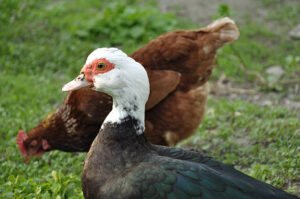
Muscovy ducks, on the other hand, are highly susceptible to Mycoplasma synoviae, which can lead to joint inflammation and synovitis. Unlike other waterfowl, Muscovy ducks lack the typical gall bladder and have a unique digestive system, which makes them more sensitive to changes in environmental conditions and infectious diseases. Their lower resistance to respiratory pathogens and weaker immune response contribute to their increased susceptibility to mycoplasmosis. Additionally, Muscovy ducks are known for their ability to tolerate high-density rearing, which can exacerbate the spread of mycoplasma infections in commercial flocks.
Other duck breeds, such as mallards and Khaki Campbell ducks, can also contract mycoplasmosis, though they generally show milder symptoms compared to Pekin and Muscovy ducks. The variation in susceptibility among duck breeds is influenced by factors such as breed-specific immune mechanisms, genetic resistance, and the presence of pre-existing health conditions. Breeds raised in intensively managed systems, where biosecurity measures may be compromised, face a higher risk of mycoplasma exposure and transmission. The economic impact of mycoplasmosis in these breeds is significant, as affected ducks often experience reduced egg production, poor weight gain, and increased mortality rates. Producers must implement breed-specific management strategies, including targeted vaccination, improved housing conditions, and early detection of infection, to mitigate the impact of mycoplasmosis on duck flocks.
Impact of Mycoplasmosis on Different Stages of a Duck’s Life
Mycoplasmosis affects ducks at various life stages, with distinct clinical manifestations and implications for their health and productivity. In hatchlings, the disease is often transmitted vertically from infected breeding ducks, leading to severe respiratory distress soon after hatching. These young ducks may exhibit labored breathing, nasal discharge, and tracheal rales, which can progress to pneumonia and respiratory failure if left untreated. The high vulnerability of hatchlings is attributed to their underdeveloped immune systems and limited ability to combat opportunistic infections. In commercial duck farms, where large numbers of hatchlings are raised in close proximity, mycoplasmosis can lead to high mortality rates, resulting in significant economic losses for producers. Early intervention, including biosecurity measures and antibiotics when necessary, is crucial in reducing the impact of mycoplasmosis in hatchlings.
Juvenile ducks are also susceptible to mycoplasmosis, with symptoms typically appearing between two to six weeks of age. During this growth phase, the disease can impair weight gain and reduce feed efficiency, which hinders the development of commercial meat ducks such as Pekins. Affected juvenile ducks may display coughing, sneezing, and congestion, which can lead to decreased activity and poor appetite. The respiratory distress associated with mycoplasmosis in this life stage can also result in secondary complications, such as joint inflammation in ducks infected with Mycoplasma synoviae. Without proper treatment and management, juvenile ducks may experience stunted growth and increased susceptibility to other infections, further compromising their overall health and productivity.
Adult ducks, particularly laying hens, face a different set of challenges from mycoplasmosis. The disease can lead to a significant decline in egg production, with affected ducks producing fewer eggs over an extended period. Chronic respiratory infections in adult ducks may also lead to general weakness, reduced activity, and poor feather condition. In severe cases, mycoplasmosis can contribute to mortality, especially when the disease compromises the bird’s ability to resist secondary infections. The long-term effects of mycoplasmosis in adult ducks necessitate comprehensive disease management strategies, including regular health monitoring, vaccination, and improved housing conditions to minimize the risk of outbreaks in commercial flocks.
Diagnosis of Mycoplasmosis in Ducks
Accurate diagnosis of mycoplasmosis in ducks is crucial to implementing effective treatment and management strategies. Due to the chronic and variable nature of the disease, a combination of clinical examination, laboratory testing, and histopathological analysis is often required to confirm the presence of Mycoplasma species in affected ducks. Clinical symptoms such as respiratory distress, decreased egg production, and joint inflammation can suggest mycoplasmosis, but these signs are not exclusive to the disease and can overlap with other infectious pathogens. Therefore, laboratory confirmation is essential for definitive diagnosis and targeted intervention.
One of the primary diagnostic methods for mycoplasmosis is bacterial culture. Mycoplasma species lack a cell wall, which means they are resistant to certain antibiotics and require specialized culture media for accurate identification. Swabs from the upper respiratory tract, including the choana and trachea, are collected from affected ducks and inoculated onto agar supplemented with serum and growth factors. These cultures are incubated for several days to encourage the growth of mycoplasma colonies, which are then identified based on their morphology and biochemical characteristics. While culture remains a valuable diagnostic tool, the process can be time-consuming and may not always yield conclusive results due to the low concentration of organisms in clinical samples.
Molecular techniques, particularly polymerase chain reaction (PCR), have significantly improved the detection and identification of Mycoplasma species in ducks. PCR allows for the amplification of specific genetic markers unique to Mycoplasma gallisepticum and Mycoplasma synoviae, providing a more accurate and rapid diagnosis compared to traditional culture methods. DNA is extracted from swab samples, blood, or tissue biopsies, and specific primers are used to target mycoplasma sequences. This method is particularly useful in ducks where clinical symptoms are subtle or in the early stages of infection when bacterial titers are low. Additionally, PCR can detect asymptomatic carriers, making it an essential tool for biosecurity and disease control in commercial duck flocks.
Serological testing is another important diagnostic approach for assessing mycoplasmosis in duck populations. This method relies on detecting antibodies produced in response to Mycoplasma infection in the duck’s blood serum. Enzyme-linked immunosorbent assay (ELISA) and agar gel immunodiffusion (AGID) tests are commonly used to screen for the presence of specific antibodies against M. gallisepticum and M. synoviae. While serological tests can indicate past or current exposure to mycoplasma, they do not confirm active infection, as antibody detection does not always correlate with the presence of viable organisms. However, these tests are valuable for monitoring the overall health status of duck flocks and identifying birds that may serve as asymptomatic carriers.
Histopathological examination of affected tissues is also useful in diagnosing mycoplasmosis in ducks. Post-mortem analysis of respiratory and joint tissues can reveal characteristic pathological changes, such as inflammatory infiltrates, epithelial damage, and synovial membrane thickening. Histopathology is particularly helpful in confirming the presence of Mycoplasma synoviae, which is known to cause joint lesions in infected ducks. By combining histopathological findings with clinical and laboratory data, veterinarians can obtain a more comprehensive understanding of the infection and its impact on duck health.
Tailoring diagnostic methods for ducks involves considering the species’ unique anatomical and immunological features. For example, the respiratory anatomy of ducks differs from chickens and turkeys, necessitating specialized sampling techniques for accurate mycoplasma detection. Additionally, the presence of multiple Mycoplasma species in ducks requires the use of species-specific PCR primers and serological reagents to ensure reliable identification. Given the economic and health implications of mycoplasmosis in ducks, prompt and accurate diagnosis is essential for implementing effective control measures and preventing the spread of infection within poultry populations.
Treatment of Mycoplasmosis in Ducks and Prognosis of the Disease
The treatment of mycoplasmosis in ducks primarily involves the use of antibiotics that target the unique cellular structure of Mycoplasma species. Due to the absence of a cell wall in these bacteria, antibiotics such as tetracyclines, tylosin, and fluoroquinolones are effective in managing the infection. Tetracycline-based medications, including oxytetracycline and doxycycline, are commonly used to treat respiratory mycoplasmosis in ducks. These antibiotics inhibit bacterial protein synthesis by binding to the 30S ribosomal subunit, effectively reducing the severity of the infection. When administered through water or feed, tetracyclines can provide broad coverage, ensuring that the entire flock receives treatment. However, antibiotic resistance remains a challenge, necessitating the judicious use of these drugs to prevent the development of resistant strains.
In addition to tetracyclines, macrolide antibiotics such as tylosin and tilmicosin have shown effectiveness in controlling mycoplasmosis in ducks. These antibiotics work by binding to the 50S ribosomal subunit, thereby preventing protein synthesis in mycoplasma organisms. Tylosin is particularly useful in treating Mycoplasma gallisepticum infections, as it can be administered through feed, ensuring uniform exposure for all birds in the flock. Fluoroquinolones, including enrofloxacin, are another class of antibiotics that can be effective against mycoplasma, as they inhibit bacterial DNA gyrase and topoisomerase IV enzymes, preventing DNA replication and cell division. However, due to concerns regarding residues and resistance, fluoroquinolones are used selectively and in accordance with regulatory guidelines.
In addition to antibiotic treatment, supportive care plays a crucial role in improving the prognosis of mycoplasmosis in ducks. Infected ducks often exhibit respiratory distress, so maintaining good air quality in housing is essential to reduce further complications. Providing a warm, dry, and well-ventilated environment helps minimize stress and supports recovery. Supplementing feed with essential vitamins and electrolytes can also enhance immune function and aid in the overall recovery of infected birds. In severe cases where joint inflammation is present due to Mycoplasma synoviae, additional anti-inflammatory treatments may be necessary to alleviate pain and improve mobility.
The prognosis of mycoplasmosis in ducks varies depending on the stage of infection, the effectiveness of treatment, and the responsiveness of the duck’s immune system. If treatment is initiated early, before the disease progresses to more severe stages, ducks have a higher chance of recovery. However, in chronic cases or when secondary infections are involved, the prognosis may be less favorable. Ducks with pre-existing health conditions or those raised in poor management conditions may experience prolonged illness or even death despite treatment. Preventive measures such as vaccination and improved biosecurity remain the most effective strategies for reducing the impact of mycoplasmosis in duck flocks. Regular monitoring and early detection of symptoms are essential for timely intervention, ensuring better outcomes for infected ducks.
Prevention and Control of Mycoplasmosis in Ducks
Preventing and controlling mycoplasmosis in ducks requires a comprehensive approach that includes biosecurity measures, proper housing, vaccination, and hygiene practices. Given the infectious nature of the disease, early prevention is crucial to avoid widespread outbreaks and minimize the impact on duck health and productivity. Implementing effective biosecurity protocols is the first line of defense against mycoplasma infections. Farms should establish strict biosecurity measures to limit the introduction and spread of pathogens. This includes quarantine procedures for new or returning ducks before they are introduced to the main flock. Isolation of sick birds is also essential to prevent transmission within the flock. Additionally, controlling the movement of personnel, equipment, and vehicles between different areas of the farm helps reduce the risk of cross-contamination.
Proper housing conditions play a significant role in preventing mycoplasmosis in ducks. Ensuring adequate ventilation in duck housing is critical for reducing humidity and preventing the accumulation of airborne pathogens. High humidity levels can promote the survival of mycoplasma organisms in the environment, increasing the likelihood of infection. Maintaining optimal temperature and airflow within the housing helps reduce stress on ducks, which in turn strengthens their immune system. It is also important to keep duck housing clean and dry, with regular removal of manure and contaminated litter. Disinfecting waterers, feeders, and nesting areas can help eliminate potential sources of infection. The use of bedding materials such as fresh sawdust or straw, which are regularly replaced, reduces the risk of bacterial buildup and minimizes the spread of mycoplasma organisms.
Vaccination is a key strategy in the prevention and control of mycoplasmosis in ducks. Several vaccines are available for Mycoplasma gallisepticum and Mycoplasma synoviae, which are the primary causative agents of the disease in waterfowl. These vaccines are formulated to stimulate an immune response that prevents or reduces the severity of mycoplasma infections. The Cevac Myco-25 vaccine is specifically recommended for ducks and is administered to day-old ducklings through eye-drop application. This vaccine helps develop immunity against the mycoplasma organism and reduces the risk of disease transmission within the flock. Regular vaccination programs should be implemented in commercial duck farms to ensure that all birds receive protection. Vaccinated ducks are less likely to develop clinical signs of the disease and have a lower chance of acting as asymptomatic carriers that can spread the infection.
In addition to vaccination, maintaining good hygiene practices is essential for controlling mycoplasmosis. Regular disinfection of duck housing, equipment, and tools using approved disinfectants helps eliminate mycoplasma organisms from the environment. Commonly used disinfectants include quaternary ammonium compounds, iodophors, and chlorine-based solutions, which effectively inactivate mycoplasma on surfaces and in water. Foot baths at the entrances of duck housing should be maintained with fresh disinfectant to prevent the transfer of pathogens between areas. Personal hygiene, including the use of clean clothing and gloves when handling ducks, is also important in preventing cross-contamination. Proper waste management and the prompt disposal of dead birds further contribute to minimizing the risk of mycoplasma outbreaks.
By integrating biosecurity, proper housing, vaccination, and hygiene practices, duck producers can significantly reduce the occurrence of mycoplasmosis in their flocks. These preventive measures not only prevent the spread of the disease but also contribute to better flock health, improved egg production, and overall profitability in the duck farming industry.
Diet and Nutrition for Ducks with Mycoplasmosis
A well-balanced diet and proper nutrition play a crucial role in supporting the immune system of ducks affected by mycoplasmosis. Since mycoplasma infections often lead to respiratory distress, reduced egg production, and impaired weight gain, providing ducks with a nutrient-dense diet can help mitigate the impact of the disease and support their recovery. The nutritional requirements of ducks with mycoplasmosis should focus on boosting immune function, maintaining energy levels, and preventing further complications.
Vitamins and minerals are essential components of a recovery-supporting diet for ducks with mycoplasmosis. Vitamins A, C, and E are particularly important in strengthening the immune system and promoting respiratory health. Vitamin A supports the integrity of respiratory epithelial tissues, reducing susceptibility to secondary infections. Vitamin C acts as an antioxidant, helping to reduce oxidative stress and support immune function, while vitamin E enhances the overall immune response and improves resistance to infectious diseases. Including feed supplements rich in these vitamins can help alleviate the symptoms of mycoplasmosis and improve recovery outcomes. B-complex vitamins also play a role in maintaining metabolic function, which is critical for ducks experiencing reduced appetite and energy levels due to the disease.
Minerals such as zinc, selenium, and iron are equally important in supporting immune health and overall well-being in ducks with mycoplasmosis. Zinc is essential for immune cell function and wound healing, which is particularly beneficial for ducks suffering from respiratory damage caused by the infection. Selenium works in tandem with vitamin E to reduce inflammation and enhance antioxidant activity, which helps protect respiratory tissues from further damage. Iron is necessary for maintaining healthy blood oxygen levels, which is especially important for ducks experiencing respiratory difficulties. Including mineral-enriched feed or supplements in the diet ensures that ducks receive the necessary nutrients to combat the infection and maintain optimal health.
In addition to vitamins and minerals, the inclusion of prebiotics and probiotics in the feed can help improve gut health and boost the immune system. A healthy gut microbiota plays a crucial role in immune function, and probiotic supplements can support the growth of beneficial bacteria in the digestive tract, enhancing the duck’s ability to fight infections. Prebiotics, which act as food for beneficial gut bacteria, further contribute to a balanced digestive system and improved overall immunity. By incorporating these elements into the diet, duck producers can enhance the recovery process for birds affected by mycoplasmosis and reduce the risk of complications.
Tailoring the diet for each life stage of ducks affected by mycoplasmosis is also essential. Hatchlings and young ducks require higher protein and energy content to support growth and immune development, while laying ducks benefit from formulations that include additional calcium and phosphorus to maintain egg production. Adjusting the feed composition based on the age and condition of the duck ensures that they receive the appropriate nutrients to combat the disease and maintain productivity.
Zoonotic Risk of Mycoplasmosis in Ducks
Mycoplasmosis in ducks is primarily an avian disease that affects poultry and waterfowl. While there is a theoretical possibility of cross-species transmission between ducks and humans, the risk of mycoplasma infections becoming zoonotic is considered relatively low. However, mycoplasma species such as Mycoplasma gallisepticum and Mycoplasma synoviae have been identified in humans in rare cases, indicating that transmission to humans is possible under certain conditions. These infections are more commonly associated with respiratory and urogenital tract infections in humans, with M. pneumoniae being the most well-known mycoplasma species responsible for human illness. Transmission from ducks to humans typically occurs through direct contact with infected birds, their secretions, or contaminated environments.
The risk of zoonotic transmission is heightened in individuals who handle infected ducks or work in close proximity to infected flocks. Farm workers, veterinarians, and poultry processors who are regularly exposed to ducks with mycoplasmosis may be at a slightly increased risk of acquiring mycoplasma infections. In these cases, symptoms can range from mild respiratory irritation to more severe bronchitis-like illness. However, such cases are relatively rare and are more likely to occur in individuals with compromised immune systems or pre-existing respiratory conditions. Preventive measures, such as wearing protective gloves, masks, and practicing good hygiene, are essential in reducing the risk of cross-species transmission.
Although human infections related to mycoplasma from ducks are uncommon, awareness of the potential for zoonotic transmission is important for individuals working with waterfowl. Routine biosecurity measures, including proper sanitation of housing, quarantine of sick birds, and limiting exposure to contaminated surfaces, can help minimize the risk of mycoplasma transmission between ducks and humans. Additionally, individuals experiencing respiratory symptoms after exposure to infected ducks should seek medical attention to rule out mycoplasma-related illness.
#DuckHealth, #MycoplasmaDisease, #DuckFarming, #PoultryHealth, #DuckFlockManagement, #DuckBreeding, #MycoplasmaControl, #DuckRespiratoryDisease, #DuckFlockManagement, #DuckHealthTips, #MycoplasmaVaccine, #DuckDiseasePrevention, #DuckFarmingTips, #DuckNutrition, #MycoplasmaDiagnosis, #DuckPoultryHealth, #MycoplasmaSymptoms, #DuckBiosecurity, #DuckFlockCare, #DuckHealthManagement, #MycoplasmaTreatment, #DuckFlockDisease, #MycoplasmaInfection, #DuckHealthWelfare, #DuckFarmingBestPractices, #DuckRespiratoryInfection, #MycoplasmaPrevention, #DuckFlockHealth, #MycoplasmaControlStrategies, #DuckHealthExperts, #DuckFlockDiseases, #MycoplasmaTesting, #DuckFarmBiosecurity, #DuckHealthEducation, #MycoplasmaInDucks, #DuckFlockDiseaseControl, #DuckHealthAwareness, #MycoplasmaInWaterfowl, #DuckRespiratoryHealth, #MycoplasmaInPoultry, #DuckFarmers, #DuckHealthResearch, #MycoplasmaInBreedingDucks, #DuckFlockDiseasePrevention, #DuckHealthManagementTips, #MycoplasmaInDuckHatchlings, #DuckFlockDiseaseTreatment, #MycoplasmaInLayingDucks, #DuckHealthAndProduction, #MycoplasmaAndEggProduction, #DuckFlockDiseaseControl, #MycoplasmaInDuckFarms.






Add comment