

Mycotoxins are toxic secondary metabolites produced by certain types of fungi, primarily molds such as Aspergillus, Penicillium, Fusarium, and Claviceps. These naturally occurring compounds can contaminate a wide variety of agricultural commodities, including grains and feedstuffs commonly used in poultry diets. Ducks, like other poultry species, are highly susceptible to the harmful effects of mycotoxins due to their feeding habits and relatively high feed intake. Because ducks are often raised in close proximity to water and in environments conducive to mold growth, the risk of exposure to mycotoxins is elevated. This guide aims to provide a comprehensive, in-depth exploration of mycotoxins in ducks, covering causes, clinical signs, breed susceptibility, affected life stages, diagnosis, treatment, prognosis, complications, prevention, dietary and nutritional strategies, zoonotic risks, and effective management practices.
Causes of Mycotoxin Exposure in Ducks
Mycotoxins primarily originate from fungal contamination of feed and bedding materials. The most common mycotoxigenic fungi that affect duck production are:
- Aspergillus spp. – Produce aflatoxins, the most potent and widely studied mycotoxins. Aflatoxin B1 (AFB1) is particularly toxic and carcinogenic.
- Fusarium spp. – Produce deoxynivalenol (DON or vomitoxin), zearalenone (ZEN), fumonisins, and T-2 toxin.
- Penicillium spp. – Produce ochratoxin A, patulin, and citrinin.
- Claviceps spp. – Produce ergot alkaloids from infected grasses and grains.
The contamination typically occurs pre-harvest, during storage, or in transport when environmental conditions (high humidity, temperature above 20°C, and poor ventilation) favor fungal proliferation. Corn, wheat, barley, rice by-products, and soybean meal — all common in duck feed — are particularly vulnerable to mold infestation.
Ducks are especially at risk because:
- They consume large quantities of feed relative to body size.
- They often forage in wet, muddy environments where fungal spores thrive.
- They may consume spilled or stored feed exposed to dampness.
Even low-level, chronic exposure can lead to immunosuppression, poor growth, or organ damage. The synergistic effects of multiple mycotoxins further complicate their impact.
Signs and Symptoms of Mycotoxicosis in Ducks
Mycotoxicosis in ducks manifests differently depending on the type and concentration of mycotoxin, duration of exposure, age, and overall health status. Common clinical signs include:
1. Aflatoxicosis (Aflatoxin B1 exposure):
- Reduced feed intake and weight gain
- Lethargy and weakness
- Diarrhea (often greenish)
- Hemorrhages on skin and mucous membranes
- Jaundice (yellowing of mucous membranes and skin)
- Poor feathering and ruffled feathers
- Increased mortality, especially in ducklings
- Enlarged, pale, or friable livers with visible necrosis or tumors on post-mortem
2. Ochratoxicosis (Ochratoxin A exposure):
- Kidney damage (nephropathy)
- Increased water consumption and urination (polydipsia and polyuria)
- Poor feed conversion
- Anemia
- Delayed feather development
- Swollen or pale kidneys upon necropsy
3. Fumonisin Toxicity:
- Hepatic and pulmonary edema
- Respiratory distress
- Ataxia (loss of coordination)
- Sudden death in severe cases
- Fatty liver degeneration
4. Deoxynivalenol (DON or Vomitoxin):
- Feed refusal or reduced feed intake
- Vomiting-like behavior (though ducks do not vomit in the mammalian sense, they may regurgitate)
- Weight loss and poor growth
- Reduced egg production in laying ducks
- Gastrointestinal irritation and inflammation
5. Zearalenone Toxicity:
- Reproductive disturbances
- Swelling of the cloaca and vent
- Abnormal feather loss around the vent
- Reduced fertility and hatchability
- Feminization in male ducks (rare but possible)
- Enlarged ovaries in females
6. T-2 Toxin Exposure:
- Oral and gastrointestinal ulcerations
- Oral necrosis with “black patch” lesions
- Dermatitis (skin lesions, especially on feet and legs)
- Hemorrhaging in the gastrointestinal tract
- Drop in egg production
- Sudden death
In acute cases, ducks may die without prior symptoms. Chronic exposure leads to gradual performance decline, immunosuppression, and increased susceptibility to secondary bacterial and viral infections such as E. coli, Salmonella, and avian influenza.
Duck Breeds at Risk
While all duck breeds can be affected by mycotoxins, certain breeds exhibit varying degrees of susceptibility based on genetics, metabolism, and production systems. The Pekin duck (also known as the Long Island duck) is the most widely raised commercial breed for meat production and is particularly vulnerable to aflatoxicosis due to its rapid growth rate and high feed intake. Pekins have a less efficient hepatic detoxification system compared to some other poultry, increasing their sensitivity to aflatoxin B1. Their liver tends to accumulate higher concentrations of the toxin, leading to faster onset of hepatotoxicity and reduced growth performance.
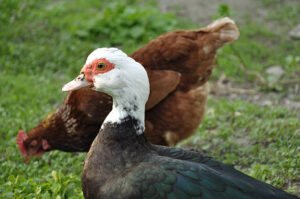
Muscovy ducks, though hardy and often raised in free-range or traditional systems, are also at risk, especially when foraging in damp, mold-prone areas. Their longer production cycle increases the likelihood of chronic exposure. Muscovies may show more pronounced immunosuppressive effects, especially when exposed to multiple mycotoxins in combination.
The Rouen duck, a dual-purpose breed, is less intensively farmed but still susceptible when fed contaminated grains. Khaki Campbells, primarily raised for egg production, are highly sensitive to zearalenone and ochratoxin A, which can impair reproductive performance and reduce egg quality. Their continuous laying cycle means even minor disruptions in feed quality can result in significant economic losses.
Call ducks and other ornamental breeds, though not typically raised for production, can suffer from mycotoxicosis when fed poor-quality feed or scraps contaminated with mold. Their small size makes them more susceptible to lower doses of toxins.
Overall, fast-growing, high-producing commercial breeds like Pekins and Khaki Campbells are at the highest risk due to the metabolic stress of intensive production, while heritage and free-range breeds face greater environmental exposure risks in non-controlled settings.
Affected Life Stages
Mycotoxin effects vary significantly depending on the life stage of the duck. All stages are vulnerable, but ducklings are the most sensitive.
1. Ducklings (0–4 weeks): This stage is the most critical. Ducklings have immature immune and detoxification systems, particularly in the liver and kidneys. Aflatoxin B1 ingestion can lead to high mortality, stunted growth, and poor feather development. Even subclinical exposure can impair long-term productivity. Their rapid metabolic rate increases toxin absorption and tissue accumulation.
2. Growers (5–10 weeks): During the growth phase, ducks are consuming large amounts of feed to support muscle and organ development. Mycotoxins such as DON and fumonisins can reduce feed efficiency, leading to uneven flock growth and increased susceptibility to disease. Chronic exposure may result in suppressed immunity, increasing the risk of secondary infections.
3. Laying Ducks (18 weeks and older): Mycotoxins significantly impact reproductive performance. Zearalenone mimics estrogen, disrupting the hormonal balance and leading to decreased egg production, poor shell quality, and internal egg abnormalities (e.g., blood spots, watery whites). Aflatoxins can be transferred into eggs, posing both production and food safety concerns. Ochratoxin A affects kidney function, leading to increased mortality and reduced egg output.
4. Breeding Stock (Breeders): Breeder ducks exposed to mycotoxins may suffer from poor fertility, reduced hatchability, and congenital abnormalities in ducklings. Aflatoxin B1 can cross the egg yolk, leading to embryonic death or weakened hatchlings. Fumonisin exposure has been linked to skeletal deformities in embryos.
Embryos developing in contaminated eggs are also at risk, as mycotoxins can impair development, leading to early embryonic mortality, delayed hatching, or weak ducklings.
Diagnosis of Mycotoxicosis
Diagnosing mycotoxicosis in ducks is challenging due to the nonspecific nature of clinical signs and the potential for concurrent diseases. A definitive diagnosis requires a combination of clinical evaluation, history, feed analysis, and laboratory testing.
1. Clinical and History Assessment:
- Sudden drop in feed intake or weight gain
- Elevated mortality, especially in young ducks
- Poor egg production or quality
- History of moldy feed or storage issues
- Use of grains from high-risk regions (e.g., humid climates)
2. Post-Mortem Examination (Necropsy):
- Liver: Enlarged, pale, friable, with hemorrhages or nodules (aflatoxicosis)
- Kidneys: Swollen, pale, or infarcted (ochratoxicosis)
- Gastrointestinal tract: Ulcerations, hemorrhages (T-2 toxin)
- Lungs: Edema or congestion (fumonisin toxicity)
- Reproductive organs: Enlarged ovaries, cystic structures (zearalenone)
3. Feed and Environmental Sampling: Suspect feed should be sampled and tested using validated analytical techniques such as:
- High-Performance Liquid Chromatography (HPLC)
- Enzyme-Linked Immunosorbent Assay (ELISA)
- Gas Chromatography-Mass Spectrometry (GC-MS)
Testing should screen for common mycotoxins: aflatoxins, ochratoxin A, deoxynivalenol, zearalenone, fumonisins, and T-2 toxin.
4. Biological Samples:
- Liver and kidney biopsies can show histopathological changes (e.g., fatty degeneration, necrosis).
- Blood tests may reveal elevated liver enzymes (ALT, AST), reduced protein levels, or signs of anemia.
- Eggs can be tested for aflatoxin M1, a metabolite of aflatoxin B1, which indicates contamination.
5. Differential Diagnosis: Conditions that mimic mycotoxicosis include:
- Viral infections (e.g., duck hepatitis, duck plague)
- Bacterial infections (e.g., avian cholera, Salmonella)
- Nutritional deficiencies (vitamin E, selenium)
- Heavy metal poisoning
A multidisciplinary approach involving veterinarians, nutritionists, and laboratory analysts is essential for accurate diagnosis.
Treatment of Mycotoxicosis
There is no specific antidote for most mycotoxins. Treatment is primarily supportive and aims to reduce toxin absorption, enhance elimination, and manage clinical symptoms.
1. Immediate Removal of Contaminated Feed: The first and most critical step is to eliminate the source of mycotoxins. All suspect feed and bedding must be removed and replaced with clean, high-quality alternatives.
2. Use of Mycotoxin Binders (Adsorbents): These compounds bind mycotoxins in the gastrointestinal tract, preventing their absorption. Common binders include:
- Hydrated Sodium Calcium Aluminosilicate (HSCAS) – Effective against aflatoxins.
- Activated charcoal – Broad-spectrum but may interfere with nutrient absorption.
- Yeast cell wall derivatives (glucomannans) – Bind multiple mycotoxins.
- Organic acid-based binders and esterified glucomannans – Enhanced efficacy.
These should be added to the feed at recommended levels under veterinary supervision.
3. Supportive Care:
- Provide clean water with added electrolytes and vitamins (especially A, D, E, and K).
- Administer antioxidants (e.g., vitamin E, selenium, glutathione) to combat oxidative stress.
- Use hepatoprotective agents such as silymarin (milk thistle extract) to support liver function.
- Antibiotics may be needed to treat secondary bacterial infections, but use cautiously to avoid gut microbiome disruption.
4. Flushing and Recovery Diet: Switch to a clean, easily digestible diet for several days to allow the gastrointestinal and hepatic systems to recover. Gradually reintroduce regular feed.
5. Veterinary Intervention: In severe cases, ducks may require injectable fluids, vitamins, or hospitalization. Monitoring of liver and kidney function is essential.
Note: Treatment success is highly dependent on early intervention. Chronic or high-dose exposure often results in irreversible organ damage.
Prognosis and Complications
The prognosis for ducks exposed to mycotoxins varies widely based on the type, dose, duration of exposure, and timeliness of intervention.
Favorable Prognosis:
- Mild, acute exposure with prompt removal of contaminated feed.
- Early use of mycotoxin binders and supportive care.
- Young, healthy ducks with strong immune systems.
Guarded to Poor Prognosis:
- High-dose or chronic exposure, especially in ducklings.
- Advanced liver or kidney damage.
- Secondary infections due to immunosuppression.
Long-term Complications:
- Permanent liver damage (cirrhosis, fibrosis)
- Chronic kidney disease
- Reduced growth and feed efficiency
- Permanent reproductive impairment
- Increased susceptibility to infectious diseases
- Carcinogenesis (especially with aflatoxin B1, which is a known carcinogen)
Even subclinical mycotoxicosis can lead to significant economic losses due to poor performance, increased feed conversion ratios, and higher mortality rates.
Prevention of Mycotoxin Contamination
Prevention is far more effective and economical than treatment. A comprehensive mycotoxin management program should include the following strategies:
1. Pre-Harvest Control:
- Use mold-resistant crop varieties when possible.
- Practice crop rotation and field sanitation to reduce fungal load.
- Apply fungicides judiciously in high-risk areas.
- Harvest grains at optimal moisture content.
2. Post-Harvest Handling:
- Dry grains to safe moisture levels (<14% for corn, <13% for wheat).
- Clean storage bins before filling.
- Ensure proper ventilation and temperature control in storage.
- Use aeration systems to prevent hot spots and condensation.
3. Feed Management:
- Source feed ingredients from reputable suppliers with mycotoxin testing protocols.
- Test incoming feed batches for mycotoxins using on-farm or laboratory methods.
- Avoid storing feed for extended periods, especially in warm, humid conditions.
- Use feed additives such as organic acids (e.g., propionic acid) to inhibit mold growth.
4. On-Farm Practices:
- Regularly clean feeders and waterers to prevent mold buildup.
- Avoid feeding spoiled or damp feed.
- Store feed in sealed, dry, rodent-proof containers.
- Monitor ducks closely for early signs of illness.
5. Mycotoxin Risk Monitoring Programs:
- Implement routine feed testing, especially during high-risk seasons (rainy/humid periods).
- Maintain records of feed sources, batches, and health incidents.
- Work with a veterinary nutritionist to design mycotoxin mitigation protocols.
6. Use of Mycotoxin-Degrading Enzymes: Emerging biotechnologies include microbial enzymes (e.g., aflatoxinase) that actively degrade mycotoxins in the gut, offering promising preventive solutions.
Diet and Nutrition for Mycotoxin Management
Nutrition plays a pivotal role in mitigating the effects of mycotoxins and supporting recovery.
1. High-Quality Feed:
- Use clean, fresh ingredients with known mycotoxin profiles.
- Prioritize grains tested and certified as low in contamination.
- Incorporate alternative protein sources (e.g., insect meal, algae) to reduce reliance on high-risk ingredients like corn and soy.
2. Balanced Nutrition:
- Adequate protein, energy, vitamins, and minerals help maintain immune function and liver health.
- Ensure sufficient levels of:
- Vitamin A: Supports mucosal immunity.
- Vitamin E and Selenium: Powerful antioxidants that protect cells from oxidative damage.
- Vitamin D: Essential for bone health and immune modulation.
- Choline and Methionine: Support liver metabolism and fat transport.
3. Functional Additives:
- Probiotics and prebiotics: Enhance gut health and compete with pathogenic microbes.
- Phytogenics (herbal extracts): Some, like turmeric and oregano, have anti-inflammatory and antioxidant properties.
- Omega-3 fatty acids: Reduce inflammation and support immune function.
4. Mycotoxin-Binding Additives:
- Include binders in all feed rations in high-risk environments.
- Choose broad-spectrum binders that target multiple mycotoxins.
- Rotate products to prevent adaptation.
5. Water Quality:
- Provide clean, fresh water at all times. Stagnant water promotes mold and bacterial growth.
- Use drinkers that minimize spillage and damp litter.
6. Ration Formulation Adjustments:
- Increase energy density in grower and breeder rations to compensate for reduced feed intake.
- Adjust amino acid profiles to support tissue repair.
Zoonotic Risk of Mycotoxins from Ducks
While ducks themselves are not direct vectors of zoonotic disease from mycotoxins, the potential for human exposure exists through the food chain.
1. Aflatoxin Transfer:
- Aflatoxin B1 consumed by ducks is metabolized to aflatoxin M1, which is excreted in milk and eggs.
- Duck eggs contaminated with aflatoxins pose a risk to human consumers, particularly children.
- Chronic intake of aflatoxin M1 is associated with liver cancer, immune suppression, and growth impairment in humans.
2. Ochratoxin A:
- Can accumulate in duck meat and organs.
- Ochratoxin is nephrotoxic and carcinogenic in humans, linked to Balkan endemic nephropathy.
3. Regulatory Limits:
- Many countries set strict limits for mycotoxins in animal feed and food products.
- EU limit for aflatoxin B1 in poultry feed: 20 µg/kg
- Maximum residue level (MRL) for aflatoxin M1 in eggs: 0.05 µg/kg
- Producers must comply with these standards to ensure food safety.
4. Public Health Implications:
- Small-scale and backyard producers may lack testing capabilities, increasing risk.
- Consumers should avoid eating eggs or meat from ducks fed moldy or questionable feed.
Educational outreach to farmers, especially in developing regions, is essential to minimize zoonotic risks.
Conclusion
Mycotoxins represent a serious and often underestimated threat to duck health, productivity, and food safety. Their impact extends from individual animals to entire flocks and even to human consumers through contaminated eggs and meat. The complexity of mycotoxin interactions, the variety of clinical manifestations, and the subtlety of subclinical effects make proactive management essential.
Duck producers must adopt a holistic approach that includes strict feed quality control, regular monitoring, use of mycotoxin binders, and sound nutrition. Early recognition of symptoms, prompt diagnosis, and supportive care can improve outcomes. Ultimately, prevention is the cornerstone of effective mycotoxin control.
By understanding the risks, implementing science-based management practices, and staying informed about emerging technologies, duck farmers can protect their flocks, ensure animal welfare, maintain economic viability, and safeguard public health.
#MycotoxinsInDucks, #DuckHealth, #PoultryMycotoxins, #Aflatoxicosis, #DuckFarmers, #DuckCare, #Mycotoxicosis, #PekinDuck, #DuckNutrition, #FeedSafety, #MoldInFeed, #DuckEggs, #DuckFarming, #BackyardDucks, #PoultryHealth, #LivestockManagement, #FoodSafety, #ZoonoticRisk, #DuckDiseases, #VeterinaryCare, #Ducklings, #FungalToxins, #AnimalHealth, #SustainableFarming, #OrganicDucks, #DuckProduction, #MycotoxinBinders, #PoultryScience, #FarmBiosecurity, #DuckWelfare, #EggSafety, #LiverDamageInDucks, #ImmuneSuppression, #SmallScaleFarming, #DuckGrowth, #ReproductiveHealthDucks, #HarvestSafety, #GrainStorage, #AntioxidantsForDucks, #ProbioticsForPoultry, #OneHealth, #FarmToTable





Add comment