
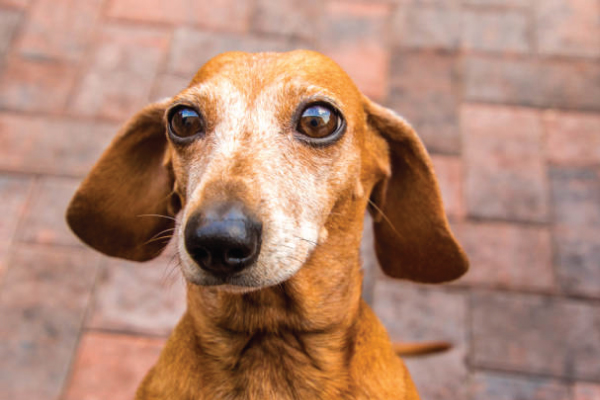
Nasal feeding tubes are a critical tool in veterinary medicine for ensuring proper nutrition in dogs who cannot eat voluntarily. These tubes are inserted through the nostril into the gastrointestinal tract, bypassing oral feeding challenges. While not a long-term solution, they are invaluable for short-term nutritional support during recovery from surgery, illness, or neurological conditions. This guide provides an in-depth exploration of nasal feeding tubes, including their indications, types, insertion techniques, care protocols, and alternatives.
1. Understanding Nasal Feeding Tubes
Definition
A nasal feeding tube is a flexible, soft tube inserted through the nasal cavity into the stomach or duodenum. It delivers liquid nutrition directly to the gastrointestinal tract, ensuring caloric and nutritional needs are met.
Types of Nasal Feeding Tubes
- Nasoesophageal Tube: Enters the esophagus but does not reach the stomach, often used for short-term feeding.
- Nasoduodenal Tube: Reaches the duodenum, ideal for dogs with pyloric or gastric issues.
- Nasojejunal Tube: Extends to the jejunum, beneficial for dogs with gastric motility problems.
Key Components
- Tube Material: Typically made of silicone or polyurethane for flexibility and comfort.
- Length: Varies based on the dog’s size, usually 80–150 cm.
- Securement Devices: Bands or ties to prevent accidental dislodgment.
Why Use Nasal Tubes Over Other Methods?
- Avoids the need for surgical placement (e.g., gastric tubes).
- Provides targeted nutrition for dogs who resist oral feeding.
- Minimizes the risk of aspiration in dogs with swallowing difficulties.
2. Indications and Uses
Nasal feeding tubes are indicated when a dog is:
- Post-Surgery: After oral, dental, or facial procedures (e.g., tumor removal).
- Neurologically Impaired: Dogs with facial nerve paralysis or stroke affecting swallowing.
- Chronically Ill: Cases of megaesophagus, GI obstructions, or cancer.
- Geriatric: Older dogs with dental issues or cachexia.
- Toxicosis: Dogs undergoing treatment for poisoning who cannot eat.
Case Study Example
A 7-year-old Labrador Retriever with a fractured mandible required a nasoduodenal tube for two weeks post-surgery. The tube ensured adequate caloric intake while the jaw healed, preventing muscle atrophy.
3. Insertion and Placement
Preparation
- Sedation: Light sedatives (e.g., acepromazine) may be used for anxious or uncooperative dogs.
- Tube Selection: Choose a tube diameter based on the dog’s size (e.g., 6–10 Fr for small breeds).
- Lubrication: Apply water-soluble gel to the tip to reduce friction during insertion.
Step-by-Step Insertion
- Measure the Tube: Mark the tube at the length from the nares to the xiphoid process (usually 60–80 cm in medium dogs).
- Insert the Tube: Gently guide the tube through one nostril, allowing the dog to swallow slightly to advance it.
- Confirm Placement:
- Air Injection Test: Gently inject air into the tube; auscultate the stomach with a stethoscope.
- pH Testing: Confirm gastric content (pH <3) for nasogastric tubes.
- Radiographic Confirmation: Gold standard for duodenal or jejunal tubes.
- Secure the Tube: Use a securement band or tape to prevent movement.
Common Mistakes to Avoid
- Forcing the tube can damage the nasal mucosa.
- Incorrect tube length increases the risk of aspiration.
- Failing to confirm placement can lead to tube placement in the trachea.
4. Care and Maintenance
Daily Cleaning
- Wipe the Nostril: Use a saline solution to clean around the tube and remove crusts.
- Flush the Tube: Flush with warm water before and after each feeding to prevent clogging.
- Inspect for Damage: Check for kinks, leaks, or abrasions; replace if compromised.
Feeding Protocols
- Use a Pump or Syringe: Deliver feed slowly (e.g., 1–2 mL/kg every 4–6 hours).
- Feed at Room Temperature: Cold fluids can cause gastric spasm.
- Mix with Water: Commercial liquid diets should be diluted 1:2 for easier flow.
Storage and Replacement
- Store unused tubes in a clean, dry container.
- Replace daily or as recommended by the vet (every 2–3 days if not clogged).
Owner Training
- Teach owners to recognize signs of discomfort (e.g., pawing at the nose, coughing).
- Provide a feeding schedule and record intake in a logbook.
5. Complications and Risks
Local Irritation
- Nasal Ulcers: Caused by prolonged tube presence; rotate nostrils every 24 hours if necessary.
- Nosebleeds: Gentle cleaning and humidified air can reduce bleeding.
Aspiration Pneumonia
- A major risk when feeding a dog with dysphagia. Use a step-up feeding approach: start with small volumes, confirm tube position before feeding, and monitor for coughing.
Tube Displacement
- Secure the tube properly; reassess placement daily.
Infection
- Infection risk is low with proper hygiene but may occur at the insertion site. Use aseptic techniques during cleaning.
Prevention Strategies
- Use a prophylactic antibiotic if aspiration is a concern.
- Monitor respiratory rate and effort for signs of pneumonia.
6. Alternatives to Nasal Feeding Tubes
Gastric and Jejunal Tubes
- Percutaneous Endoscopic Gastrostomy (PEG): A long-term solution for dogs requiring nutrition beyond 3–4 weeks.
- Jejunostomy Tubes: Ideal for dogs with chronic gastric issues.
Syringe Feeding
- Suitable for short-term emergencies (e.g., 1–3 days). Mix kibble with water to create a gruel.
Oral Feeding Aids
- Soft food diets or modified feeding bowls for dogs with oral pain.
7. Home Care and Owner Training
Environmental Adjustments
- Keep the dog in a calm, quiet room to reduce stress.
- Use non-Aggressive Securement: Avoid tight bands that restrict blood flow.
Emergency Sign Recognition
- Vomiting or Coughing During Feeding: Stop immediately and recheck tube placement.
- Fever, Lethargy: Could indicate infection or pneumonia.
Feeding Schedule Example
- Morning: 50 mL of liquid diet.
- Afternoon: Another 50 mL.
- Evening: 50 mL with a pre-bedtime supplement (e.g., fatty acids).
8. Veterinary Supervision and Follow-Up
Monitoring Parameters
- Weight gain/loss: Weekly weigh-ins.
- Hydration status: Skin turgor and mucous membrane assessment.
- Nutritional blood tests: Albumin, prealbumin, and B12 levels.
Adjusting the Care Plan
- If the dog gains ≥5% of body weight in 1 week, reduce volume or frequency.
- If no improvement by Week 3, consider transitioning to a PEG tube.
9. Recent Advancements and Research
Innovative Tube Materials
- Antimicrobial-Coated Tubes: Reduce bacterial colonization and infection risk.
- Smart Tubes: Embedded sensors to monitor pH and feeding volume in real-time (in early trials).
Research Highlights
- A 2023 study found that dogs with megaesophagus tolerated jejunal tubes better, with 80% success in long-term use.
- Hydrophilic coatings improve ease of insertion and reduce nasal trauma.
10. Frequently Asked Questions (FAQs)
Q: How long can a nasal tube stay in place?
A: Typically 21–30 days, but duration depends on the dog’s condition.
Q: What if the tube dislodges?
A: Do not reinsert; contact the vet for a replacement.
Q: Can I feed my dog treats while using a nasal tube?
A: Avoid solid treats; offer low-volume, calorie-dense syringe treats if approved by the vet.
Conclusion
Nasal feeding tubes are a vital bridge to recovery for dogs with feeding challenges. Proper insertion, care, and monitoring are essential to maximize benefits and minimize risks. By understanding the nuances of this method and staying informed about alternatives, pet owners and veterinarians can collaborate to ensure the best possible outcomes for their canine companions. Always consult a veterinary professional for personalized guidance.
Let us know your thoughts in the comments below—did this guide help you understand nasal feeding tubes better? Share your experiences with our community!
#DogHealth #PetFeeding #NasalFeedingTube #CanineCare #VeterinaryCare #PetNutrition #DogWellness #PetHealthTips #FeedingTubeGuide #CanineNutrition #PetHealthcare #DogHacks #VetApproved #PetCareSolutions #FeedingDogs #NasalTubeCare #DogOwners #PetLife #AnimalHealth
Add comment