
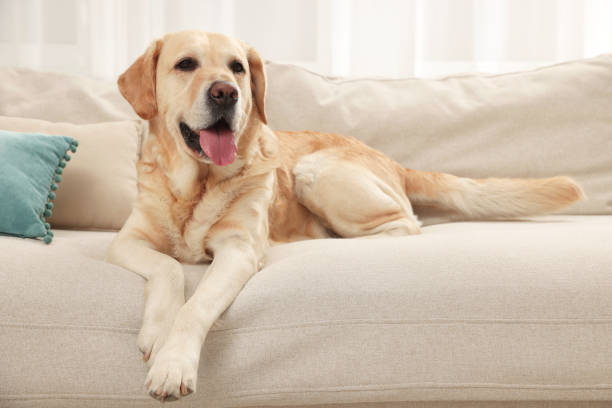
Optimizing Movement and Quality of Life in Dogs with Existing Illness
I. Introduction: The Imperative of Movement in Chronic Illness
For a dog living with chronic illness—be it cardiac disease, severe orthopedic issues, or metabolic disorders—the concept of “exercise” shifts from a strenuous pursuit of fitness to a carefully managed tool for maintaining mobility, mental health, and overall quality of life. Owners often fear movement, worrying that they might exacerbate an underlying condition. However, stagnation is a profound enemy of the chronic patient, leading to muscle atrophy, joint stiffness, weight gain, and mental decline.
This comprehensive guide serves as a framework for merging veterinary recommendations with practical, compassionate daily management. It emphasizes that exercise for the chronically ill dog is not about miles or speed; it is about preservation, stimulation, and the careful adaptation of activity to fit the dog’s current physiological reality.
Movement remains a vital biological need, fostering the release of endorphins and maintaining the structural integrity of the body. When dealing with chronic illness, the goal is simple: Maximum benefit with minimal risk.
Defining the Chronic Canine Patient
A chronically ill dog is one dealing with a condition that has persisted or is expected to persist for three months or more, often requiring ongoing medical management and lifestyle adjustments. Examples include:
- Severe Osteoarthritis (OA/DJD)
- Degenerative Myelopathy (DM)
- Chronic Kidney Disease (CKD)
- Congestive Heart Failure (CHF)
- Endocrine disorders (e.g., uncontrolled Cushing’s or Diabetes)
- Chronic respiratory conditions
II. The Veterinary Foundation: Creating the Therapeutic Team
Before any exercise modifications are implemented, a thorough and ongoing partnership with veterinary professionals is paramount. Exercise planning is a medical intervention, not a hobby.
1. Comprehensive Diagnosis and Staging
The type and severity of the illness dictate the exercise protocol.
- Staging: Your veterinarian or specialist must accurately stage the disease (e.g., Canine Arthritis stages, ACVIM Heart Failure stages). A Stage B1 cardiac patient has vastly different tolerances than a Stage C patient on multiple medications.
- Comorbidity Assessment: Most senior or chronically ill dogs have multiple issues (e.g., arthritis and mild kidney disease). The exercise plan must accommodate the most restrictive condition. For instance, if a dog has mild arthritis and severe heart disease, the cardiac limits are the absolute boundary.
2. Medication and Pain Management Review
A dog that is in pain will not benefit from exercise, and movement may actually cause harm.
- Active Pain Control: Ensure the dog is on an optimized pain management regimen (NSAIDs, Gabapentin, Amantadine, etc.) before implementing physical activity. Exercise without pain control is counterproductive and cruel.
- Medication Timing: Some medications (especially those for pain or anxiety) need time to take effect. Schedule gentle exercise when medication is peaking for maximum comfort.
3. Consulting a Certified Canine Rehabilitation Therapist (CCRT or CCRP)
General practitioners are essential, but for detailed activity planning, a credentialed canine rehabilitation specialist is indispensable. They possess the knowledge to:
- Perform gait analysis and measure range of motion (ROM).
- Design specific therapeutic exercises to target weak muscle groups.
- Safely introduce specialized equipment (e.g., cavaletti rails, resistance bands).
III. Understanding the Illness Landscape: Specific Exercise Modifications
The most critical step in navigating exercise is custom tailoring the activity based on the physiological limitations imposed by the specific chronic condition.
A. Orthopedic and Joint Conditions (OA, Hip Dysplasia, IVDD, Cruciate Repair)
The Challenge: Pain, inflammation, joint instability, muscle atrophy due to disuse. The Goal: Maintain joint mobility, build supportive muscle mass, and prevent stiffness without inducing inflammation flares.
| Modification Principle | Application | Safety Protocol |
|---|---|---|
| Pacing & Frequency | Replace one long, difficult walk with 3–5 short, structured movement sessions (5–10 minutes each). | Never push through a limp. If lameness occurs, the activity was too much. |
| Footing | Strict avoidance of uneven, slippery, or jarring surfaces (sand, deep snow, ice, hardwood floors). | Use non-slip rug runners, boots, or joint support braces during activity. |
| Movement Type | Focus on slow, controlled, linear movements. Avoid high-impact turns, jumping, or sudden stops (ball chasing is extremely risky). | Implement targeted exercises like standing weight shifts and slow, controlled incline walking (if approved). |
- Specific Note on IVDD: Dogs with chronic back issues (Intervertebral Disc Disease) must avoid movements involving twisting, quick lateral movements, or jumping off furniture permanently. A harness is mandatory to prevent neck strain from leash pulls.
B. Cardiac and Respiratory Conditions (CHF, Chronic Bronchitis, Tracheal Collapse)
The Challenge: Limited oxygen supply, potential for fluid buildup, elevated heart rate leading to crisis. The Goal: Maintain muscle tone and circulation without stressing the cardiopulmonary system.
| Modification Principle | Application | Safety Protocol |
|---|---|---|
| Intensity Control | Exercise must be low-intensity and aerobic (the dog should feel comfortable, not winded). | Stop immediately if signs of distress occur: excessive panting unrelated to heat, blue/purple gums, persistent coughing, fainting (syncope). |
| Duration & Environment | Very short duration (2–5 minutes). Avoid heat, high humidity, and cold extremes, as these drastically increase cardiac workload. | Carry water. Avoid high altitudes. Walk during the coolest parts of the day. |
| Substitution | Prioritize mental stimulation (scent work, puzzle toys) which requires low physical exertion but engages the mind. | Use body harnesses only; collars/leashes are dangerous for respiratory patients, increasing tracheal pressure. |
C. Neurological Conditions (DM, CDRM)
The Challenge: Progressive loss of coordination (ataxia), muscle weakness, inability to sense limb position (proprioceptive deficits). The Goal: Maintain remaining muscle function, maximize quality of movement, and prevent secondary injuries.
| Modification Principle | Application | Safety Protocol |
|---|---|---|
| Proprioceptive Training | Use low-profile balance discs, foam wedges, or walk over textured mats/pillows (under close supervision). | Utilize assistive devices (slings, quad-carts) before the dog completely loses mobility to maintain muscle memory. |
| Passive Movement | Daily execution of Passive Range of Motion (PROM) exercises by the owner to prevent joint capsules from seizing up. | Ensure adequate grip using paw coverings, boots, or grip socks to prevent splaying and injury on slick floors. |
D. Metabolic and Endocrine Disorders (Diabetes, Cushing’s, Hypothyroidism)
The Challenge: Muscle wasting (Cushing’s), low energy, risk of blood sugar fluctuations (Diabetes), difficulty regulating body temperature. The Goal: Achieve consistent, moderate activity to assist with weight management and metabolic control.
- Diabetes: Consistent exercise timing is vital for calculating insulin doses. Avoid intense bursts, which can destabilize blood sugar. Always carry glucose paste.
- Cushing’s (Hyperadrenocorticism): These dogs often have fragile skin and severe muscle atrophy. Exercise must be extremely gentle to prevent bruising and injury. Focus on slow, strengthening movements.
IV. The Principles of Modified Exercise: Pacing, Duration, and Monitoring
Successful exercise management hinges on meticulous observation and adherence to tailored protocols.
1. The Pacing Principle (Frequent, Structured, Short)
The instinct to “tire the dog out” must be abandoned. The new principle is to provide short, effective bursts of movement that prevent stiffness and boredom without crossing the fatigue threshold.
- Duration: For most chronic patients, 5–15 minutes is the maximum advisable duration for any single activity.
- Frequency: Up to 4 or 5 sessions daily. A 10-minute leash walk in the morning, followed by 5 minutes of stretching midday, a 10-minute backyard scent game in the afternoon, and a final 5-minute walk before bed.
2. Recognizing the Fatigue Threshold and Pain Signals
Many dogs, especially highly motivated breeds, will mask pain or continue moving past the point of safety due to eagerness or adrenaline. Owners must learn to read the subtle signals that indicate the dog has exhausted its reserves or is experiencing discomfort.
Subtle Warning Signs (Stop Activity Immediately):
- Increased Panting: Not related to heat, or panting that persists long after the activity stops.
- Lip Licking/Yawning: Stress or discomfort signals.
- “Whale Eye”: Showing the whites of the eyes.
- Hesitation: Refusing to take a step, climb a curb, or engage in an activity previously enjoyed.
- Subtle Stumbling or Shifting Weight: A slight wobble, or favoring one paw while standing still.
- Delayed Recovery: If the dog is noticeably stiffer, drags its feet, or is lethargic 6–12 hours after the activity, the previous session was too much.
3. The 48-Hour Recovery Rule
If any negative effects (increased stiffness, soreness, reluctance to move) are observed within 48 hours of an activity session, reduce the duration or intensity of that activity by 25% to 50% immediately. Consistency is key, but adaptability is essential.
V. Low-Impact and Therapeutic Activities (The Activity Menu)
When high-impact activities are off the table, these therapeutic and cognitive options become the pillars of the dog’s routine.
1. Hydrotherapy: The Gold Standard for Low-Impact Movement
Hydrotherapy—moving in water—is arguably the single best form of exercise for many chronically ill dogs, particularly those with orthopedic or neurological issues. The buoyancy of the water provides a non-weight-bearing environment, allowing the dog to move joints through a greater range of motion without the painful impact of gravity.
- Underwater Treadmill (UWT): The UWT allows the therapist to precisely control the water level (to determine the percentage of body weight supported) and the speed. This is crucial for strengthening core muscles and rebuilding gait patterns after injury or due to weakness (e.g., DM).
- Therapeutic Swimming: Used for overall conditioning and endurance, provided the dog is comfortable and monitored. Requires a life vest, regardless of swimming ability, to ensure safety and proper body alignment.
Safety Note: Cardiac and respiratory patients must be cleared for hydrotherapy, as the water pressure can affect circulation and lung capacity.
2. Passive Range of Motion (PROM) and Massage
PROM is movement performed by the owner or therapist, not the dog, maintaining flexibility and joint health. This should be a daily, quiet ritual.
- Technique: Gently stretch each joint (hip, knee, hock, elbow) to its point of resistance, holding for 10–15 seconds. Never force the joint past the point where the dog shows discomfort.
- Massage: Therapeutic massage increases circulation, reduces muscle soreness, and breaks down myofascial trigger points that often develop as a dog compensates for chronic pain. Focus particularly on areas compensating for the pain (e.g., shoulders and back muscles in a dog with bad hips).
3. Structured Leash Walks (The Quality Walk)
These walks are short, focused on maintaining gait, and often done in a specific environment.
- Slow is Strength: Slow, deliberate walking requires more muscle control and strength than fast trotting. Encourage a slow, structured heel.
- Cavaletti Poles: Walking over low-height poles (or PVC pipes) encourages the dog to lift their feet higher, improving coordination and strengthening flexor muscles—excellent for neurological and orthopedic patients.
4. Cognitive and Mental Stimulation
Mental stimulation is a profound substitute for physical exercise, exhausting the dog’s brain without stressing the body. This is especially vital for dogs on restricted movement, such as senior cardiac patients or those recovering from acute injury.
- Scent Work (Nose Games): The dog’s most powerful sense is its nose. Hiding treats or toys that require minimal movement shifts the energy expenditure from physical exertion to focused problem-solving.
- Puzzle Feeders: Making the dog work for its meals (LickiMats, slow feeders, KONGs) uses mental energy and slows consumption.
- Trick Training: Simple, low-impact tricks (e.g., “shake,” “target,” “chin rest”) maintain the dog’s engagement and reinforce the bond.
VI. Advanced Therapeutic and Supportive Modalities
For the dog with severe or progressively debilitating chronic illness, passive and supportive therapies extend mobility and comfort.
1. Physical Therapy Equipment
- Therabands and Resistance: Special elastic bands or weights can be utilized to add resistance to specific muscle groups during slow walks or standing exercises, but this must be directed by a CCRP.
- Rocker Boards/Balance Pods: Used to challenge balance and core stability. These are high-risk activities and should only be performed under direct supervision or after professional instruction.
2. Acupuncture and Laser Therapy
These complementary therapies can significantly reduce inflammation and pain, making movement more comfortable.
- Therapeutic Laser (Cold Laser): Increases cellular energy, accelerates tissue repair, and reduces inflammation at the joint level. Sessions are typically quick and painless, used directly on painful joints or muscle spasms.
- Acupuncture: Can alleviate muscle tension and modify pain signals in the nervous system, proving highly effective for chronic arthritis and neurological pain.
3. Assistive Devices and Mobility Aids
When strength starts to fail, devices prevent falls and secondary injuries.
- Support Harnesses and Slings: Used for short bursts of support (e.g., going up two steps or navigating wet grass). They offer rear-end security for dogs with hip or back weakness.
- Wheeled Carts (Wheelchairs): For dogs with hind-end paralysis or severe DM, a cart allows the dog to engage the front legs while supporting the weakened rear, restoring independence and preventing muscle loss in the surviving limbs.
- Braces and Orthotics: Custom-fit braces (for stifles, tarsals, or hips) can provide external joint stability, allowing for safer, controlled movement.
VII. Environmental and Safety Management
Exercise is only safe if the environment is controlled to mitigate risk.
1. Home Modification (The 24/7 Safety Zone)
The majority of chronic patients sustain injuries indoors, often due to slipping or jumping.
- Floor Traction: Cover all slick floors (tile, hardwood) with non-slip rugs, Yoga mats, or runners to prevent splaying.
- Ramps and Stairs: Eliminate jumping. Use pet steps or ramps for access to furniture and vehicles, even if the dog can still jump—it costs too much joint wear and tear.
- Control Access: Block access to dangerous areas like basement steps or areas where the dog might get stuck (e.g., under a low bed).
2. Thermal Management
Chronically ill dogs, especially those with cardiovascular or endocrine issues, have poor temperature regulation. Overheating or over-chilling is a medical emergency.
- Heat Restriction: Exercise must be halted if ambient temperatures exceed 75°F (24°C) or if humidity is high. Walk early in the morning or late evening.
- Cold Protection: Arthritic joints stiffen severely in the cold. Use dog coats, sweaters, and consider joint wraps or booties to maintain core temperature and protect extremities during winter walks.
3. Emergency Preparedness
Know the signs of a critical event specific to the dog’s condition and have a plan.
- Cardiac/Respiratory Event: If the dog is coughing uncontrollably, gums turn pale or blue, or syncope (fainting) occurs—this is an emergency.
- Orthopedic Crisis: Sudden, complete immobility, or signs of acute, severe pain (e.g., yelping, hiding).
- Emergency Contact: Have the numbers for the veterinary physical therapist, the primary care vet, and the nearest 24/7 emergency clinic ready.
VIII. Mental and Emotional Well-being: The Role of Quality of Life
The emotional state of the dog and the owner is central to managing chronic illness.
1. Quality of Life Assessment (The HHHHHMM Scale)
Objective assessment helps determine if the dog’s life is still rich and comfortable enough to justify ongoing management. A common tool is the HHHHHMM scale (Hurt, Hunger, Hydration, Hygiene, Happiness, Mobility, More Good Days Than Bad). Mobility is a key factor, but it must be viewed in context with happiness. If a dog can only move 5 minutes a day but is joyful during those 5 minutes and mentally stimulated the rest of the time, the quality of life remains high.
2. Managing Owner Guilt and Expectations
It is natural for owners to feel guilt over perceived limitations or the inability to provide the dog with the “life they used to have.” This guilt must be replaced with acceptance and proactive management.
- Focus on Presence, Not Performance: The dog values the owner’s presence far more than the length of the walk. Five minutes of focused, happy engagement is superior to 30 minutes of painful, forced movement.
- Celebrate Small Victories: A good night’s sleep, a flicker of playfulness, a steady walk without stumbling—these are the new metrics of success.
IX. Conclusion: The Art of Adaptation
Navigating exercise with a chronically ill dog is a continuous exercise in adaptation, patience, and vigilance. It requires shifting the definition of success from endurance to comfort and function. By establishing a strong veterinary partnership, implementing targeted low-impact activities, constantly monitoring for subtle distress signals, and adapting the home environment, owners can ensure that their dog remains mentally engaged, retains core strength, and enjoys the dignity and comfort of purposeful movement, maximizing their quality of life for the duration of their chronic journey. The goal is always to cherish the time we have through compassionate, informed care.
#ChronicDogCare #CanineRehab #DogArthritis #SeniorDogLife #HydrotherapyForDogs #DogMobility #LowImpactDog #DogWellness #VeterinaryPhysicalTherapy #SpecialNeedsDog #DogHealth #DM_Dog #CardiacDog #DogExerciseTips #QualityOfLifeMatters #CanineFitness #AgingDog #PainManagementForDogs #DogActivities #SlowWalksBigLove





Add comment