
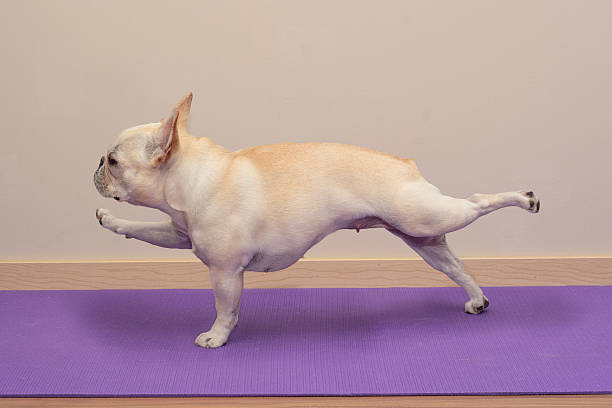
Vestibular disease, often referred to as “old dog vestibular syndrome,” can be a distressing condition for both dogs and their owners. It affects the vestibular system, which is responsible for balance, spatial orientation, and coordination. While the symptoms can be dramatic – including head tilt, nystagmus (involuntary eye movements), circling, loss of balance, and even temporary paralysis – many dogs can significantly improve with proper care and management.
Exercise is a crucial component of recovery and maintaining a good quality of life for dogs with vestibular disease. However, it requires careful consideration, adaptation, and a deep understanding of your dog’s limitations. This guide aims to provide a comprehensive and elaborate approach to navigating the world of exercise for your canine companion facing vestibular challenges.
Understanding Vestibular Disease and Its Impact on Exercise
Before diving into exercises, it’s essential to understand how vestibular disease affects your dog’s ability to move and interact with their environment:
- Impaired Balance: This is the most obvious symptom. Dogs may stumble, fall, or have difficulty standing.
- Disorientation: The world can feel tilted and confusing. This can lead to anxiety and reluctance to move.
- Nausea and Vomiting: Some dogs experience motion sickness, making any form of movement uncomfortable.
- Reduced Proprioception: The sense of where their body parts are in space can be compromised, leading to awkward movements.
- Fear and Anxiety: The sudden onset of these symptoms can be frightening for dogs, making them hesitant to try new things.
- Visual Disturbances: Nystagmus can make it difficult to focus and track objects.
Key Principle: The goal of exercise is not to push your dog beyond their limits or to “cure” the disease. Instead, it’s about gentle rehabilitation, maintaining muscle mass, promoting mental stimulation, and improving their confidence and ability to navigate their surroundings safely.
When to Start Exercising and When to Be Cautious
The timing is critical. Always consult your veterinarian before starting any exercise program. They will assess your dog’s specific condition, the severity of their symptoms, and their overall health.
Generally, you can begin gentle exercises when:
- Acute symptoms have stabilized: The most severe symptoms like constant falling or vomiting have subsided, and your dog is no longer experiencing acute distress.
- Your veterinarian gives the go-ahead: This is non-negotiable.
Be cautious and consult your vet immediately if:
- Symptoms worsen: If your dog’s balance deteriorates, or they experience increased nausea or disorientation.
- They show signs of pain: Limping, yelping, or reluctance to be touched.
- They are extremely lethargic or depressed: This could indicate underlying issues or that the exercise is too much.
Creating a Safe and Supportive Exercise Environment
The environment plays a significant role in your dog’s comfort and safety.
- Familiar and Predictable Spaces: Start in areas your dog knows well and where there are minimal hazards. Their own home is often the best starting point.
- Non-Slip Surfaces: Avoid slippery floors like hardwood, tile, or laminate. Use non-slip rugs, yoga mats, or rubber runners.
- Clear Pathways: Remove any obstacles, furniture edges, or tripping hazards. Ensure easy access to water.
- Quiet and Calm: Minimize distractions, loud noises, and excessive excitement.
- Controlled Leash Use: Always use a secure harness and leash. This provides support and prevents falls. A well-fitting harness can help lift and support your dog if they stumble.
- Adequate Lighting: Good lighting can help dogs navigate their surroundings better, especially if their vision is affected.
Types of Safe Exercises and Activities
The focus should be on low-impact, controlled movements that build confidence and strength without overwhelming your dog.
1. Gentle Leash Walks (The Foundation)
- Frequency: Start with very short, frequent walks (5-10 minutes, several times a day). Gradually increase duration as your dog tolerates it.
- Pace: Slow and steady. Let your dog set the pace.
- Terrain: Stick to flat, even surfaces initially. Avoid inclines, declines, curbs, or uneven ground.
- Leash Management: Keep the leash loose but secure. Be ready to offer gentle support with the harness if they start to wobble. Avoid pulling or jerking.
- Direction: If your dog has a head tilt, you might notice they favor one side. Try to encourage them to turn their head gently in the opposite direction, but don’t force it.
- Sensory Enrichment: Even short walks provide crucial mental stimulation. Let them sniff and explore their immediate surroundings.
2. Indoor Mobility Exercises
These are excellent for days when venturing outside is too challenging.
- Walking the Length of a Hallway: A controlled, straight path.
- Gentle Turns: Practice making slow, wide turns in an open space.
- Stepping Over Small Objects: Begin with very low, soft objects like a rolled-up towel or a small pillow. The goal is to encourage them to lift their paws.
- Navigating Gentle Inclines/Declines (with support): If you have a very gentle ramp or a slight incline indoors, you can practice with your dog on a leash, offering support under their belly.
- “Touch” Target Training: Use a treat or a target stick to encourage them to walk towards a specific point. This promotes forward movement and focus.
3. Hydrotherapy (Water Treadmill or Pool)
This is often a game-changer for dogs with vestibular disease. The buoyancy of water reduces the impact on their joints and provides resistance for strengthening.
- Benefits: Improves balance, muscle strength, coordination, and confidence in a safe environment.
- Professional Supervision: Crucially, hydrotherapy should only be performed under the guidance of a certified canine rehabilitation therapist. They will assess your dog’s suitability and tailor the sessions.
- Starting Slow: Sessions will begin with very short durations and low water levels, gradually increasing as your dog adapts.
- Support: Therapists will often use harnesses or flotation devices to support dogs.
4. Balance and Proprioception Exercises (Under Expert Guidance)
These exercises aim to retrain the body’s awareness of its position in space.
- Weight Shifting: Gently applying pressure to one side of your dog’s body to encourage them to shift their weight.
- Paw Placement Exercises: Encouraging them to place their paws on different textures or slightly elevated surfaces.
- Indoors on Soft Surfaces: Practicing weight shifts and controlled movements on a padded mat or a large, stable cushion.
- Professional Guidance is ESSENTIAL: These exercises require precise technique to avoid injury and should only be taught and supervised by a canine rehabilitation therapist.
5. Mental Stimulation and Cognitive Games
While not strictly “exercise” in the physical sense, mental stimulation is vital for dogs with vestibular disease, as it helps combat boredom and anxiety.
- Puzzle Feeders: Dispense kibble or treats slowly, requiring problem-solving.
- Scent Games: Hiding treats around a safe room for them to find.
- Gentle Training: Reinforcing basic commands or teaching new, simple tricks. Keep sessions short and positive.
- Interactive Toys: Toys that dispense treats or have interesting textures.
Important Considerations and Safety Precautions
- Listen to Your Dog: Never force your dog to do something they are clearly unwilling or uncomfortable doing. Watch for signs of fatigue, stress, or increased disorientation.
- Patience is Paramount: Recovery from vestibular disease can be a slow process. Celebrate small victories and don’t get discouraged by setbacks.
- Hydration and Nutrition: Ensure your dog is well-hydrated, especially after any physical activity. Proper nutrition supports healing and overall health.
- Medication Management: Follow your veterinarian’s prescribed medication plan. Some medications can help with nausea and anxiety, making exercise more tolerable.
- Avoid Overexertion: Overdoing it can lead to falls, injuries, and a regression of symptoms.
- Monitor for Nausea: If your dog shows signs of nausea (drooling, lip-licking, vomiting), stop the exercise immediately and consult your vet.
- Consider Assistive Devices: In addition to harnesses, some dogs may benefit from slings or booties for added support and traction.
- Regular Veterinary Check-ups: Keep your vet informed of your dog’s progress and any concerns you may have. They can adjust the exercise plan as needed.
When to Seek Professional Help: Canine Rehabilitation Therapists
For the most effective and safest exercise plan, consider consulting a certified canine rehabilitation therapist (CCRT or CCRP). These professionals have specialized knowledge in:
- Assessing your dog’s gait and balance.
- Developing tailored exercise programs.
- Performing hands-on therapies like massage and joint mobilization.
- Supervising hydrotherapy sessions.
- Educating owners on safe home exercises.
A rehabilitation therapist can be an invaluable partner in your dog’s journey to recovery and improved mobility.
Living Well with Vestibular Disease: A Long-Term Perspective
Vestibular disease can be a chronic condition for some dogs, with relapses possible. The key is to adapt and maintain a consistent approach to exercise and management.
- Prioritize Quality of Life: The goal is to help your dog live as comfortably and happily as possible.
- Adaptation is Key: As your dog ages or if their condition fluctuates, you may need to adjust their exercise routine.
- Focus on What They Can Do: Instead of dwelling on what they’ve lost, celebrate their abilities and help them maximize their potential.
- Build a Strong Bond: Your patience, love, and understanding are their greatest assets.
By approaching exercise with knowledge, caution, and a deep commitment to your dog’s well-being, you can help them navigate their world more safely and confidently, even with vestibular disease. Remember, every dog is an individual, and their journey will be unique. Work closely with your veterinarian and, if possible, a canine rehabilitation therapist to create the best possible plan for your beloved companion.





Add comment