
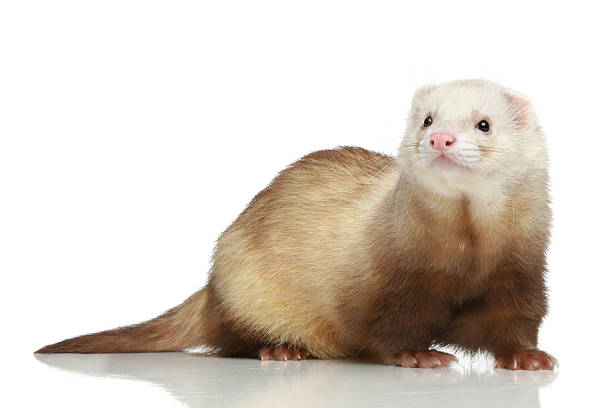
Ferrets (Mustela putorius furo) are increasingly popular as companion pets due to their inquisitive nature, playful demeanor, and relatively small size. However, like all domestic animals, ferrets are susceptible to a variety of health conditions, including neoplastic diseases—especially neoplasia of the skin. Cutaneous tumors in ferrets are relatively common and present a wide range of clinical signs, histological types, and prognoses. Among these, mast cell tumors and basal cell tumors are the most frequently diagnosed. Understanding the etiology, diagnosis, treatment, and prevention of these tumors is essential for veterinarians and ferret owners alike.
This comprehensive guide explores various skin neoplasms in ferrets, with an in-depth focus on mast cell tumors (MCTs), basal cell tumors (BCTs), sebaceous gland tumors, squamous cell carcinomas, and other rare cutaneous growths. We will discuss causes, signs and symptoms, diagnostic approaches, treatment modalities, prognosis, complications, dietary implications, and zoonotic risks. The goal is to equip veterinary professionals and pet caregivers with a thorough understanding of ferret skin neoplasia for improved outcomes through early detection and intervention.
Classification of Cutaneous Neoplasms in Ferrets
Cutaneous tumors in ferrets can be broadly categorized into benign and malignant forms. The most common malignant tumors include mast cell tumors and basal cell tumors, though benign tumors—particularly sebaceous gland tumors—are also frequently encountered. Histological classification is critical for determining appropriate treatment and prognosis.
- Mast Cell Tumors (MCTs)
- Often benign, but can exhibit locally invasive behavior.
- Represent one of the most common skin tumors in ferrets.
- Derived from mast cells, which are immune cells involved in inflammation and allergic responses.
- Basal Cell Tumors (BCTs)
- Arise from the basal layer of the epidermis.
- Typically slow-growing, well-circumscribed masses.
- May be benign (basal cell adenoma) or malignant (basal cell carcinoma), with the former being far more common.
- Sebaceous Gland Tumors
- Most frequently benign (sebaceous adenomas).
- Commonly seen in older ferrets.
- Arise from sebaceous glands associated with hair follicles.
- Squamous Cell Carcinoma (SCC)
- Rare but aggressive malignant tumor.
- Associated with sun exposure in some species, though less clearly linked in ferrets.
- Histiocytomas and Fibrosarcomas
- Less common, but can manifest as fast-growing skin masses.
- Melanocytic Tumors
- Include benign melanocytomas and malignant melanomas.
- Pigmented masses, often on the footpads, face, or mucocutaneous junctions.
Causes and Risk Factors
The exact etiology of skin neoplasia in ferrets is not fully understood, but several contributing factors have been identified:
1. Genetic Predisposition
- Certain lines of ferrets may have genetic susceptibility to specific tumors, though this has not been extensively studied.
- Age plays a role—older ferrets (typically over 5 years) are more prone to developing neoplasms.
2. Age
- The incidence of skin tumors increases with age.
- Most cutaneous tumors are diagnosed in ferrets over 4–5 years old, with peak occurrence between 6 and 8 years.
3. Hormonal Influence
- Ferrets are sensitive to hormonal fluctuations.
- Altering the endocrine system (e.g., via spaying or neutering at an early age) has been linked to adrenal disease, which may indirectly influence tumor development, especially in the skin.
4. Viral and Infectious Triggers
- While no definitive viral link has been established in ferret skin tumors, some retroviruses or papillomaviruses may contribute—similar to those implicated in other species.
- Chronic inflammation or skin irritation can potentially trigger neoplastic transformation.
5. Environmental Factors
- Exposure to UV radiation, although uncommon due to ferrets being primarily indoor pets, may contribute to SCC in rare cases.
- Chemical irritants or allergens may cause chronic inflammation, increasing the risk of abnormal cell proliferation.
6. Immune System Dysfunction
- Immunosuppression, whether due to underlying disease or medication, may allow uncontrolled growth of abnormal cells.
Signs and Symptoms
Clinical presentation varies significantly depending on the tumor type, location, size, and behavior (benign vs. malignant). Recognizing early signs is crucial for timely intervention.
Common Clinical Signs:
- Visible Skin Masses
- Most common presentation.
- May appear as nodules, lumps, or raised lesions on the skin.
- Ranging in size from a few millimeters to several centimeters.
- Pruritus (Itching)
- Especially with mast cell tumors, which release histamine and other inflammatory mediators.
- Ferrets may scratch, bite, or lick the affected area excessively.
- Ulceration or Crusting
- Malignant tumors or large, traumatized masses may ulcerate.
- Secondary bacterial infection can lead to pus, odor, or oozing.
- Color and Texture Changes
- Mast cell tumors often appear pink, red, or tan with a firm, well-defined border.
- Basal cell tumors may be hairless, dome-shaped, and pigmented.
- Sebaceous tumors often have a waxy or greasy appearance.
- Hemorrhage
- Fragile tumors can bleed easily, especially if located in areas prone to trauma (e.g., head, limbs).
- Systemic Signs (in Aggressive or Metastatic Cases)
- Lethargy, anorexia, weight loss.
- Enlarged lymph nodes (if metastasis occurs).
- In rare cases of mast cell degranulation, signs like vomiting, diarrhea, or hypotension may occur due to histamine release—though systemic mastocytosis is extremely rare in ferrets.
- Changes in Behavior
- Pain or discomfort from large or ulcerated tumors may cause irritability or reduced activity.
Diagnosis
Accurate diagnosis is essential to determine appropriate treatment and prognosis. A multimodal approach is typically required.
1. Physical Examination
- Veterinarians perform a thorough dermatological and systemic examination.
- The size, location, number, color, texture, and mobility of the mass are assessed.
- Evaluation of regional lymph nodes for enlargement is critical.
2. Fine Needle Aspiration (FNA)
- A minimally invasive procedure where a small needle is used to extract cells from the mass.
- Cytology can often differentiate between mast cell tumors (characteristic granulated cells), sebaceous cells, or epithelial cells suggestive of BCTs.
- Mast cell tumors show large, round cells with purple granules when stained with Wright-Giemsa.
- Limitations include insufficient cellular yield or difficulty in distinguishing benign from malignant tumors solely by cytology.
3. Skin Scraping and Cytology
- Used to rule out infectious causes (e.g., mites, bacteria, fungi) that may mimic neoplasia.
- Helps identify secondary infections complicating tumor lesions.
4. Biopsy and Histopathology
- The gold standard for definitive diagnosis.
- An incisional or excisional biopsy is performed under sedation or general anesthesia.
- Tissue is fixed, sectioned, stained (usually H&E), and examined microscopically.
- Histopathology determines:
- Tumor type (e.g., MCT, BCT, SCC).
- Degree of differentiation (well, moderate, poor).
- Presence of necrosis, mitotic figures, and invasion into surrounding tissues.
- Surgical margins (if excisional biopsy is done).
5. Imaging
- Radiography (X-rays): Used to assess for metastasis, especially in cases of suspected SCC or fibrosarcoma.
- Ultrasound: Helps evaluate deeper tissue involvement and lymph node metastasis.
- CT or MRI: Rarely used but valuable for large or invasive tumors, particularly those near vital structures.
6. Laboratory Testing
- Complete blood count (CBC), biochemistry panel, and urinalysis to evaluate overall health and rule out systemic illness.
- In rare cases of systemic mastocytosis, elevated histamine levels or eosinophilia may be observed.
Mast Cell Tumors in Ferrets: In-Depth Analysis
Epidemiology
- MCTs are one of the most frequently diagnosed skin tumors in ferrets.
- Predominantly affect middle-aged to older animals (5–7 years).
- No strong sex predisposition.
Pathogenesis
- Arise from the proliferation of mast cells—tissue-resident immune cells rich in granules containing histamine, heparin, proteases, and cytokines.
- In ferrets, most MCTs are benign, but they can be locally invasive.
- Unlike in dogs or cats, metastasis is rare.
Clinical Features
- Usually solitary, firm, non-painful nodules.
- Commonly located on the trunk, limbs, or head.
- May change in size due to degranulation or inflammation.
- Pruritus is common due to histamine release.
Diagnosis
- FNA is highly effective, revealing characteristic mast cells with metachromatic granules.
- Histopathology confirms benignancy or malignancy—though malignancy is uncommon.
Treatment
- Surgical excision is the treatment of choice.
- Wide margins (1–2 cm) are recommended to minimize recurrence.
- Most ferrets recover fully with complete excision.
- Antihistamines (e.g., diphenhydramine) may be prescribed pre- and post-surgery to control histamine effects.
Prognosis
- Excellent for benign, completely excised tumors.
- Recurrence is rare unless margins are incomplete.
- Metastasis is exceedingly uncommon.
Basal Cell Tumors in Ferrets: In-Depth Analysis
Epidemiology
- Second most common skin tumor in ferrets.
- Typically seen in older ferrets (6+ years).
- Often solitary but can be multiple.
Pathogenesis
- Originate from the basal layer of the epidermis.
- Most are benign adenomas; carcinomas are rare.
- Exact cause unknown, but age and possible genetic factors may contribute.
Clinical Features
- Dome-shaped, hairless, firm nodules.
- Often pigmented (black or dark brown).
- Ulceration is uncommon unless traumatized.
- Slow-growing and non-painful.
Diagnosis
- FNA may show sheets of uniform epithelial cells with dark nuclei.
- Histopathology is diagnostic—reveals nests or cords of basaloid cells invading the dermis.
- Tumors are usually well-demarcated with minimal invasion.
Treatment
- Surgical removal is curative in most cases.
- Electrocautery or cryosurgery may be used for small tumors.
- No need for chemotherapy or radiation.
Prognosis
- Excellent for benign BCTs.
- Recurrence is rare with complete excision.
- Malignant variants carry a guarded prognosis due to potential for local invasion.
Other Cutaneous Tumors in Ferrets
Sebaceous Gland Tumors
- Very common, especially in aged ferrets.
- Appear as small, wart-like, yellowish, or greasy nodules.
- Often on the head, neck, and trunk.
- Benign; excision is curative.
- Multiple tumors may suggest underlying hormonal imbalance.
Squamous Cell Carcinoma
- Rare but aggressive.
- Often ulcerated, invasive, and rapidly growing.
- Diagnosis requires histopathology.
- Treatment: aggressive surgical excision, possibly with radiation.
- Prognosis is guarded due to high recurrence and potential for metastasis.
Fibrosarcomas
- Malignant mesenchymal tumors.
- Locally invasive with potential for recurrence.
- Wide surgical margins or amputation may be needed.
- Radiation therapy can be adjunctive.
Histiocytomas
- Benign, button-like masses in young adults.
- May regress spontaneously.
- Biopsy confirms diagnosis.
Treatment Options
1. Surgical Excision
- Primary treatment for most cutaneous tumors.
- Goal: complete removal with clean margins.
- Post-operative pain management and antibiotics if needed.
2. Medical Management
- Antihistamines: Useful for MCTs (e.g., diphenhydramine 1–2 mg/kg BID).
- Anti-inflammatory drugs: NSAIDs (e.g., meloxicam) for pain and inflammation—used cautiously in ferrets.
- Chemotherapy: Rarely used; reserved for aggressive, inoperable, or metastatic tumors.
- Radiation therapy: Available at specialty centers for select cases.
3. Supportive Care
- Wound care for ulcerated tumors.
- Elizabethan collar to prevent self-trauma.
- Nutritional support to maintain immune function.
Prognosis and Complications
Prognosis
- Mast Cell Tumors: Excellent with surgery; recurrence rare.
- Basal Cell Tumors: Excellent for benign forms; poor for carcinomas.
- Sebaceous Tumors: Excellent; no long-term issues.
- Squamous Cell Carcinoma: Guarded; high recurrence and metastasis risk.
- Fibrosarcomas: Variable; prone to local recurrence.
Complications
- Recurrence: Due to incomplete surgical excision.
- Secondary Infection: Ulcerated tumors can become infected.
- Systemic Effects: Rare histamine release from MCTs causing GI signs or hypotension.
- Metastasis: Uncommon but possible with SCC or fibrosarcoma.
- Anesthetic Risk: Especially in older, debilitated ferrets.
Prevention
While not all tumors can be prevented, several strategies may reduce risk:
- Regular Health Checks
- Monthly skin examinations by owners.
- Annual veterinary wellness exams, especially for ferrets over 3 years.
- Early Spaying/Neutering
- Controversial; early gonadectomy may increase adrenal disease risk, which could indirectly influence skin health.
- Discuss timing with veterinarian.
- Avoiding UV Exposure
- Keep ferrets out of direct sunlight.
- Use UV-protective window films if near sunlit areas.
- Optimal Hygiene
- Regular cage cleaning to prevent skin irritation.
- Avoid harsh shampoos or allergens.
- Prompt Treatment of Skin Conditions
- Address dermatitis, infections, or wounds early.
Diet and Nutrition
Nutrition plays a supportive role in cancer prevention and immune health.
Key Nutritional Considerations:
- High-Quality Animal Protein
- Ferrets are obligate carnivores.
- Diet should contain 30–40% protein from meat sources (chicken, turkey, lamb).
- Avoid plant-based proteins.
- Low Carbohydrates and Fiber
- Ferrets cannot digest fiber well.
- High-carb diets may promote insulinoma, which indirectly affects overall health and immune function.
- Essential Fatty Acids
- Omega-3 and omega-6 fatty acids support skin health and reduce inflammation.
- Found in fish oil, egg yolks, and animal fats.
- Vitamins and Antioxidants
- Vitamin E and selenium act as antioxidants, protecting cells from oxidative damage.
- Taurine is essential for cardiac and immune health.
- Consider supplementation only if advised by a vet.
- Hydration
- Fresh water must be available at all times.
- Dehydration impairs healing and immune response.
- Commercial vs. Homemade Diets
- High-quality commercial ferret diets are recommended.
- If feeding raw or homemade diets, ensure nutritional balance and hygiene.
- Supplements During Illness
- Appetite stimulants (e.g., mirtazapine).
- High-calorie pastes (e.g., Nutri-Cal) for weak or anorexic ferrets.
Note: No direct evidence links diet to skin tumor development, but optimal nutrition supports overall wellness and recovery.
Zoonotic Risk
Good news: There is no known zoonotic risk associated with cutaneous neoplasms in ferrets.
- Skin tumors in ferrets are not transmissible to humans.
- Mast cell tumors, basal cell tumors, and other neoplasms are not caused by infectious agents that can cross species.
- Standard hygiene practices (handwashing after handling, wearing gloves when treating wounds) are recommended but primarily for the ferret’s benefit and to prevent bacterial infection.
However:
- If a tumor is secondarily infected with bacteria (e.g., Staphylococcus, Pseudomonas), there is a theoretical risk of transmission, though rare.
- Immunocompromised individuals should take extra precautions.
When to See a Veterinarian
Ferret owners should seek veterinary care if they notice:
- Any new skin lump or bump.
- Rapid growth of a lesion.
- Ulceration, bleeding, or discharge.
- Excessive scratching or discomfort.
- Behavioral changes (lethargy, loss of appetite).
Early diagnosis significantly improves outcomes, especially for malignant tumors.
Conclusion
Neoplasia of the skin in ferrets is a common concern, particularly in middle-aged and older animals. Mast cell tumors and basal cell tumors are the most frequently diagnosed, with most being benign and amenable to surgical cure. Early detection through routine skin checks and prompt veterinary evaluation are critical for favorable outcomes.
Diagnosis relies on clinical assessment, cytology, and histopathology. Treatment is primarily surgical, with excellent prognosis for most cases. Nutritional support and preventive care further enhance quality of life. Importantly, these tumors pose no zoonotic threat, offering peace of mind to pet owners.
By understanding the spectrum of cutaneous neoplasia in ferrets, owners and veterinarians can work together to ensure early intervention, effective treatment, and prolonged, healthy lives for these beloved pets.
#FerretHealth, #FerretCancer, #FerretTumors, #MastCellTumor, #BasalCellTumor, #FerretSkinCare, #FerretOncology, #FerretOwnerTips, #ExoticPetHealth, #FerretVet, #SkinLumpsInFerrets, #FerretWellness, #FerretCare, #FerretNutrition, #FerretSurgery, #FerretDermatology, #CutaneousNeoplasia, #FerretLumpsAndBumps, #FerretHealthCheck, #PetCancerAwareness, #FerretsOfInstagram, #FerretCommunity, #FerretLife, #SmallPetHealth, #FerretMedicine, #AnimalOncology, #FerretLovers, #FerretRescue, #FerretAwareness, #HealthyFerrets




Add comment