
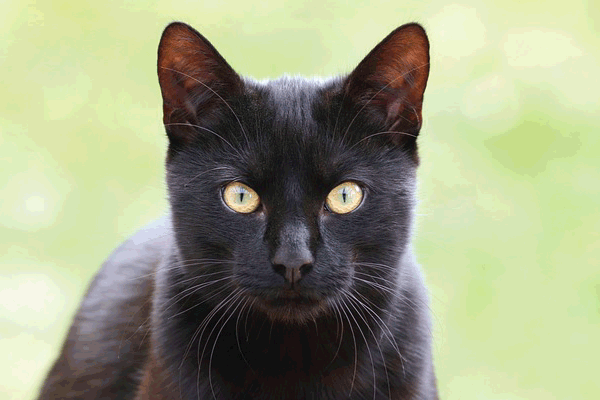
The intricate dance of a jumping cat, the lightning-fast reflexes that allow them to catch elusive prey, the subtle flick of an ear that signals their mood – all these remarkable abilities are orchestrated by an incredibly complex and vital system: the feline neurological system. Comprising the brain and spinal cord, this central command center is the seat of consciousness, movement, sensation, and all the sophisticated functions that make cats the fascinating creatures they are. Understanding the anatomy, physiology, and common diseases affecting this system is crucial for any cat owner or veterinary professional seeking to ensure the well-being of these beloved companions.
This comprehensive guide will delve deep into the feline brain and spinal cord, exploring their structure, function, and the myriad ways they can be affected by illness or injury. We will embark on a journey from the highest cognitive centers to the intricate neural pathways, uncovering the biological marvel that allows cats to navigate their world with unparalleled grace and acuity.
I. Anatomy of the Feline Neurological System: The Architect’s Blueprint
The central nervous system (CNS) in cats, like in most mammals, is a hierarchical structure designed for efficient information processing and response. It’s a testament to millions of years of evolution, fine-tuned for survival and the specific predatory niche cats occupy.
A. The Feline Brain: The Seat of Cognition and Control
The feline brain, though smaller than a human’s relative to body size, is remarkably complex and functionally sophisticated. It’s enclosed within the protective skull and is responsible for everything from basic life-sustaining functions to advanced sensory processing and behavioral patterns.
- Cerebrum: This is the largest part of the feline brain, divided into two hemispheres (left and right). It is responsible for higher-level functions such as learning, memory, cognition, emotion, and voluntary movement. The surface of the cerebrum is highly folded, forming gyri (ridges) and sulci (grooves), which dramatically increase the surface area for neural connections. Each hemisphere is further divided into four lobes:
- Frontal Lobe: Primarily involved in planning, decision-making, problem-solving, and voluntary motor control. This is where much of a cat’s unique personality and behavioral repertoire originates.
- Parietal Lobe: Processes sensory information, including touch, temperature, pain, and pressure. It also plays a role in spatial awareness and navigation.
- Temporal Lobe: Crucial for auditory processing, memory formation, and understanding vocalizations. This is where a cat “hears” and interprets sounds, from the rustle of prey to the comforting meow of its owner.
- Occipital Lobe: Solely dedicated to processing visual information. Feline vision is highly adapted for low light and detecting movement, and this lobe is the gateway for that information to be interpreted.
- Cerebellum: Located at the back of the brain, beneath the cerebrum, the cerebellum is smaller but critically important for coordination, balance, and precise motor control. It receives information from sensory systems and the cerebrum and fine-tunes motor commands, allowing for fluid and coordinated movements like walking, running, jumping, and maintaining posture. Damage to the cerebellum often results in ataxia (wobbly gait) and tremors.
- Brainstem: This vital structure connects the cerebrum and cerebellum to the spinal cord. It is responsible for essential, involuntary life functions and serves as a relay station for information traveling between the brain and the rest of the body. The brainstem consists of three parts:
- Midbrain: Involved in visual and auditory reflexes, and motor control.
- Pons: Relays signals between the cerebrum and cerebellum, and plays a role in regulating breathing and sleep.
- Medulla Oblongata: The lowest part of the brainstem, it controls fundamental autonomic functions such as heart rate, respiration, blood pressure, swallowing, and vomiting. It’s the most primitive part of the brain and is essential for immediate survival.
- Diencephalon: Situated between the cerebrum and the midbrain, this region includes structures like the thalamus and hypothalamus.
- Thalamus: Acts as a major relay center for sensory information, filtering and directing it to the appropriate areas of the cerebral cortex for processing.
- Hypothalamus: A critical regulator of many bodily functions, including body temperature, hunger, thirst, sleep-wake cycles, and hormonal control via the pituitary gland. It also plays a significant role in emotional responses.
- Limbic System: A collection of structures, including the amygdala, hippocampus, and parts of the hypothalamus and thalamus, the limbic system is primarily responsible for emotions, motivation, memory, and learning. It governs a cat’s feelings of fear, pleasure, aggression, and affection, and is vital for forming long-term memories.
B. The Feline Spinal Cord: The Information Superhighway
The spinal cord is a long, cylindrical structure that extends from the brainstem down through the vertebral column (backbone). It acts as the primary communication pathway between the brain and the rest of the body, transmitting sensory information to the brain and motor commands from the brain to the muscles and glands.
- Structure: The spinal cord is composed of gray matter (containing nerve cell bodies and dendrites) and white matter (containing myelinated nerve fibers, or axons). It is protected by the meninges (three layers of membranes: dura mater, arachnoid mater, and pia mater) and the bony vertebrae. Cerebrospinal fluid (CSF) also bathes the spinal cord, providing cushioning and acting as a shock absorber.
- Function: The spinal cord performs two main functions:
- Conduction: It transmits nerve impulses to and from the brain. Sensory neurons carry information from the periphery (skin, muscles, organs) to the spinal cord and then up to the brain. Motor neurons carry signals from the brain down the spinal cord to the muscles and glands.
- Reflexes: It mediates simple reflexes independently of the brain. A reflex arc is a neural pathway that controls a reflex. For example, the withdrawal reflex (pulling a paw away from a painful stimulus) is a spinal reflex that allows for rapid responses to protect the body from harm, even before the brain fully processes the sensation of pain.
- Spinal Segments and Nerves: The spinal cord is divided into segments, each giving rise to pairs of spinal nerves. These nerves branch out to innervate specific regions of the body, carrying both sensory and motor fibers. The spinal cord is conceptually divided into cervical (neck), thoracic (chest), lumbar (lower back), and sacral (pelvic) regions, corresponding to the vertebrae they lie within.
II. Physiology of the Feline Nervous System: The Body’s Communication Network
The functional unit of the nervous system is the neuron, a specialized cell that transmits electrical and chemical signals. The sophisticated behaviors and responses of cats are the result of trillions of these neurons communicating with each other through complex networks.
A. Neural Transmission: The Electrical and Chemical Symphony
- Action Potentials (Electrical Signals): When a neuron is stimulated above a certain threshold, it generates an electrical impulse called an action potential. This impulse travels rapidly along the neuron’s axon.
- Synaptic Transmission (Chemical Signals): At the end of an axon, at a junction called a synapse, the electrical signal triggers the release of chemical messengers called neurotransmitters. These neurotransmitters cross the synaptic gap and bind to receptors on the next neuron, either exciting or inhibiting its activity. This complex interplay of electrical and chemical signals allows for rapid and precise communication throughout the nervous system.
B. Sensory Perception: How Cats Experience Their World
Felines possess highly developed sensory systems that are crucial for their survival as predators and for their interactions with their environment and humans.
- Vision: Feline eyes are adapted for excellent low-light vision and detecting movement. Their large pupils can dilate significantly, allowing more light to enter, and a reflective layer called the tapetum lucidum amplifies available light, causing “eyeshine.” While they don’t see colors as vibrantly as humans, their ability to detect subtle movements is superior. The occipital lobe of the brain is responsible for processing this visual information.
- Hearing: Cats have an extraordinary sense of hearing, capable of detecting a wider range of frequencies than humans, including high-pitched sounds produced by rodents. Their mobile ears can independently rotate to pinpoint the source of a sound with remarkable accuracy. The temporal lobes are key for processing auditory input.
- Smell (Olfaction): While not as acute as a dog’s, a cat’s sense of smell is still significantly more developed than a human’s. Their nasal cavity contains a high concentration of olfactory receptors, allowing them to detect subtle scents, identify individuals, and locate prey. The olfactory bulbs in the brain are dedicated to processing scent information.
- Touch and Proprioception: Cats are highly sensitive to touch, particularly on their whiskers, paws, and face. Proprioception, the sense of body position and movement, is finely tuned, enabling their exceptional balance and agility. Sensory receptors throughout the body relay this information via the spinal cord to the parietal lobes for interpretation.
- Taste: A cat’s sense of taste is less developed than humans, partly because they are obligate carnivores and have fewer taste receptors, particularly for sweetness.
C. Motor Control and Reflexes: Executive Functions in Action
The brain and spinal cord work in concert to control voluntary movements and involuntary reflexes.
- Voluntary Movement: The frontal lobe of the cerebrum initiates voluntary movements. Signals are sent down the spinal cord to motor neurons, which stimulate muscles to contract. The cerebellum fine-tunes these movements for smoothness and coordination.
- Reflexes: As mentioned earlier, the spinal cord mediates many reflexes. These involuntary, rapid responses are vital for protection and maintaining homeostasis. For example, the patellar reflex (knee-jerk reflex) in cats helps maintain posture and balance.
D. Autonomic Nervous System: The Unseen Regulators
The autonomic nervous system (ANS) controls involuntary bodily functions essential for life. It operates largely unconsciously and is divided into two branches:
- Sympathetic Nervous System: The “fight-or-flight” response. It prepares the body for action in stressful situations by increasing heart rate, blood pressure, and respiration, while diverting blood flow from non-essential organs.
- Parasympathetic Nervous System: The “rest-and-digest” response. It promotes relaxation, digestion, and energy conservation by slowing heart rate and increasing digestive activity.
The hypothalamus and brainstem play crucial roles in regulating the ANS.
III. Common Neurological Diseases in Cats: When the System Fails
Despite their resilience, cats are susceptible to a range of neurological conditions that can significantly impact their quality of life. Early recognition and veterinary intervention are crucial for managing these diseases.
A. Trauma and Injury: The Physical Assault on the CNS
The brain and spinal cord are vulnerable to trauma from falls, accidents, and altercations.
- Head Trauma (Brain Injury): Can result from direct blows to the head, concussions, or penetrating injuries. Symptoms can range from mild disorientation and lethargy to severe neurological deficits like seizures, coma, and paralysis. Brain swelling (edema) is a common and dangerous complication.
- Spinal Cord Injury (SCI): Can be caused by intervertebral disc disease (IVDD), fractures, luxations (dislocations) of the vertebrae, or severe contusions. Symptoms depend on the location and severity of the injury and can include pain, weakness, incoordination (ataxia), paralysis (paresis or plegia), and loss of bladder and bowel control.
B. Inflammatory and Infectious Diseases: The Body’s Internal Battles
Infections and inflammation can directly attack the CNS.
- Meningoencephalitis: Inflammation of the meninges (meningitis) and the brain itself (encephalitis). Causes can include bacterial, viral (e.g., Feline Infectious Peritonitis – FIP), fungal, or parasitic infections, and immune-mediated conditions. Symptoms include fever, lethargy, seizures, abnormal behavior, neck pain, and ataxia.
- Feline Infectious Peritonitis (FIP): While primarily affecting the abdomen and chest, the neurological form of FIP (neuro-FIP) can cause severe damage to the brain and spinal cord, leading to a wide range of neurological signs including ataxia, tremors, seizures, paralysis, and behavioral changes.
- Distemper (Canine Distemper Virus – CDV): Although primarily a disease of dogs, cats can be infected with CDV, especially those with compromised immune systems. The neurological form can cause severe and often fatal damage to the CNS, leading to tremors, circling, seizures, and paralysis.
- Toxoplasmosis: A parasitic infection caused by Toxoplasma gondii. While many cats are asymptomatic carriers, in some cases, particularly in immunocompromised individuals, the parasite can invade the CNS, leading to neurological signs such as ataxia, incoordination, seizures, and paralysis.
C. Degenerative Diseases: The Slow Erosion of Function
These conditions involve the progressive deterioration of neural tissue over time.
- Intervertebral Disc Disease (IVDD): While more common in dogs, IVDD can occur in cats, particularly breeds like Siamese and Persians. Degenerative changes in the intervertebral discs can lead to the discs bulging or rupting, compressing the spinal cord. This causes pain and neurological deficits.
- Cerebellar Degeneration: Certain breeds, like Abyssinians and Siamese, are predisposed to hereditary forms of cerebellar degeneration, leading to progressive incoordination and ataxia.
- Cognitive Dysfunction Syndrome (CDS): Analogous to Alzheimer’s disease in humans, CDS is a progressive neurodegenerative disorder that affects older cats. Symptoms include disorientation, altered sleep-wake cycles, decreased interaction, house-soiling, and changes in vocalization.
D. Tumors: Uncontrolled Growth Within the Nervous System
Tumors can arise from brain cells (primary brain tumors) or spread from other parts of the body (metastatic tumors).
- Brain Tumors: Common types include meningiomas, gliomas, and pituitary adenomas. Symptoms depend on the location and size of the tumor and can include seizures, behavioral changes, circling, head tilting, weakness, and blindness.
- Spinal Tumors: Can occur within the spinal cord or compress it from the outside. Symptoms are similar to spinal cord injuries and progress with tumor growth.
E. Vascular Diseases: Disruptions in Blood Supply
Disruptions to the blood vessels supplying the brain can lead to neurological deficits.
- Stroke (Cerebrovascular Accident): Occurs when blood flow to a part of the brain is interrupted, either by a blockage (ischemic stroke) or bleeding (hemorrhagic stroke). Symptoms can be sudden and severe, including sudden onset of head tilt, circling, seizures, weakness, and loss of balance.
- Feline Ischemic Encephalopathy: A condition characterized by localized areas of damage in the brain due to lack of blood supply, often seen in younger cats.
F. Congenital and Developmental Abnormalities: Present from Birth
Some cats are born with neurological defects.
- Hydrocephalus: “Water on the brain,” a condition where there is an abnormal accumulation of cerebrospinal fluid within the skull, leading to increased intracranial pressure. This can cause a domed head, impaired vision, seizures, and developmental delays.
- Cerebellar Hypoplasia: The cerebellum fails to develop properly, usually due to prenatal viral infections (e.g., panleukopenia). Affected kittens show varying degrees of incoordination and tremors that are usually not progressive.
G. Metabolic and Toxic Neuropathies: Imbalances and External Agents
Disruptions in the body’s metabolism or exposure to toxins can affect the nervous system.
- Hepatic Encephalopathy: Occurs in cats with severe liver disease. The liver is unable to properly detoxify waste products from the blood, which then accumulate and affect brain function, leading to lethargy, disorientation, seizures, and coma.
- Toxin Exposure: Ingestion or exposure to certain toxins, such as insecticides (organophosphates, pyrethrins), lead, or certain plants, can cause severe neurological signs including tremors, seizures, paralysis, and death.
IV. Diagnosis and Treatment: Restoring Neurological Health
Diagnosing neurological conditions in cats can be challenging due to their subtle symptom presentation and their inability to communicate their discomfort directly. A thorough veterinary examination is paramount.
A. Diagnostic Tools: Uncovering the Cause
- Neurological Examination: A detailed assessment of reflexes, gait, coordination, cranial nerve function, mentation, and behavior by a veterinarian.
- Blood Tests: Can help identify metabolic imbalances, infections, toxins, or inflammatory markers.
- Urinalysis: Important for assessing kidney function, which can be linked to neurological signs (e.g., hepatic encephalopathy).
- Imaging:
- X-rays: Useful for detecting bone fractures or dislocations of the spine.
- Myelography: An X-ray technique where contrast dye is injected into the spinal canal to highlight areas of spinal cord compression.
- Computed Tomography (CT) Scan: Provides detailed cross-sectional images of the brain and spinal cord, useful for detecting tumors, bony abnormalities, and some inflammatory changes.
- Magnetic Resonance Imaging (MRI): The gold standard for visualizing soft tissues like the brain and spinal cord. It provides highly detailed images and is essential for diagnosing tumors, inflammatory lesions, vascular abnormalities, and degenerative changes.
- Cerebrospinal Fluid (CSF) Analysis: Analysis of CSF collected from the brain or spinal cord can help diagnose inflammation, infection, or certain types of cancer.
- Biopsy/Histopathology: In some cases, a tissue sample from a suspected tumor may be needed for definitive diagnosis.
B. Treatment Strategies: A Multifaceted Approach
Treatment depends entirely on the underlying cause and can be complex and prolonged.
- Medications:
- Anticonvulsants: To control seizures (e.g., phenobarbital, levetiracetam, zonisamide).
- Anti-inflammatories: Steroids (e.g., prednisone) or non-steroidal anti-inflammatory drugs (NSAIDs) to reduce swelling and inflammation, particularly in cases of trauma, IVDD, or inflammatory conditions.
- Antibiotics, Antifungals, Antivirals, Antiparasitics: To treat infections.
- Chemotherapy: For brain tumors.
- Nutritional Supplements: For cognitive dysfunction.
- Surgery: May be necessary to relieve spinal cord compression (e.g., hemilaminectomy for IVDD), remove tumors, or repair fractures.
- Supportive Care:
- Rest and confinement: Crucial for recovery after spinal cord injury or surgery.
- Physical Rehabilitation: Physiotherapy, hydrotherapy, and exercises can help improve mobility and function after neurological damage.
- Nutritional Support: Special diets may be recommended, especially for cats with hepatic encephalopathy or cognitive dysfunction.
- Assisted Feeding and Hydration: May be required for cats unable to eat or drink independently.
- Bladder and Bowel Management: For cats with loss of control.
- Euthanasia: In cases of severe, untreatable neurological disease where the cat’s quality of life is severely compromised and there is no hope for recovery, humane euthanasia may be the most compassionate option.
V. Prevention and Prognosis: Safeguarding Feline Neurological Health
While not all neurological conditions are preventable, certain measures can help reduce the risk and improve outcomes.
A. Prevention: Proactive Measures
- Safe Environment: Minimizing risks of trauma by ensuring windows are screened, balconies are secure, and potential hazards are removed.
- Vaccination and Parasite Control: Protecting cats from infectious diseases like FIP (though vaccines are limited) and preventing parasitic infestations like toxoplasmosis.
- Prompt Veterinary Care: Seeking immediate veterinary attention for any signs of illness or injury.
- Good Nutrition: Ensuring a balanced diet supports overall health, including brain function.
- Genetic Screening: For breeders, understanding breed predispositions and considering genetic screening for hereditary neurological conditions.
B. Prognosis: A Spectrum of Outcomes
The prognosis for cats with neurological conditions varies widely depending on the specific disease, its severity, the cat’s overall health, and the effectiveness of treatment. Some conditions, like cerebellar hypoplasia, are managed with supportive care, allowing cats to adapt and live fulfilling lives. Others, like aggressive brain tumors or severe spinal cord trauma, may have a guarded to poor prognosis. Early diagnosis and appropriate treatment are key to maximizing the chances of a positive outcome.
Conclusion: The Marvel Within The Feline Form
The feline brain and spinal cord are marvels of biological engineering, enabling cats to exhibit an extraordinary range of behaviors, sensory perceptions, and physical capabilities. From the intricate neural pathways that govern their hunting prowess to the subtle communication signals they share with us, their neurological system is a testament to the complexity and wonder of life.
While the mystery of consciousness and the full extent of feline intelligence remain areas of ongoing exploration, our understanding of their neurological system is continually advancing. By appreciating the anatomy, understanding the physiology, recognizing the signs of disease, and seeking timely veterinary care, we can significantly contribute to the health and well-being of our feline companions, ensuring they can continue to grace our lives with their enigmatic presence and remarkable abilities. The journey into the feline nervous system is a continuous one, filled with awe and a deep appreciation for the sophisticated organism that is the domestic cat.
#CatNeurology #FelineBrain #CatSpinalCord #CatHealth #VeterinaryNeurology #CatDiseases #FelineCentralNervousSystem #NeurologyForCats #CatAnatomy #CatPhysiology #BrainAndSpinalCord #FelineHealthTips #PetHealth #CatCare #NeurologicalDisordersInCats #FelineWellbeing #AskAVet #CatLovers #AmazingCats #SmartCats #FelineScience #NeuroscienceOfCats #CatKnowledge #PetNeurology #FelineBrainPower


Add comment