
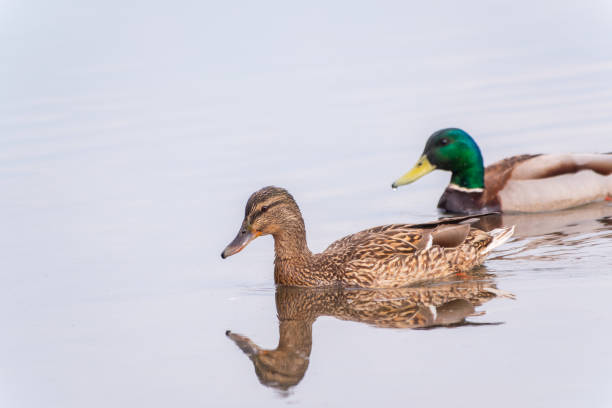
Newcastle Disease (ND), caused by the Newcastle disease virus (NDV), is a highly contagious viral infection affecting domestic and wild birds, including ducks. A member of the Paramyxoviridae family, NDV primarily targets the respiratory, nervous, and digestive systems of infected avian species. While ND is well-documented in chickens, its impact on ducks has gained attention due to the global importance of duck farming for meat and egg production. The disease spreads rapidly in flocks, leading to high mortality rates and significant economic losses for poultry producers.
In ducks, ND manifests in both acute and subclinical forms, with symptoms ranging from mild respiratory distress to severe neurological signs. The severity of the disease depends on the virulence of the virus strain, the age of the duck, and the overall health of the flock. Young ducklings are particularly vulnerable due to their underdeveloped immune systems, while older ducks may exhibit milder symptoms.
ND’s zoonotic potential further amplifies its significance, as the virus can occasionally infect humans, though clinical symptoms are rare. Transmission to humans typically occurs through direct contact with infected birds or contaminated environments. Effective management of ND in ducks is critical not only for flock health but also to mitigate public health risks. This guide explores the causes, symptoms, at-risk breeds, diagnostic methods, treatment options, and prevention strategies for Newcastle Disease in ducks, providing valuable insights for poultry farmers, veterinarians, and duck owners.
Causes of Newcastle Disease in Ducks
Newcastle Disease in ducks is caused by the Newcastle disease virus (NDV), a highly contagious RNA virus belonging to the Paramyxoviridae family. NDV is known for its ability to infect a wide range of avian species, and ducks are increasingly recognized as susceptible hosts. The virus spreads through multiple routes, making it challenging to contain outbreaks.
Transmission Routes
- Direct Contact:
Infected ducks shed the virus through saliva, nasal secretions, and feces. Direct contact with these bodily fluids—common in densely populated duck farms—facilitates rapid transmission between healthy and infected birds. - Indirect Contact:
Contaminated environments pose a significant risk. The virus can survive in bedding, feed, water, and equipment (e.g., feeders, watering systems, and tools) for several weeks, especially in cool, moist conditions. Farm workers, vehicles, and clothing can carry the virus between farms, leading to cross-contamination. - Aerosol Transmission:
NDV spreads through airborne particles, particularly in enclosed spaces like barns. The virus’s stability in droplets allows it to travel through the air and infect nearby ducks, even at a distance. - Vector-Borne Transmission:
While less common, NDV can be transmitted by arthropod vectors such as flies and ticks. These insects can pick up the virus from infected birds and transfer it to healthy ducks during feeding or movement. - Ingestion of Contaminated Materials:
Ducks may become infected by consuming contaminated feed, water, or dead infected birds. The virus can persist in feed for up to 10 weeks and in water for 30 days, depending on environmental conditions. - Wild Birds as Carriers:
Migrating wild birds act as reservoirs for NDV. They can introduce the virus to domestic duck populations during seasonal movements.
Environmental Factors
NDV thrives in cold, humid climates but can also persist in warmer regions if conditions remain moist. Stressors such as overcrowding, poor ventilation, and nutritional deficiencies weaken ducks’ immune systems, increasing their susceptibility to infection.
Understanding these transmission dynamics is critical for developing effective biosecurity and prevention strategies. Farmers must implement strict hygiene protocols, isolate infected flocks, and monitor environmental conditions to minimize ND outbreaks in duck populations.
Signs and Symptoms of Newcastle Disease in Ducks
Newcastle Disease (ND) presents a range of clinical signs in ducks, varying in severity depending on the virus strain, the duck’s age, and the overall health of the flock. Symptoms typically progress in stages, with the most common manifestations affecting the respiratory system, nervous system, and gastrointestinal tract.
Respiratory Symptoms
The initial signs of ND in ducks often involve the respiratory tract. Affected birds may exhibit:
- Rapid, labored breathing (tachypnea)
- Sneezing, sneezing with clear fluid discharge, and noisy respiration
- Coughing and gasping, particularly during rest or low activity
- Watery eyes or conjunctivitis, leading to ocular discharge or swelling
In severe cases, respiratory distress can escalate to dyspnea (difficulty breathing) and cessation of air sac function, which may be fatal if untreated.
Nervous System Symptoms
NDV can invade the central nervous system, causing neurological symptoms such as:
- Torticollis (twisted neck), where the duck’s head tilts unnaturally
- Incoordination or ataxia (loss of balance)
- Tremors, spasms, or lack of voluntary muscle control
- Abnormal postures, such as sitting upright or splayed legs
Neurological symptoms often worsen over time, and ducks may become unable to walk, leading to cage-bottom paralysis.
Eye and General Symptoms
Ocular and systemic signs include:
- Swollen, inflamed eyes with nasolacrimal discharge
- Depression, lethargy, and reduced activity
- Loss of appetite and weight loss
- Diarrhea, often watery and yellowish in color
Ducks may also appear ruffled, with drooping wings and a hunched posture.
Stages of Symptom Development
Symptoms usually develop within 3–4 days after infection, starting with respiratory distress and progressing to neurological and digestive issues. The acute phase is marked by high mortality rates, particularly in young ducklings (under 6 weeks old), which may die within 3–5 days of showing symptoms. In older ducks, symptoms are often milder and subclinical, with lower mortality rates.
Variability in Symptom Severity
The severity of ND in ducks depends on several factors:
- Virus Strain: Virulent strains (e.g., velogenic NDV) cause rapid, severe symptoms, while lentogenic strains result in milder illness.
- Age of Ducks: Younger birds are more susceptible to severe symptoms, while mature ducks may exhibit subclinical signs.
- Immune Status: Ducks with prior vaccination or exposure to NDV show milder symptoms compared to immunologically naïve flocks.
- Environmental Stressors: Poor ventilation, overcrowding, and nutritional deficiencies exacerbate symptom severity.
Differential Diagnosis Considerations
Clinical signs of ND overlap with those of other avian diseases, such as avian influenza and infectious bronchitis. Key distinguishing features include the sudden onset of neurological symptoms and high mortality rates in unvaccinated flocks. Prompt veterinary consultation and diagnostic testing (e.g., ELISA, PCR, or virus isolation) are essential for accurate diagnosis.
Recognizing these signs early is critical for implementing timely interventions and minimizing flock losses. In the next section, we explore which duck breeds are particularly at risk for ND infection.
Duck Breeds Susceptible to Newcastle Disease
While all duck breeds are susceptible to Newcastle Disease (ND), certain breeds face higher risks due to genetic, immune, or environmental factors. Understanding these vulnerabilities is crucial for targeted biosecurity and vaccination strategies in duck farming.
Common Breeds at Higher Risk
- Pekin Ducks (White and Light Green-feathered):
Pekin ducks, prized for their rapid growth and meat production, are among the most susceptible breeds to ND. Their domestication and frequent use in commercial farming place them in densely populated environments, increasing the likelihood of viral transmission. Young Pekin ducks, in particular, are vulnerable due to their underdeveloped immune systems. - Muscovy Ducks:
Although Muscovy ducks are relatively hardier than other breeds, their susceptibility to ND varies depending on immune status. As flightless birds, they are often raised in enclosed spaces, making them prone to respiratory infections. - Khaki Campbell Ducks:
This breed, known for egg production, faces higher ND risks when raised in high-density systems. Their focus on laying eggs rather than meat production may prioritize productivity over robust immune development, leaving them vulnerable. - Indian Runner Ducks:
Characterized by their upright posture, Indian Runner ducks are less mobile, reducing their ability to escape contaminated environments. Their compact living conditions increase exposure to NDV. - Mallard Ducks (Wild Population):
Wild mallards act as natural reservoirs for NDV, posing a transmission risk to domestic ducks. Migratory patterns and interactions with farmed ducks make them a concern for disease spread.
Factors Contributing to Susceptibility
- Genetic Predisposition: Some breeds, like Pekins, have been bred for rapid growth, which may compromise immune resilience.
- Immune Diversity: Breeds with lower genetic diversity, such as intensively farmed populations, struggle to mount effective immune responses.
- Environmental Exposure: Breeds raised in high-density settings (e.g., Pekin ducks) face higher viral loads and stress, weakening their defenses.
- Age and Health: Younger ducks and those with preexisting health conditions are more likely to develop ND.
Impact on Duck Farming
The susceptibility of these breeds underscores the importance of breed-specific management practices. Farmers must prioritize vaccination, biosecurity, and flock monitoring to mitigate ND risks in high-risk breeds. In the next section, we examine which life stages of ducks are most vulnerable to ND infection.
Lifestage of Ducks Affected by Newcastle Disease
Newcastle Disease (ND) affects ducks across all life stages, but its impact varies significantly depending on the duck’s age, immune maturity, and environmental conditions. Understanding these vulnerabilities is essential for targeted disease management and prevention.
1. Ducklings (0–6 Weeks Old)
Ducklings are the most vulnerable to ND due to their underdeveloped immune systems. The virus can enter their bodies rapidly, leading to acute, severe symptoms within 3–4 days of infection. Mortality rates in unvaccinated ducklings can reach 50–100% in high-risk scenarios. Clinical signs include:
- Sudden death (especially in hatchlings)
- Respiratory distress and diarrhea
- Neurological symptoms like incoordination and paralysis
The high mortality rate in ducklings underscores the importance of early vaccination and maternal immunity from vaccinated breeder ducks.
2. Young Ducks (6–20 Weeks Old)
Middle-aged ducks are more resilient than ducklings but remain at significant risk. Symptoms are milder but prolonged, with respiratory and neurological signs dominating. Mortality rates range from 5–30%, depending on viral strain and immune status. Key characteristics:
- Reduced growth rates and weight loss
- Intermittent neurological symptoms (e.g., head tremors)
- Subclinical signs (e.g., reduced egg production in show ducks)
This stage is critical for vaccination programs, as immune responses develop more effectively in older ducks.
3. Adult Ducks (20+ Weeks Old)
Mature ducks often exhibit subclinical or mild symptoms, particularly if they have been previously vaccinated or exposed to the virus. Mortality is rare, but symptoms may include:
- Occasional respiratory issues
- Transient neurological signs (e.g., head bobbing)
- Reduced egg production in laying ducks
Adult ducks with strong immunity can act as silent carriers, shedding the virus without showing symptoms. This poses a risk to unvaccinated or young ducks.
Key Considerations
- Maternal Immunity: Ducklings gain temporary protection from vaccinated mothers, but this wanes by 2–3 weeks. Timely vaccination is critical.
- Environmental Stressors: Overcrowding and poor nutrition increase susceptibility in all age groups.
- Vaccine Efficacy: The immune system of older ducks responds more robustly to vaccines, making vaccination a priority for breeding and egg-laying flocks.
By addressing lifestage-specific vulnerabilities, farmers can implement age-targeted interventions to mitigate ND risks. The next section explores diagnostic methods for confirming ND in ducks.
Diagnosis of Newcastle Disease in Ducks
Accurate and timely diagnosis of Newcastle Disease (ND) in ducks is critical for implementing effective treatment and containment strategies. Diagnosis typically involves a combination of clinical evaluation and laboratory testing to confirm the presence of the Newcastle disease virus (NDV).
1. Clinical Evaluation
Veterinarians begin by observing the duck’s clinical signs, which include:
- Respiratory symptoms (sneezing, gasping)
- Neurological symptoms (torticollis, incoordination)
- Gastrointestinal issues (watery diarrhea)
- High mortality rates in unvaccinated flocks
The sudden onset of symptoms and their progression in stages (respiratory → neurological → digestive) differentiate ND from other diseases. However, overlap with infectious bronchitis or avian influenza necessitates confirmatory tests.
2. Laboratory Testing
Laboratory methods provide definitive confirmation of NDV:
- Virus Isolation: Involves culturing the virus in embryonated chicken eggs or cell cultures. This is the gold standard but requires specialized facilities.
- ELISA (Enzyme-Linked Immunosorbent Assay): Detects NDV antibodies in blood samples. Useful for seroprevalence studies and vaccination efficacy assessments.
- PCR (Polymerase Chain Reaction): Amplifies viral RNA from tracheal swabs, fecal samples, or tissue biopsies. PCR is rapid and sensitive, ideal for early detection in outbreaks.
- HI (Hemagglutination Inhibition) Test: Identifies antibody titers in blood samples to determine infection or vaccination status.
3. On-Farm Detection Methods
Farmers and veterinarians can use rapid diagnostic kits for preliminary screening. These include:
- Antigen detection strips (e.g., lateral flow assays) for tracheal swabs.
- PCR-based kits for quick results (often within 1–2 hours).
4. Post-Mortem Examination
If ducks die, post-mortem analysis reveals air sac lesions, inflamed tracheal mucosa, and brain swelling. Histopathology of affected tissues confirms NDV presence.
5. Distinguishing ND from Other Diseases
ND must be differentiated from:
- Infectious Bronchitis: Affects only the respiratory system without neurological symptoms.
- Avian Influenza (AI): May cause high mortality but is accompanied by high body temperatures and severe systemic illness.
- Infectious Laryngotracheitis: Characterized by blood-tinged mucus from the beak.
Prompt diagnosis and response are vital to limit disease spread. Once confirmed, farmers must implement quarantine, biosecurity measures, and vaccination for the remaining flock. The next section explores treatment and prognosis for ducks diagnosed with ND.
Treatment and Prognosis of Newcastle Disease in Ducks
There is no specific antiviral cure for Newcastle Disease (ND), making supportive care the primary treatment strategy. Early intervention, combined with proper management and vaccination, significantly improves outcomes.
1. Supportive Care Measures
- Hydration and Electrolyte Support: Ducks suffering from respiratory illness and diarrhea often require electrolyte solutions (e.g., ProVita) to prevent dehydration.
- Antibiotics: While ND is viral, secondary bacterial infections (e.g., E. coli, Salmonella) are common. Broad-spectrum antibiotics like tetracyclines or fluoroquinolones may be administered to prevent complications.
- Anti-inflammatory Medications: Non-steroidal anti-inflammatory drugs (NSAIDs) can reduce fever and inflammation.
- Nutritional Supplements: Ducks with reduced appetite benefit from vitamin A, D3, and E to boost immune function. Adding electrolytes and probiotics to feed supports gut health.
- Isolation of Affected Ducks: Infected birds should be isolated to prevent transmission. Affected ducks must remain separated for at least 28 days after symptoms subside.
2. Antiviral Therapies
No ND-specific antiviral drugs are licensed for ducks. However, interferon injections or viral suppressants (e.g., amantadine derivatives) may be used in severe cases to slow viral replication. Always consult a veterinarian before administering such treatments.
3. Environmental Management
- Warming for Young Ducks: Hypothermia is a risk in ducklings. Provide a brooder with heat lamps to maintain optimal body temperature (30–34°C for hatchlings).
- Air Quality Control: Improve ventilation to reduce ammonia levels and remove respiratory irritants. Use ozone or hydrogen peroxide-based sanitizers to disinfect enclosures.
- Disinfection of Contaminated Areas: Thoroughly clean and disinfect coops, feeders, and watering systems using chlorine-based disinfectants or quaternary ammonium compounds.
Prognosis of Newcastle Disease in Ducks
The prognosis depends on several factors:
- Age of the Duck:
- Ducklings have the lowest survival rate (25–50%), especially if symptoms appear within the first 2–3 days.
- Young ducks (6–20 weeks) often recover with 80–90% survival rates under supportive care.
- Adult ducks (20+ weeks) typically recover fully, with negligible mortality in vaccinated flocks.
- Virus Strain:
- Velogenic strains (highly virulent) lead to rapid deterioration and high mortality.
- Lentogenic strains (mild) cause milder symptoms and better recovery rates.
- Prompt Treatment:
Early diagnosis and supportive care improve outcomes. Ducks treated within the first 3 days often show complete recovery within 7–14 days. - Overall Health and Immunity:
Ducks with prior NDV exposure or vaccination have milder symptoms and faster recovery.
Complications of Untreated Newcastle Disease
Untreated ND can lead to long-term complications:
- Neurological Damage: Ducks may develop permanent co-ordination issues or cage-bottom paralysis.
- Secondary Infections: Bacterial infections can cause septemia, pericarditis, or air sac mites.
- Economic Impact: Mortality, reduced egg production, and treatment costs significantly affect profitability.
- Zoonotic Risks: Although rare, NDV transmission to humans through direct contact with infected birds requires immediate isolation protocols.
The next section discusses these complications in detail.
Complications of Untreated Newcastle Disease in Ducks
Untreated Newcastle Disease (ND) in ducks can lead to severe, long-term complications that impact individual birds, flocks, and even human health. The rapid progression of the virus and its multi-system effects make prompt intervention critical.
1. Neurological Damage and Paralysis
NDV’s ability to invade the central nervous system (CNS) causes irreversible damage in some cases. Ducks with severe neurological symptoms may experience:
- Chronic incoordination (ataxia)
- Torticollis (twisted neck)
- Cage-bottom paralysis, where ducks are unable to walk
These conditions render affected birds non-functional, often requiring euthanasia due to prolonged suffering and economic loss.
2. Secondary Bacterial Infections
The virus weakens the immune system, leaving ducks vulnerable to opportunistic pathogens. Common complications include:
- Bacterial pneumonia (e.g., E. coli, Salmonella)
- Septicemia (bloodstream infection) due to systemic immune suppression
- Air sac infections that lead to chronic respiratory issues
These secondary infections can cause high mortality rates even in mildly ND-affected flocks.
3. Economic Impact on Farmers
ND outbreaks result in significant financial losses through:
- Increased mortality in unvaccinated flocks
- Reduced egg production in breeding ducks
- Treatment costs for isolation, antibiotics, and supportive care
- Quarantine restrictions that halt trade or movement of ducks
A single ND outbreak can cripple small-scale farmers, especially in regions without access to affordable vaccines.
4. Zoonotic Risks
While NDV primarily affects birds, it can occasionally infect humans, particularly those in close contact with infected ducks. Human symptoms include:
- Conjunctivitis and upper respiratory tract infections
- Fever, headaches, and muscle pain
This zoonotic potential necessitates strict biosecurity measures, including personal protective equipment (PPE) for farmers and culling guidelines to prevent cross-species transmission.
Untreated ND not only causes severe clinical complications but also threatens the sustainability of duck farming. The next section focuses on prevention strategies to minimize ND outbreaks.
Prevention and Control Strategies for Newcastle Disease in Ducks
Preventing Newcastle Disease (ND) in ducks is vital to ensuring flock health, economic stability, and food safety. A multi-faceted approach combining vaccination, biosecurity, and flock management is essential for effective ND control.
1. Vaccination Programs
Vaccination is the cornerstone of ND prevention in ducks. Several NDV vaccines are available, with the choice depending on the age of ducks, virus strain, and regional disease prevalence.
- Live Attenuated Vaccines:
- Lasota, B1, and Hitchner B1 strains are commonly used for ducks. These vaccines can be administered via in ovo (before hatch) or inoculation at hatch.
- Vaccination Timing:
- Day 1–7: In-ovo or early post-hatch vaccination is ideal for day-old ducklings.
- Week 6–8: A booster shot strengthens immunity in young ducks.
- 6+ Weeks: Adult breeding ducks receive annual boosters to maintain immunity.
- Inactivated Vaccines:
- NDV-inactivated vaccines are used for older ducks or in high-risk regions. They require multiple booster doses (e.g., two initial injections followed by annual boosters).
- Vaccine Administration Routes:
- In ovo vaccines are injected into the egg yolk 18–19 days before hatching.
- Eye-drop, intranasal, or oral vaccines are used for day-old ducklings.
- Intramuscular or subcutaneous injections are preferred for adults.
- Vaccine Efficacy and Challenges:
- Maternal immunity from vaccinated breeder ducks provides temporary protection to ducklings, but this wanes by 2–3 weeks.
- Farmers must follow vaccination schedules to ensure consistent immunity across flocks.
- Vaccine failure can occur due to improper storage (NDV vaccines require refrigeration at 2–8°C) or administration errors.
2. Biosecurity Measures
Robust biosecurity protocols are critical to prevent ND introduction and spread in duck populations.
- Quarantine Protocols:
- New ducks should be isolated for 28–30 days before joining the main flock.
- Quarantine enclosures must be disinfected with 10% bleach or virucidal disinfectants (e.g., Virkon S).
- Disinfection Practices:
- Footbaths and vehicle disinfectants must be placed at all farm entrances.
- Feeder and drinker systems should be thoroughly cleaned and disinfected weekly.
- Equipment (e.g., nets, gloves) used for sick birds must be segregated and disinfected.
- Personal Hygiene:
- Farmers and workers must wash hands or use disinfectant gels before and after handling ducks.
- Wearing disposable gloves and changing clothes between flocks is mandatory.
- Vector Control:
- Wild birds are a common NDV source. Farmers should install bird-proof netting or keep ducks indoors to prevent exposure.
- Insects like flies and ticks can spread the virus. Use insecticides and tick collars to reduce vector populations.
3. Flock Management
Proactive flock management reduces ND risks and supports overall duck health.
- Dense Population Control: Overcrowding increases transmission rates. Ensure minimum space per duck (e.g., 2–3 square feet per duck).
- Ventilation and Air Quality:
- Improve air exchange in enclosed barns to reduce airborne NDV transmission.
- Monitor ammonia levels and clean droppings regularly to minimize respiratory stress.
- Nutritional Support:
- Ducks require balanced feed with adequate vitamin A, C, and E to support immune function.
- Provide electrolyte supplements during high-stress periods (e.g., extreme weather).
- Monitoring and Surveillance:
- Regularly check ducks for viral symptoms (e.g., respiratory distress, neurological signs).
- Submit tracheal swabs or blood samples for NDV testing during suspected outbreaks.
By integrating vaccination, biosecurity, and flock management, farmers can significantly reduce ND outbreaks and protect both duck and human health. The next section explores the role of diet and nutrition in ND prevention.
Diet and Nutritional Strategies for Preventing Newcastle Disease in Ducks
A well-balanced diet is critical to supporting ducks’ immune systems and reducing their susceptibility to Newcastle Disease (ND). Proper nutrition not only enhances resistance to NDV but also accelerates recovery in infected flocks.
1. Key Nutrients for Immune Support
- Proteins: High-quality protein (e.g., soybean meal, fish meal) supports antibody production and immune cell function. Duck feed should contain 16–20% protein for optimal health.
- Amino Acids: Lysine and methionine are essential for immune response regulation and antibody synthesis. Deficiencies increase vulnerability to viral infections.
- Vitamins:
- Vitamin A: Vital for mucosal tissue health (e.g., respiratory lining). Deficiency weakens barriers against NDV entry.
- Vitamin C: Acts as an antioxidant, reducing oxidative stress during NDV infection.
- Vitamin E: Enhances cell-mediated immunity and protects against viral replication.
2. Electrolytes and Hydration
Dehydration in ducks suffering from ND (due to fever, gasping, or diarrhea) impairs immune function. Adding electrolyte mixtures (e.g., sodium bicarbonate, potassium) to drinking water helps maintain fluid balance and nutrient absorption.
3. Anti-Stress Supplements
Stress weakens immune responses, increasing NDV susceptibility. Ducks exposed to poor ventilation, overcrowding, or temperature extremes benefit from:
- Probiotics: Improve gut health, which is linked to immune function (e.g., Lactobacillus spp.).
- Prebiotics: Feed with fructooligosaccharides (FOS) to support beneficial gut bacteria.
- Herbal Supplements: Aloe vera or licorice root may reduce inflammatory responses during viral infections.
4. Feed Management Practices
- Fresh Feed: Avoid stale or moldy feed, which can harbor pathogens that weaken immunity.
- Clean Water: Ensure access to disinfected, uncontaminated water to prevent disease transmission.
- Timely Feeding: Ducks should be fed 2–3 times daily, avoiding overfeeding to reduce gut stress.
A nutrient-rich diet is a cornerstone of ND prevention, complementing vaccination and biosecurity strategies. The final section of this guide addresses the zoonotic potential of ND in ducks.
Zoonotic Risk of Newcastle Disease in Ducks
Newcastle Disease (ND) is classified as a zoonotic disease, meaning it can be transmitted from infected birds to humans under certain conditions. While ND primarily affects avian species, including ducks, the Newcastle disease virus (NDV) has the potential to infect humans, particularly those in close contact with infected birds or contaminated environments.
1. Transmission to Humans
Humans typically contract NDV through direct contact with bodily fluids (e.g., saliva, nasal secretions, feces) from infected ducks or indirect contact with contaminated surfaces, tools, or environments. Transmission can also occur via aerosolized particles in enclosed spaces. Farmers, veterinarians, and poultry workers are at the highest risk due to frequent exposure to NDV.
2. Human Symptoms
In humans, NDV infection is relatively rare and usually presents as mild, self-limiting illnesses. Common symptoms include:
- Conjunctivitis (inflammation of the eye)
- Upper respiratory tract infections (e.g., sore throat, cough)
- Fever, headaches, and muscle pain in more severe cases
While NDV does not typically cause systemic disease in humans, individuals with compromised immune systems may experience more severe symptoms.
3. Preventive Measures for Humans
To mitigate the zoonotic risks of ND, individuals working with ducks should follow strict safety protocols:
- Wear PPE: Use gloves, masks, and disposable coveralls when handling sick or dead ducks.
- Practice Hand Hygiene: Wash hands thoroughly with soap and water or disinfectant gels after handling ducks or contaminated materials.
- Avoid Direct Contact: Refrain from touching the eyes, mouth, or nose after working with birds.
- Quarantine Diseased Ducks: Infected birds must be isolated to prevent human exposure.
- Vaccinate Ducks: A well-vaccinated flock reduces the risk of NDV spill-over to humans.
4. Public Health Significance
Although NDV is not a major public health threat, its zoonotic potential underscores the importance of biosecurity in poultry farming. Public health authorities often monitor ND outbreaks to prevent cross-species transmission.
Adhering to these preventive measures ensures the safety of both ducks and humans, minimizing the risks associated with ND’s zoonotic nature. By implementing vaccination, biosecurity, and flock management, farmers can protect their livelihoods and contribute to global disease control efforts.
Add comment