
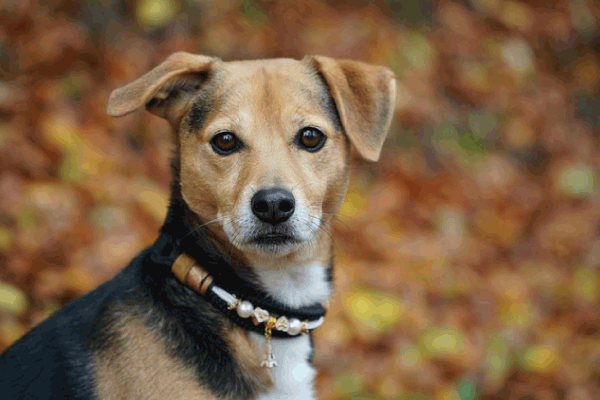
The nasal planum, the moist, pigmented skin on the external tip of a dog’s nose, is a sensitive and vital area. While often overlooked, it can be the site of a serious and potentially life-threatening cancer: Squamous Cell Carcinoma (SCC) of the nasal planum. This guide will delve deep into this condition, providing owners with essential information about its causes, signs, diagnosis, treatment options, prognosis, potential complications, and preventive measures, along with guidance on diet and nutrition.
Keywords:
Nose pad cancer, nasal planum SCC, squamous cell carcinoma dog, dog nasal cancer, dog nose tumor, canine nasal planum SCC, dog cancer, pet cancer, veterinary oncology, dog health, dog nose problems, depigmentation dog nose, dog ulcerated nose, dog bleeding nose, dog nose lump, veterinary diagnosis, veterinary treatment, dog cancer prognosis, canine SCC, hyperkeratosis dog nose, sunburn dog nose
Hashtags:
#NosePadCancer #CanineSCC #DogNoseCancer #SquamousCellCarcinoma #VeterinaryOncology #DogHealth #PetCancer #DogCancerAwareness #CanineHealth #DogTumor #NasalPlanum #DogCare #PetHealthTips #VeterinaryMedicine #DogWellness #FidoHealth #CancerInDogs #DermatologyDog #OncologyPets #DogLove
Introduction to Nose Pad Cancer (Squamous Cell Carcinoma of the Nasal Planum)
Squamous Cell Carcinoma (SCC) is a common type of cancer in dogs, arising from the squamous cells, a type of flat, thin cell that makes up the outer layers of the skin and the lining of many organs. When SCC develops on the nasal planum, it is specifically referred to as nasal planum SCC. This condition can be particularly distressing for dog owners due to its visible location and the potential for significant discomfort and pain for the affected animal.
The nasal planum, often referred to as the “dog’s nose leather,” is characterized by its wrinkled appearance, pigment (usually black, but can be pink or mottled), and an abundance of nerve endings, making it a sensitive sensory organ. Its role in olfaction and thermoregulation makes any alteration to its structure and function a cause for concern.
While SCC can occur anywhere on the skin, its predilection for the nasal planum is notable. The external aspect of the nose, particularly in lighter-skinned or sparsely haired dogs, is constantly exposed to environmental factors, which play a significant role in the development of this cancer. Understanding the nuances of this specific cancer is crucial for early detection, effective management, and improving the quality of life for our canine companions.
Causes and Risk Factors of Nose Pad Cancer in Dogs
The exact cause of squamous cell carcinoma of the nasal planum is not fully understood, but it is believed to be a multifactorial disease with several contributing factors.
1. Ultraviolet Radiation (Sun Exposure):
This is considered the most significant and well-established risk factor. Just as excessive sun exposure can lead to skin cancer in humans, it poses a similar threat to dogs. The nasal planum, especially in dogs with:
- Light-colored or pink pigmentation: Pigment (melanin) offers some protection against UV radiation. Dogs with depigmented noses are far more susceptible.
- Thin or sparse fur on the muzzle: This allows more direct UV exposure to the skin.
- Predilection for basking: Dogs that enjoy spending prolonged periods in direct sunlight are at higher risk.
UVB rays are particularly damaging, causing DNA mutations in the squamous cells. Over time, these accumulated mutations can lead to uncontrolled cell growth, forming cancerous tumors. Certain breeds are genetically predisposed to depigmentation of the nose, making them inherently more vulnerable.
2. Genetics and Breed Predisposition:
While any dog can develop nose pad cancer, certain breeds appear to have a higher incidence due to genetic factors that may influence their susceptibility to UV damage or their immune system’s ability to repair cellular damage. Some breeds commonly affected include:
- Collies (Rough and Smooth): Known for their lighter pigmentation and susceptibility to sun-related issues.
- Siberian Huskies: Often have depigmented noses or “snow nose.”
- Samoyeds: Similar to Huskies, depigmentation is common.
- Bichon Frises: Can have pink noses.
- Brittany Spaniels: Can have lighter pigmentation.
- Dalmatians: Can have depigmented noses.
- Terriers (various breeds): Some terrier breeds can be more prone to skin issues.
It’s important to note that while these breeds are predisposed, it doesn’t guarantee they will develop cancer, nor does it mean dogs of other breeds are immune.
3. Other Potential Contributing Factors:
- Chronic Irritation or Inflammation: While less common as a primary cause for SCC on the nasal planum compared to UV, chronic irritation from environmental factors, allergens, or trauma could potentially play a minor role in initiating cellular changes. However, this is not as well-documented as UV exposure.
- Viral Infections (Papillomavirus): In some cases, certain papillomaviruses have been implicated in SCC development, particularly in genetically predisposed individuals or those with compromised immune systems. However, this is more frequently associated with oral or generalized skin papillomas.
- Immunosuppression: A weakened immune system, whether due to underlying disease, medications (like steroids or chemotherapy), or age, can impair the body’s ability to identify and destroy precancerous cells, increasing the risk of cancer development.
Understanding these factors is the first step in effective prevention and early detection.
Signs and Symptoms of Nose Pad Cancer in Dogs
Early detection is critical for successful treatment. Nasal planum SCC often starts subtly, and owners may initially dismiss the changes as minor irritations. Vigilance is key.
Early Signs:
- Depigmentation (Loss of Pigment): The most common early sign is the gradual loss of pigment on the nasal planum, turning it pink. This can be subtle and may start as small patches.
- Crusting and Scaling: The affected area may develop dry, flaky, or crusty patches. These can resemble dry skin or eczema.
- Mild Inflammation (Redness): The skin may appear inflamed or slightly red in the affected areas.
As the Cancer Progresses:
The changes become more noticeable and concerning:
- Ulceration: The crusted areas can break open, forming open sores or ulcers on the nose. These ulcers may bleed intermittently.
- Bleeding: Spontaneous bleeding from the nose pad, especially after trauma like rubbing or scratching, is a significant warning sign.
- Thickening and Nodules: The skin of the nasal planum can become thickened, raised, or develop firm lumps or nodules.
- Pain and Discomfort: The affected dogs may show signs of pain, such as:
- Excessive pawing at the nose: They try to relieve the irritation or pain.
- Rubbing the nose on furniture or the ground: An attempt to scratch or dislodge something irritating.
- Whining or yelping when the nose is touched: Indicating tenderness.
- Reluctance to eat or drink: If the ulceration is severe and causes pain when interacting with food or water.
- Sneezing: While less common for external nasal planum SCC, if the tumor invades deeper into the nasal passages, sneezing can occur.
- Nasal Discharge: Similarly, if the cancer penetrates the nasal cavity, mucoid or bloody nasal discharge might be observed.
What to Look For:
- Changes in appearance: Any alteration from your dog’s normal nose color, texture, or smoothness.
- Persistent sores: Sores that don’t heal after a few weeks.
- Bleeding: Any unexplained bleeding from the nose pad.
- Behavioral changes: Increased pawing, rubbing, or signs of discomfort when the nose is touched.
Important Note: Pink noses themselves are not cancerous, but they are a significant risk factor for developing nasal planum SCC due to their lack of protective pigment.
Diagnosis of Nose Pad Cancer in Dogs
Diagnosing nasal planum SCC involves a multi-step process to confirm the presence of cancer, determine its type, and assess its extent.
1. Veterinary Examination:
- History Taking: The veterinarian will ask detailed questions about the onset and progression of the signs, any changes in your dog’s behavior, sun exposure habits, and previous medical history.
- Physical Examination: A thorough physical examination will be performed, focusing on the nasal planum. The veterinarian will assess the size, shape, color, texture, and presence of ulceration, crusting, or bleeding. They will also palpate the area for any underlying masses.
2. Diagnostic Tests:
- Cytology (Fine Needle Aspirate – FNA): For superficial lesions, the veterinarian may attempt to collect cells from the affected area using a fine needle. This is a quick and relatively non-invasive procedure. The cells are then examined under a microscope. Cytology can often identify cancerous cells but may not always provide a definitive diagnosis for SCC, as it can sometimes be difficult to distinguish from inflammatory changes.
- Biopsy and Histopathology: This is the gold standard for definitive diagnosis. A small piece of tissue (biopsy) is surgically removed from the affected nasal planum under sedation or local anesthesia. This sample is then sent to a veterinary pathologist for examination under a microscope. Histopathology can confirm the diagnosis of squamous cell carcinoma, determine its grade (how aggressive the cells look), and help assess the margins of the tumor (whether all cancerous cells were removed).
- Advanced Imaging (If Deeper Invasion is Suspected):
- X-rays (Radiographs): Can be used to assess for any bone involvement if the tumor has invaded deeper into the nasal cavity or skull.
- Computed Tomography (CT) Scan or Magnetic Resonance Imaging (MRI): These advanced imaging techniques provide detailed cross-sectional views of the nasal cavity and surrounding structures. They are invaluable for determining the extent of tumor invasion, identifying any spread to lymph nodes or other organs, and planning surgical or radiation therapy. This is particularly important if there is significant ulceration, nasal discharge, or sneezing.
- Blood Work (Complete Blood Count – CBC and Biochemistry Profile): While not directly diagnostic for nasal planum SCC, blood work is essential to assess your dog’s overall health, identify any underlying systemic issues, and evaluate organ function before any surgical procedures or treatments.
- Lymph Node Aspirates/Biopsy: If enlarged lymph nodes are detected near the head and neck, the veterinarian may perform an FNA or biopsy of these nodes to check for metastasis (spread of cancer cells).
The diagnostic process helps the veterinary team create the most appropriate treatment plan tailored to the individual dog and the specific characteristics of the tumor.
Treatment Options for Nose Pad Cancer in Dogs
The treatment of nasal planum SCC depends on several factors: the stage and size of the tumor, its invasiveness, the dog’s overall health, the presence of metastasis, and the owner’s financial and emotional capacity. A combination of treatments is often employed for the best outcome.
1. Surgery:
- Goal: Surgical removal of the tumor with clean margins (no cancer cells left at the edges of the removed tissue).
- Procedure: This typically involves excising the affected portion of the nasal planum. In some cases, a wedge resection of the nose might be necessary. The goal is to remove the entire tumor and a small margin of healthy tissue around it.
- Considerations:
- Extent of Resection: The amount of nose that needs to be removed will depend on the size and depth of the tumor. This can sometimes lead to cosmetic changes and potential functional alterations (e.g., affecting how the dog sniffs).
- Reconstructive Surgery: In some cases, plastic surgery techniques might be employed to help close the defect or improve the cosmetic outcome.
- Anesthesia Risk: As with any surgery, there are risks associated with anesthesia, especially in older or compromised dogs.
- Margin Assessment: Post-operative histopathology of the excised tumor is crucial to ensure complete removal. If margins are not clean, further treatment may be necessary.
2. Radiation Therapy (Radiotherapy):
- Goal: To destroy remaining cancer cells after surgery or as a primary treatment if surgery is not feasible or desired.
- Procedure: Radiation therapy involves using high-energy beams to target and kill cancer cells. It is typically administered in multiple fractions over several weeks.
- External Beam Radiation Therapy (EBRT): The most common form, where the radiation is delivered from a machine outside the body.
- Strontium-90 Plaque Brachytherapy: This is a specialized radiation technique that can be very effective for nasal planum SCC. A radioactive plaque (a small, flexible applicator containing radioactive material) is surgically placed directly onto the affected area under anesthesia and left in place for a specific duration (usually a few days) before being removed. This delivers a high dose of radiation directly to the tumor site with minimal exposure to surrounding healthy tissues. This is often considered a first-line treatment for many nasal planum SCCs.
- Considerations:
- Availability: Requires specialized veterinary oncology facilities.
- Side Effects: Radiation can cause side effects, including inflammation of the skin (dermatitis), dry or moist desquamation (skin sloughing), and sometimes oral mucositis (inflammation of the mouth lining) if the radiation field extends to the mouth. These are usually managed with supportive care.
- Cost: Radiation therapy can be expensive.
3. Cryosurgery:
- Goal: To freeze and destroy cancerous cells.
- Procedure: Liquid nitrogen is applied to the tumor, causing ice crystals to form within and around the cancer cells, leading to their death.
- Considerations:
- Effectiveness: Best suited for small, superficial tumors. Less effective for larger or invasive tumors.
- Side Effects: Can cause pain, swelling, and scarring. May require multiple treatments.
4. Medical Management and Supportive Care:
- Topical Therapy: In some cases, veterinarians may prescribe topical treatments like imiquimod cream (a prescription cream that stimulates the immune system to fight cancer cells) for superficial lesions. This is a relatively new and promising treatment option.
- Pain Management: For dogs experiencing pain or discomfort, appropriate pain medications (e.g., NSAIDs or opioids) will be prescribed.
- Wound Care: If the tumor is ulcerated, regular cleaning and application of topical ointments may be necessary to prevent infection and promote healing.
- Nutritional Support: Ensuring adequate nutrition is vital for maintaining a strong immune system and supporting the body during treatment.
5. Chemotherapy:
- Role: Chemotherapy is generally less effective for SCC of the nasal planum compared to other cancer types. It is usually not the primary treatment.
- Considerations: It might be considered in cases where the cancer has metastasized to distant organs or if other treatments have failed, but success rates are often limited.
The best treatment approach is often a combination of modalities. For example, surgery followed by radiation or plaque brachytherapy, or topical imiquimod therapy. A thorough discussion with your veterinarian or a veterinary oncologist is essential to weigh the pros and cons of each option for your individual dog.
Prognosis and Complications of Nose Pad Cancer in Dogs
The prognosis for canine nasal planum SCC is variable and depends heavily on several factors:
- Early Detection and Stage: Tumors diagnosed at an early stage, before significant invasion or metastasis, generally have a much better prognosis.
- Tumor Grade: Low-grade SCCs tend to grow and spread more slowly than high-grade tumors.
- Completeness of Surgical Excision: If the tumor can be surgically removed with clear margins, the prognosis improves significantly.
- Response to Radiation Therapy: Dogs that respond well to radiation therapy tend to have a better outcome.
- Presence of Metastasis: If the cancer has spread to lymph nodes or distant organs, the prognosis becomes guarded to poor.
- Dog’s Overall Health: A younger, healthier dog will generally tolerate treatment better and may have a more favorable prognosis.
Prognostic Outcomes:
- Excellent Prognosis: For very early, superficial SCCs that are completely removed surgically or treated with plaque brachytherapy with good margins, long-term remission (years) is possible.
- Good Prognosis: With aggressive treatment (e.g., surgery with good margins followed by radiation, or effective plaque brachytherapy), many dogs can live for months to a year or more with a good quality of life.
- Fair to Guarded Prognosis: For larger, more invasive tumors, or those with close or incomplete margins, the prognosis is more guarded. Recurrence or progression may occur within months.
- Poor Prognosis: If the cancer has extensively invaded surrounding structures (bone, nasal cavity) or has metastasized to distant sites, the prognosis is generally poor, and the focus shifts to palliative care and maintaining quality of life.
Potential Complications:
Even with successful treatment, complications can arise:
- Recurrence: SCC can recur locally if microscopic cancer cells were left behind at surgery or if radiation was not fully effective. Regular monitoring is crucial.
- Metastasis: The cancer can spread to regional lymph nodes (mandibular and retropharyngeal) or, less commonly, to distant organs like the lungs.
- Secondary Infections: Ulcerated lesions are prone to bacterial or fungal infections, which can cause pain and delay healing.
- Scarring and Cosmetic Changes: Surgical removal or radiation can result in scarring and changes in the appearance of the nose.
- Pain and Discomfort: Persistent pain can occur if the tumor is not fully controlled or if there are complications.
- Functional Impairment: In severe cases, significant tumor growth or extensive surgery could potentially affect the dog’s ability to sniff effectively, leading to a reduced sense of smell. This is usually minor if the loss of smell is restricted to fine details.
- Difficulties with Eating/Drinking: While rare, extremely large or painful lesions could make these activities uncomfortable.
Regular follow-up veterinary appointments are essential to monitor for any signs of recurrence or metastasis, manage any lingering side effects, and ensure the dog’s continued comfort and quality of life.
Prevention of Nose Pad Cancer in Dogs
Given that UV radiation is the primary risk factor, prevention strategies focus on minimizing sun exposure.
1. Sun Protection:
- Limit Direct Sun Exposure:
- Keep your dog indoors or in the shade during the peak sun hours (typically 10 AM to 4 PM), especially during sunny seasons.
- Provide ample shade in outdoor areas where your dog spends time.
- Consider using UV-protective dog clothing, such as a sun shirt or a hat designed to cover the nose area, particularly for dogs at high risk (light-colored noses, breeds predisposition).
- Sunscreen for Dogs:
- Use dog-specific sunscreen ONLY. Human sunscreens often contain ingredients toxic to dogs (like zinc oxide and PABA), which can cause oral irritation or be absorbed systemically if licked.
- Look for pet sunscreens with an SPF of 15 or higher.
- Apply it to the nasal planum, ear tips, and any other areas with sparse fur or light pigmentation that are prone to sunburn.
- Reapply frequently, especially after swimming or sweating.
- Caution: Supervise your dog to prevent excessive licking of the sunscreen.
2. Recognizing and Managing Risk Factors:
- Monitor Dogs with Pink Noses: Be extra vigilant with dogs that have pink or depigmented noses. They are significantly more vulnerable.
- Regular Nose Checks: Get into the habit of gently examining your dog’s nose regularly for any changes in color, texture, or the appearance of sores or crusts.
- Avoid Over-Grooming: While cleanliness is important, avoid harsh grooming practices that might irritate the nasal planum.
3. Early Veterinary Check-ups:
- Annual Wellness Exams: Ensure your dog has regular veterinary check-ups. Your veterinarian can identify early signs of skin issues, including precancerous changes, that you might miss.
- Promptly Address Changes: If you notice any abnormalities on your dog’s nose, consult your veterinarian immediately rather than waiting for it to worsen. Early intervention is key.
4. Selective Breeding (Long-Term Consideration):
- While not something an individual owner can control, responsible breeders may consider the genetic predisposition to depigmented noses and related skin cancers when making breeding decisions.
Emphasizing sun safety and vigilance is the most effective way to reduce the risk of your dog developing this type of cancer or to catch it at its earliest, most treatable stage.
Diet and Nutrition for Dogs with Nose Pad Cancer
While there is no specific “cancer diet” that can cure nose pad cancer, proper nutrition plays a crucial role in supporting your dog’s overall health, immune function, and ability to tolerate treatments.
1. High-Quality, Balanced Diet:
- Veterinarian Recommended Food: The best diet is one recommended by your veterinarian that is appropriate for your dog’s age, breed, size, and activity level. Commercial dog foods that meet AAFCO (Association of American Feed Control Officials) standards are generally well-balanced.
- Avoid Unproven “Cancer Diets”: Be wary of extreme or unproven dietary fads or supplements marketed as cancer cures. Always discuss any significant dietary changes or additions with your veterinarian.
2. Protein for Tissue Repair:
- Adequate protein is essential for cell repair and immune system function. High-quality animal-based proteins are ideal. Ensure the diet contains a sufficient percentage of protein.
3. Antioxidants:
- Antioxidants help combat oxidative stress, which can be increased in the presence of cancer and during certain treatments like radiation.
- Sources of Antioxidants:
- Vitamin E and C: Found in many commercial dog foods.
- Beta-Carotene: Found in ingredients like sweet potato.
- Certain Fruits and Vegetables: (In moderation and appropriately prepared for dogs) like blueberries, carrots, and apples.
- Supplementation: Discuss any antioxidant supplementation with your veterinarian, as excessive amounts can sometimes be detrimental.
4. Omega-3 Fatty Acids:
- Omega-3 fatty acids (EPA and DHA), often found in fish oil, have anti-inflammatory properties and may help support immune function and overall well-being.
- Source: High-quality fish oil supplements specifically formulated for dogs. Always follow dosing instructions provided by your veterinarian.
5. Palatability and Appetite Support:
- Dogs undergoing cancer treatment or experiencing discomfort might have a reduced appetite.
- Increase Palatability: Gently warming wet food, adding a small amount of low-sodium chicken or beef broth (ensure no onion or garlic), or temporarily mixing in a small amount of high-quality wet food can make meals more appealing.
- Small, Frequent Meals: If your dog is struggling to eat large amounts, offering smaller meals more frequently throughout the day can be beneficial.
6. Hydration:
- Ensure your dog always has access to fresh, clean water. Dehydration can exacerbate many health issues.
7. What to Limit or Avoid:
- Highly Processed Foods: These can be lower in nutrient density.
- Excessive Carbohydrates: While carbohydrates provide energy, an unbalanced diet heavily skewed towards them might not be ideal.
- Human Foods with Toxic Ingredients: Never feed your dog foods containing onions, garlic, xylitol, grapes, raisins, or excessive fats.
Crucially, any dietary changes or supplements should be discussed with your veterinarian or a veterinary nutritionist. They can provide personalized recommendations based on your dog’s specific condition and treatment plan. The goal of nutrition is to support your dog’s strength and resilience during a challenging time.
Conclusion
Squamous Cell Carcinoma of the nasal planum is a serious but manageable condition in dogs. Understanding its causes, recognizing the early signs, pursuing prompt veterinary diagnosis, and adhering to prescribed treatment plans are paramount to achieving the best possible outcome. While the visible nature of this cancer can be alarming, with advancements in veterinary oncology, many dogs can live comfortable and fulfilling lives even after diagnosis. Prioritizing sun safety and regular veterinary care are the cornerstones of both prevention and early detection, offering our beloved canine companions the best chance against this disease. Always consult with your veterinarian for personalized advice and care for your pet.






Add comment