
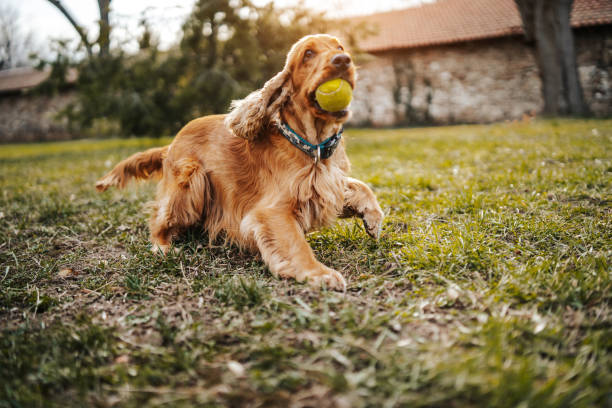
Dogs, regardless of their physical limitations, possess an incredible sense of smell. Nose work and scent games harness this innate ability, offering a fulfilling and engaging outlet for dogs with limited mobility. These activities not only provide mental stimulation and prevent boredom but also strengthen the bond between dog and owner. This guide will delve deep into the world of nose work and scent games, offering adaptable strategies and considerations specifically for dogs facing physical challenges.
Understanding the Benefits for Dogs with Limited Mobility
Before diving into the “how-to,” it’s crucial to understand why nose work and scent games are particularly beneficial for dogs with mobility issues:
- Mental Stimulation: When physical activity is restricted, mental stimulation becomes paramount. Nose work challenges a dog’s brain, requiring problem-solving, focus, and memory.
- Reduced Boredom and Destructive Behaviors: Boredom can manifest in unwanted behaviors. Engaging a dog’s mind with scent work can redirect their energy positively.
- Enhanced Confidence and Self-Esteem: Successfully finding a hidden scent is incredibly rewarding for a dog, boosting their confidence and sense of accomplishment, especially if they feel limited in other areas.
- Stress Reduction: The focus required for scent work can be incredibly calming for anxious or stressed dogs. The repetitive nature of sniffing can have a meditative effect.
- Gentle Physical Exercise: While not strenuous, sniffing and moving around to find a scent does involve some physical exertion, which can be beneficial for maintaining muscle tone and promoting circulation.
- Building the Human-Animal Bond: Working together as a team to find the scent strengthens communication and trust between you and your dog.
- Adaptability to Various Conditions: These activities can be modified to suit a wide range of mobility limitations, from arthritis and hip dysplasia to post-surgical recovery or age-related stiffness.
Key Principles for Adapting Nose Work and Scent Games
The core principles of nose work remain the same, but adaptation is key for dogs with limited mobility. Here’s what to keep in mind:
- Safety First: Always prioritize your dog’s comfort and safety. Avoid any exercises that cause pain or discomfort. Observe their body language closely.
- Keep it Simple and Accessible: Start with easy hides in accessible locations. Gradually increase the difficulty.
- Short, Frequent Sessions: Dogs with limited mobility may tire more easily. Shorter, more frequent training sessions are more effective than long, infrequent ones.
- Positive Reinforcement is Paramount: Use high-value treats, praise, and enthusiastic encouragement to reward success. Never punish mistakes.
- Gradual Progression: Introduce new scents and hiding places slowly. Allow your dog to master each step before moving on.
- Focus on the “Find”: The goal is for your dog to locate the scent. Don’t worry too much about a perfect “alert” or “indication” at first.
- Observe and Adapt: Pay close attention to your dog’s cues. If they seem frustrated, tired, or in pain, adjust the game accordingly.
Essential Gear and Supplies
You don’t need much to get started!
- High-Value Treats: Small, enticing treats that your dog loves. Think cheese, cooked chicken, hot dogs, or specialized training treats.
- Scent Articles (Optional but Recommended later): Small items like cotton swabs, felt, or wooden blocks that can be infused with a specific scent.
- Target Scents (for advanced training): Essential oils like birch, anise, or clove (use sparingly and safely!).
- Containers: Small boxes, cups, tins, or even folded towels to hide treats within.
- A Designated Training Area: Start in a quiet, familiar space like your living room or a secluded corner of your yard.
- Optional: A comfortable mat or bed for your dog to rest on between training sessions.
Adapting for Different Mobility Limitations
Let’s break down specific modifications based on common mobility challenges:
1. Arthritis and Joint Pain:
- Focus on Low-Impact Hides:
- Floor Level: Hide treats under rugs, behind furniture legs, inside open drawers at floor level, or within low boxes.
- Slight Inclines (if comfortable): If your dog can manage a gentle ramp or a single step, you can place hides slightly elevated.
- “Blind” Scents: Instead of requiring them to physically move to a location, place the scent very close to them while they are resting. This is especially good for dogs who struggle to walk.
- Minimize Jumping and Twisting: Avoid hides that require your dog to jump, twist their body awkwardly, or navigate difficult terrain.
- Shorter Search Patterns: Design searches that involve less movement and fewer turns.
- Encourage Sniffing in Place: If your dog can’t move much, you can hold a treat or scent article a short distance away and encourage them to sniff and reach for it.
2. Hip Dysplasia and Hip Pain:
- Gentle Range of Motion: Exercises should encourage natural movement without forcing extension or flexion of the hips.
- Avoid Steep Inclines/Declines: These can put extra strain on the hips.
- Level Surfaces are Best: Focus on flat surfaces for your search areas.
- “Crawl” Through Hides: If your dog is comfortable crawling a short distance, you can place hides under furniture where they need to go under.
- Focus on Lateral Sniffing: Reward them for sniffing left and right while standing or lying down.
3. Post-Surgery Recovery:
- Veterinarian Approval is Crucial: Always consult your veterinarian before starting any new activity.
- Follow Surgeon’s Recommendations: Adhere strictly to any restrictions on movement, jumping, or twisting.
- Start VERY Gently: Begin with hides directly in front of them, requiring minimal movement.
- Gradually Increase Distance: As healing progresses, slowly increase the distance between your dog and the hidden scent.
- Focus on Mental Engagement: The primary goal is mental stimulation, not extensive physical exertion.
4. Age-Related Stiffness and Weakness:
- Low-Energy Hides: Place treats within easy reach while your dog is lying down or resting.
- “Scent Trails” for Short Distances: Create a very short, visible trail of treats leading to a final prize.
- Minimal Stairs or Inclines: Avoid any situations that require significant effort to navigate.
- Patience and Understanding: Allow your senior dog to set the pace. Celebrate small successes.
5. Blind or Visually Impaired Dogs:
- Verbal Cues: Use clear verbal cues to guide your dog towards the general area of the scent.
- Sound Cues (if appropriate): A gentle shake of a treat bag or the crinkle of a wrapper can help them orient themselves.
- Tactile Markers: Place a textured mat or a familiar object at the search location to provide a tactile cue.
- Start with Stationary Hides: Place the scent right next to them or within their immediate reach.
6. Dogs with Vestibular Issues or Balance Problems:
- Stable Surfaces: Ensure the training area is free of trip hazards and has good traction.
- Avoid Heights: Do not place hides on elevated surfaces or where your dog might need to balance precariously.
- Shorter Search Patterns: Minimize the need for rapid turns or changes in direction.
- Focus on Ground-Level Hides: This will provide a more stable and predictable environment.
Progressive Training Steps for Nose Work and Scent Games
Here’s a step-by-step approach to introduce nose work, adaptable for dogs with limited mobility:
Stage 1: Introduction to Scent Association (Treats)
- The “Find It!” Game:
- Setup: Sit on the floor with your dog. Hold a high-value treat in your closed fist. Let your dog sniff your hand.
- Action: When your dog sniffs or licks your hand, say “Yes!” and immediately give them the treat.
- Progression: Repeat this a few times. Then, place the treat in your open palm and let them take it. Finally, close your fist around the treat, let them sniff, and then open your hand to give them the treat.
- Adaptation: If your dog struggles to reach your hand, bring the treat to them.
- The “Drop and Hide”:
- Setup: With your dog watching, “accidentally” drop a treat on the floor in front of them.
- Action: Encourage them to sniff it out with a cheerful “Find it!” When they eat it, praise them enthusiastically.
- Progression: Start with the treat in plain sight. Then, drop it when they are slightly distracted.
- Adaptation: If they can’t easily bend down, you can place the treat on a low, stable surface within their reach.
- The “Cup Game”:
- Setup: Take two opaque cups or containers and place a treat under one while your dog is watching.
- Action: Place the cups side-by-side in front of your dog. Encourage them to sniff and nudge the correct cup. When they indicate the cup with the treat, lift it and let them have it.
- Progression: Start with the treat clearly visible. Then, make the treat less visible. You can also start with two identical containers and eventually introduce a slightly different one.
- Adaptation: Use low, stable containers. If your dog struggles to nudge, guide their nose towards the correct container with your finger.
Stage 2: Introducing a Specific Scent (Advanced – Optional)
Important Note: Only introduce specific essential oil scents if your dog is not sensitive to smells, has no respiratory issues, and you’ve consulted your vet. Always use diluted, food-grade essential oils and apply them sparingly to a scent article, not directly to your dog. Birch, anise, and clove are common starter scents for nose work.
- Scent Article Familiarization:
- Setup: Place a cotton swab or felt piece infused with a tiny amount of your chosen scent in a small container or box. Place a treat in the same container.
- Action: Let your dog investigate the container. They will likely be drawn to the treat. As they eat the treat, they are also incidentally smelling the target scent.
- Progression: Gradually reduce the amount of treat until they are no longer getting a treat from the container, but still associating the scent with a positive experience.
- “Blind” Scent Hides (Very Close):
- Setup: Place a scent article with the target scent in a small, accessible container near your dog while they are resting.
- Action: Encourage your dog to “find it.” When they sniff the scent article, praise them and give them a high-value treat from your hand.
- Adaptation: Ensure the container is stable and within easy reach.
Stage 3: Increasing the Challenge (Adaptable Hides)
- Simple Room Search:
- Setup: Start in one room. Hide a few treats in easily accessible locations (under a rug corner, behind a leg of furniture, inside a low open box).
- Action: Release your dog with a “Find it!” and let them sniff their way around the room.
- Adaptation: For dogs with severe mobility issues, you can place all hides within their immediate vicinity while they are lying down. For those with moderate mobility, you can stagger the hides around the room, ensuring they don’t have to navigate difficult obstacles.
- “Box Game” Progression:
- Setup: Arrange several empty boxes or containers in a line or a small cluster. Hide a treat in one of them.
- Action: Encourage your dog to sniff each box. When they indicate the correct box (e.g., by nudging, pawing gently), reward them.
- Adaptation: Use low, stable boxes. If they struggle to indicate, guide them with your finger. You can also vary the types of containers.
- “Hide and Seek” (You Hide):
- Setup: Have your dog lie down. Move a short distance away and hide a treat.
- Action: Call your dog by name and say “Find it!” Let them come to you and find the treat.
- Adaptation: Keep the “hiding” distance very short initially. You can also sit down for this exercise to minimize your own movement.
- Introducing the Specific Scent (if applicable):
- Setup: Hide scent articles with the target scent in the same way as you hide treats, but at first, place a treat next to the scent article.
- Action: When your dog finds the treat, they will also smell the target scent. Gradually move the treat further away from the scent article, encouraging them to focus on the target scent.
- Adaptation: Ensure the scent articles are placed in accessible locations.
Stage 4: Advanced Nose Work (for those able to engage more)
- Multi-Room Searches:
- Setup: Gradually increase the number of rooms your dog searches.
- Adaptation: Ensure clear pathways between rooms and avoid any stairs or difficult transitions.
- Height Variation (Gentle):
- Setup: For dogs with good stability and no fear of heights, you can place treats on low shelves or sturdy furniture that they can reach without jumping.
- Adaptation: Crucially, only do this if your dog is comfortable and stable. Avoid any risk of falling.
- “Blank Searches”:
- Setup: Introduce a “blank” search where there is no scent or treat hidden. This helps your dog differentiate.
- Action: When they “search” a blank area, don’t reward them. Reward them enthusiastically when they find an actual hidden item.
- Handler Discrimination:
- Setup: Have two identical scent articles. Infuse one with the target scent and leave the other plain.
- Action: Present both to your dog. Reward them for indicating the scented article.
Tricks and Games That Incorporate Scent
Beyond traditional nose work, many fun scent-based games can be adapted:
- “Which Hand?”: Similar to the cup game, hide a treat in one hand and present both closed fists to your dog. Reward them for nudging or pawing the correct hand.
- “Shell Game”: Use three opaque cups. Hide a treat under one. Shuffle the cups slowly. Let your dog indicate the correct cup.
- “Follow the Treat”: Create a very short, easy trail of treats for your dog to follow.
- “Scented Toy Retrieval”: If your dog enjoys toys, you can hide their favorite toy and encourage them to “find it.” You can even rub a bit of their favorite treat on the toy to make it more enticing.
Important Considerations and Troubleshooting
- If Your Dog is Not Motivated by Treats: Try different types of food rewards, praise, or a favorite toy (if they are motivated by toys). Some dogs are more toy-driven than food-driven.
- If Your Dog Gets Frustrated:
- Simplify the game: Go back a step to where they were successful.
- Increase the reward: Use an even higher-value treat.
- Make it easier: Reduce the difficulty of the hide.
- Keep sessions short: End on a positive note before they become frustrated.
- If Your Dog is Afraid of the Hiding Spot: Never force them. Try a different hiding spot or a simpler version of the game.
- Tire Your Dog Out (Mentally): Nose work games can be surprisingly tiring for dogs, even with limited physical exertion. Be mindful of their energy levels and avoid overworking them.
- Consistency is Key: Regular, even short, training sessions will yield the best results.
- Celebrate Every Success: Big or small, acknowledge and reward your dog’s efforts.
When to Seek Professional Guidance
While many nose work and scent games can be done at home, consider consulting a professional if:
- Your dog has significant behavioral issues that might interfere with training (e.g., extreme fear, aggression).
- You are unsure about how to safely adapt exercises for your dog’s specific condition.
- You want to advance to more formal nose work training and explore competitive venues.
A certified professional dog trainer or nose work instructor can provide personalized guidance and help you and your dog get the most out of these engaging activities.
Conclusion
Nose work and scent games are a powerful and adaptable tool for enriching the lives of dogs with limited mobility. By understanding your dog’s individual needs and limitations, and by employing patience, positive reinforcement, and creativity, you can unlock a world of mental stimulation, fun, and a deeper bond with your canine companion. Remember, the journey is as important as the destination, and every sniff, every discovery, is a victory for your amazing dog.






Add comment