
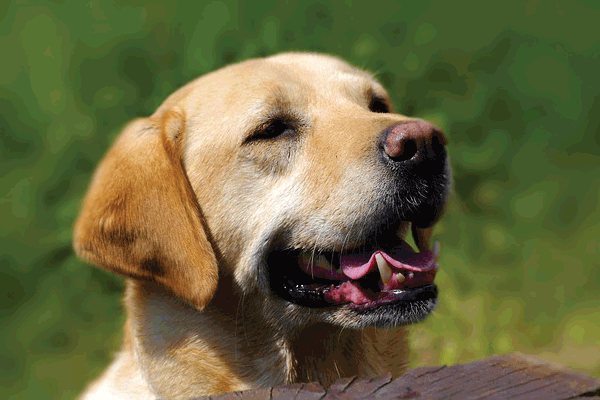
Nurturing a healthy relationship between your baby and your dog is a rewarding journey that requires preparation, patience, and consistent effort. It’s about creating a safe, positive, and harmonious environment for everyone involved, allowing your dog and baby to grow into companions. This guide will provide comprehensive and detailed information to help you achieve this.
I. Pre-Baby Preparation: Laying the Foundation
The groundwork for a successful relationship is laid long before your baby arrives.
A. Understanding Your Dog’s Temperament and Breed Tendencies:
- Individual Personality: Is your dog naturally gentle, anxious, boisterous, or territorial? Observe their interactions with children (if possible) and their general demeanor.
- Breed Predispositions: While not definitive, some breeds are historically known for their affinity with children (e.g., Labrador Retrievers, Golden Retrievers, Beagles), while others might require more careful management due to prey drive or guarding instincts (e.g., some terriers, herding breeds).
- Past Experiences: Has your dog had positive or negative experiences with babies or young children? This can significantly influence their future reactions.
- Health and Well-being: Ensure your dog is healthy and free from pain, as discomfort can lead to irritability and aggression. Regular veterinary check-ups are crucial.
B. Establishing Rules and Boundaries:
- “No” Command: Teach your dog a reliable “no” command for unwanted behaviors, especially those involving jumping, mouthing, or possessiveness.
- Place/Crate Training: Train your dog to go to a designated “place” (a mat, bed, or crate) and stay there on command. This will be invaluable for creating a safe zone for them when the baby needs quiet or rest.
- Resource Guarding Prevention: Address any signs of resource guarding (food, toys, people) proactively. This might involve desensitization and counter-conditioning exercises with professional guidance.
- Leash Manners: Ensure your dog walks well on a leash, as you’ll likely be managing them on a leash more often with a baby in tow.
- No Jumping on Furniture (or specific furniture): Decide whether your dog will be allowed on furniture and establish clear rules. This is especially important if you want to reserve certain spaces for the baby.
C. Socialization and Exposure:
- Positive Exposure to Baby Gear: Let your dog investigate baby items (stroller, crib, car seat) while they are not in use. Associate these items with positive reinforcement (treats, praise).
- Familiar Scents: Once the baby is born, bring home a blanket or item of clothing that smells like the baby before your dog meets them. This allows for a gradual scent introduction.
- Sound Desensitization: If possible, expose your dog to baby-related sounds (crying, cooing) at a low volume, gradually increasing it while providing treats and praise.
- Controlled Encounters with Children (if applicable): If your dog hasn’t had much positive exposure to children, seek out controlled, supervised interactions with well-behaved children to build positive associations.
D. Health and Hygiene:
- Vaccinations and Parasite Control: Ensure your dog is up-to-date on all vaccinations and parasite prevention (fleas, ticks, worms) to protect both the dog and the baby from potential zoonotic diseases.
- Grooming: Regular grooming is important. Nails should be kept short to prevent accidental scratches.
II. During Pregnancy: Maintaining Routine and Introducing New Concepts
Your dog will sense the changes in your household as your pregnancy progresses. Maintaining consistency and introducing new ideas will ease the transition.
A. Reinforcing Training and Rules:
- Consistency is Key: Continue to enforce existing rules and training. Avoid letting things slide because you’re tired or feeling unwell.
- Practice “Place” and “Stay”: Regularly practice these commands, rewarding calm behavior.
- Leash Walking Practice: Continue practicing loose-leash walking, as your ability to manage your dog on walks might change.
B. Adjusting Routines (Gradually):
- Feeding and Potty Breaks: Begin subtly adjusting feeding and potty break times to align with what they might be like with a newborn.
- Exercise Levels: If your dog’s exercise needs are high, start incorporating more independent play or enlist the help of family/friends to maintain their routine. This prepares them for times when you might not be able to provide as much active engagement.
C. Introducing Baby-Related Stimuli:
- Stroller Practice: Take your dog on walks with the stroller (unoccupied) to get them accustomed to its presence and movement.
- Crying Sound Recordings: Play recordings of baby cries at a low volume during calm periods, pairing them with treats and praise. Gradually increase the volume.
- Doll Practice: If you use a doll for practice, walk around with it, hold it, and let your dog observe from a distance.
III. The Arrival of the Baby: First Introductions and Ongoing Management
This is a critical phase where careful management and positive associations are paramount.
A. The First Meeting:
- Controlled and Calm: The very first meeting should be structured and calm.
- Separate Entrances: Have your partner bring the baby into the house while you greet the dog outside, or vice versa. This separates the initial overwhelming stimuli.
- Focus on Scent: Allow the dog to sniff a blanket or piece of clothing that smells of the baby.
- Calm Greeting for the Dog: Greet your dog calmly and neutrally. Don’t overwhelm them with attention, as this can create anxiety.
- Supervised Observation: Once the initial introductions are made, allow the dog to observe the baby from a safe distance while the baby is in their bassinet or being held by a calm adult. Reward the dog for calm, non-intrusive behavior.
- Avoid Direct Licking or Nuzzling: Do not allow your dog to lick the baby’s face or hands, especially in the early days.
B. Establishing Safe Zones and Boundaries:
- Baby’s Nursery: Make the nursery a dog-free zone, especially when the baby is sleeping. Use baby gates or close doors.
- Dog’s Safe Haven: Ensure your dog has a comfortable and quiet space (their bed, crate) where they can retreat and feel secure. Never disturb them in their safe space.
- Supervised Interaction: All interactions between the dog and baby must be supervised, especially in the early months.
C. Managing Interactions:
- One-On-One Time with the Dog: It’s crucial to dedicate individual time to your dog, even if it’s just a few minutes of focused play or petting. This reassures them of their importance and prevents them from feeling neglected.
- Positive Reinforcement: Reward calm, gentle behavior around the baby with high-value treats and praise.
- “Place” Command During Feeding/Diaper Changes: Use the “place” command to send your dog to their designated spot during feeding times or diaper changes. This prevents them from hovering or trying to get attention at inappropriate moments.
- Baby-Led Interaction: Allow the baby (as they grow) to interact with the dog in a way that is initiated by the baby, under strict supervision. This might involve gently petting the dog’s back.
- Teach Gentle Touch: As your baby becomes mobile, actively teach them how to interact gently with the dog. Redirect rough handling and reward gentle strokes.
D. Understanding Dog Body Language:
- Recognize Stress Signals: Learn to identify signs of stress in your dog, such as lip licking, yawning, whale eye (showing the whites of their eyes), stiffening, panting, or tucked tail. If you see these, redirect your dog or give them space.
- Avoid Forcing Interaction: Never force your dog to interact with the baby if they are showing signs of discomfort.
IV. As the Baby Grows: Ongoing Guidance and Reinforcement
As your baby becomes more mobile, their interactions with the dog will evolve, requiring continued vigilance and training.
A. Teaching the Baby About the Dog:
- Gentle Touch: Continue to model and reinforce gentle petting. Explain that dogs have feelings and need to be treated with kindness.
- Respecting Space: Teach your baby to recognize when the dog wants to be left alone (e.g., when they are sleeping or in their crate).
- No Pulling Tails or Ears: Firmly and consistently correct any behavior that pulls, pokes, or is otherwise rough with the dog.
- Sharing Toys (with caution): Teach your baby that certain toys belong to the dog and are not to be taken.
B. Continued Dog Training and Management:
- Reinforce Good Behavior: Continue rewarding your dog for calm and appropriate interactions.
- Exercise and Mental Stimulation: Ensure your dog receives adequate physical and mental exercise. A tired dog is a well-behaved dog.
- Manage Potential Triggers: Be aware of situations that might trigger your dog, such as the baby crawling towards their food bowl. Intervene and redirect before issues arise.
- “Leave It” Command: This command is essential for teaching your dog to ignore dropped food or baby items that might be tempting.
C. Creating Positive Shared Experiences:
- Walks Together: As the baby can sit comfortably in a stroller or carrier, go on walks together as a family.
- Relaxing Time: Encourage calm, shared relaxation time where everyone is comfortable.
- Playtime (Supervised): When appropriate, allow supervised, gentle play between the baby and dog.
V. Potential Challenges and When to Seek Professional Help
Despite your best efforts, challenges may arise. It’s important to address them promptly.
A. Signs of Potential Problems:
- Persistent Growling, Snapping, or Biting: Any aggressive behavior towards the baby is a serious concern.
- Extreme Fear or Anxiety: If your dog is constantly fearful or anxious in the baby’s presence.
- Hiding or Isolation: If your dog is actively avoiding the baby and showing signs of significant stress.
- Resource Guarding: Any guarding behavior around the baby or baby-related items.
B. When to Consult Professionals:
- Veterinarian: Rule out any underlying medical conditions that might be contributing to behavioral changes.
- Certified Professional Dog Trainer (CPDT-KA or CPDT-KSA): For guidance on training, behavior modification, and socialization techniques.
- Veterinary Behaviorist (DACVB): For complex behavioral issues, aggression, or severe anxiety.
VI. Key Principles for Success:
- Patience: Building a strong bond takes time. Don’t expect overnight results.
- Consistency: All family members must be on the same page regarding rules and training.
- Positive Reinforcement: Focus on rewarding desired behaviors.
- Supervision: Never leave your baby and dog unsupervised, especially in the early years.
- Realistic Expectations: Understand your dog’s individual personality and breed tendencies.
- Prioritize Safety: The safety of your baby is paramount.
By implementing these comprehensive strategies, you can foster a loving, respectful, and safe relationship between your baby and your dog, creating a beautiful and lasting bond for your family.
=========================
#BabyAndDog, #DogTraining, #NewbornTips, #FamilyDog, #PetSafety, #PreparingForBaby, #DogOwners, #ParentingHacks, #LifeWithDogs, #FurrySibling, #DogsofInstagram, #ResponsiblePetOwner, #HealthyBond, #GentleIntroduction, #NewParentLife, #Coexistence, #BabyPrep







Add comment