
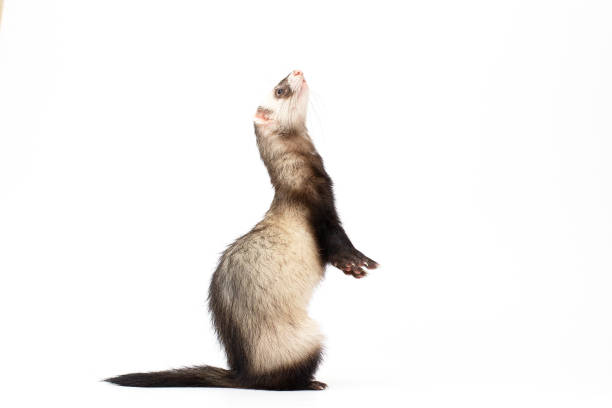
Ferrets (Mustela putorius furo) are obligate carnivores with specific nutritional needs that must be strictly met to ensure their health and longevity. Unlike omnivorous pets such as dogs or cats, ferrets require a diet rich in animal protein and fat, with minimal carbohydrates and fiber. Failure to meet these dietary requirements can lead to severe health complications, including vitamin and mineral deficiencies, poor growth, and even life-threatening conditions. This guide provides an in-depth exploration of ferret nutrition, common dietary deficiencies, their underlying causes, clinical signs, diagnosis, treatment protocols, prognosis, prevention strategies, and zoonotic risks. Whether you’re a new ferret owner or a seasoned caretaker, this comprehensive resource will help you provide optimal care for your ferret.
1. Nutritional Requirements of Ferrets
Ferrets have evolved to thrive on diets similar to their wild ancestors, which primarily consist of small prey such as rodents, birds, and insects. Their digestive systems are short (20–30 cm long), adapted to process high-protein, high-fat foods efficiently. Understanding their nutritional requirements is essential for maintaining their health and preventing metabolic disorders.
1.1 Macronutrient Needs
Ferrets require the following macronutrient balance in their diet:
- Protein: 30–36% of calories (calculated by metabolizable energy, not dry matter basis). Animal-based proteins (e.g., poultry, fish, organ meats) are ideal sources.
- Fat: 12–14% of calories. Fats provide essential fatty acids and energy. Avoid plant-based oils; animal fats (e.g., chicken fat, pork lard) are preferred.
- Carbohydrates: Ferrets lack the necessary enzymes to digest carbohydrates efficiently. Their diet should contain less than 3% carbohydrates.
- Fiber: Ferrets cannot process fiber effectively. Their diet should contain less than 1% fiber.
1.2 Micronutrient Requirements
Micronutrients are vital for metabolic processes, immune function, and cellular health. Key micronutrients for ferrets include:
- Vitamin A: Essential for vision, skin health, and immune function. Found in organ meats (e.g., liver).
- Taurine: A critical amino acid for heart function, vision, and reproduction. Ferrets cannot synthesize taurine adequately and must obtain it from their diet (found in muscle meats and fish).
- Vitamin B Complex: Includes thiamine (B1), B12, and niacin. Deficiencies can lead to neurological issues. Found in organ meats and eggs.
- Vitamin E: An antioxidant that protects cells from oxidative damage. Found in green leafy vegetables (in small quantities) and nuts (avoid with ferrets).
- Calcium and Phosphorus: Must be balanced in a ratio of 2:1 to 1:1 to prevent metabolic bone disease. Found in bone-in meat or calcium supplements.
- Iron and Zinc: Essential for blood formation and immune function. Found in organ meats and whole eggs.
1.3 Water Needs
Ferrets should have constant access to clean, fresh water. While they obtain some hydration from their food (especially raw diets), sufficient water intake is critical to prevent dehydration and urinary tract issues.
2. Common Dietary Deficiencies in Ferrets
Improper diets are a leading cause of health problems in ferrets. Here are the most common dietary deficiencies and their associated risks:
2.1 Protein Deficiency
Causes: Low-protein diets, over-reliance on fruits, vegetables, or low-quality commercial foods.
Effects: Poor growth, muscle wasting, lethargy, and a weakened immune system.
Common Scenarios: Feeding ferrets with diets designed for herbivores (e.g., rabbit food) or high-carbohydrate foods like grains or fruits.
2.2 Taurine Deficiency
Causes: Lack of taurine in the diet (e.g., vegetarian or raw fish diets without supplementation).
Effects: Sudden vision loss (retinal degeneration), heart disease (hypertrophic cardiomyopathy), and reproductive failure.
Critical Note: Ferrets cannot synthesize taurine efficiently and must obtain it from animal sources like muscle meat, eggs, and fish.
2.3 Fat Deficiency
Causes: Low-fat diets, such as those designed for “low-fat” dog foods or excessive restriction of fat.
Effects: Poor coat condition, dry skin, and energy deficiency.
Prevention: Ensure fat content is in the 12–14% range, derived from animal-based sources.
2.4 Vitamin A Deficiency
Causes: Lack of organ meats (e.g., liver) in the diet.
Effects: Blindness, sunken eyes, skin lesions, and impaired immune function.
Note: Overuse of organ meats (e.g., more than 5% of the diet) can lead to Vitamin A toxicity.
2.5 B-Vitamin Deficiency
Causes: Diets lacking organ meats or fermented foods.
Effects: Neurological symptoms (ataxia, seizures), poor appetite, and anemia.
Common Culprits: Overcooked or processed diets that destroy heat-sensitive B-vitamins.
2.6 Calcium and Phosphorus Imbalance
Causes: Excessive fiber, calcium-deficient diets, or improper supplementation.
Effects: Metabolic bone disease (e.g., rickets, osteoporosis), seizures, and joint pain.
Solution: Ensure a calcium-to-phosphorus ratio of 2:1 to 1:1 using bone-in meat or calcium supplements.
3. Signs and Symptoms of Nutritional Deficiencies
Recognizing the signs of dietary deficiencies early is crucial for prompt intervention. Common clinical signs include:
3.1 General Symptoms
- Lethargy and weakness
- Poor growth in juveniles
- Weight loss or failure to thrive
- Dull coat and brittle hair
- Poor wound healing and skin issues
- Loss of coordination or seizures (neurological signs)
3.2 Specific Deficiency Symptoms
| Deficiency | Key Signs |
|---|---|
| Protein | Muscle atrophy, poor appetite, immunosuppression |
| Taurine | Sudden blindness, heart murmur, reproductive failure |
| Fat | Dry, flaky skin, poor energy levels |
| Vitamin A | Sunken eyes, corneal ulcers, respiratory infections |
| B-Vitamins | Neurological deficits (e.g., seizures), anemia |
| Calcium | Bone deformities, limping, seizures |
4. Diagnosis of Dietary Deficiencies
A veterinary examination is essential to diagnose nutritional deficiencies. Diagnostic tools include:
4.1 Physical Examination
- Assessing coat condition, body weight, and neurological function.
- Checking for signs of vision loss (e.g., retinal atrophy) with an ophthalmoscope.
4.2 Laboratory Tests
- Blood work: Complete blood count (CBC), biochemistry profile, and taurine levels.
- Urine analysis: Evaluating calcium excretion in cases of metabolic bone disease.
- Imaging: X-rays to detect bone density loss or organ abnormalities.
4.3 Dietary Evaluation
- Reviewing feeding history, diet composition, and feeding frequency.
- Identifying inappropriate foods (e.g., high-carb treats, lack of animal protein).
5. Treatment of Nutritional Deficiencies
Treatment depends on the specific deficiency and severity of symptoms. Consult a veterinarian before initiating supplementation.
5.1 Protein Deficiency
- Switch to a high-quality, carnivore-formulated ferret diet (e.g., Harrison’s Ferret Food or homemade recipes).
- Avoid carb-heavy foods (e.g., fruits, vegetables).
5.2 Taurine Deficiency
- Administer taurine supplementation under veterinary guidance (commonly 100–200 mg/day).
- Incorporate taurine-rich foods like muscle meat, eggs, and fish into the diet.
5.3 Fat Deficiency
- Add animal-based fats (e.g., chicken fat or pork lard) to the diet.
- Avoid plant oils (e.g., corn oil) which can cause digestive upset.
5.4 Vitamin A Deficiency
- Provide organ meat (e.g., chicken liver) in moderation (no more than 5% of the diet).
- Avoid preformed Vitamin A supplements unless directed by a vet to prevent toxicity.
5.5 B-Vitamin Deficiency
- Administer a B-complex supplement during recovery.
- Include organ meats and fermented foods (e.g., raw eggs, organ meat broths).
5.6 Calcium and Phosphorus Imbalance
- Use calcium carbonate or dicalcium phosphate supplements at a 2:1 ratio.
- Feed bone-in meat (e.g., chicken necks, small bones) for natural calcium intake.
5.7 Supportive Care
- Provide a stress-free environment and monitor for secondary complications (e.g., infections).
- Ensure adequate water intake to support recovery.
6. Prognosis and Complications
6.1 Prognosis
- Early detection and treatment result in a favorable prognosis for most deficiencies.
- Delayed intervention (e.g., taurine deficiency in elderly ferrets) can lead to irreversible damage (e.g., permanent blindness or heart failure).
6.2 Complications
- Metabolic bone disease: Leads to fractures and mobility issues.
- Heart failure: Secondary to taurine deficiency.
- Neurological deficits: Permanent brain or nerve damage from B-vitamin deficiencies.
- Reproductive failure: Poor fertility or embryonic resorption in breeding females.
7. Prevention Strategies
Preventing dietary deficiencies is critical for lifelong health. Implement these strategies:
7.1 Choose the Right Diet
- Commercial ferret food: Opt for high-protein, low-carb, carnivore-formulated pellets (e.g., Harrison’s, Oxbow).
- Homemade diets: Use a balanced recipe including muscle meat (e.g., chicken, turkey), eggs, and bone-in meat.
7.2 Avoid Inappropriate Foods
- No fruits, vegetables, or grains: Carbohydrates can cause insulinomas and digestive distress.
- No raw meat from high-risk sources: Avoid undercooked poultry or unpasteurized dairy to reduce bacterial risk.
7.3 Regular Veterinary Checkups
- Schedule annual physical exams and blood tests to monitor nutrient levels.
- Adjust diet as needed for age-related changes (e.g., senior ferrets may require more taurine).
7.4 Monitor Weight and Body Condition
- Underweight or overweight ferrets may indicate inadequate intake or overfeeding.
8. Zoonotic Risks in Ferrets
While ferrets are generally clean pets, their dietary habits and environment can pose zoonotic risks to humans. Common zoonotic agents include:
8.1 Bacterial Infections
- Salmonella: Transmitted via contaminated raw meat. Symptoms in humans include fever, diarrhea, and abdominal cramps.
- Toxoplasma gondii: Found in cat feces or undercooked meat. Immunosuppressed individuals are at higher risk.
8.2 Parasites
- Roundworms (Toxocara mystax): Larvae can migrate to human organs, causing visceral larva migrans.
- Lice and mites: Rare but possible if ferrets are not properly groomed.
8.3 Hygiene and Preventive Measures
- Wash hands thoroughly after handling ferrets or their food.
- Avoid feeding raw meat to ferrets with compromised immune systems or young cubs.
- Keep the ferret’s enclosure clean to reduce pathogen load.
9. Ferret Diet and Nutrition Tips
9.1 Commercial vs. Homemade Diets
- Commercial diets: Convenient but ensure the label reads “complete and balanced for ferrets.”
- Homemade diets: Require careful calculation of protein, fat, and micronutrient content.
9.2 Feeding Frequency
- Ad libitum feeding: Ferrets have small stomachs and eat frequently (5–6 meals/day).
- Avoid overfeeding: Obesity increases insulinoma risk.
9.3 Treats and Supplements
- Treats should be no more than 10% of the diet. Use meat-based options (e.g., cooked chicken pieces).
- Avoid high-carb treats like sweets or commercial “pet” treats.
9.4 Water Intake
- Provide a water bottle or bowl daily. Ferrets may prefer running water (e.g., a pet fountain).
10. Case Studies and Real-World Examples
Case 1: Taurine Deficiency in an Adult Ferret
Meg, a 3-year-old ferret, presented with sudden blindness and lethargy. A blood test revealed critically low taurine levels. After a 3-month taurine supplementation regimen and dietary adjustments, Meg’s vision partially recovered, but mild retinal damage remained.
Case 2: Metabolic Bone Disease in a Juvenile Ferret
Coco, a 6-month-old ferret, was diagnosed with rickets after failing to grow. X-rays showed thin bones, and blood tests confirmed calcium deficiency. A calcium and phosphorus supplement, along with bone-in meat in her diet, resolved the issue within 2 months.
11. Conclusion
Ferrets have unique nutritional needs that demand careful attention to detail. By understanding the causes, signs, and solutions for common dietary deficiencies, owners can avoid costly health problems and ensure their pets thrive. Always consult a veterinarian for personalized advice and monitor your ferret’s health regularly. With the right diet and preventive care, your ferret can enjoy a long, happy life.
#FerretNutrition, #FerretCare, #FerretHealth, #FerretDiet, #PetNutrition, #FerretFeeding, #FerretVetCare, #TaurineDeficiency, #FerretObesity, #FerretSupplements, #FerretDiseases, #FerretWater, #FerretGrooming, #FerretTreats, #FerretFood, #FerretOwners, #FerretEducation, #FerretLife, #FerretBabies, #FerretWellness, #FerretVet, #FerretDietTips, #FerretFeedingSchedule, #FerretHealthTips, #FerretNutritionGuide, #FerretVeterinary, #FerretLifeHacks, #FerretPetCare, #FerretFoodReview, #FerretDietPlan, #FerretHealthCheck, #FerretNutritionFacts, #FerretDietReview, #FerretLifestyle, #FerretDietaryNeeds, #FerretDive, #FerretAdorable, #FerretDietChat, #FerretDietMyths, #FerretDietScience, #FerretDietExpert, #FerretDietGuide, #FerretDietInfo, #FerretDietTruths, #FerretDietPro, #FerretDietAd, #FerretDietLife



Add comment