
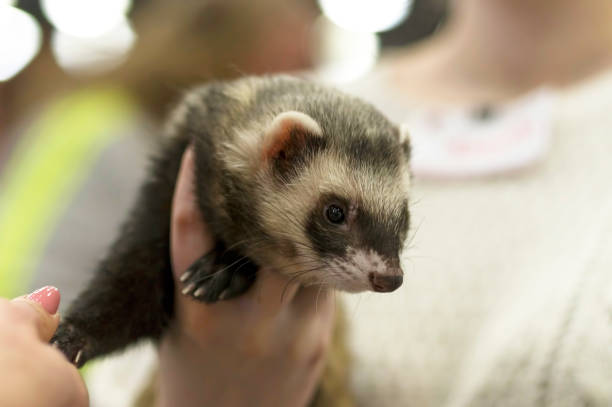
Nutritional Secondary Hyperparathyroidism (NSHP), also commonly referred to as Metabolic Bone Disease (MBD) in ferrets, is a debilitating and potentially life-threatening condition caused primarily by an imbalanced diet lacking adequate calcium and vitamin D, while excessively high in phosphorus. Although ferrets are obligate carnivores with a unique metabolic and digestive system, they are increasingly susceptible to nutritional disorders when fed inappropriate diets—especially raw, homemade, or commercial foods not specifically formulated for their needs.
NSHP is not exclusive to ferrets and is seen in various exotic species such as reptiles, birds, and even cats and dogs. However, in ferrets, the disease manifests rapidly and destructively due to their high metabolic rate, rapid growth in juveniles, and specific dietary requirements. This comprehensive guide explores the pathophysiology, causes, clinical signs, diagnosis, treatment, prognosis, complications, prevention, dietary management, and associated risks—including zoonotic potential—of NSHP in ferrets.
Understanding Nutritional Secondary Hyperparathyroidism
To fully grasp NSHP, it’s essential to understand normal calcium-phosphorus homeostasis and the role of parathyroid hormone (PTH), vitamin D, and calcitonin.
In a healthy ferret:
- Calcium and phosphorus are tightly regulated in the blood.
- The parathyroid glands, located in the neck near the thyroid glands, monitor blood calcium levels.
- When blood calcium drops (hypocalcemia), the parathyroid glands secrete parathyroid hormone (PTH).
- PTH acts to:
- Increase calcium reabsorption in the kidneys.
- Stimulate bone resorption to release calcium into the bloodstream.
- Enhance activation of vitamin D in the kidneys, promoting intestinal calcium absorption.
- Vitamin D (cholecalciferol) is critical for intestinal calcium absorption. It is obtained from diet and synthesized in the skin upon exposure to sunlight (though ferrets spend little time outdoors).
When dietary intake of calcium is insufficient or the calcium-to-phosphorus ratio is skewed (especially high phosphorus), blood calcium levels fall. This disrupts normal balance and triggers chronic overproduction of PTH—hence the term secondary hyperparathyroidism (“secondary” because it’s caused by a non-parathyroid-related trigger, not a parathyroid tumor).
Over time, persistent high PTH leads to excessive demineralization of bones, weakening the skeletal structure, resulting in deformities, fractures, and neuromuscular issues. This condition is NSHP.
In ferrets, NSHP is almost always nutritional in origin, making it entirely preventable with proper diet and care.
Causes of NSHP in Ferrets
The primary cause of NSHP in ferrets is a long-term imbalanced diet, particularly one that is:
- Deficient in calcium
- Excessive in phosphorus
- Lacking in vitamin D
- Inappropriately formulated for a carnivore’s needs
1. Improper Raw Diets
Many ferret owners believe a “raw” or “natural” diet is best and may feed whole prey or homemade raw blends without proper nutritional analysis. However, common raw diet mistakes include:
- Feeding only muscle meat (e.g., chicken breast, ground beef), which is high in phosphorus and extremely low in calcium.
- Not including bone, which is a natural source of calcium.
- Feeding diets with inappropriate calcium-to-phosphorus (Ca:P) ratios.
The ideal Ca:P ratio for ferrets is approximately 1.5:1 to 2:1. Muscle meat alone may have a Ca:P ratio as low as 1:10, leading to severe calcium deficiency even if the ferret eats plenty.
2. Inadequate Commercial Diets
While many commercial ferret foods claim to be “complete,” some are:
- Formulated with plant-based fillers (e.g., corn, soy, grains), which are indigestible and contribute to phosphorus load.
- Not species-appropriate—some are labeled for ferrets but are more suitable for cats or even minks.
- Poorly balanced in minerals or lacking sufficient vitamin D.
Moreover, improperly stored or expired commercial foods may lose vitamin D content over time, increasing risk.
3. Excessive Phosphorus Load
High phosphorus intake—independent of calcium levels—can suppress calcium absorption and stimulate PTH release. Sources include:
- Organ meats (especially kidney and heart) fed in excess.
- Processed meats (e.g., lunch meats, hot dogs), which often contain phosphorus-based preservatives.
- Diets high in dairy (which ferrets cannot digest well) or plant-based foods.
4. Vitamin D Deficiency
Ferrets, especially indoor pets, do not synthesize vitamin D efficiently through sunlight exposure due to their fur coverage and nocturnal lifestyle. Without dietary vitamin D3 (cholecalciferol), intestinal calcium absorption is impaired.
Diets lacking in vitamin D or containing insufficient levels—especially homemade diets not supplemented correctly—contribute significantly to NSHP.
5. Juvenile and Growing Ferrets at Higher Risk
Young ferrets (kits) have rapidly growing bones and require higher calcium and vitamin D. Feeding an inappropriate diet during this critical developmental stage can quickly lead to NSHP.
6. Other Contributing Factors
- Chronic renal disease (rare in young ferrets but possible in seniors) can impair vitamin D activation and disrupt mineral balance.
- Gastrointestinal malabsorption, though rare, may hinder nutrient uptake.
- Poor husbandry and lack of veterinary oversight often allow dietary imbalances to go unnoticed until symptoms appear.
Signs and Symptoms of NSHP
NSHP progresses slowly but insidiously. Early signs are subtle and may be mistaken for normal aging or behavioral quirks. As the disease advances, symptoms become severe and debilitating.
Early Signs (Subclinical Stage)
- Lethargy or decreased activity
- Reduced appetite
- Poor coat condition (dull, dry fur)
- Occasional mild lameness or stiffness
Moderate to Advanced Signs
- Musculoskeletal Deformities:
- Swollen or tender limbs
- Bowed legs
- Abnormal gait (waddling, limping)
- Spinal curvatures (kyphosis or scoliosis)
- Fractures:
- Spontaneous or minimal-trauma fractures, especially in limbs, spine, or jaw
- Pathological fractures that heal poorly
- Neuromuscular Symptoms:
- Muscle weakness or tremors
- Hind limb paresis or paralysis
- Reluctance to jump or climb
- Pain upon handling
- Dental and Oral Issues:
- Loose teeth
- Deformed jaw bones (gnawing difficulty)
- Poor tooth alignment
- Generalized Debilitation:
- Weight loss
- Poor growth in kits
- Compromised immune function
- Secondary infections
Pain and Quality of Life
Ferrets are stoic animals and rarely vocalize pain. As such, owners may not recognize suffering until the disease is advanced. Chronic pain from bone resorption and fractures significantly diminishes quality of life.
Diagnosis of NSHP
Diagnosing NSHP involves a combination of history, clinical examination, laboratory tests, and imaging.
1. Patient History
A detailed dietary history is crucial. Veterinarians will inquire about:
- Type of diet (commercial, raw, homemade)
- Frequency and sources of calcium and phosphorus
- Whether bones or supplements are included
- Brand and formulation of commercial food
- Duration of current feeding regimen
2. Physical Examination
The vet will assess:
- Body condition and weight
- Skeletal deformities
- Joint mobility
- Muscle mass and tone
- Signs of pain or discomfort
3. Blood Tests**
Laboratory diagnostics are essential to confirm NSHP:
- Serum Calcium: Often low (hypocalcemia), though levels may be normal or even high in later stages due to bone resorption.
- Serum Phosphorus: Typically elevated (hyperphosphatemia).
- Calcium-to-Phosphorus Ratio: Significantly decreased (e.g., 0.4:1 instead of 1.5:1).
- Parathyroid Hormone (PTH): Elevated levels confirm secondary hyperparathyroidism. While not routinely tested in all clinics, it is definitive when available.
- Vitamin D (25-OH-D3): Low levels support nutritional deficiency.
- Alkaline Phosphatase (ALP): Elevated due to increased bone turnover.
4. Radiographic Imaging (X-rays)**
X-rays are highly informative:
- Reduced Bone Density (osteopenia): Bones appear thin and translucent.
- Bone Deformities: Curved or fractured limbs, vertebral abnormalities.
- Pathological Fractures: Breaks occurring with minimal trauma.
- Periosteal Reaction: Signs of bone remodeling or healing.
- Dental Issues: Resorption or deformities in jaw bones.
X-rays are often the most visual and convincing diagnostic tool, showing dramatic changes in advanced cases.
5. Differential Diagnosis**
Other conditions to rule out include:
- Primary hyperparathyroidism (rare, due to parathyroid tumor)
- Renal secondary hyperparathyroidism
- Osteosarcoma or other bone tumors
- Nutritional deficiencies (e.g., vitamin A toxicity, which can cause bone changes)
- Infectious or inflammatory joint disease
Treatment of NSHP
Treatment aims to correct the underlying cause, alleviate symptoms, support bone healing, and improve quality of life. While NSHP is reversible in early stages, advanced cases may result in permanent damage.
1. Correct the Diet Immediately
- Switch to a high-quality, species-appropriate commercial ferret diet with balanced calcium and phosphorus (Ca:P ratio of 1.5:1 to 2:1).
- If feeding raw, ensure inclusion of edible bones (e.g., whole prey, bone-in meat). Common options include:
- Whole baby chicks
- Ground raw bones (in proper ratios)
- Bone-in quail or mice (for smaller ferrets)
- Avoid phosphorus-rich organs and muscle-only diets.
- Limit or discontinue inappropriate supplements.
2. Calcium Supplementation**
Oral calcium supplements are often necessary:
- Calcium gluconate or calcium carbonate are common forms.
- Dose: Typically 50–100 mg/kg orally every 12 hours, but must be determined by a veterinarian.
- Avoid calcium supplements with vitamin D unless directed, as excess can be toxic.
- Do not use cuttlebone or mineral blocks—ferrets cannot consume them effectively.
3. Vitamin D Supplementation**
- Vitamin D3 (cholecalciferol) supplementation may be administered orally or via injection.
- Dose varies: Usually 50–100 IU/kg daily or as a single injectable dose under vet supervision.
- Blood levels should be monitored to avoid toxicity (hypervitaminosis D), which can cause hypercalcemia and organ damage.
4. Pain Management**
- Non-steroidal anti-inflammatory drugs (NSAIDs) such as meloxicam may be prescribed for pain and inflammation.
- Opioids (e.g., buprenorphine) in severe cases.
- Environmental modifications to reduce discomfort (soft bedding, low platforms, easy access to food/water/litter).
5. Fracture Management**
- Immobilization with splints or casts if possible.
- Surgical intervention (pins, plates) may be considered but is high-risk in small, fragile patients.
- Cage rest and limited activity during healing.
6. Supportive Care**
- Provide a warm, quiet, stress-free environment.
- Hand-feeding or assisted feeding if the ferret is too weak to eat.
- Hydration support (subcutaneous fluids if dehydrated).
7. Monitoring and Follow-Up**
- Recheck bloodwork every 4–6 weeks to monitor calcium, phosphorus, and PTH.
- Repeat radiographs in 6–12 weeks to assess bone healing.
- Adjust diet and supplements as needed based on response.
Prognosis and Complications
Prognosis
- Excellent in early stages with prompt diagnosis and correction of diet.
- Good to guarded in moderate cases, depending on duration and severity of bone changes.
- Poor in advanced cases with multiple fractures, spinal involvement, or hind limb paralysis.
Recovery can take weeks to months. Kits often respond better due to their high bone turnover and growth potential.
Complications
- Permanent Deformities: Bowing of limbs, spinal curvatures may not resolve.
- Chronic Pain: From malunited fractures or arthritis.
- Mobility Issues: Paralysis, weakness, or reluctance to move.
- Secondary Infections: Due to immobility or poor immune function.
- Inappetence and Weight Loss: Leading to cachexia.
- Cardiac and Renal Damage: From chronic mineral imbalances or vitamin D toxicity.
- Euthanasia: In severe, non-responsive cases due to poor quality of life.
Prevention of NSHP
Prevention is far more effective and humane than treatment. NSHP is entirely preventable through proper nutrition and husbandry.
1. Feed a Species-Appropriate Diet
- Use commercial ferret foods that are high in animal protein (>35%), moderate in fat (15–20%), low in fiber (<3%), and balanced in minerals.
- Recommended brands (as per veterinary nutritionists): Wysong Ferret Epigen 90, Totally Ferret, Mazuri Ferret Diet.
- Avoid cat foods—even high-protein ones—as they are not formulated for ferrets’ unique needs.
2. Raw Feeding Safely
If feeding raw:
- Follow a whole prey model or balanced raw diet (BARF) specific to ferrets.
- Ensure bones are included (e.g., 60–70% muscle meat, 10–15% bone, 10% organs, 5% secreting organs like liver).
- Use commercially available, pre-balanced raw ferret diets when possible.
- Supplement appropriately—only if necessary and under veterinary guidance.
3. Maintain Proper Calcium-to-Phosphorus Ratio
- Target Ca:P ratio: 1.5:1 to 2:1.
- Avoid feeding high-phosphate foods (e.g., organ meats, dairy, plant matter) in excess.
4. Provide Vitamin D
- Commercial diets should contain adequate vitamin D3.
- For raw-fed ferrets, consult a vet about safe supplementation.
- Do not rely on sunlight—ferrets cannot synthesize enough vitamin D from UV exposure alone.
5. Regular Veterinary Check-Ups
- Annual (or biannual) wellness exams.
- Blood screening for calcium, phosphorus, and vitamin D if on raw or homemade diets.
- Monitor growth in kits.
6. Educate Owners
- Many ferret owners are unaware of NSHP risks.
- Educate on proper diet, signs of illness, and importance of veterinary care.
- Share resources from reputable sources (e.g., ferret associations, veterinary nutritionists).
Diet and Nutrition: The Core of Prevention
Ferrets are obligate carnivores with a short gastrointestinal tract (3–4 hours transit time), meaning they require:
- High animal protein (30–40%) from meat sources (chicken, turkey, beef, lamb).
- Moderate fat (15–20%) for energy.
- Minimal fiber (<3%)—ferrets cannot digest cellulose.
- No carbohydrates or sugars—linked to insulinoma.
- Balanced minerals, especially calcium and phosphorus.
- Essential amino acids like taurine (important for heart health).
Recommended Nutrient Profile (AAFCO or FEDIAF guidelines adapted for ferrets)
- Protein: 34–40%
- Fat: 18–22%
- Fiber: <3%
- Moisture: <10% (dry food)
- Calcium: 0.9–1.2%
- Phosphorus: 0.7–0.8%
- Calcium:Phosphorus: 1.5:1
Best Food Practices
- Feed high-quality kibble designed for ferrets.
- Offer fresh water at all times.
- Avoid treats high in sugar or plant-based ingredients.
- Use supplements only as directed—over-supplementation is dangerous.
Sample Daily Diet (Adult Ferret):
- 1/4 to 1/2 cup premium ferret kibble (divided into 3–4 meals)
- Optional: 1 teaspoon of raw, balanced ground meat with bone (e.g., prey model)
- Fresh water available continuously
For kits, increase food frequency and ensure nutrient density.
Zoonotic Risk
Nutritional Secondary Hyperparathyroidism (NSHP) in ferrets is not zoonotic—meaning it cannot be transmitted to humans or other animals.
However, indirect zoonotic concerns should be considered:
- Poor hygiene in a ferret’s environment (due to incontinence or immobility) may lead to bacterial contamination (e.g., Salmonella, E. coli), especially if raw meat is fed.
- Improper handling of raw diets by owners can pose foodborne illness risks.
- Secondary infections (e.g., skin, respiratory) in debilitated ferrets may harbor opportunistic pathogens.
Prevention:
- Practice good hygiene: wash hands after handling ferrets or cleaning cages.
- Properly store, prepare, and handle raw food.
- Regular veterinary exams to catch and treat infections early.
Importantly, NSHP itself poses no direct zoonotic threat, but overall health management impacts both pet and owner safety.
Conclusion
Nutritional Secondary Hyperparathyroidism is a serious but entirely preventable condition in ferrets. Rooted in dietary imbalance—particularly deficiency in calcium and vitamin D, and excess phosphorus—NSHP leads to painful bone demineralization, fractures, and neuromuscular decline. Recognizing the signs early, seeking prompt veterinary care, and implementing a species-appropriate diet are critical to recovery.
With proper nutrition, ferrets can live 6–10 years or longer in excellent health. However, feeding muscle-only raw diets, inappropriate commercial foods, or neglecting supplementation can rapidly lead to NSHP, especially in growing kits. Education, prevention, and routine veterinary oversight are key to avoiding this devastating disease.
By understanding and addressing the nutritional needs of ferrets, owners can ensure their pets remain active, playful, and healthy throughout their lives.
#FerretHealth, #FerretCare, #MetabolicBoneDisease, #NSHP, #FerretNutrition, #RawFeedingFerrets, #FerretDiet, #FerretOwner, #FerretVet, #FerretLovers, #FerretLife, #ExoticPets, #PetHealth, #FerretFractures, #CalciumDeficiency, #VitaminDInFerrets, #BoneDiseaseInFerrets, #FerretRecovery, #PreventNSHP, #FerretWellness, #FerretTips, #FerretEducation, #AnimalHealth, #FerretRescue, #FerretKits, #FerretParalysis, #FerretPain, #FerretXray, #FerretSurgery, #FerretSupplements, #FerretHygiene, #ZoonoticRisk, #FerretVetVisit, #FerretKibble, #RawDietDangers, #FerretCalcium, #FerretPhosphorus, #FerretHomeCare, #FerretRecoveryJourney, #FerretFractureCare, #FerretDiagnosis


Add comment