
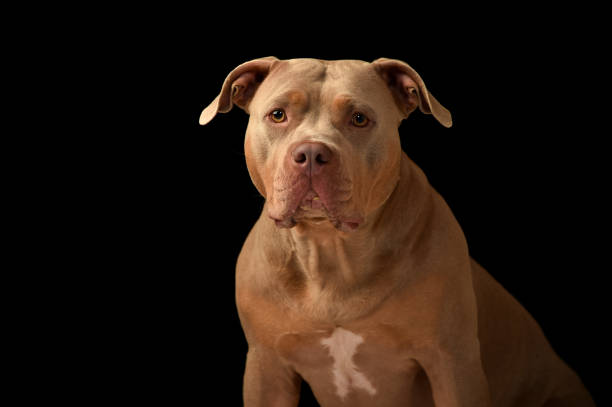
Opisthorchiasis, commonly referred to as the cat liver fluke disease, is a parasitic infection that can affect dogs, albeit less frequently than cats. Caused by flukes belonging to the Opisthorchis genus, this disease primarily targets the bile ducts and gallbladder of its host. While often associated with Southeast Asia, particularly Thailand, Laos, and Vietnam, its prevalence can extend to other regions where raw fish consumption is common. Understanding this parasitic infection is crucial for pet owners, enabling prompt diagnosis and effective management.
Causes of Opisthorchiasis in Dogs
The primary cause of opisthorchiasis in dogs is the ingestion of raw or undercooked freshwater fish that are intermediate hosts for the Opisthorchis fluke. The life cycle of these flukes is complex, involving multiple stages and hosts:
- Eggs: Adult flukes residing in the bile ducts of an infected definitive host (like a dog, cat, or human) lay eggs. These eggs are then shed in the feces.
- First Intermediate Host (Snail): When the eggs are released into freshwater environments, they are ingested by specific species of freshwater snails (e.g., Bithynia species). Within the snail, the miracidium (larval stage) hatches and undergoes further development, eventually becoming cercariae.
- Second Intermediate Host (Fish): The cercariae are released from the snail into the water and actively penetrate the skin of freshwater fish, encysting as metacercariae within the muscle tissue of the fish.
- Definitive Host (Dog): Dogs become infected when they consume raw or undercooked fish containing these viable metacercariae. Once ingested, the metacercariae excyst in the duodenum, migrate up the biliary tract, and mature into adult flukes, typically attaching to the lining of the bile ducts and gallbladder.
Crucial Factors Contributing to Infection:
- Geographic Location: Dogs in regions where Opisthorchis endemic freshwater fish are consumed are at higher risk.
- Dietary Habits: The most significant risk factor for dogs is the consumption of raw or inadequately cooked fish. This includes feeding table scraps containing raw fish, allowing dogs to scavenge for fish, or even the use of raw fish as a dietary supplement without proper preparation.
- Species of Fluke: While Opisthorchis viverrini is the most common species associated with human and feline infections in endemic areas, other Opisthorchis species may also pose a risk to dogs.
- Hygiene and Food Safety: Inadequate hygiene practices in fish preparation, both for human and pet consumption, can lead to cross-contamination and increased risk.
Signs and Symptoms of Opisthorchiasis in Dogs
The clinical signs of opisthorchiasis in dogs can vary widely depending on the intensity of the infection, the duration of the infestation, and the individual dog’s immune response. Many infected dogs may remain asymptomatic, especially with light burdens of flukes. However, as the infection progresses and the fluke burden increases, dogs can exhibit a range of symptoms related to liver and biliary dysfunction.
Common Signs and Symptoms Include:
- Gastrointestinal Disturbances:
- Vomiting: Persistent or intermittent vomiting can occur due to irritation of the stomach and intestines.
- Diarrhea: Loose stools, sometimes watery or containing mucus, can be a sign of inflammation in the digestive tract.
- Loss of Appetite and Anorexia: Infected dogs may show a reduced interest in food or refuse to eat altogether, leading to weight loss.
- Abdominal Pain: Dogs might exhibit signs of discomfort when their abdomen is touched, such as yelping, whimpering, or a hunched posture.
- Liver and Biliary System Issues:
- Jaundice (Icterus): A yellowish discoloration of the skin, gums, and whites of the eyes is a prominent sign of liver damage and impaired bilirubin excretion.
- Hepatomegaly: The liver may become enlarged, which can be detected by a veterinarian during a physical examination.
- Weight Loss: Despite a seemingly normal or even increased appetite in some cases, progressive weight loss is a hallmark of chronic liver disease.
- Lethargy and Weakness: Affected dogs often appear listless, tired, and less energetic due to compromised liver function and overall ill health.
- Other Potential Signs:
- Poor Coat Quality: The fur may become dull, dry, and prone to breakage.
- Ascites (Abdominal Swelling): In severe cases of liver failure, fluid can accumulate in the abdominal cavity, causing distension.
- Changes in Urination and Defecation: Stool color might change, and urine can appear darker due to increased bilirubin.
- Neurological Signs (Rare): In very severe and advanced stages, hepatic encephalopathy (brain dysfunction due to liver failure) can lead to disorientation, seizures, and other neurological abnormalities.
It’s important to note that these symptoms are not pathognomonic for opisthorchiasis and can be indicative of various other health conditions. Therefore, a thorough veterinary examination and diagnostic workup are essential for an accurate diagnosis.
Dog Breeds at Risk
While any dog can contract opisthorchiasis if exposed to the causative agent, certain breeds might be at a disproportionately higher risk due to inherent breed predispositions that influence their behavior, lifestyle, and dietary preferences, rather than a direct genetic susceptibility to the fluke itself.
- Breeds with a Tendency to Scavenge or Hunt: Breeds that are naturally inclined to explore their environment and hunt small prey, such as terriers (e.g., Jack Russell Terrier, Fox Terrier) and hounds (e.g., Beagle, Basset Hound), might be more prone to encountering and consuming raw fish if living in or visiting endemic areas with accessible waterways and fish populations. Their inquisitive nature can lead them to explore areas where infected snails or fish might be present.
- Breeds with Strong Food Drives and Picky Eating Habits: Some breeds, like Labrador Retrievers and Golden Retrievers, are known for their enthusiastic and sometimes indiscriminate appetite, which could increase their chances of ingesting contaminated raw fish if given the opportunity. Conversely, breeds known for being more discerning eaters or those with specific dietary sensitivities might be less likely to consume raw fish, even if offered.
- Working and Sporting Breeds: Breeds that are actively involved in outdoor activities, such as hunting dogs or herding dogs, that might spend more time in rural or natural environments where the parasite’s life cycle can be sustained, could have an increased exposure risk. This is particularly true if their owners also consume raw fish or if there are local practices involving raw fish for pet consumption.
It is vital to emphasize that breed predisposition is a secondary factor. The primary determinant of risk remains the dog’s diet and exposure to contaminated raw freshwater fish, regardless of breed. Responsible pet ownership, including strict control over a dog’s diet and preventing access to raw fish, is the most effective way to mitigate the risk for all breeds.
Affects Puppy or Adult or Older Dogs
Opisthorchiasis can affect dogs of all age groups: puppies, adult dogs, and older dogs. However, the impact and manifestation of the disease can differ.
- Puppies: Puppies are generally more vulnerable to parasitic infections due to their still-developing immune systems. A heavy fluke burden in a young puppy can lead to more severe and rapidly progressing signs of illness, including significant weight loss, stunted growth, and even a higher risk of mortality compared to adult dogs. Their playful nature might also lead them to ingest things they shouldn’t, including potentially contaminated fish.
- Adult Dogs: Adult dogs, while generally more resilient than puppies, can still develop significant opisthorchiasis, especially with chronic exposure or a high initial parasite load. The clinical signs in adult dogs can range from subclinical (no obvious symptoms) to severe liver disease, depending on factors like the number of flukes, the duration of infection, and the dog’s overall health.
- Older Dogs: Older dogs, particularly those with pre-existing health conditions or a compromised immune system, may be more susceptible to the detrimental effects of opisthorchiasis. Their livers may have less capacity to cope with the damage caused by the flukes, leading to a more pronounced decline in health and potentially a poorer prognosis if diagnosed late. Age-related liver changes can exacerbate the effects of parasitic infestation.
Regardless of age, early detection and treatment are crucial for improving the prognosis and minimizing long-term health consequences.
Diagnosis of Opisthorchiasis in Dogs
Diagnosing opisthorchiasis in dogs requires a multi-faceted approach, as the signs can be non-specific. A veterinarian will consider the dog’s history, clinical signs, and conduct diagnostic tests.
Key Diagnostic Tools and Methods:
- Veterinary History and Clinical Examination: The veterinarian will inquire about the dog’s diet (especially any history of raw fish consumption), geographic location, travel history, and the onset and progression of clinical signs. A physical examination will assess for signs like jaundice, abdominal tenderness, enlarged liver, and overall body condition.
- Fecal Examination:
- Ova and Parasite (O&P) Test: This is a primary diagnostic method. Stool samples are examined under a microscope to detect the characteristic operculated eggs of Opisthorchis species. Multiple fecal samples collected on different days may be necessary for accurate detection, as egg shedding can be intermittent.
- Flotation and Sedimentation Techniques: Specific techniques may be employed to concentrate the eggs, increasing the chances of detection.
- Blood Tests:
- Complete Blood Count (CBC): May reveal signs of anemia, inflammation (elevated white blood cell count), and changes in eosinophils (a type of white blood cell that can increase with parasitic infections).
- Biochemistry Profile: This can assess liver enzyme levels (e.g., ALT, AST, ALP), bilirubin levels, and protein levels, which can indicate liver damage and dysfunction. Elevated liver enzymes and bilirubin are common findings in infected dogs.
- Imaging Techniques:
- Abdominal Radiographs (X-rays): Can help assess the size and shape of the liver and other abdominal organs. They may reveal an enlarged liver or other abnormalities.
- Abdominal Ultrasound: This is a highly valuable diagnostic tool. Ultrasound can provide detailed images of the liver, bile ducts, and gallbladder. It can detect thickened bile duct walls, dilation of the ducts, the presence of flukes within the ducts (though often difficult to visualize directly), stones, and changes in the liver parenchyma.
- Serological Tests (Less Common for Routine Diagnosis): Antibody tests can detect the presence of antibodies against Opisthorchis antigens in the blood. However, these tests may not be widely available for veterinary use and can sometimes yield false positives or negatives.
- Liver Biopsy: In some challenging cases, a liver biopsy may be performed to obtain a tissue sample for microscopic examination. This can help confirm liver damage and sometimes reveal parasitic material, although direct visualization of flukes in tissue is not always successful.
Treatment of Opisthorchiasis in Dogs
The treatment of opisthorchiasis in dogs focuses on eliminating the parasitic flukes and managing the resulting liver damage and clinical signs.
Treatment Strategies Include:
- Antiparasitic Medications:
- Praziquantel: This is the drug of choice for treating fluke infections. It is highly effective against adult flukes in the bile ducts and intestines. Praziquantel works by paralyzing the fluke, causing it to detach from the bile duct lining and be expelled from the body. It is typically administered orally.
- Other Flukicides: Depending on the specific Opisthorchis species and regional availability, other antiparasitic drugs with flukicidal activity might be considered, though praziquantel is broadly effective.
- Supportive Care: This is critical, especially for dogs exhibiting significant signs of liver dysfunction.
- Fluid Therapy: Intravenous (IV) fluids may be necessary to correct dehydration and electrolyte imbalances, particularly in dogs that are vomiting or anorexic.
- Nutritional Support: A highly digestible, balanced diet formulated for liver support is crucial. This often involves controlled protein levels, reduced copper content, and supplemented B vitamins and antioxidants. In severe cases, appetite stimulants or assisted feeding (e.g., nasogastric tube) might be required.
- Liver Protectants and Antioxidants: Medications like S-adenosylmethionine (SAMe) and silymarin (milk thistle extract) are often prescribed to support liver cell regeneration and protect against oxidative damage. Vitamin E and selenium can also be beneficial.
- Anti-emetics: Medications to control vomiting may be administered to improve appetite and reduce fluid loss.
- Laxatives: In some cases, a mild laxative might be used to aid in the expulsion of dead flukes and bile debris.
- Management of Complications:
- Antibiotics: If secondary bacterial infections are suspected (e.g., cholangitis), antibiotics will be prescribed.
- Diuretics: If ascites (fluid accumulation in the abdomen) is present, diuretics may be used to help remove excess fluid.
Important Considerations for Treatment:
- Dosage and Duration: The dosage and duration of antiparasitic treatment will be determined by the veterinarian based on the dog’s weight, the severity of the infection, and the specific medication used.
- Repeat Treatment: In some cases, a repeat course of antiparasitic medication may be recommended to ensure complete elimination of the parasites, especially if there’s a high worm burden or potential for re-infection.
- Monitoring: Regular veterinary check-ups and follow-up diagnostic tests (e.g., fecal exams, blood tests, ultrasound) are essential to monitor the dog’s response to treatment and assess liver function.
- Dietary Management: Long-term dietary adjustments may be necessary to support liver health.
Prognosis & Complications
The prognosis for opisthorchiasis in dogs is variable and largely depends on several factors:
- Severity of Infection: Dogs with light fluke burdens and few clinical signs generally have a good prognosis with prompt treatment.
- Timeliness of Diagnosis and Treatment: Early detection and intervention significantly improve the chances of a full recovery.
- Presence of Secondary Complications: The development of complications like severe liver fibrosis, cirrhosis, liver failure, or secondary infections can significantly worsen the prognosis.
- Overall Health of the Dog: Dogs with underlying health issues or compromised immune systems may have a less favorable outcome.
Potential Complications:
If left untreated or if the infection is severe, opisthorchiasis can lead to a range of serious complications affecting the liver and biliary system:
- Chronic Cholangitis/Cholangiohepatitis: Persistent inflammation of the bile ducts and surrounding liver tissue, caused by the irritation from the flukes and secondary bacterial infections. This can lead to progressive liver damage.
- Bile Duct Hyperplasia and Fibrosis: The chronic irritation from the flukes stimulates the bile ducts to thicken and the surrounding liver tissue to develop scar tissue (fibrosis).
- Gallstones (Cholelithiasis): The presence of flukes and inflammation can disrupt bile flow and composition, increasing the risk of gallstone formation.
- Liver Cirrhosis: In advanced stages, extensive fibrosis can distort the liver architecture, leading to cirrhosis, a severe and irreversible form of liver damage.
- Liver Failure: As the liver’s function is progressively compromised by inflammation, fibrosis, and cirrhosis, ultimate liver failure can occur. This is a life-threatening condition.
- Pancreatitis: The flukes can sometimes obstruct the pancreatic duct, leading to inflammation of the pancreas.
- Increased Risk of Bile Duct Cancer (Cholangiocarcinoma): Chronic inflammation and irritation, especially from long-standing Opisthorchis viverrini infections, are strongly associated with an increased risk of developing bile duct cancer in humans and potentially in other susceptible species, though this is a rare complication in dogs compared to other issues.
- Secondary Bacterial Infections: The compromised state of the biliary system makes it susceptible to bacterial invasion, leading to infections like cholangitis.
In summary, while many dogs can recover well with treatment, the potential for severe, irreversible liver damage and life-threatening complications underscores the importance of preventive measures and prompt veterinary care.
Prevention of Opisthorchiasis in Dogs
Preventing opisthorchiasis in dogs primarily involves controlling their exposure to the parasite, most importantly by managing their diet and preventing the consumption of raw or undercooked freshwater fish.
Key Prevention Strategies:
- Strict Avoidance of Raw or Undercooked Freshwater Fish: This is the single most important preventive measure.
- Do not feed table scraps containing raw fish.
- Do not allow dogs to scavenge for fish in natural water bodies or from discarded waste.
- Ensure any fish intended for human consumption is thoroughly cooked. If feeding fish to your dog, ensure it is cooked to a temperature that kills parasites. Steaming, boiling, baking, or frying until opaque and flaky throughout is generally sufficient. Freezing fish at very low temperatures for extended periods can kill some parasites, but cooking is a more reliable method.
- Be cautious about fish-based treats or diets that may not be properly processed.
- Geographic Awareness: If you live in or travel to areas known for Opisthorchiasis, be extra vigilant about your dog’s diet and environment.
- Proper Food Handling: If preparing fish for your dog, ensure good hygiene to prevent cross-contamination with other foods.
- Regular Veterinary Check-ups: Even with preventive measures, regular veterinary visits are important. Your vet can advise on potential risks in your area and perform routine fecal examinations to detect parasitic infections early.
- Educate Household Members: Ensure everyone in the household understands the risks associated with feeding raw fish to pets.
By diligently implementing these preventive measures, dog owners can significantly reduce the risk of their pets contracting this potentially serious parasitic disease.
Diet and Nutrition for Dogs with Opisthorchiasis
For dogs diagnosed with opisthorchiasis, or those recovering from it, a specialized diet is crucial to support liver function and aid in recovery. The goal of dietary management is to reduce the workload on the liver, provide essential nutrients for healing, and prevent the exacerbation of liver damage.
Key Nutritional Considerations:
- High-Quality, Highly Digestible Protein:
- While historically protein was restricted in liver diets, current recommendations focus on providing highly digestible sources of protein. The liver plays a role in protein metabolism, and impaired function can lead to ammonia buildup.
- Sources like poultry, eggs, and dairy are often well-tolerated.
- The quantity of protein might be adjusted based on the dog’s condition and tolerance, but avoiding severe protein restriction is generally advised unless hepatic encephalopathy is a significant concern.
- Moderate Fat Content:
- Fat provides calories, but excessive amounts can be difficult for a compromised liver to process.
- The diet should contain moderate levels of healthy fats, often from sources like fish oil (rich in Omega-3 fatty acids) which can have anti-inflammatory benefits for the liver.
- Avoid high-fat foods.
- Controlled but Adequate Carbohydrates:
- Carbohydrates serve as an energy source. Complex carbohydrates are preferred.
- The diet should provide sufficient energy to meet the dog’s needs without overtaxing the liver.
- Enhanced Antioxidant Support:
- The liver is susceptible to oxidative stress, especially during inflammation and disease.
- Diets should be rich in antioxidants such as Vitamin E, Vitamin C, selenium, and beta-carotene.
- Certain botanical ingredients like silymarin (milk thistle) are also known for their hepatoprotective properties and may be included in specialized diets or as supplements.
- B Vitamin Supplementation:
- B vitamins are water-soluble and are metabolized by the liver. Dogs with liver disease may have increased requirements or reduced absorption.
- Supplementation with B complex vitamins is often recommended to support various metabolic processes.
- Minerals (Especially Copper):
- Copper plays a role in liver function but can accumulate and cause damage in some liver diseases. Diets for liver support often have controlled or reduced copper levels.
- Other essential minerals like zinc are important for liver enzyme function and are usually included at appropriate levels.
- Sodium Restriction:
- In cases where liver disease leads to fluid retention (ascites) or other circulatory issues, sodium restriction may be recommended to help manage fluid balance.
Types of Diets:
- Veterinary Therapeutic Liver Diets: These are specifically formulated by veterinary nutritionists to meet the complex needs of dogs with liver disease. They are often available from veterinarians and are the best option for dogs requiring dietary management.
- Homemade Diets: If a veterinary therapeutic diet is not tolerated, a veterinarian or veterinary nutritionist can help formulate a balanced homemade diet. This requires careful attention to ingredient selection, proportions, and supplementation to ensure all nutritional requirements are met.
Important Considerations:
- Consult Your Veterinarian: Always consult your veterinarian before making any significant changes to your dog’s diet, especially if they have a diagnosed health condition. They can recommend the most appropriate diet based on your dog’s specific condition, severity of illness, and individual needs.
- Gradual Transition: When introducing a new diet, transition your dog gradually over 7-10 days to avoid digestive upset.
- Avoidance of Toxins: Ensure your dog does not have access to any toxins that can further damage the liver, such as certain plants, human medications, or toxic foods.
A well-managed diet is a cornerstone of treatment and recovery for dogs with opisthorchiasis, working in conjunction with antiparasitic medication and supportive care.
Zoonotic Risk
The zoonotic risk of opisthorchiasis, meaning the transmission of the parasite from dogs to humans, is generally considered low to negligible under typical circumstances, especially with the Opisthorchis species most commonly encountered in domestic animals.
Here’s a breakdown of the zoonotic potential:
- Species Specificity: While Opisthorchis viverrini and Opisthorchis felineus are the primary species that infect humans, these flukes have a preference for specific definitive hosts. Dogs can be infected by these species, but they are not the primary reservoir for human infections in the way that humans themselves are key hosts for O. viverrini.
- Transmission Pathway: The transmission of Opisthorchis to humans occurs through the ingestion of raw or undercooked freshwater fish containing metacercariae. Dogs do not directly transmit the adult flukes or their eggs in a way that would infect humans by simply being in close contact or by shedding eggs in their feces that directly infect humans.
- Fecal-Oral Transmission (Indirect): Theoretically, if a dog’s feces contaminated with Opisthorchis eggs were to contaminate food or water that a human then ingested raw, transmission could occur. However, this is highly unlikely in most domestic settings due to good hygiene practices. The life cycle requires a freshwater snail as an intermediate host, making direct transmission from dog feces to human food unlikely to complete the cycle.
- Contaminated Fish: The primary zoonotic risk comes from humans consuming the same raw or undercooked freshwater fish that can infect dogs, not from the dogs themselves.
- Rare Exceptions: While rare, there might be very specific circumstances or less common Opisthorchis species where a slightly higher zoonotic potential could exist, but it is not a significant public health concern compared to other zoonotic diseases.
In summary, the primary zoonotic concern with opisthorchiasis originates from the food chain (the contaminated fish), not from direct transmission from infected dogs to humans. However, maintaining good hygiene, including thorough handwashing after handling pet waste and ensuring all consumed fish is properly cooked, is always recommended as a general preventive measure against zoonotic diseases.
#Opisthorchiasis #DogHealth #LiverFluke #CanineParasites #VeterinaryMedicine #DogLiverDisease #PetHealth #RawFishRisks #ParasitePrevention #DogCare #FelineLiverFluke #DogTips #PetWellness #ZooNoTic #LiverSupport #Praziquantel #DogWorms #CanineHealth #PetOwner #AnimalHealth #FishParasitesInDogs #HealthyDog #DogLife #VeterinaryAdvice #Parasitology







Add comment