
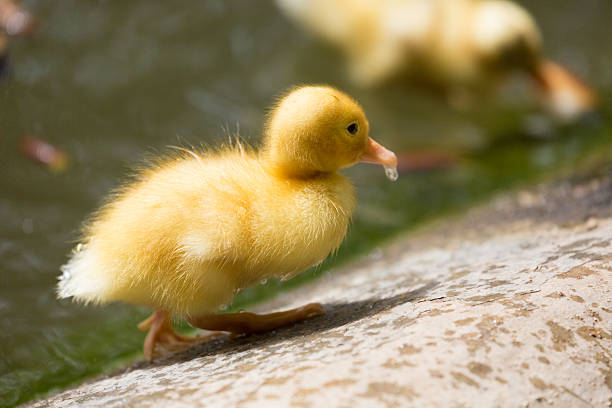
Organophosphate (OP) and carbamate insecticides represent two of the most widely used classes of neurotoxic pesticides worldwide. Their popularity stems from high efficacy against a broad spectrum of arthropod pests and comparatively low cost. However, the same biochemical properties that make them lethal to insects also endanger non‑target vertebrates, especially waterfowl such as ducks (family Anatidae).
Ducks are frequently exposed because:
- Aquatic habitats (ponds, rice paddies, wetlands) are common sites for pesticide application.
- Foraging behavior—dabbling, diving, and grazing—brings them into direct contact with contaminated water, sediment, vegetation, and invertebrates.
- Rearing practices—commercial duck farms, backyard flocks, and free‑range operations—often rely on OP/carbamate products for fly, mite, and tick control.
The consequences of exposure can range from subtle behavioral changes to fulminant cholinergic crisis and death within minutes. Early recognition, rapid intervention, and robust prevention are therefore essential for animal welfare, public health, and economic sustainability.
2. Chemistry & Mechanism of Action
2.1 Organophosphates
- Core Structure: Phosphorothioate or phosphorodithioate ester, typically with a P=S or P=O double bond.
- Common Agents Used Near Waterfowl:
- Chlorpyrifos – widely used in rice and vegetable fields.
- Diazinon – applied for soil‑borne pests.
- Malathion – prevalent in orchard and livestock environments.
- Parathion, Methyl‑parathion – though increasingly restricted, still present in some developing‑country markets.
- Mode of Toxicity: OPs irreversibly phosphorylate the serine hydroxyl group at the active site of acetylcholinesterase (AChE), the enzyme responsible for hydrolyzing synaptic acetylcholine (ACh). Inhibition leads to accumulation of ACh at nicotinic, muscarinic, and central neuronal receptors. The result is hyperstimulation of cholinergic pathways causing the classic “SLUDGE” (Salivation, Lacrimation, Urination, Defecation, Gastrointestinal upset, Emesis) signs in mammals and a comparable cluster of symptoms in birds.
- Aging: Some OP‑AChE complexes undergo a conformational change (“aging”) within minutes to hours, after which the bond becomes irreversible even to oxime reactivators (e.g., pralidoxime). The speed of aging varies among agents; for instance, paraoxon (active metabolite of parathion) ages rapidly, while malathion oxon ages more slowly.
2.2 Carbamates
- Core Structure: Carbamic acid derivatives, typically featuring a carbamate ester (R‑O‑C(=O)‑NH‑R′).
- Common Agents:
- Carbaryl (Sevin) – used in grain, orchard, and aquatic weed control.
- Carbofuran – potent, now largely banned in many jurisdictions but still encountered in residues.
- Methomyl – employed against leaf‑eating insects.
- Mode of Toxicity: Carbamates carbamylate AChE via reversible binding. The inhibition is generally short‑acting, allowing spontaneous regeneration of AChE once the compound is cleared. However, high doses or repeated exposure can cause severe cholinergic crisis similar to OP poisoning.
- Clinical Relevance: Because carbamylation is reversible, oxime therapy (e.g., pralidoxime) is often less effective and can sometimes exacerbate toxicity by displacing the carbamate and increasing free ACh. Therefore, treatment emphasis is on anticholinergics (atropine) and supportive care.
3. Common Sources & Pathways of Exposure
| Source | Typical Formulation | Route of Exposure in Ducks | Notes |
|---|---|---|---|
| Agricultural Sprays | Aqueous emulsifiable concentrates (EC), granules (GR) | Ingestion of contaminated water/vegetation; dermal absorption through wet feathers | Seasonal peaks coincide with planting/harvest cycles. |
| Aquatic Larvicides | Granular or liquid formulations applied to rice paddies, fish ponds | Direct ingestion while foraging; gill absorption | OPs such as temephos are used in some regions; carbamates less common but possible. |
| Pest‑Control Baits | Pelleted or block baits for rats, birds, or insects placed near water bodies | Ingestion of bait or secondary ingestion via contaminated prey | Bait stations placed incorrectly can attract waterfowl. |
| Veterinary/ Farm Use | Topical fly sprays, footbaths, nest‑box treatments | Dermal contact; ingestion during preening | Farmers may use OPs for mange in ducks; cross‑contamination is a risk. |
| Industrial Run‑off | Wastewater discharge from pesticide manufacturing | Chronic low‑level exposure via water | Often undetected until bio‑monitoring is performed. |
| Improper Disposal | Empty pesticide containers, “dump sites” | Accidental ingestion or soaking of feed | Legally prohibited but persists in rural areas. |
Environmental Persistence:
- OPs are generally moderately persistent (half‑life 1–30 days) depending on pH, temperature, and microbial activity.
- Carbamates are short‑acting (hours to a few days), but can accumulate in sediments and be released during rain events.
4. Duck Breeds Most at Risk
While all ducks share the basic physiological susceptibility to cholinesterase inhibition, certain breeds and production systems display heightened vulnerability because of genetics, husbandry practices, and foraging habits.
4.1 Mallard‑Derived Domestic Breeds (e.g., Pekin, Rouen, Aylesbury)
- Why at risk: These are the most common commercial and backyard breeds. They are frequently reared on intensive floor systems with open water access or ponds, making them prone to inadvertent pesticide exposure from nearby fields.
- Genetic factor: Their rapid growth rates and high metabolic turnover (especially in the liver) can accelerate activation of OP pro‑toxins (e.g., conversion of malathion to malaoxon).
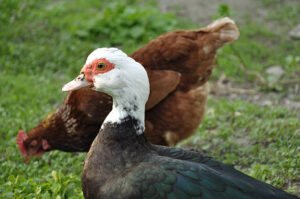
4.2 Muscovy Duck (Cairina moschata)
- Why at risk: Muscovies are more ground‑foraging and have a broader diet that includes insects, snails, and larvae. Consequently, they ingest a larger proportion of invertebrate vectors that bio‑accumulate OP/carbamate residues.
- Physiological nuance: Muscovies possess a relatively lower baseline AChE activity compared to other breeds, rendering them more sensitive to inhibition.
4.3 Indigenous and Heritage Breeds (e.g., Khaki Campbell, Indian Runner, Crested)
- Why at risk: Many heritage breeds are kept in free‑range or semi‑extensive systems, often integrating with rice paddies or flood‑plain ecosystems where pesticide use is routine.
- Behavioral aspect: Their penchant for diving brings them into contact with contaminated sediments where OPs may settle and persist.
4.4 Wild Duck Species (e.g., Northern Pintail, Teal, Shoveler)
- Although not “breeds,” wild ducks that congregate in agricultural wetlands are highly exposed. Their migratory nature also spreads toxin loads across regions, potentially leading to population‑level impacts.
Summary Paragraph
In essence, any duck breed that forages in or near pesticide‑treated environments—whether a high‑producing commercial Pekin flock, a ground‑searching Muscovy, or a heritage free‑range Crested duck—is at increased risk for organophosphate or carbamate poisoning. The combination of dietary breadth, habitat overlap, and physiological enzyme activity determines the level of susceptibility. Careful management of habitat, feed, and water sources is therefore paramount across all breed categories.
5. Life‑Stage Susceptibility
| Life Stage | Relative Sensitivity | Key Exposure Scenarios | Clinical Considerations |
|---|---|---|---|
| Embryo (in‑egg) | Very high – the developing nervous system is extremely sensitive to AChE inhibition. | Contaminated incubation water (if water is used to cool incubators) or maternal transfer of residues into the yolk. | Sublethal exposure may cause malformations, impaired hatchability, or delayed growth. Necropsy often reveals neuro‑developmental lesions. |
| Hatchling (0–4 weeks) | High – immature hepatic detox pathways, thin integument. | Immediate post‑hatch access to contaminated water or feed; parental feeding of contaminated insects. | Rapid onset of respiratory distress, tremors, and high mortality if acute dose. |
| Juvenile (1–12 months) | Moderate‑high – still developing detox enzymes but larger body reserves. | Foraging in shallow ponds; exposure to runoff after pesticide application. | May present with recurrent subclinical cholinergic signs (e.g., intermittent weakness). |
| Adult (1–5 years) | Moderate – fully functional hepatic microsomal enzymes but larger body mass dilutes dose. | Routine pond access, especially during spraying seasons. | Often survive acute high dose with aggressive supportive therapy; risk of chronic neuro‑behavioral changes. |
| Senescent (>5 years) | Moderate‑low but increased comorbidity (e.g., hepatic disease) reduces clearance. | Cumulative exposure; diminished immune response. | Prognosis worsens due to decreased regenerative capacity. |
Important Note: Chronic low‑level exposure can lead to persistent inhibition of red‑blood‑cell AChE, a useful biomarker for subclinical toxicity in all age groups.
6. Clinical Signs & Symptomatology
Organophosphate and carbamate toxicosis produce a spectrum of signs, governed by dose, exposure route, and timing.
6.1 Acute (Minutes‑Hours Post‑Exposure)
| System | Typical Signs | Pathophysiology |
|---|---|---|
| Neuromuscular | Tremors, fasciculations, opisthotonos, ataxia, seizures, sudden paralysis (especially of wings and legs). | Excess ACh at nicotinic receptors → continuous depolarization → fatigue and failure. |
| Respiratory | Labored breathing, tachypnea, bronchoconstriction, inability to maintain air sac ventilation; possible respiratory arrest. | Muscarinic over‑stimulation of bronchial smooth muscle + central depression. |
| Cardiovascular | Bradycardia or tachycardia, hypotension, arrhythmias. | Muscarinic effect on heart (M2 receptors) and autonomic dysregulation. |
| Gastrointestinal | Profuse salivation, watery droppings, vomiting (if present), increased peristalsis. | Muscarinic stimulation of GI tract. |
| Ocular | Constricted pupils (miosis), lacrimation, blepharospasm. | Muscarinic receptors in the eye. |
| Behavioral | Restlessness, hyper‑reactivity, head bobbing, excessive preening, confusion. | Central cholinergic excess. |
| Skin/Feather | Wet, sticky plumage due to excessive salivation; feather ruffling. | Muscarinic secretions. |
Key Observation: In waterfowl, the air sac system can become rapidly compromised; an inability to inflate air sacs leads to a “floppy” appearance and rapid death.
6.2 Sub‑Acute / Chronic (Days‑Weeks)
- Mild weakness, intermittent tremors, reduced feeding, poor weight gain.
- Reproductive effects – decreased egg production, thin-shelled eggs, embryonic mortality.
- Neuro‑behavioral alterations – heightened fear response, impaired navigation, reduced foraging efficiency.
6.3 Distinguishing OP vs. Carbamate Clinical Course
| Feature | Organophosphate | Carbamate |
|---|---|---|
| Onset | Often within minutes; severe. | May be slightly slower, especially with low dose. |
| Duration | Prolonged (hours‑days) due to irreversible inhibition. | Shorter (hours) because inhibition is reversible. |
| Response to Oximes | Generally effective if administered before aging. | Often limited benefit; may worsen due to “re‑activation” of AChE. |
| Typical Culprits | Chlorpyrifos, Malathion, Diazinon. | Carbaryl, Methomyl. |
7. Differential Diagnosis
| Condition | Key Overlap | Distinguishing Features |
|---|---|---|
| Botulism (Clostridium botulinum) | Weakness, paralysis. | Descending paralysis, lack of cholinergic signs, presence of foul‑smelling necrotic tissue. |
| Avian Influenza (HPAI) | Respiratory distress, lethargy. | High fever, hemorrhagic lesions, viral PCR positive. |
| Lead Toxicity | Neurological signs, weakness. | Green‑blue line on beak, radiopaque radiographs, elevated blood lead. |
| Mycotoxicosis (e.g., aflatoxin) | Anorexia, weight loss. | Liver enlargement, serum bile acids elevated, feed analysis positive. |
| Septicemia (e.g., E. coli) | Lethargy, fever. | Positive blood culture, leukocytosis, inflammatory lesions on necropsy. |
| Nutritional Deficiencies (e.g., vitamin B1) | Ataxia, trembling. | Response to vitamin supplementation, diet history. |
A systematic approach—starting with exposure history and moving to laboratory confirmation—greatly speeds diagnosis and treatment.
8. Diagnostic Work‑up
8.1 History
- Date & time of symptom onset relative to known pesticide applications.
- Location (pond, field, indoor water source).
- Pesticide details (product name, active ingredient, concentration, formulation, application method).
- Feed and water source changes in the preceding 48 h.
- Co‑habitant health status (other birds, livestock).
8.2 Physical Examination
- Observe respiratory pattern (air sac inflation, panting).
- Check plumage condition (wetness, feather ruffling).
- Note pupil size and ocular discharge.
- Perform a neurological assessment (wing and leg reflexes).
8.3 Laboratory Tests
| Test | Sample | Interpretation |
|---|---|---|
| Whole‑blood cholinesterase (AChE) activity | EDTA blood | Decreased activity (<30% of reference) indicates exposure; compare with species‑specific baseline (approximately 2–4 U/mL in healthy ducks). |
| Plasma pseudocholinesterase (PChE) | Serum | Often parallels AChE; useful where AChE assay unavailable. |
| Serum biochemistry | Serum | Elevated AST/ALT (hepatic involvement), hyper‑K+ (cell lysis), hypoglycemia. |
| Gas chromatography‑mass spectrometry (GC‑MS) or LC‑MS/MS | Blood, liver, or feather | Detects parent pesticide and metabolites (e.g., chlorpyrifos‑oxon). |
| Feather or egg analysis | Feather, egg yolk | Long‑term exposure biomarker (pesticide residues accumulate in keratin). |
| Complete blood count (CBC) | EDTA blood | May show mild anemia, leukocytosis secondary to stress. |
| Radiographs | Whole body | To rule out ingested foreign bodies or skeletal abnormalities (if differential diagnosis includes lead). |
Reference ranges are often established for mallard or Pekin ducks; adjust for breed where possible.
8.4 Field Tests
- Portable AChE dipstick – rapid semiquantitative assessment (useful for on‑farm triage).
- Flock‑wide screening – collect feather samples from a subset (10–15 %) of the flock for batch analysis.
9. Therapeutic Principles
Effective management hinges on timing, dose, and type of toxin (OP vs. carbamate). Early intervention dramatically improves survivability.
9.1 Immediate Decontamination
- Remove the bird from the exposure site.
- Clip or shave contaminated feathers (especially around the vent and tail).
- Rinse with copious amounts of warm (30‑35 °C) water for at least 10 minutes—preferably using a low‑pressure shower.
- Dry gently with clean towels; keep the bird warm (use a heating pad set to 38 °C).
- Administer topical oxime (if available) to exposed skin—though the benefit is marginal compared to systemic therapy.
9.2 Antidotal Therapy
| Agent | Mechanism | Dose (Pekin/Duck) | Frequency | Notes |
|---|---|---|---|---|
| Atropine (or Glycopyrrolate) | Muscarinic antagonist | 0.5–1 mg IM or SC for 1 kg body weight. | Repeat q15‑30 min until drying of secretions and stabilization of heart rate. | Do not exceed 5 mg/kg cumulative in 24 h to avoid anticholinergic toxicity. |
| Pralidoxime Chloride (2‑PAM) | Oxime reactivator of phosphorylated AChE | 30 mg/kg IV bolus; may give a 30‑min infusion of 10 mg/kg/h. | Repeat q6 h for up to 48 h if clinical signs persist. | Most effective if administered before aging (ideally within 1 h of exposure). Less useful for carbamates. |
| Diazepam / Midazolam | Anticonvulsant, muscle relaxant | Diazepam 0.5 mg/kg IM; Midazolam 0.2 mg/kg IM. | Once, repeat if seizures recur. | Controls seizures and reduces respiratory muscle spasm. |
| Phenobarbital (if prolonged seizures) | GABAergic agonist | 15 mg/kg IM/IV. | q12 h as needed. | Use with caution; may depress respiration. |
Supportive Measures
- Oxygen supplementation – via oxygen mask or chamber (FiO2 ≈ 40–60%).
- Fluid therapy – Lactated Ringer’s or balanced crystalloid (20 mL/kg SC/IV) to counteract hypotension and maintain hydration.
- Nutritional support – Force‑feed high‑energy gelatinized feed or use a tube‑feeding system if the bird cannot preen.
- Temperature regulation – Maintain ambient temperature 30–33 °C for ducklings; 24–27 °C for adults.
9.3 Monitoring
| Parameter | Target | Frequency |
|---|---|---|
| Respiratory rate | 15‑30 breaths/min (adult) | Continuous for 4‑6 h, then q4 h |
| Heart rate | 120‑200 bpm (adult) | q2‑4 h |
| AChE activity | >50% of baseline by 48 h | Daily until stable |
| Electrolytes (K+, Ca2+) | K+ 3.5‑5.0 mmol/L | q24 h |
| Body weight | Stabilize or increase >5 %/day in ducklings | Daily |
9.4 Disposition
- Mild cases (minimal signs, AChE >30%): May be managed on‑farm with observation for 24 h.
- Moderate‑severe cases (significant signs, AChE <30%): Require veterinary hospitalization for at least 48‑72 h.
- Terminal cases (unresponsive after 2 h of aggressive therapy): Euthanasia may be humane to prevent suffering.
10. Prognosis & Potential Complications
| Outcome | Factors Influencing Prognosis | Typical Survival Rate |
|---|---|---|
| Full recovery | Early decontamination & antidote (<1 h), AChE >30%, no secondary infection. | 70‑90 % in treated birds. |
| Partial recovery / chronic deficits | Delayed therapy (>4 h), severe cholinergic crisis, respiratory failure requiring intubation. | 30‑50 % survive with lingering tremors or reduced foraging efficiency. |
| Mortality | Massive dose, rapid aging of OP‑AChE complex, inability to maintain airway. | 10‑30 % of documented outbreaks, can be higher in ducklings. |
Common Complications
- Respiratory muscle fatigue → aspiration pneumonia.
- Secondary bacterial infections (e.g., Escherichia coli, Pseudomonas) due to immunosuppression.
- Hepatotoxicity – especially with OPs metabolized in the liver (malathion, chlorpyrifos).
- Rebound cholinergic crisis – after initial improvement, AChE inhibition may re‑emerge as metabolites re‑accumulate.
- Egg production suppression – may persist for 2‑4 weeks post‑recovery.
11. Prevention Strategies
11.1 Farm‑Level
- Integrated Pest Management (IPM):
- Rotate non‑chemical controls (biological agents, trap crops).
- Use targeted low‑toxicity products (e.g., spinosad, neem oil) where possible.
- Physical Barriers:
- Install screened water troughs that prevent runoff entry.
- Use fencing to keep ducks away from recently sprayed fields for at least 48 h (based on pesticide label re‑entry interval).
- Application Timing & Technique:
- Apply pesticides early morning or late evening when ducks are less active.
- Avoid aerial spraying over water bodies where drift is probable.
- Storage & Disposal:
- Keep pesticide containers locked, labeled, and separate from feed/water.
- Follow local regulations for hazardous waste; never pour leftovers into ponds.
- Regular Monitoring:
- Conduct monthly AChE screening of sentinel birds.
- Test water and sediment for pesticide residues, especially after heavy rains.
11.2 Habitat & Wildlife Conservation
- Buffer Zones: Establish a 30‑m pesticide‑free strip around wetlands.
- Construct “Clean” Refuges: Provide untreated water sources (e.g., deep well-fed ponds) for wild ducks during spraying seasons.
- Community Education: Engage local farmers on the impact of runoff on waterfowl and promote best‑practice agreements.
11.3 Regulatory & Policy
- Advocate for phase‑out of the most toxic OPs (e.g., chlorpyrifos, parathion) in regions with high waterfowl densities.
- Encourage mandatory labeling of wildlife toxicity on pesticide containers.
- Push for environmental impact assessments before approving new pesticide registrations.
12. Diet, Nutrition, and Detoxification
Proper nutrition can enhance hepatic detoxification, support immune function, and aid recovery.
12.1 Key Nutrients
| Nutrient | Role in Detoxification | Recommended Sources for Ducks |
|---|---|---|
| Methionine & Cysteine (Sulfur‑containing amino acids) | Precursor for glutathione (major antioxidant) | Soybean meal, fish meal, alfalfa. |
| Vitamin E (α‑tocopherol) | Protects cell membranes from oxidative damage caused by pesticide metabolites. | Wheat germ oil, sunflower seed oil, commercial vitamin premix (≥ 100 IU/kg). |
| Vitamin C (ascorbic acid) | Regenerates vitamin E; scavenges free radicals. | Fresh leafy greens, supplemental powder (10–20 mg/kg feed). |
| Selenium | Cofactor for glutathione peroxidase. | Selenium‑enriched yeast (0.05 ppm in feed). |
| B‑complex vitamins (B1, B6, B12) | Support hepatic enzymes involved in phase‑II conjugation. | Yeast extract, fortified premix. |
| Omega‑3 fatty acids (EPA/DHA) | Anti‑inflammatory; aids membrane fluidity. | Fish oil or algae oil (0.5 % of diet). |
12.2 Feeding Regimen During Recovery
- Phase 1 (first 24 h): Offer easily digestible, high‑energy gelatinized feed (e.g., 30 % protein, 20 % fat). Provide electrolyte‑enriched water (0.5 % NaCl, 0.2 % glucose).
- Phase 2 (days 2‑5): Introduce whole‑grain corn and pea mash to stimulate gut motility; continue antioxidant supplementation.
- Phase 3 (post‑stabilization): Return to standard maintenance diet, but keep vitamin‑E‑rich ingredients for an additional 2‑3 weeks to aid hepatic repair.
12.3 Herbal & Natural Adjuncts
- Milk Thistle (Silybum marianum) extract – hepatoprotective; 5 mg/kg oral daily.
- N-Acetylcysteine (NAC) – glutathione precursor; 40 mg/kg PO q12 h for 5 days.
Note: Adjuncts should be used under veterinary supervision; they are not substitutes for antidotal therapy.
13. Zoonotic Risk
While organophosphate and carbamate poisoning is primarily an animal health issue, human exposure can occur during handling of affected birds, clean‑up of contaminated environments, or administration of antidotes.
| Risk | Mechanism | Preventive Measures |
|---|---|---|
| Dermal absorption | Contact with contaminated feathers, skin, or secretions. | Wear gloves, protective clothing, and eye protection. |
| Inhalation | Aerosolized pesticide particles during spraying or cleaning. | Use respirators (NIOSH‑approved), ensure adequate ventilation. |
| Oral ingestion | Accidental hand‑to‑mouth transfer. | Wash hands thoroughly after handling; avoid eating/drinking in treatment area. |
| Secondary poisoning | Consumption of contaminated duck meat or eggs. | Observe withdrawal periods (≥ 7 days after recovery) before marketing. |
| Chronic low‑level exposure | Repeated handling of subclinical carriers. | Implement regular health monitoring of flock and maintain pesticide‑free zones. |
Human Treatment: If exposure occurs, immediate decontamination (soap and water) followed by medical evaluation is prudent. Antidotal therapy (atropine, pralidoxime) is indicated in severe cases under physician guidance.
14. Summary & Key Take‑Home Messages
- Organophosphate and carbamate insecticides are potent cholinesterase inhibitors that pose a serious threat to ducks across all breeds and life stages.
- Rapid recognition of cholinergic signs (SLUDGE, tremors, respiratory distress) and an exposure history are essential for early intervention.
- Diagnostic confirmation via AChE activity and toxicological analysis guides therapy and aids epidemiologic tracking.
- First‑line treatment comprises decontamination, atropine, and pralidoxime (for OPs), supplemented with supportive care (oxygen, fluids, seizure control).
- Prognosis improves dramatically when antidotes are administered within the first hour, before AChE aging occurs.
- Prevention through IPM, physical barriers, judicious pesticide use, and regular monitoring is the most effective control strategy.
- Nutritional support—especially antioxidants, sulfur amino acids, and B‑vitamins—enhances hepatic detoxification and expedites recovery.
- Zoonotic considerations necessitate protective equipment for handlers and adherence to withdrawal periods for edible products.
By integrating vigilant flock management, thorough diagnostic protocols, and prompt, evidence‑based treatment, veterinarians and duck owners can markedly reduce the morbidity and mortality associated with organophosphate and carbamate poisoning, safeguarding both avian welfare and public health.
#DuckHealth, #OrganophosphatePoisoning, #CarbamateToxicosis, #WaterfowlSafety, #AvianVeterinary, #PoultryMedicine, #PesticideSafety, #AChEInhibition, #DuckRescue, #FarmBiosecurity, #IPM, #DuckNutrition, #VeterinaryEmergency, #DuckConservation, #ZoonosisAwareness, #PesticideFreePonds, #DuckDiseasePrevention, #VeterinaryEducation, #WildlifeToxicology, #DuckRehabilitation, #EcoFriendlyFarming, #DuckCareTips, #AnimalWelfare, #PoultryManagement, #VeterinaryTips, #AvianMedicine, #DuckLifespan, #FarmSafety, #EcoVeterinary, #PesticideRisk, #DucksAndPests, #DuckTreatmentProtocol, #DuckFirstAid, #RescueDuck, #WaterfowlRescue, #DuckDiet, #VaccineFreeDucks, #HealthyDucks, #DuckWellness, #DuckLovers, #BirdHealth, #DuckLife, #VetLife, #FarmHealth, #SustainableFarming, #PoultryHealth, #DucksOfInstagram, #FarmersOfFacebook, #VetCommunity.
Add comment