
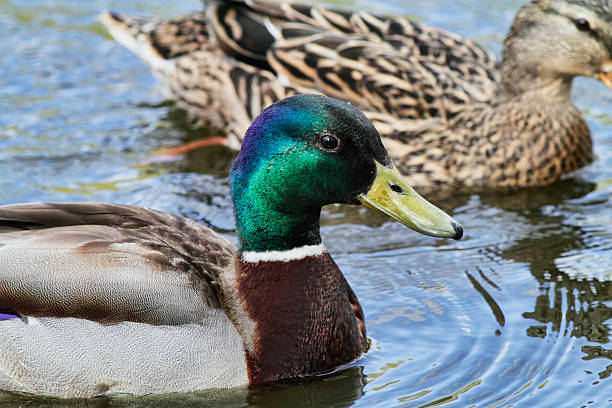
Why Choose Ornamental Ducks for a Water Garden?
Water gardens have traditionally been celebrated for their soothing reflections, soothing sounds of flowing water, and the subtle drama of aquatic plants. Adding ornamental ducks elevates this experience from passive observation to an interactive, living masterpiece.
| Benefit | Explanation |
|---|---|
| Dynamic Visual Interest | Ducks provide constantly changing color palettes—iridescent greens, deep indigos, russet golds, and crisp whites—that shift with the light of dawn, midday, and dusk. |
| Natural Pest Control | Many ornamental ducks are voracious grazers of slugs, snails, mosquito larvae, and weed seeds, helping to keep the pond ecosystem balanced without chemicals. |
| Acoustic Enrichment | The gentle quack, soft whine, and occasional courtship call create a natural soundtrack that enriches the sensory ambience of the garden. |
| Educational Value | Observing duck behavior offers valuable lessons in ethology, life cycles, and ecological interdependence—ideal for families, schools, and community projects. |
| Social Connection | Ducks are surprisingly personable. With proper socialization, they recognize caregivers, respond to gentle handling, and can become charming companions. |
| Biodiversity Boost | Introducing a waterfowl species (when legal) adds another trophic level, encouraging beneficial microorganisms, insects, and even amphibians that thrive alongside them. |
Bottom line: Ornamental ducks are not just cute additions; they are functional, educational, and aesthetic assets that turn a static water feature into a living, breathing ecosystem.
2. Planning the Perfect Water‑Garden Habitat
Before you rush to the nearest hatchery, a solid design blueprint ensures the ducks will thrive, your garden will stay healthy, and the overall experience will be harmonious.
2.1 Size & Depth of the Pond
| Parameter | Recommended Minimum | Why It Matters |
|---|---|---|
| Surface Area | 150–300 sq ft (for a small flock of 4–6 ducks) | Provides enough swimming space, reduces territorial aggression, and distributes waste. |
| Depth | 3–4 ft in the deepest zone; shallow margins of 8‑12 in | Deep water offers refuge from predators; shallow edges allow ducklings to forage and preen safely. |
| Gradient | Gentle slope (≈1:8) from edge to deepest point | Allows ducks to transition smoothly, reduces stress, and promotes natural foraging behavior. |
If you have limited space, consider a multi‑level water feature: a shallow “duck run” leading to a deeper “swim‑zone”.
2.2 Water Circulation & Filtration
- Mechanical Filtration: Fine‑mesh screens or drum filters remove solid waste (feathers, plant debris).
- Biological Filtration: Bio‑balls, porous ceramic media, or a planted bio‑filter zone where beneficial bacteria break down ammonia → nitrite → nitrate.
- Aeration: Submerged or surface‑mounted aerators keep dissolved oxygen above 5 mg/L, crucial for duck health and microbial balance.
A recirculating system with UV sterilization can also help control algae, which can become a nuisance if unchecked.
2.3 Land‑Based Duck Run (Dryland Habitat)
- Secure Perimeter: A low‑fence (4‑6 in) or buried wire mesh keeps ducks from wandering into hazardous zones while still allowing free movement.
- Ground Cover: Soft sand, fine gravel, or a mixture of both encourages natural foraging and reduces foot problems.
- Shade & Shelter: Plant fast‑growing shrubs (e.g., Buxus or dwarf Arborvitae) or install a wooden canopy with a sloped roof for weather protection.
2.4 Safety & Predator Management
- Fencing & Netting: Install a fence at least 4 ft tall with a “roll‑over” design to deter raccoons, foxes, and birds of prey.
- Night‑time Shelter: A sturdy coop or enclosed shed, preferably with a lockable latch, prevents nocturnal predation and keeps the ducks warm.
- Visual Barriers: Evergreen hedges or lattice screens reduce visual access for aerial predators.
3. Top Ornamental Duck Breeds – Characteristics, Appearance, & Personality
Below are the most beloved ornamental duck breeds, presented in a consistent format for easy comparison. All listed breeds are widely available in the United States, Canada, the United Kingdom, and many EU nations.
3.1 Call Duck (Anas platyrhynchos domesticus)
| Attribute | Details |
|---|---|
| Size | Small; 14–16 in tall, 2–3 lb. |
| Color Varieties | White, black, mottled, blue‑silver, pinto, and a striking “pied” pattern. |
| Temperament | Extremely vocal (“calls”)—hence the name. Friendly, adaptable, and excellent for beginners. |
| Special Care | Sensitive to cold; provide a heated area or extra bedding in winter. |
| Best For | Small gardens, children’s educational programs, and owners who love auditory charm. |
3.2 Indian Runner Duck
| Attribute | Details |
|---|---|
| Size | Medium; 19–24 in tall, 3–4 lb. |
| Shape | Upright, “runner” posture; long legs, sleek body—looks like a miniature penguin. |
| Color Varieties | White, black, fawn, blue, pastel, and “pied”. |
| Temperament | Energetic, inquisitive, and strong foragers. Can be a bit more independent than Call Ducks. |
| Special Care | Requires ample space to run; a shallow water edge is ideal for preening. |
| Best For | Large ponds, hobbyists who enjoy watching active, “dancing” ducks. |
3.3 Mandarin (Swan Goose) – Anser cygnoides
| Attribute | Details |
|---|---|
| Size | Large; 28–30 in tall, 8–10 lb. |
| Color | Brilliant white with iridescent green “mandarin” head and chestnut breast. |
| Temperament | Calm, graceful; very sociable with humans and other waterfowl. |
| Special Care | Needs a larger water area (minimum 500 sq ft). Sensitive to water quality; regular testing required. |
| Best For | Ornamental ponds where a show‑stopping centerpiece is desired. |
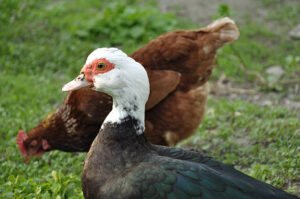
3.4 Muscovy Duck (Cairina moschata)
| Attribute | Details |
|---|---|
| Size | Medium‑large; 20–30 in tall, 5–7 lb (females smaller). |
| Color | Black, white, bronze, or pied; striking red facial “caruncles”. |
| Temperament | Quiet (rarely quacks), intelligent, excellent foragers. Often used in free‑range systems for pest control. |
| Special Care | Prefers a dry, well‑ventilated coop; can be prone to respiratory issues if kept too damp. |
| Best For | Owners who want a low‑noise duck that still adds visual drama. |
3.5 Khaki Campbell
| Attribute | Details |
|---|---|
| Size | Medium; 18–20 in tall, 4–5 lb. |
| Color | Light brown (khaki) with a subtle darker head stripe; occasionally white‑feathered varieties. |
| Temperament | Friendly, easy‑going; highly prolific egg layers (up to 300 eggs/yr). |
| Special Care | Adequate calcium source for egg production; extra nesting boxes. |
| Best For | Gardens where ornamental beauty meets functional egg production. |
3.6 Aylesbury Duck
| Attribute | Details |
|---|---|
| Size | Large; 24–28 in tall, 8–10 lb. |
| Color | Pure white plumage, blue‑green head strip, bright orange beak. |
| Temperament | Calm, docile, and excellent for close human interaction. |
| Special Care | Requires a larger pond and sheltered coop; prone to leg‑scale issues if kept on hard surfaces. |
| Best For | Formal garden settings where a classic “white duck” aesthetic is desired. |
3.7 Swedish Blue (also known as “Blue Swedish”)
| Attribute | Details |
|---|---|
| Size | Medium; 18–22 in tall, 4–5 lb. |
| Color | Deep slate‑blue with a darker “piebald” head; striking contrast in bright light. |
| Temperament | Gentle, curious; less vocal than Call Ducks. |
| Special Care | Needs protection from harsh sun to avoid feather bleaching. |
| Best For | Garden owners who love deep, rich color tones. |
3.8 Pekin Duck
| Attribute | Details |
|---|---|
| Size | Large; 20–24 in tall, 7–9 lb. |
| Color | Classic white with an orange bill; often the first breed novice keepers encounter. |
| Temperament | Easy‑going, tolerant of handling, good for families. |
| Special Care | Susceptible to obesity; monitor feed and provide swimming space to encourage activity. |
| Best For | Beginners looking for a robust, forgiving ornamental duck. |
Quick Breed Comparison Chart
| Breed | Avg. Size | Noise Level | Egg Laying | Ideal Pond Size | Best Garden Style |
|---|---|---|---|---|---|
| Call Duck | Small (2‑3 lb) | High (calls) | Moderate (150‑200 yr) | 150‑250 sq ft | Cottage, kid‑friendly |
| Indian Runner | Medium (3‑4 lb) | Moderate | High (260‑300 yr) | 200‑300 sq ft | Contemporary, active |
| Mandarin | Large (8‑10 lb) | Low‑moderate | Low | 400‑500 sq ft | Formal, centerpiece |
| Muscovy | Medium‑large (5‑7 lb) | Low | Low | 250‑350 sq ft | Quiet, naturalistic |
| Khaki Campbell | Medium (4‑5 lb) | Moderate | Very high (300+) | 200‑300 sq ft | Functional, rustic |
| Aylesbury | Large (8‑10 lb) | Low | Low | 350‑450 sq ft | Classic, elegant |
| Swedish Blue | Medium (4‑5 lb) | Low‑moderate | Low | 200‑250 sq ft | Artistic, color‑focused |
| Pekin | Large (7‑9 lb) | Moderate | Moderate | 250‑350 sq ft | Family‑oriented, versatile |
4. Essential Care & Management
4.1 Housing & Shelter
- Coop Construction
- Dimensions: Minimum 4 sq ft per adult duck; add 2 sq ft per duckling.
- Flooring: Use raised wooden slats or concrete with a sand/peat overlay to keep feet dry.
- Ventilation: Two or three adjustable vents on opposite walls; avoid drafts directly on roosting spots.
- Insulation: For climates < 32 °F, line walls with rigid foam and install a heated water bowl or heat lamp (safely mounted).
- Nesting Boxes
- Provide one box for every 3‑4 females. Box dimensions: 12 × 12 × 12 in.
- Fill with soft straw, shredded paper, or pine shavings. Change bedding weekly during laying season.
- Roosting Perches
- Ducks naturally perch on low ledges. Install a wooden perch 6‑8 in off the floor; ensure it’s wide enough for two feet.
- Outdoor Run
- Use buried hardware cloth (½‑in mesh) to prevent escape and predator intrusion.
- Provide rotational grazing: move feed trays and shallow water dishes to different sections each week.
4.2 Nutrition & Feeding Strategies
| Life Stage | Primary Feed | Supplemental Items | Feeding Frequency |
|---|---|---|---|
| Ducklings (0‑8 wk) | Commercial starter crumble (22‑24 % protein) | Boiled egg yolk, finely chopped greens, insects (mealworms) | 4‑5 small meals/day |
| Juveniles (8‑16 wk) | Grower feed (18‑20 % protein) | Fresh lettuce, kale, peas, wheat bran | 3 meals/day |
| Adults (16 wk +) | Layer/maintenance feed (16‑18 % protein) | Corn, oats, barley, duckweed, earthworms | 2‑3 meals/day |
| Laying hens | Layer feed (16‑18 % protein + calcium) | Crushed oyster shells, limestone | 2 meals/day + free‑choice water |
Key Points:
- Water Access: Ensure clean, fresh water is available at all times—ducks need water to swallow feed and clean their bills.
- Grazing: Allow a 30‑minute free‑range session each day where ducks can forage on grass and pond edges. This reduces feed costs and improves feather quality.
- Avoid Over‑Feeding: Too much grain can cause obesity and impact egg production. Use a feed‑to‑body‑weight ratio of roughly 0.08 lb feed per pound of body weight daily.
4.3 Water Quality & Pond Maintenance
- Testing Regimen
- pH: 6.5‑7.5 (ideal 7.0)
- Ammonia (NH₃): < 0.5 ppm
- Nitrite (NO₂⁻): < 0.5 ppm
- Nitrate (NO₃⁻): < 50 ppm (ideal < 20)
- Dissolved Oxygen (DO): > 5 mg/L
- Cleaning Schedule
- Daily: Remove floating debris, leftover feed, and fecal mats from the surface.
- Weekly: Scrub sides with a soft brush; check filters and clean mesh screens.
- Monthly: Perform a partial water change (10‑15 %) to keep nitrate levels low.
- Algae Control
- Biological: Introduce floating water lettuce (Pistia stratiotes) or hornwort (Ceratophyllum demersum) to shade the water and compete with algae.
- Mechanical: Install a pond skimmer to capture excess algae.
- Chemical: Use copper‑free, duck‑safe algaecides only as a last resort and follow label directions rigorously.
- Winter Management (Temperate Zones)
- Keep a minimum of 4‑6 in of open water to allow ducks to access food.
- Use a de‑icer or floating heating pad to prevent ice from sealing off the pond completely.
- Provide dry, insulated housing and high‑energy feed (e.g., cracked corn, oat groats) to maintain body temperature.
5. Health, Biosecurity, and Veterinary Care
5.1 Common Health Issues
| Condition | Symptoms | Preventive Measures |
|---|---|---|
| Bacterial Enteritis (E. coli, Salmonella) | Diarrhea, lethargy, loss of appetite | Maintain clean water, avoid over‑crowding, rotate feeding areas |
| Coccidiosis | Dark, tarry droppings; weight loss | Prophylactic coccidiostats in feed (under vet supervision), regular pond sanitization |
| Muscovy Duck “Muscovy Respiratory Syndrome” | Sneezing, nasal discharge, swollen sinuses | Good ventilation, avoid damp bedding, monitor humidity |
| Footpad Dermatitis | Red, cracked skin on soles | Use dry, non‑abrasive flooring; provide sand/soft bedding |
| Feather Pecking (rare) | Missing or damaged feathers, aggression | Ensure ample space, environmental enrichment, proper social grouping |
| Egg‑binding (in hens) | Distended abdomen, straining, lethargy | Adequate calcium, avoid over‑weighting ducks, regular vet checks |
5.2 Biosecurity Protocols
- Quarantine New Birds – Isolate for 30 days in a separate pen, monitor for signs of disease, and run a fecal exam before introducing them to the main flock.
- Foot Baths & Hand Washing – Use a chlorine‐based foot bath at the entrance to the duck area; wash hands before and after handling birds.
- Equipment Disinfection – Rotate cleaning solutions (e.g., diluted bleach 1:32, quaternary ammonium, peracetic acid) to prevent resistant bacterial buildup.
- Visitor Management – Restrict access during breeding season or when illness is suspected; provide disposable gloves if contact is necessary.
5.3 Veterinary Care & Routine Check‑ups
- Annual Physical Exam: Include weight check, beak and feather condition assessment, and parasite screening.
- Vaccinations: In many regions, vaccines against Newcastle disease and avian influenza are recommended for ornamental waterfowl, especially if they are near commercial poultry.
- Deworming Schedule: Administer a broad‑spectrum anti‑helminthic (e.g., fenbendazole) every 6‑8 weeks, timing it to coincide with the breeding off‑season.
6. Breeding Ornamental Ducks: What Every Keeper Should Know
6.1 Pairing Strategies
- Monogamous Pairing: Most domestic ducks form long‑term pair bonds. Keep male‑to‑female ratio near 1:1 to avoid competition.
- Compatibility Checks: Observe courtship displays (head bobbing, wing flapping). If aggression persists, re‑pair with a new mate.
6.2 Nesting & Egg Management
- Nest Box Placement: Position boxes 30‑45 cm off the ground, away from direct drafts, and near a quiet corner of the run.
- Egg Collection: For egg‑production hobbyists, collect eggs daily to avoid breakage and reduce incubation heat stress.
- Incubation:
- Natural Incubation: Ducks will sit on a clutch for 28 days. Provide a quiet, dimly lit brooding area and ensure constant moisture.
- Artificial Incubation: Use a forced‑air incubator set to 99.5 °F (37.5 °C) with 55 % relative humidity, raising to 65 % during the last 3 days (hatching).
6.3 Raising Ducklings
| Age | Housing | Diet | Key Care |
|---|---|---|---|
| 0‑2 wk | Brooder with heat lamp (90‑95 °F) | Starter crumble + boiled egg yolk | Keep bedding dry, change daily |
| 2‑4 wk | Transition to run, still under heat lamp at night | Grower crumble + greens | Introduce shallow water for bathing |
| 4‑8 wk | Full access to pond & run | Adult feed + foraged insects | Begin “flock” socialization with adults |
| 8 wk+ | Independent pond life | Adult feed + supplemental grains | Monitor for feather development, vaccinate if needed |
6.4 Managing Brood Size
- Clutch Size: Typically 8‑12 eggs per duck, varying by breed.
- Brood Reduction: If space is limited, rotate eggs (keep a subset for incubation) to keep the flock size manageable.
7. Designing a Duck‑Friendly Landscape
7.1 Plant Selections that Complement Ducks
| Plant Type | Recommended Species | Why It Works |
|---|---|---|
| Floating Leaves | Nymphaea spp. (water lilies), Nelumbo spp. (lotus) | Provide shade, reduce algae, offer resting pads. |
| Marginal Grasses | Carex spp., Juncus spp. (rushes) | Soft substrate for ducklings, stabilizes banks. |
| Aquatic Herbs | Mentha aquatica (water mint), Eichhornia crassipes (water hyacinth) – control with periodic removal | Offer aromatic foraging, improve water oxygenation. |
| Shade Trees | Acer rubrum (red maple), Quercus spp. (oak), Betula spp. (birch) | Provide dappled sunlight, protect from predators. |
| Berry Bushes | Ribes spp. (currants), Vaccinium spp. (blueberries) | Seasonal food source, attract pollinators that feed ducklings. |
Tip: Avoid invasive species (e.g., Hydrilla) that can choke the pond and impede duck movement.
7.2 Integrating Hardscape Features
- Staggered Terraces – Create three depth zones: a shallow “duckling zone” (6‑8 in), a mid‑depth for foraging (12‑18 in), and a deep refuge (3‑4 ft).
- Rock Islands – Use stacked river rocks to form a small island. Ducks can perch, preen, and escape water currents.
- Mist & Fountain Systems – A gentle mist enhances humidity, prevents water stagnation, and adds visual drama.
- Lighting – Submersible LED lights on a timer provide nocturnal ambience while deterring nocturnal predators (light‑sensitive species).
7.3 Managing Human Interaction
- Viewing Platforms: Low‑profile wooden decks or stone benches placed 5‑8 ft from water’s edge allow close observation without disturbing the flock.
- Feeding Stations: Install elevated, stainless‑steel feeders to prevent spillage into the pond and reduce algae growth.
- Signage: Use decorative signs reminding visitors to “Do not feed bread—use approved duck feed only.”
8. Legal, Ethical, and Conservation Considerations
- Permits & Regulations
- In many U.S. states, exotic waterfowl like the Mandarin or Muscovy may require state wildlife permits.
- The U.S. Department of Agriculture (USDA) regulates interstate transport of poultry. Check the APHIS website for specific forms.
- Invasive Species Risk
- Certain breeds (e.g., Muscovy) can hybridize with wild species, potentially affecting native gene pools. Keep ornamental ducks contained and prevent escape.
- Animal Welfare Standards
- Follow American Veterinary Medical Association (AVMA) guidelines: space, enrichment, and humane slaughter (if ever required).
- Conservation Benefits
- Some ornamental breeds are heritage lines that preserve genetic diversity. Supporting reputable breeders helps maintain these populations.
9. Common FAQs and Troubleshooting
| Question | Answer |
|---|---|
| Can I keep ducks in a heated indoor pool year‑round? | Yes, but they need ventilation to avoid respiratory issues, and a dry area for roosting. Ensure daylight exposure (full‑spectrum bulbs) to maintain normal circadian rhythms. |
| Why is my pond developing a thick green scum? | Likely excess nutrients from over‑feeding or runoff. Reduce feed, increase water flow, and add floating plants to absorb nutrients. |
| My ducks are not laying eggs. What should I do? | Check photoperiod (minimum 14 hrs of light), calcium (oyster shells), and stressors (predators, overcrowding). A diet with 16 % protein is optimal for laying. |
| Is it okay to let ducks roam free in the garden? | Only if the area is fully enclosed and free of toxic plants (e.g., nightshade, foxglove). Provide regular health checks for parasites acquired from the ground. |
| How can I prevent my ducks from damaging ornamental plants? | Use raised borders or duck‑proof fencing around delicate perennials. Design the pond with buffer zones of hardy grasses that tolerate grazing. |
| My ducklings have feather loss on their heads. Is this normal? | Feather loss can be a sign of mite infestation or nutritional deficiency. Treat with a mite spray approved for waterfowl and ensure a balanced diet containing vitamin A & E. |
10. Resources, Clubs, and Further Reading
- Books & Guides
- The Duck Handbook: A Comprehensive Guide to Care, Breeding, and Showing – J. Whitaker (2021)
- Water Garden Design & Management – S. Patel (2020)
- Online Communities
- American Waterfowl Association (AWA) – forums, breed standards, show calendars.
- Reddit – r/DuckKeeping, r/PondScaping (active discussions on health, design, and breeding).
- Academic Papers
- “Effect of Domestic Waterfowl on Algal Blooms in Constructed Wetlands” – Journal of Aquatic Ecosystems, 2023.
- “Genetic Diversity of Heritage Duck Breeds” – Poultry Science, 2022.
- Suppliers & Hatcheries
- Murray’s Waterfowl Co. – Certified USDA‑approved breeder for Mandarin, Muscovy, and Heritage breeds.
- Ornamental Duck Depot – Offers starter kits (pond liner, filter, duck feed).
11. Conclusion – The Lasting Charm of Ducks in Water Gardens
Ornamental ducks are far more than decorative curiosities. They are ecosystem engineers, interactive ambassadors, and living works of art that bring motion, sound, and subtle humor to any water garden. By thoughtfully selecting breeds that match your climate, space, and aesthetic, and by providing the essential care—clean water, proper nutrition, safe shelter, and routine health checks—you create a thriving micro‑habitat that delights both humans and wildlife.
When the first ducklings splash their tiny feet across the pond’s surface, the gentle ripples echo a timeless partnership between nature and design. As the seasons change, you’ll witness plumage transitions, courtship dances, and perhaps even a handful of home‑grown duck eggs gracing your kitchen table. The result is a living sculpture—ever‑changing, ever‑engaging—that enriches your garden’s beauty while fostering stewardship of the natural world.
Embrace the quacks, the waddles, and the iridescent flashes of color. Let your water garden become a sanctuary where beauty and grace glide side‑by‑side, and where every sunrise is greeted by a chorus of feathered elegance.
#OrnamentalDucks, #WaterGarden, #DuckBreeds, #GardenDesign, #PondLife, #BackyardDucks, #DuckLovers, #GardenWildlife, #AquaticPlants, #PondMaintenance, #DuckCare, #EcoGarden, #LivingLandscape, #DucksInTheGarden, #GardenInspiration, #GardenPhotography, #DuckPhotography, #BackyardPond, #GardenHabitat, #GardenEcosystem, #Waterfowl, #DuckKeeping, #DuckLife, #GardenTips, #SustainableGardening, #GardenDIY, #PondDesign, #GardenHealth, #WildlifeFriendly, #GardenEducation, #GardenCommunity, #GardenArt, #GardenShowcase, #NatureLovers, #GardenTherapy, #GardenLiving, #GardenSeason, #GardenPlants, #GardenBirds, #GardenStories, #GardenVlog, #GardenVibes, #GardenLife
Add comment