
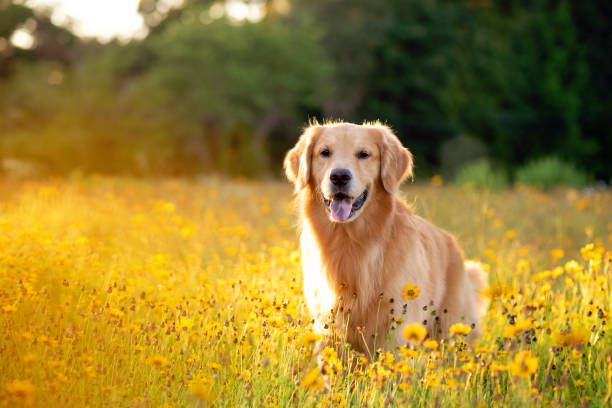
Golden Retrievers are more than just friendly faces and wagging tails; they are intelligent, energetic, and highly athletic dogs bred for activity. Originally developed in Scotland as gundogs to retrieve shot fowl, their lineage is steeped in outdoor work, requiring stamina, focus, and a love for water. This inherent drive makes them magnificent companions for a wide array of outdoor adventures, transforming mundane daily routines into exciting explorations.
For a Golden Retriever, outdoor activities are not just about physical exercise; they are crucial for their mental well-being, behavioral balance, and strengthening the bond with their human companions. A bored Golden is often a mischievous Golden, and channeling their energy and intelligence into constructive outdoor pursuits can prevent common behavioral issues like excessive chewing, digging, or barking. This guide delves deep into the myriad of outdoor activities you can enjoy with your Golden Retriever, offering detailed insights, safety tips, and guidance to ensure every outing is enriching and safe for both of you.
Understanding Your Golden Retriever: The Foundation of Outdoor Fun
Before embarking on any adventure, it’s vital to truly understand the nature of your Golden Retriever. They typically possess:
- High Energy Levels: Goldens require significant daily exercise, often 1-2 hours of vigorous activity, especially in their prime adult years.
- Intelligence and Trainability: Their eagerness to please and sharp minds make them highly trainable, excelling in obedience and complex tasks.
- Love for Water: A defining trait, most Goldens are natural swimmers and relish any opportunity to get wet.
- Strong Retrieve Drive: Their name says it all; fetching is often their favorite pastime.
- Friendly Demeanor: Generally sociable with people and other animals, though proper socialization is always key.
- Physical Robustness: While generally healthy, they are prone to certain breed-specific conditions (e.g., hip/elbow dysplasia, certain cancers) that necessitate careful activity planning.
Acknowledging these traits forms the bedrock of choosing appropriate and enjoyable outdoor activities.
Core Principles for Safe and Enjoyable Outdoor Activities
Every adventure, big or small, should be underpinned by a commitment to safety, preparation, and responsible pet ownership.
- Prioritize Health & Vet Checks: Before introducing new or strenuous activities, especially for puppies, senior dogs, or those with pre-existing conditions, consult your veterinarian. They can advise on appropriate types and intensities of exercise, screen for underlying health issues, and recommend preventive care.
- Age-Appropriateness is Key:
- Puppies (Under 1 Year): Focus on short, low-impact activities like gentle walks, supervised play, and introductory swimming. Avoid activities that involve repetitive jumping or long-distance running, which can damage developing joints.
- Adults (1-7 Years): This is their prime for high-energy activities. Gradually increase intensity and duration.
- Seniors (7+ Years): Adjust activities to their declining stamina and potential arthritis. Shorter walks, gentle swims, and mental games are often best. Monitor for signs of discomfort.
- Hydration is Non-Negotiable: Always carry ample fresh water for both you and your dog, along with a portable bowl. Offer water frequently, especially during and after exercise, and in warm weather.
- Pace Yourself & Build Endurance: Don’t go from zero to a marathon. Introduce new activities gradually, starting with short durations and low intensity. Observe your dog for signs of fatigue or discomfort and allow for rest days.
- Safety First, Always:
- Leash Laws: Adhere to local leash regulations. Even well-trained Goldens can be distracted or encounter unexpected hazards.
- Weather Conditions: Protect against heatstroke (especially Goldens with their thick coats), hypothermia, and paw damage from hot pavement, ice, or abrasive surfaces.
- Paw Protection: Inspect paws before and after activities. Consider paw balms or dog booties for extreme temperatures or rough terrain.
- Recall Training: A solid “come” command is paramount for off-leash safety in designated areas.
- First-Aid Kit: Carry a basic pet first-aid kit for minor injuries.
- Wildlife Awareness: Be aware of local wildlife and potential dangers (snakes, ticks, aggressive animals).
- Training Foundation: Basic obedience commands (sit, stay, come, heel, leave it) are essential for control and safety in any outdoor setting.
- Appropriate Gear: Invest in a comfortable, well-fitting harness or collar, a sturdy leash (hands-free options for running/hiking), identification tags, appropriate toys, and possibly a dog backpack for longer treks.
- “Leave No Trace” Principles: Always pick up after your dog. Respect natural environments, stay on marked trails, and minimize disturbance to wildlife.
Detailed Categories of Outdoor Activities with Your Golden Retriever
A. Water-Based Activities: A Golden’s Paradise
Given their heritage, Goldens are often happiest when near or in water. These activities provide excellent low-impact exercise and immense joy.
- Swimming:
- Why it’s great: An unparalleled full-body workout that’s gentle on joints, ideal for all ages, and especially beneficial for dogs with arthritis or those recovering from injuries. It’s also excellent for cooling down in summer.
- How to get started: Introduce your dog to water gradually in a calm, shallow area. Entice them with a favorite floating toy. Never force a dog into water.
- Essential Gear: A properly fitted dog life vest (PFD – Personal Flotation Device) is highly recommended, especially for beginners, open water, or if your dog tires easily. It aids buoyancy and provides a handle for easy retrieval. Floating toys are a must.
- Safety Tips:
- Choose safe swimming locations (dog-friendly lakes, oceans, rivers, pools). Avoid strong currents, stagnant water (blue-green algae risk), or heavily chlorinated public pools.
- Supervise closely.
- Rinse your dog thoroughly after swimming in saltwater or chlorinated water to prevent skin irritation and remove debris.
- Check ears for moisture, which can lead to ear infections. Dry them well.
- Be mindful of water quality and temperature.
- Variations: Fetching floating toys, swimming alongside you, or just paddling around.
- Dock Diving:
- Why it’s great: A fantastic competitive sport that channels their retrieve drive and love for water into an exciting athletic endeavor. It builds confidence and coordination.
- How to get started: Your dog needs to love swimming and fetching. Start by throwing a toy off a low dock into the water. Gradually increase the height as your dog gains confidence and skill. Many facilities offer introductory classes.
- Essential Gear: A favorite buoyant toy, a leash, and the facility’s safety equipment.
- Safety Tips: Ensure the dock and water entry/exit points are safe. Always warm up your dog before intense activity.
- Paddleboarding or Kayaking (with your dog):
- Why it’s great: A unique bonding experience that allows you to explore waterways together. It requires balance, patience, and provides mental stimulation for your dog.
- How to get started: Start on land, letting your dog get comfortable on the board/kayak. Practice “stay” and “off” commands. Once on water, begin in calm, shallow areas. Go for short trips initially.
- Essential Gear: Dog PFD, non-slip mat for the board/kayak, leash, water.
- Safety Tips: Ensure your dog is comfortable and secure. Watch for signs of seasickness. Always have a PFD on your dog.
- Beach Trips:
- Why it’s great: A sensory wonderland for Goldens! They can swim, chase waves, dig in the sand (supervised), and play fetch on the expansive shore.
- How to get started: Find dog-friendly beaches and check seasonal restrictions.
- Essential Gear: Long leash, floating toys, water, poop bags, towels.
- Safety Tips:
- Tides and Currents: Be aware of ocean conditions.
- Ingestion: Prevent your dog from ingesting too much sand or saltwater, which can cause digestive upset or salt poisoning.
- Hot Sand: Check sand temperature with your hand; if it’s too hot for you, it’s too hot for their paws.
- Wildlife: Keep an eye out for jellyfish, sharp shells, or other hazards.
- Other Beachgoers: Be respectful of others and keep your dog under control.
B. On-Leash & Trail Activities: Exploring the World Together
These activities cater to the Golden’s natural curiosity and desire to be active alongside their human.
- Walking & Brisk Walks:
- Why it’s great: A daily necessity for all Goldens. It provides fundamental exercise, allows for sniffing (mental enrichment), and reinforces leash manners.
- How to get started: Simply step out your door! Vary your routes to keep it interesting – explore new neighborhoods, local parks, or short nature trails.
- Essential Gear: Comfortable leash and harness/collar, poop bags.
- Safety Tips: Always be aware of your surroundings, traffic, and other pedestrians/dogs. Adjust walk duration and intensity based on weather and your dog’s fitness.
- Hiking:
- Why it’s great: Goldens are natural trail companions, eager to explore. Hiking offers physical challenge, mental stimulation from new sights and smells, and incredible bonding opportunities in nature.
- How to get started: Start with short, easy, well-maintained trails. Gradually increase distance, elevation, and terrain difficulty.
- Essential Gear: Sturdy leash (hands-free option is great), comfortable harness, dog backpack (for carrying water/treats), collapsible water bowl, first-aid kit, paw balm/booties for rough terrain, high-value training treats.
- Safety Tips:
- Trail Selection: Choose dog-friendly trails (check park regulations). Consider your dog’s fitness level, age, and any physical limitations. Avoid trails with steep drop-offs or dangerous water features initially.
- Hydration: Carry more water than you think you’ll need.
- Paw Protection: Inspect paws regularly for cuts, blisters, or embedded debris.
- Leash Laws & Etiquette: Always follow leash laws. Yield to other hikers. Keep your dog close when passing others or wildlife.
- Tick & Parasite Prevention: Use appropriate preventatives and check for ticks after every hike.
- Weather: Avoid hiking in extreme heat or cold.
- Variations: Day hikes, multi-day backpacking trips (for experienced duos), trail running.
- Urban Exploration:
- Why it’s great: While Goldens love nature, they also thrive on novel experiences. Exploring dog-friendly city parks, outdoor markets, or walking trails through historic districts provides different sensory input and social exposure.
- How to get started: Research dog-friendly areas in your city. Start with less crowded times.
- Essential Gear: Leash, harness, poop bags, water.
- Safety Tips: Be vigilant about traffic, broken glass, discarded food, and other urban hazards. Ensure your dog is comfortable with crowds and noise.
C. High-Energy & Athletic Activities: Unleashing the Canine Athlete
For the robust and energetic Golden, these activities push their physical and mental limits in exciting ways.
- Running/Jogging:
- Why it’s great: An excellent cardiovascular workout for Goldens, fulfilling their need for sustained activity. Builds stamina and muscle.
- How to get started:
- Age: Only suitable for adult Goldens (minimum 18 months, preferably 2 years, to protect developing joints).
- Conditioning: Start with a walk/run interval program. Gradually increase run time and distance.
- Vet Check: Essential before starting a running program.
- Essential Gear: Hands-free running leash (e.g., bungee leash worn around your waist), comfortable harness (Y-front recommended to avoid restricting shoulder movement), appropriate running shoes for you, reflective gear for low light.
- Safety Tips:
- Surface: Run on softer surfaces like dirt trails, grass, or sand (if stable) to reduce impact on joints. Avoid hot pavement.
- Weather: Avoid running in hot, humid weather (heatstroke risk). Be mindful of ice and snow in winter.
- Pacing: Follow your dog’s lead. If they slow down, pant excessively, or lag, take a break.
- Hydration: Always carry water.
- Paw Care: Check paws for wear and tear.
- Variations: Canicross (cross-country running with your dog pulling you via a harness), simply jogging through your neighborhood.
- Biking (Controlled Canicross/Bikejoring Light):
- Why it’s great: Allows you to cover more ground at a higher speed, providing an intense workout.
- How to get started: This activity requires advanced training. Your dog must be excellent on a leash, understand directional cues, and be comfortable running alongside a bike without getting under the wheels. Start with short, slow rides on calm paths.
- Essential Gear: Bike attachment (e.g., Springer, WalkyDog) to keep your dog safely away from the wheels and absorb jolts, a well-fitting pulling harness, helmet for you. Never attach the leash directly to the bike frame or handlebars.
- Safety Tips:
- Training is Paramount: Your dog must be exceptionally well-trained.
- Bike Control: You need to be a confident and skilled cyclist.
- Surfaces: Stick to smooth, even paths initially. Avoid busy roads.
- Hydration: Crucial for this strenuous activity.
- Not for all Goldens: Some Goldens may not take to this activity or have the correct physical build/temperament.
- Agility Training (Outdoor):
- Why it’s great: A fantastic way to combine physical exercise, mental challenge, and teamwork. It builds confidence, coordination, and strengthens your bond.
- How to get started: Many dog training clubs offer agility classes. You can also start with basic DIY obstacles in your yard, like jumping over a broomstick or crawling through a tunnel.
- Essential Gear: Jumps, tunnels, weave poles, pause table (can be purchased or DIY). High-value treats and a favorite toy for motivation.
- Safety Tips: Ensure all obstacles are stable and safe. Start low and slow, gradually increasing height and complexity. Proper warm-up and cool-down are important. Consult a professional trainer for correct technique to prevent injury.
- Flyball / Disc Dog:
- Why it’s great: These competitive dog sports are ideal for Goldens with high retrieve drives, speed, and agility. They provide intense physical and mental workouts and foster incredible teamwork.
- How to get started:
- Flyball: Focus on retrieve, recall, and desire to jump. Find a local flyball club for training.
- Disc Dog: Start with basic fetch and introduce a soft, dog-safe flying disc. Teach your dog to catch it in the air. Many online resources and local clubs can guide you.
- Essential Gear: Flyball box, specific flying discs, sturdy leash.
- Safety Tips: Proper warm-up and cool-down are crucial for preventing injuries in these high-impact sports. Use appropriate equipment (e.g., dog-safe flying discs, not human frisbees).
D. Scent Work & Mental Stimulation Activities (Outdoors): Engaging the Golden’s Mind
Golden Retrievers are intelligent and food-motivated, making scent work incredibly rewarding. These activities are excellent for mental enrichment and can be done in various outdoor settings.
- Scent Games / Nose Work:
- Why it’s great: Taps into their natural olfactory abilities, providing immense mental stimulation and satisfying their hunting instincts. It’s calming and builds confidence.
- How to get started: Start simple! Hide treats around your yard and encourage your dog to “find it.” Gradually increase the difficulty by using smaller treats, more challenging hiding spots, or moving to new environments (e.g., a park).
- Essential Gear: High-value treats (small and smelly!), or specific “target odors” for advanced nose work training.
- Safety Tips: Ensure the hiding spots are safe and free from hazards. Don’t let your dog eat anything unknown they find.
- Tracking:
- Why it’s great: A more formal version of scent work, where your dog follows a specific human scent trail. It requires intense focus and builds problem-solving skills.
- How to get started: Join a tracking club or take a class. A certified instructor can guide you through the techniques of laying a track and encouraging your dog to follow it.
- Essential Gear: A long line (15-30 feet), tracking harness, and reward markers.
- Safety Tips: Practice in safe, open areas. Be mindful of weather conditions that affect scent.
- Retrieve Games (Beyond Basic Fetch):
- Why it’s great: Goldens were bred for retrieving, so these games are inherent to their joy. Varied retrieve games offer physical exertion and mental engagement.
- How to get started:
- Standard Fetch: Use balls, frisbees, or bumpers.
- “Go Find”: Train your dog to retrieve specific named objects. Start by teaching “bring X” indoors, then move outdoors. Hide the object and tell them “go find X.”
- Hidden Item Retrieve: Hide a favorite toy in tall grass, behind a bush, or under a log, and send your dog to find it.
- Essential Gear: A variety of retrieve toys (balls, dummies, frisbees), ideally buoyant ones if near water.
- Safety Tips: Ensure toys are dog-safe and appropriately sized. Avoid throwing toys on hard surfaces that can cause impact injuries.
E. Social & Community Activities: The Friendly Golden in Action
Goldens thrive on social interaction. These activities allow them to engage with others (both human and canine) in a structured or informal outdoor setting.
- Dog Parks:
- Why it’s great: Provides off-leash socialization and play opportunities with other dogs, crucial for a Golden’s well-being.
- How to get started: Research local dog parks, check rules and regulations. Visit during off-peak hours initially to assess the environment.
- Essential Gear: Leash, poop bags, water, dog-park-appropriate toys (avoid anything highly possessive).
- Safety Tips:
- Supervision: Never leave your dog unsupervised.
- Temperament: Ensure your Golden is friendly and well-socialized. Not all dogs do well in dog parks.
- Aggression: Be vigilant for signs of aggression in other dogs and remove your dog if any issues arise.
- Health: Ensure your dog is up-to-date on vaccinations and parasite prevention.
- Recall: Good recall is vital.
- Size separation: Use separate areas for small and large dogs if available.
- Dog-Friendly Events & Festivals:
- Why it’s great: A chance to introduce your Golden to new sights, sounds, and people in a controlled environment. Many communities host dog walks, charity events, or pet-friendly fairs.
- How to get started: Check local community calendars or pet store listings.
- Essential Gear: Leash, harness, water, poop bags, comfortable walking shoes for you.
- Safety Tips: Ensure your dog is comfortable with crowds and noise. Be mindful of hot asphalt or concrete. Avoid very crowded events if your dog is easily overwhelmed.
- Golden Retriever Meetup Groups:
- Why it’s great: A fantastic way for your Golden to play with their own kind and for you to connect with other Golden owners. These often take place in parks or open fields.
- How to get started: Search online platforms (e.g., Meetup.com, Facebook groups) for Golden Retriever specific gatherings in your area.
- Volunteer Work (Outdoor Therapy/Assistance):
- Why it’s great: Goldens’ gentle and intelligent nature makes them excellent therapy or assistance dogs. Outdoor tasks can include visiting outdoor community spaces, assisting with garden work for those with disabilities, or participating in outdoor educational programs. This provides immense purpose and social interaction.
- How to get started: Your dog needs to pass temperament tests and receive formal training and certification from a recognized organization.
F. Seasonal Outdoor Activities: Adapting to the Calendar
The outdoor environment changes with the seasons, offering unique opportunities and requiring specific considerations.
- Spring:
- Activities: Longer walks as the weather warms, exploring gardens and blooming nature, first swims in increasingly warmer waters.
- Considerations: Mud (paw cleaning!), emerging ticks and fleas (ensure prevention), potential for new outdoor allergens.
- Summer:
- Activities: Water sports galore (swimming, paddleboarding, beach trips), early morning/late evening walks and runs to avoid heat, shaded trail hikes.
- Considerations: Heatstroke is the biggest risk. Always check pavement temperature, use cooling vests, ensure constant hydration, and never leave your dog in a car. Watch for blue-green algae in stagnant water.
- Autumn:
- Activities: Energetic forest walks (kicking through leaf piles!), scent work in fallen leaves, longer hikes as the weather cools. Excellent time for competitive sports.
- Considerations: Hunting season (wear bright colors in hunting areas), acorns (toxic if ingested in large quantities), ticks are still active.
- Winter:
- Activities: Snow play (digging, fetching in snow, rolling in powder!), brisk walks, exploring quiet winter landscapes.
- Considerations:
- Paw Protection: Ice, salt, and abrasive surfaces can harm paws. Use paw balm or booties.
- Hypothermia/Frostbite: While Goldens have thick coats, extreme cold, especially prolonged exposure or getting wet, can be dangerous. Consider a dog coat if temperatures drop significantly.
- Ice: Avoid walking on thin ice.
- Antifreeze: Highly toxic; wipe paws after walks in areas where it might be present.
- Visibility: Use reflective gear for low light conditions.
Beyond the Activity: Cool-Down, Recovery & Monitoring
The post-activity phase is just as important as the activity itself for your Golden’s health and well-being.
- Cool-Down Period: After vigorous exercise, allow for a gradual cool-down with a leisurely walk or gentle stretching to prevent muscle stiffness and aid recovery.
- Thorough Inspection:
- Paws: Check for cuts, blisters, thorns, ice balls, or embedded debris.
- Coat: Brush out burs, seeds, or any unwanted hitchhikers.
- Ears: Inspect and dry thoroughly, especially after water activities, to prevent infections.
- Skin: Check for ticks, fleas, or any unusual bumps or rashes.
- Hydration & Nutrition: Offer fresh water immediately. A balanced meal after a strenuous outing will help replenish energy stores.
- Recognize Signs of Fatigue or Injury: Be vigilant for limping, excessive panting, reluctance to move, stiffness, or any unusual behavior. If concerned, consult your vet. Early detection can prevent minor issues from becoming major problems.
Conclusion
Golden Retrievers are truly exceptional outdoor companions, their boundless energy, loving personalities, and inherent athleticism making them perfect partners for almost any adventure. From splashing in the lake to conquering a mountain trail, their enthusiasm is infectious, transforming every outing into a joyous shared experience. By understanding their needs, prioritizing safety, and implementing responsible practices, you can unlock a world of outdoor fun that not only keeps your Golden physically fit and mentally stimulated but also deepens the incredible bond you share. So, grab that leash, pack the water, and embark on a lifetime of exciting outdoor memories with your magnificent Golden Retriever. The great outdoors awaits!
#GoldenRetriever, #GoldenRetrieverLife, #OutdoorDog, #AdventureDog, #DogsofInstagram, #GoldenRetrieversOfInstagram, #DogActivities, #DogExercise, #HappyDog, #ActiveDog, #WaterDog, #HikingWithDogs, #DogAdventures, #FetchLife, #DogLover, #GoldenLove, #RetrieverLife, #DogFitness, #DogTraining, #CanineAthlete, #DogSport, #NoseWorkDog, #SwimDog, #PaddleboardDog, #DogHiking, #ExploreWithDogs, #BestDogEver, #GoldenHour, #DogsOfYouTube, #DogVlog, #DogLifestyle, #GoldenRetrieverWorld, #K9Adventures, #WagMoreBarkLess, #DogLife, #GoldenFun, #OutdoorAdventures, #TrailDog, #BeachDog, #ActiveLifestyle, #PetParent, #DogWellness, #HappyPaws.





Add comment