
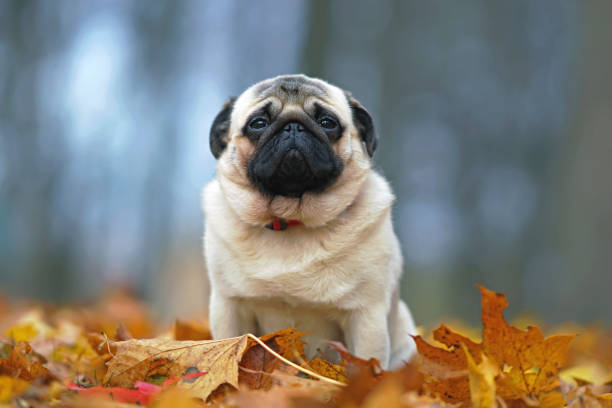
Pugs, with their endearing wrinkled faces, charming personalities, and distinctive snorts, often conjure images of cozy indoor companions. While they are undoubtedly masters of the couch potato lifestyle, these stout little dogs are far from averse to the great outdoors. In fact, a healthy pug can thrive on a diverse range of outdoor activities, provided their unique physical characteristics and sensitivities are understood and accommodated. This comprehensive guide aims to debunk the myth that pugs are solely indoor pets, offering a plethora of outdoor adventures you can share with your fawn or black friend, while always prioritizing their safety, comfort, and well-being.
Understanding Your Pug’s Outdoor Needs & Limitations: The Foundation of Safe Fun
Before embarking on any outdoor escapade, it’s crucial to acknowledge the specific physiological traits that make pugs different from other breeds. Pugs fall into the brachycephalic (short-nosed) category, which significantly impacts their ability to regulate body temperature and breathe efficiently, especially during physical exertion.
Key Physiological Considerations:
- Brachycephalic Syndrome: Their flattened face, shortened muzzle, and often elongated soft palate mean pugs have compromised airways. This makes them prone to overheating and struggling to breathe, even during mild exercise. They cannot pant as effectively as long-nosed breeds to cool themselves down.
- Temperature Sensitivity:
- Heat: Pugs are extremely susceptible to heatstroke. Their inability to cool effectively makes even a warm, humid day dangerous. Direct sunlight, strenuous exercise, and lack of hydration can quickly lead to life-threatening situations.
- Cold: While less common, pugs can also get too cold, especially if wet or inactive in frigid temperatures. Their single coat offers limited protection.
- Energy Levels: Pugs are not endurance athletes. They typically have bursts of energy followed by periods of rest. Their exercise needs are moderate, consisting of short, frequent walks rather than long hikes or intense runs.
- Physical Build: Their compact, stocky bodies and short legs mean they aren’t built for jumping or navigating rough terrain. They can be prone to joint issues (like luxating patella) and spinal problems, so high-impact activities should be avoided.
- Individual Personality: Like humans, pugs have varying degrees of adventurousness. Some may be more eager explorers, while others prefer gentle strolls. Always observe your pug’s cues and never force them into an activity they dislike.
- Overall Health: A pre-activity vet check-up is highly recommended, especially if your pug is older, overweight, or has any known health conditions. Your vet can advise on appropriate activity levels and caution areas.
By understanding these limitations, you can tailor outdoor activities that are both enjoyable and safe for your beloved pug.
Essential Gear for Pug Outdoor Adventures: Preparedness is Key
Having the right equipment is non-negotiable for safe and comfortable outdoor experiences with your pug.
- Harness (Preferred over Collar): A well-fitting, comfortable harness that distributes pressure across the chest is crucial. Collars can put dangerous pressure on a pug’s delicate trachea, exacerbating breathing difficulties. Look for harnesses designed for brachycephalic breeds or those with a Y-front design.
- Leash: A standard 4-6 foot leash is ideal. Avoid retractable leashes, as they offer less control and can be dangerous for you and your pug.
- Portable Water Bottle & Bowl: Hydration is paramount. Always carry fresh water and a collapsible bowl. There are also water bottles with integrated dispensers.
- Cooling Vest/Bandana/Mat: On warmer days, a cooling vest or bandana, soaked in cold water, can help regulate body temperature. A portable cooling mat can be useful for resting breaks.
- Paw Protection:
- Boots: In extreme temperatures (very hot pavement, icy conditions) or on rough terrain, dog boots can protect delicate paw pads.
- Paw Balm: Protects against cracking and dryness.
- Dog Waste Bags: Be a responsible pet owner and always clean up after your pug.
- Dog First-Aid Kit: Include essentials like antiseptic wipes, gauze, veterinary wrap, tweezers (for splinters/ticks), saline solution, and any specific medications your pug needs.
- GPS Tracker (Optional but Recommended): A small tracker attached to their harness can provide peace of mind, especially in unfamiliar or open areas.
- Car Safety Gear: A properly secured car crate or a crash-tested seatbelt harness is essential for safe travel to and from your adventure spots.
- Sun Protection: Consider dog-specific sunscreen for light-skinned pugs, especially on their noses and ear tips if exposed, and a lightweight, breathable hat or visor for very sunny days.
- Reflective Gear/Lights: For early morning or evening walks, reflective tape on harnesses/leashes or small clip-on lights enhance visibility.
Pre-Activity Checklist: Setting Up for Success
Before you even step out the door, a quick check-in ensures a smooth and safe outing:
- Hydration: Offer your pug fresh water 15-20 minutes before heading out.
- Potty Break: Allow them to relieve themselves to prevent accidents and maximize enjoyment during the activity.
- Weather Check: Crucial for pugs. Check temperature, humidity, and sun intensity. If it’s over 75°F (24°C) or highly humid, consider indoor activities or very short, early morning/late evening outings. Similarly, be mindful of freezing temperatures.
- Route Planning: Opt for flat, shaded routes. Avoid asphalt or concrete on hot days, as it can reach scorching temperatures.
- Emergency Contacts: Have your vet’s number readily available, and know the nearest emergency vet clinic.
- Pug’s Mood: Observe your pug’s energy levels and enthusiasm. If they seem lethargic or unwilling, a rest day might be best.
Outdoor Activities You Can Do With Your Pug: Tailored for Their Enjoyment
Here’s a detailed breakdown of activities, ranging from gentle to more adventurous (with assistance), keeping your pug’s well-being at the forefront.
1. Gentle Strolls & Park Visits: The Pug’s Bread and Butter
These are the cornerstone of a pug’s outdoor life, providing crucial exercise, mental stimulation, and socialization without overexertion.
- Neighborhood Walks:
- Pace & Duration: Aim for a leisurely pace. Let your pug sniff and explore; this is mental enrichment! Keep walks short, typically 15-20 minutes, two to three times a day. Adjust duration based on weather and your pug’s stamina.
- Timing: Early morning or late evening are best to avoid the heat.
- Surfaces: Stick to grass or shaded dirt paths. Avoid hot pavement.
- Benefits: Cardiovascular health, muscle tone, potty breaks, mental stimulation from new sights and smells, bonding time.
- Local Parks:
- Designated Dog Areas: If available, ensure it’s a calm, well-supervised environment. Pugs can be overwhelmed by highly boisterous dogs.
- Leash Laws: Always respect local regulations.
- Socialization: Controlled interactions with other calm, vaccinated dogs and friendly people can be very beneficial.
- Exploration: Parks offer varied terrain (grass, small paths) and many new smells.
- Botanical Gardens & Arboretums (Dog-Friendly):
- Many botanical gardens and nature preserves welcome leashed dogs. These offer beautiful, often shaded, and relatively flat paths, providing a serene environment for you and your pug to enjoy nature.
- Check Policies: Always verify dog-friendly policies, as rules can vary.
- Exploring New Urban Areas (Short Bursts):
- A change of scenery, even if it’s just a different block or a quaint shopping area (if dog-friendly), can be exciting. Keep it brief, focus on sniffs, and be ready to carry them if crowds or fatigue set in.
- Beach Walks (Extreme Caution & Cooler Times):
- If you live near a dog-friendly beach and it’s a cool day, a very short stroll along the wet sand can be enjoyable.
- Considerations:
- Heat: Sand can get incredibly hot. Stick to mornings or evenings.
- Salt Water: Prevent them from drinking too much saltwater (can cause vomiting/diarrhea). Rinse their paws and coat thoroughly afterward to remove salt and sand, which can be irritating.
- Waves/Currents: Keep them far from strong waves. Pugs are generally not strong swimmers.
- Debris: Watch out for sharp shells or trash.
2. Relaxed Recreation & Picnics: Embracing the Leisurely Life
Pugs excel at activities that involve companionship and comfort.
- Backyard Fun:
- Gentle Fetch: Use a soft, lightweight toy for very short distances. Focus on engagement, not intense cardio.
- Hide-and-Seek: Hide treats or yourself in the yard, letting your pug use their excellent nose to find you.
- Sprinkler Play: On very warm days, a gentle sprinkler can be a fun and safe way for a pug to cool down. Supervise closely.
- “Snuffle Mat” Outdoors: Place a snuffle mat with treats in a shaded spot in the yard for mental stimulation.
- Patio/Balcony Relaxation:
- If you have a safe, enclosed patio or balcony, it can be a wonderful spot for your pug to enjoy fresh air, sunbathe briefly (with shade options), and observe the world.
- Safety First: Ensure no gaps they can fall through and no access to toxic plants.
- Picnics in the Park:
- Find a shady spot in a dog-friendly park. Lay out a blanket for yourself and your pug.
- Pug’s Role: Your pug can enjoy the fresh air, people-watch, and perhaps share a few safe, dog-friendly picnic treats (e.g., small pieces of apple, carrot, plain cooked chicken).
- Stay Hydrated: Always have water accessible for your pug.
- Outdoor Cafes (Dog-Friendly):
- Many cafes and restaurants with outdoor seating welcome well-behaved, leashed dogs. This is a great way for your pug to socialize and enjoy being out while you relax.
- Etiquette: Ensure your pug stays under the table, doesn’t beg, and is calm.
3. “Adventure” with Assistance: Expanding Horizons Safely
For longer outings or more challenging terrains, pug assistance devices are invaluable.
- Dog Strollers:
- Purpose: Dog strollers are perfect for covering longer distances, navigating crowded areas, allowing senior pugs or those with mobility issues to join, or providing a safe resting place during a longer outing (e.g., a trip to an outdoor market).
- Benefits: Allows pugs to experience new environments without the physical exertion, protects paws, helps prevent overheating.
- Backpacks/Slings (Dog Carriers):
- Purpose: For more adventurous owners who want to hike or explore challenging trails, a comfortable, well-ventilated dog carrier backpack or front sling allows your pug to join the journey.
- Considerations:
- Comfort: Ensure the carrier is well-padded and the pug can sit or lie comfortably.
- Ventilation: Crucial to prevent overheating.
- Weight: Be mindful of your own comfort carrying the pug.
- Short Bursts of Walking: Allow your pug to walk safely on flat, easy sections to stretch their legs.
- Boating/Kayaking (Short, Calm Waters, Life Vest ESSENTIAL):
- Some pugs surprisingly enjoy being on the water, especially if they feel secure.
- Absolutely Non-Negotiable: A properly fitted dog life vest is mandatory. Pugs are top-heavy and poor swimmers; they sink quickly.
- Conditions: Stick to very calm, shallow waters (lakes, slow rivers).
- Duration: Keep it very short. Sun exposure and motion can be taxing.
- Entry/Exit: Ensure easy, safe entry and exit from the boat.
- Car Rides to Scenic Overlooks:
- Even a simple drive to a beautiful viewpoint can be an “adventure.” Get out briefly, let your pug sniff around the car, and enjoy the scenery together.
- Safety: Always use a car crate or seatbelt harness. Never leave your pug unattended in a car, especially in warm weather.
4. Mental Stimulation Outdoors: Engaging Their Minds
Outdoor environments offer a wealth of sensory experiences crucial for mental enrichment.
- Sniffing Walks (Decompression Walks):
- Allow your pug to lead the walk, stopping to sniff everything they find interesting. This is incredibly stimulating and relaxing for dogs. It’s not about covering distance but about sensory exploration.
- “Find It” Games in the Grass:
- Toss small, high-value treats into a patch of grass and encourage your pug to “find it.” This engages their natural sniffing abilities and is a low-impact mental workout.
- People & Dog Watching:
- From a safe, comfortable distance, let your pug observe the bustling world around them. This provides mental stimulation without the pressure of direct interaction, especially for shy pugs.
- Training Sessions in a New Environment:
- Practice basic commands like “sit,” “stay,” and “come” in a park or a new outdoor setting. The new environment adds a layer of distraction, making the training more challenging and rewarding. Keep sessions short and positive.
5. Water Activities (Extreme Caution & Supervision): Cooling Down Safely
While pugs are generally not water dogs due to their brachycephalic structure and heavy build, some enjoy gentle water play in specific, controlled conditions.
- Shallow Wading Pools:
- A small, shallow kiddie pool filled with just a few inches of water (enough to cover their paws) is an excellent way for pugs to cool off and splash around on a hot day.
- Supervision: Always supervise.
- Sprinklers:
- A gentle sprinkler can be a fun and safe way for a pug to cool down and play. Ensure the water pressure isn’t too strong.
- Beach Wading (Very Calm, Supervised, Life Vest):
- If at a calm beach or lake, allow your pug to wade in the absolute shallowest water, no deeper than their chest.
- Life Vest: A life vest is still highly recommended even for wading, as a stumble could plunge them into deeper water.
- No Swimming: Do not encourage or allow your pug to swim unless you are in the water with them, they are wearing a life vest, and it’s in a very controlled, shallow environment.
Safety First: Crucial Considerations for Pug Owners
The most elaborate guide is meaningless without an unwavering commitment to safety. For pugs, this means hyper-vigilance.
- Heatstroke Prevention & Recognition: This is the single greatest threat to a pug during outdoor activities.
- Prevention:
- Avoid activities in temperatures above 75°F (24°C) or high humidity.
- Stick to early mornings or late evenings.
- Always seek shade.
- Provide constant access to fresh, cool water.
- Never leave a pug in a parked car, even for a minute, even with windows cracked.
- Use cooling vests, mats, or bandanas on warm days.
- Walk on grass or dirt, never hot pavement.
- Symptoms of Heatstroke: Excessive panting (more than usual for a pug), difficulty breathing, drooling, glazed eyes, weakness, staggering, dark red gums, vomiting, diarrhea, collapse, seizures.
- Immediate Action: If you suspect heatstroke:
- Stop activity immediately.
- Move to a cool, shaded area.
- Offer small sips of cool (not ice-cold) water.
- Apply cool (not ice-cold) water to their paw pads, groin, and armpits.
- Place a cool, wet towel over them (do not cover completely as this traps heat).
- Rush to the nearest emergency vet, even if they seem to recover. Heatstroke can have delayed internal effects.
- Prevention:
- Cold Weather Risks:
- Hypothermia: Pugs can get cold. If temperatures are freezing, limit outdoor time, especially if wet.
- Paw Protection: Salt and ice melt on sidewalks can irritate or burn paw pads. Consider boots or paw balm.
- Clothing: A warm, waterproof coat can provide comfort in cold, damp weather.
- Pace Yourself: Always follow your pug’s lead. If they slow down, lag, or start panting excessively, it’s time for a break or to head home. Don’t push them.
- Hydration: Always carry more water than you think you’ll need. Offer water frequently, even if they don’t seem thirsty.
- Environmental Hazards:
- Toxic Plants: Be aware of common toxic plants in your area.
- Parasites: Check regularly for ticks, especially after walks in grassy or wooded areas. Use appropriate flea and tick prevention.
- Sharp Objects/Debris: Watch out for broken glass, sharp rocks, or other harmful items on paths.
- Slippery Surfaces: Pugs can slip and injure themselves on wet leaves, ice, or polished floors.
- Traffic: Always keep your pug on a leash near roads.
- Wild Animals: Be aware of local wildlife; keep your pug under close control to prevent encounters.
- Socialization: While beneficial, ensure interactions with other dogs and people are positive and calm. Pugs can be fragile and easily intimidated or injured by larger, boisterous dogs.
- Leash Laws & Etiquette: Always abide by local leash laws. Be courteous to others on trails and in parks.
- First Aid Basics: Learning basic canine first aid can be a lifesaver. Know how to handle minor cuts, sprains, or sudden illness.
- Avoid Over-Excitement: Pugs can get so excited they forget their breathing limitations. Try to keep outdoor play calm and controlled.
Training for Outdoor Success: Building Good Habits
A well-trained pug is a safer and more enjoyable outdoor companion.
- Leash Manners: Teach your pug to walk politely on a leash without pulling. This prevents tracheal damage and makes walks more pleasant.
- Recall (“Come”): A reliable recall is essential, especially in off-leash areas (where permitted and safe).
- “Leave It”: This command can prevent your pug from ingesting harmful objects or approaching potentially dangerous situations.
- Socialization: Positive exposure to various sights, sounds, people, and calm dogs from a young age helps create a confident, well-adjusted outdoor companion.
- Crate Training: A well-crate-trained pug is more secure and comfortable during car travel to and from outdoor adventures.
Post-Adventure Care: Winding Down Safely
The adventure isn’t over until your pug is safely settled back at home.
- Inspection: Thoroughly check your pug’s paws for cuts, thorns, or irritation. Look for ticks in their fur, ears, and between paw pads.
- Hydration: Offer fresh water immediately.
- Rest: Allow them ample time to rest and recover.
- Clean-up: If they got muddy, sandy, or wet, give them a quick bath or wipe-down to prevent skin irritation or dirtying your home.
- Monitor: Keep an eye on them for a few hours for any signs of fatigue, lameness, or illness.
Conclusion: Embracing the Pug’s Outdoor Potential
Pugs are not just lap dogs; they are curious, joyful, and often surprisingly adventurous companions who thrive on experiencing the world alongside their humans. With careful planning, appropriate gear, and a deep understanding of their unique needs and limitations, you can open up a vast world of outdoor fun for your pug. From leisurely park strolls and engaging backyard games to assisted “hikes” and safe water play, the possibilities are numerous.
Remember, the goal is not to transform your pug into an Olympic athlete, but to enrich their lives with sensory experiences, gentle exercise, and quality time spent with you in the fresh air. Always prioritize their safety, listen to their cues, and celebrate every snorty, wiggly, happy moment of your shared outdoor adventures. A happy, healthy pug is one whose needs (physical, mental, and emotional) are met, and for many pugs, that includes a healthy dose of the great outdoors.
#PugLife, #PugAdventures, #OutdoorPug, #PugWalks, #PugCare, #BrachycephalicCare, #DogSafety, #PugLove, #PugCommunity, #HappyPug, #PugsofInstagram, #DogFriendly, #SmallDogBigAdventures, #PugHealth, #PugTips, #AdventureDog (assisted), #Pawsome, #DogMom, #DogDad, #PetWellness, #PugGoals, #WalkYourPug, #PugFacts, #DogActivities, #ShortNosedDog, #OutdoorPets, #PuppyLove, #SeniorPug, #PugFun.





Add comment