
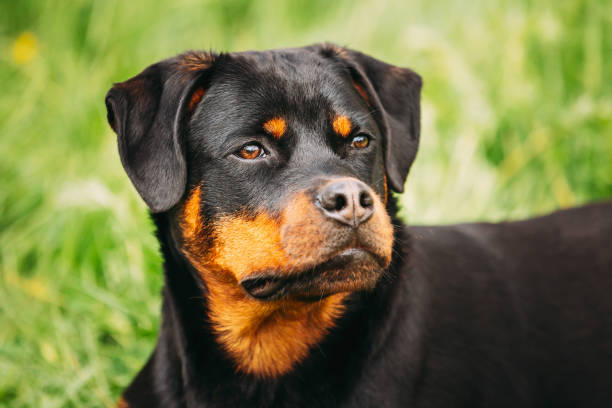
I. Introduction: The Rottweiler – A Partner, Not a Pet
The Rottweiler is one of the world’s oldest herding and driving breeds, a descendant of the powerful mastiffs that marched with the Roman legions. Known for their incredible strength, unwavering loyalty, and formidable protective instinct, Rottweilers (often affectionately called “Rotties”) are fundamentally working dogs. They are not genetically predisposed to idleness; a Rottweiler confined to a backyard or solely relegated to couch status will quickly become bored, destructive, and potentially frustrated.
Outdoor activity is non-negotiable for this breed, serving two paramount purposes: physical conditioning and, more importantly, mental fulfillment. When a Rottweiler is given a purpose—a physical or mental task to complete—their inherent nature as reliable, powerful partners shines through.
This guide provides an exhaustive exploration of outdoor activities suitable for the Rottweiler, ranging from competitive dog sports to rigorous endurance challenges and bonding recreational pursuits. Given the breed’s specific physical structure (predisposition to joint issues) and sensitivity to heat, meticulous attention is paid to safety, proper training prerequisites, and necessary gear.
II. Foundational Prerequisites: Training, Health, and Safety
Before embarking on high-intensity or public activities with a Rottweiler, several foundational elements must be mastered. Due to their immense strength (a mature male can easily weigh 135 lbs and possess significant pull power) and protective instincts, control is paramount.
A. Non-Negotiable Obedience
The foundation of any successful outdoor partnership is impeccable obedience, taught through positive reinforcement and consistency.
- The Rock-Solid Recall: Whether hiking or working in an open field, a Rottweiler must respond instantly to the “Come” command, regardless of distraction (wildlife, other dogs, people). This is vital for safety and mitigating the breed’s prey drive.
- The Trustworthy “Stay/Wait”: Essential for safety checks (e.g., crossing a road, waiting for gear setup) and for building self-control.
- The “Heel” Command (Loose-Leash Walking): A Rottweiler must walk politely beside its handler, responding immediately to directional changes, especially when navigating crowded trails or urban environments. Their pulling capacity requires a handler to be fully prepared and equipped with the right gear (see Section VI).
- The “Leave It” Command: Crucial for preventing the dog from consuming hazardous items (trash, poisonous plants, toxic carrion) encountered on trails.
B. Health and Joint Management Considerations
Rottweilers are prone to Hip and Elbow Dysplasia, Osteochondritis Dissecans (OCD), and, like many large breeds, are susceptible to certain cancers (Osteosarcoma) and Bloat (GDV).
- Veterinary Screening: Before starting any strenuous or competitive activity (especially running or weight-bearing sports), a veterinarian must screen the dog for joint health. Avoid high-impact, repetitive jumping until the growth plates are fully closed (usually around 18–24 months).
- Warm-up and Cool-down: Always incorporate a 5-10 minute gentle walk/trot before intense exercise to prepare muscles and joints. A similar cool-down prevents lactic acid buildup.
- Surface Selection: Prefer soft surfaces (grass, earth, packed dirt trails) over asphalt or concrete, which are extremely hard on joints and feet.
C. Heat and Hydration Protocols
Rottweilers possess a heavy double coat and, while not truly brachycephalic, have a heavier bone structure and muscle mass, making them highly susceptible to heat exhaustion and heatstroke.
- Timing: Schedule intense activities for early mornings or late evenings during warmer months. The “20-Second Rule” for pavement temperature applies: if you cannot hold the back of your hand on the pavement for more than 20 seconds, it is too hot for the dog’s paws.
- Hydration: Always carry significantly more water than you think you need. Invest in collapsible bowls and water bottles specifically designed for dogs.
- Cooling Gear: Cooling vests or bandanas, soaked in cold water, can drastically lower core body temperature during necessary exercise.
III. High-Energy & Endurance Activities: Tapping the Rotty’s Power
These activities leverage the Rottweiler’s innate drive, strength, and stamina, providing essential physical output. These are suitable for fully mature, conditioned dogs (2 years or older).
1. Hiking and Trekking (The Expedition Partner)
Rottweilers make excellent hiking companions due to their endurance and natural protective instincts.
Planning and Preparation:
- Terrain Mastery: Start with flat, short trails, progressively moving to longer, varied terrain. Avoid sheer vertical climbs that put undue stress on the shoulders and back.
- Paw Protection: Hiking boots are essential for rocky or scree-filled trails to prevent abrasions or lacerations that could sideline a long trip.
- Backpacking (Canine Load-Carrying): Once experienced, a Rottweiler can carry its own supplies (water, food, first aid) in a specialized canine backpack. Start with an empty pack, slowly introducing weight (no more than 10-15% of the dog’s body weight for a conditioned adult). Carrying a pack provides a strong sense of purpose.
- Trail Etiquette: Always yield to other hikers, keep the dog leashed in crowded areas, and adhere strictly to “Leave No Trace” principles (pack out all waste).
2. Urban Mushing and Pulling Sports (Harnessing Raw Power)
Urban mushing activities—Bikejoring (dog pulls a bike), Scooterjoring (dog pulls a scooter), and Canicross (dog pulls a runner)—allow the Rottweiler to engage their powerful drive to pull, a remnant of their carting history.
Safety and Gear Requirements:
- Specialized Harness: Use an X-back or H-style pulling harness designed to distribute force across the chest and shoulders, never the throat or neck.
- Gearing Up: A shock-absorbing bungee line is critical to cushion sudden starts and stops for both dog and handler. The handler must wear appropriate protective gear (helmet, gloves).
- Training Commands: Dogs must learn directional commands (“Gee” for right, “Haw” for left) and a strong “Whoa” or “Stop” command, as the handler often relies entirely on verbal cues while moving quickly.
- Surface: These activities should be limited to soft dirt trails or fire roads. Avoid high-speed work on asphalt entirely.
3. Swimming and Water Retrieval (Heat Relief and Joint Health)
Swimming is an exceptional, low-impact full-body workout that is perfect for cooling a Rottweiler down during summer months.
- Safety First: Not all Rottweilers are natural swimmers. Their dense muscle mass can make them less buoyant than lighter breeds. A properly fitted canine life vest with a handle is highly recommended, especially in deep or moving water.
- Entry and Exit: Ensure the location has easy ingress/egress. Steep, slick banks can lead to injury.
- Water Quality: Avoid stagnant or extremely murky water due to risks of algae (especially blue-green algae, which is highly toxic) and parasites (Giardia).
4. Focused Running and Jogging
While Rottweilers are endurance workers, they are built for powerful trots, not sustained, high-speed sprints like sighthounds.
- Age Restriction: Do not start regular, long-distance running until the dog is at least two years old and fully cleared by a vet.
- Pacing: Maintain a comfortable pace where the dog is trotting, not galloping, and can breathe easily. The handler should adjust their pace to the dog, not vice versa.
- Distance: Limit distances initially. A healthy, conditioned adult can manage 3–5 miles comfortably, but exceeding this requires gradual buildup and specialized conditioning plans.
5. Competitive Weight Pulling (Pure Strength Sport)
Weight pulling, sanctioned by organizations like the International Weight Pull Association (IWPA), is a sport designed to test the dog’s maximum pulling strength over a short distance.
- Crucial Conditioning: This sport requires significant muscle development and core conditioning. It should only be performed by fully mature dogs that are structurally sound.
- Safety Protocols: Specialized pulling harnesses are mandatory. Weight is carefully added based on the dog’s body weight bracket. This is not a casual backyard activity; it requires dedicated club training and supervision to prevent acute spinal or muscular injury.
- Mental Aspect: The dog must display intense focus and drive upon command to apply maximum effort for a very short duration.
IV. Structured Working and Mental Stimulation Activities: Engaging the Intellect
The Rottweiler is an intelligent breed that craves challenges that satisfy their desire for partnership and utility. These activities engage their powerful minds and historical working roles.
1. Schutzhund/IPO/IGP (The Gold Standard)
Schutzhund (German for “protection dog”), now officially known as Internationale Gebrauchshunde Prüfungsordnung (IGP), is the trifecta of competitive dog sports, demanding the ultimate balance of physical fitness, obedience, and mental control.
- The Three Phases:
- Tracking: Requires intense mental focus to follow a specific human scent trail over varying terrain, indicating small, dropped articles. Excellent for building patience and focus.
- Obedience: Highly precise, off-leash obedience, including difficult exercises like the running stand and retrieve over a hurdle. This instills unbreakable handler focus.
- Protection: Highly regulated defensive work where the dog must display courage, control, and responsiveness. This phase channels the Rottweiler’s protective instincts into a controlled, ethical outlet, proving the dog’s temperament is sound and stable under stress.
2. Tracking and Scent Work (Nose Work)
Even if full Schutzhund is not the goal, generalized tracking and nose work are superb outdoor activities. A Rottweiler’s olfactory senses are incredibly powerful.
- Urban vs. Wilderness: Start with scent games in a backyard, graduating to finding specific items (keys, wallets) dropped along a defined path in a field or local park.
- Competitive Nose Work (NACSW): This sport involves the dog finding hidden target odors (essential oils) in four main elements: interiors, exteriors (outdoors), containers, and vehicle searches. It is mentally exhausting and requires minimal physical impact, making it ideal for older working dogs.
- Benefits: Scent work tires a dog mentally far more effectively than physical exercise alone, leading to a calm and satisfied disposition.
3. Carting and Draft Work (A Historical Revival)
Historically, Rottweilers were known as Metzgerhund (Butcher’s Dogs) because they pulled carts laden with meat and produce to market. Draft work is a natural fit for their body structure and powerful drive.
- The Equipment: Requires a specially designed draft cart (two or four wheels) and an appropriately fitted, sturdy carting harness (often heavy leather or synthetic material).
- Training Progression:
- Harness Acclimation: Dog must be comfortable wearing the full rigging.
- Shaft Acclimation: Dog learns to walk between the shafts without nudging or fear.
- Harnessing to the Cart: Introduction to the weight and sound of the empty cart.
- Adding Weight: Slowly introduce ballast (sandbags, water jugs) as the dog gains confidence.
- Utility: Draft work turns walks into purposeful activity. A Rottweiler can learn to pull yard waste, firewood, or even children (with strict supervision and proper safety protocols).
4. Low-Impact Agility and Obstacle Course Training
While not built for the extreme speed of certain lighter breeds, Rottweilers excel at methodical, low-impact agility that emphasizes precision and communication.
- Joint Protection: Avoid excessively high jumps or tight turns. Focus on tunnels, weave poles, dog walks, and A-frames.
- Home Course: Set up a simple outdoor course using low hurdles, cones, and homemade tunnels. This provides great mental stimulation and reinforces obedience commands in a distraction-rich environment.
V. Recreational and Bonding Activities: The Everyday Partnership
These activities focus on developing the handler-dog relationship through simple, enjoyable outdoor time, often in less structured environments.
1. Park Play and Retrieval Games
Retrieval games are excellent, but handlers must be mindful of the Rottweiler’s powerful bite and potential joint strain from repetitive, high-speed stops.
- Tug-of-War (Controlled): Playing tug outside is a great high-intensity workout that builds confidence, provided the Rottweiler understands the “Drop” command is the end of the game, not a suggestion. Use durable toys designed for heavy chewers.
- Frisbee/Ball Rules: Throw balls or frisbees overhand and low to the ground to encourage short sprints and rolling catches, rather than high, orthopedic-stressing leaps. Only throw a few times per session to prevent overheating and joint fatigue.
2. Camping and Backpacking
Rottweilers thrive in the structure of a camping environment, acting as natural, vigilant sentinels.
- Rottweiler Duties: Assign specific “jobs” at the campsite, such as patrolling the perimeter with a handler, carrying a gear pack, or guarding the tent entrance.
- Campsite Etiquette: Keep the dog leashed or tethered at all times, especially in popular campgrounds, to respect other campers and prevent territorial disputes or wildlife encounters.
- Night Safety: Their excellent low-light vision and protective nature make them invaluable security partners, but ensure they are comfortable with strange noises (coyotes, rustling) before taking them deep into the wilderness.
3. Urban Exploration and Service Work
Using the Rottweiler’s impressive demeanor for community-based work provides purpose and excellent socialization.
- Therapy Dog Work: A well-vetted, stable, and calm Rottweiler can become an impressive therapy dog, visiting nursing homes, schools, or hospitals. The training (Canine Good Citizen certification is the starting point) and the exposure to new environments—often outdoor patios, gardens, or hospital entrances—is highly enriching.
- Outdoor Socialization: Simply spending time at a busy outdoor market, a quiet coffee shop patio, or a city park, observing the environment calmly, is a crucial exercise in environmental stability and confidence building.
VI. Advanced Safety, Gear, and Environmental Considerations
Given the breed’s size and the intensity of the recommended activities, proactive preparation is vital for Rottweiler safety outdoors.
A. Essential Outdoor Gear for the Rottweiler
| Gear Item | Purpose | Selection Criteria |
|---|---|---|
| Harness | Control and pulling (non-choking) | Y-front European style or specialized pulling harness. Avoid harnesses that restrict shoulder movement (critical for working breeds). |
| Leash | Security and utility | Biothane (waterproof, durable) or heavy-duty leather. Use a 6-foot standard leash for control; a 20-30 foot long line for tracking. |
| Footwear | Protection from terrain | Durable, waterproof dog boots (ensure they fit snugly at the wrist to prevent slipping). Essential for ice, sharp rocks, and hot pavement. |
| Cooling Vest | Heat management | Evaporative or phase-change material vests, covering the chest and back. |
| Tracking Collar | Identification/Safety | GPS tracker integrated into the collar or harness, essential for any off-leash work in large areas. |
B. The Canine First Aid Kit (Outdoor Focus)
Every handler must carry a comprehensive first aid kit tailored for large, working dogs.
- Wound Care: Antiseptic wipes, sterile gauze, Vet Wrap (self-adhering bandage), and large trauma pads for deep cuts.
- Poison/Toxin: Hydrogen peroxide (3%) and a turkey baster or syringe (for inducing vomiting only when directed by a vet).
- Allergies/Insect Bites: Diphenhydramine (Benadryl), dosage calculated by your vet.
- Tick Removal: Tick key or fine-tipped tweezers.
- Emergency Contact: Keep the number for Animal Poison Control and the nearest 24-hour Vet accessible.
C. Environmental and Wildlife Hazards
Rottweilers often exhibit a high prey drive and can be fearless, leading them into dangerous situations with wildlife.
- Wildlife Encounters: Raccoons, skunks, porcupines, and large predators (coyotes, bears) pose threats. A Rottweiler’s size might make it a target, or its aggression might initiate a fight. Strong handler control and immediate recall are the only safe measures.
- Water Risks: In addition to toxic algae, stagnant water can harbor leptospirosis. Ensure up-to-date vaccinations.
- Parasite Management: Maintain year-round protection against fleas, ticks, heartworm, and gut parasites. Ticks are not merely nuisances; they transmit serious diseases like Lyme and Rocky Mountain Spotted Fever.
D. Managing Breed-Specific Legislation (BSL) and Public Perception
In many areas, Rottweilers are subject to Breed-Specific Legislation (BSL), which imposes unique restrictions (muzzling requirements, specific insurance, leash length limits) in public spaces.
- Proactivity: Always research local ordinances before visiting a new park, trail, or city.
- Image Management: Because Rottweilers often face unwarranted negative stereotypes, their behavior in public is a reflection on the entire breed. Impeccable obedience, visible control (using appropriate gear), and polite interaction with the public are essential for being a responsible Rottweiler owner. A muzzle, worn when legally required or if necessary for safety in high-stress situations (e.g., vet visits, dense crowds), is a sign of a responsible owner, not a dangerous dog.
VII. Conclusion: The Joy of a Purposeful Partnership
The Rottweiler is a majestic, powerful breed built for partnership. To deny them a vigorous, structured outdoor life is to deny their fundamental nature. By engaging your Rottweiler in activities that demand both physical stamina (hiking, bikejoring, draft work) and intense mental focus (Schutzhund, tracking, nose work), you satisfy their deep-seated need for purpose.
The shared endeavor of mastering a new trail, flawlessly executing a protection sequence, or pulling a heavy cart fosters an unbreakable bond built on mutual respect and reliance. When properly conditioned, trained, and loved, the Rottweiler ceases to be merely a pet; they become an indispensable, joyful sentinel, ready to tackle any outdoor challenge by your side.





Add comment