
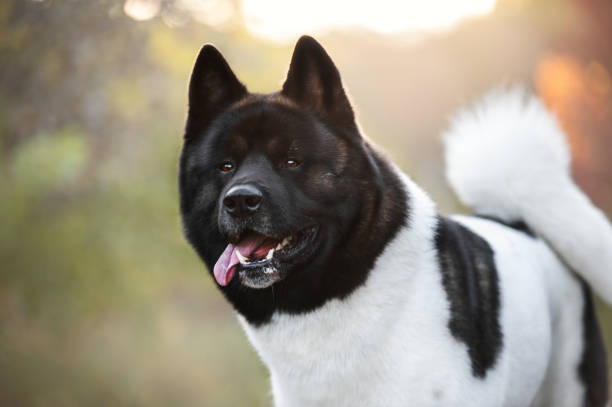
The American Akita is a majestic, powerful, and deeply loyal breed known for its substantial size, dense double coat, intimidating presence, and unique temperament. Originating in Japan (the Akita Inu), the American Akita was developed to be larger, heavier, and often darker in coloring. They were historically used for hunting large game (like bear) and guarding. This lineage means the Akita is inherently a working dog, requiring not only significant physical exercise but also consistent mental stimulation to remain balanced and content.
Unlike breeds bred purely for sustained endurance or constant retrieving, the Akita often excels in bursts of power and vigilance. Their exercise must be purposeful, structured, and, above all, safe, given their strong prey drive, potential for dog-on-dog aggression, and susceptibility to heatstroke.
This comprehensive guide delves into every facet of safely and effectively enjoying the great outdoors with your American Akita, covering preparation, activity selection, breed-specific safety protocols, and advanced training techniques necessary for managing this magnificent, yet challenging, companion.
I. PREPARATION AND FUNDAMENTAL TRAINING: THE AKITA FOUNDATION
Before embarking on any major outdoor activity, the Akita owner must establish a rock-solid foundation of health, training, and equipment. The sheer power and independent nature of the Akita demand meticulous preparation.
1. Veterinary Clearance and Joint Health
Given the Akita’s rapid growth rate as a puppy and large adult size (often 70–130 pounds), vigilance regarding joint health is paramount.
- Puppy Restrictions: Avoid high-impact activities (long-distance jogging, jumping off high surfaces, aggressive agility) until the growth plates are officially closed (typically 18–24 months). Consult your veterinarian regarding appropriate low-impact exercise during this crucial period.
- Adult Screening: Regular screenings for Hip and Elbow Dysplasia are essential. Use supplements like Glucosamine, Chondroitin, and MSM under veterinary guidance, especially if you plan long, strenuous hikes.
- Weight Management: Keeping an Akita lean is the single most important factor in preserving joint health and maximizing outdoor endurance.
2. Essential Training Foundations
The Akita is intelligent but often stubborn and highly independent. Their training must be based on respect, consistency, and positive reinforcement, particularly focusing on control in high-distraction environments.
- Absolute Recall (The Emergency Stop): While Akitas are not known for reliable recall off-leash due to their hunting instincts, mastering the “emergency recall” is critical. This command should be practiced relentlessly in controlled environments, using a high-value reward that supersedes the allure of a squirrel or another dog.
- The “Heel” Command and Leash Manners: Due to the risk of confrontation or chase, Akitas must walk politely on a leash. A properly trained Akita should not pull. Utilize frustration-free training methods and tools like front-clip harnesses or head halters (muzzling is also common and responsible practice in high-traffic areas).
- Impulse Control and Wait/Stay: These commands are vital for safety around roads, wildlife, and at trailheads. The Akita must be able to wait patiently, even when highly stimulated.
3. Gear Essentials for the Powerful Akita
Standard nylon leashes and collars are often insufficient for an Akita’s strength and potential lunging.
- Harnesses: A robust, durable harness (e.g., military-grade K9 harnesses or tracking harnesses) is recommended. Chest plates distribute force better than simple collars. Avoid harnesses that restrict shoulder movement during rigorous exercise.
- Leashes: Biothane or heavy-duty leather leads (6 feet) offer superior grip and durability compared to standard nylon. For hiking, consider a hands-free leash that clips around the waist, allowing the owner to maintain stability and control while having both hands free.
- Muzzle Training: Given the breed’s reputation and potential aggression towards strange dogs, responsible ownership dictates conditioning your Akita to wear a basket muzzle. This ensures safety for others and allows your dog access to trails and public areas where off-leash dogs may unexpectedly appear.
- First Aid Kit: Always carry essentials for paw injuries, cuts, heat exhaustion, and snake bites (depending on the region). Include rectal thermometer, wound wash, and emergency contact information.
- GPS Tracker: Essential for any off-leash work (e.g., in fenced private fields) or in large, open wilderness areas.
II. CORE DAILY ACTIVITIES: EXERCISE AND MENTAL STIMULATION
These are the activities that form the backbone of the Akita’s routine, ensuring physical fitness and psychological balance.
1. The Structure of the Daily Walk (Crucial Elaboration)
An Akita requires 45–60 minutes of daily, structured exercise, often broken into two sessions. The walk is not just physical; it’s a mental decompression ritual.
- Purposeful Pacing: Unlike leisurely sniffing strolls, the Akita benefits from a purposeful, brisk pace. The pace should be fast enough to elevate the heart rate but slow enough for the dog to maintain a comfortable “heel.”
- The “Watch and Release” Method: Due to their vigilance, Akitas often fixate. Teach the “watch me” command to break focus, followed by a “go sniff” release command. This trains the dog to check in with the handler rather than immediately reacting to stimuli (other dogs, people, or squirrels).
- Varying Terrain: Incorporate different surfaces (grass, pavement, gravel) and inclines to build muscle tone and proprioception. A long walk uphill is a superior workout for a powerful Akita than a longer walk on flat pavement.
2. Controlled Jogging and Running
Akitas are powerful trotters, capable of moderate running distances, but their large size and coat limit duration and speed.
- Temperature Restrictions: Never jog with an Akita when temperatures exceed 65–70°F, or when humidity is high. Heat exhaustion is a serious risk. Early morning or late evening runs are mandatory.
- Pacing: Keep the pace moderate and consistent. Sprinting is hard on their joints and unnecessary for their fitness goals. Focus on a strong, sustained trot for 2–3 miles maximum, three times per week.
- Sidewalk vs. Trail: Avoid running on hard concrete exclusively, as this is taxing on joints. Utilize soft dirt trails or packed gravel roads whenever possible.
3. Structured Playtime and Tug-of-War
Akitas are often not social dogs in the way Golden Retrievers are, meaning self-guided play is often preferred over dog park interactions (which should generally be avoided).
- Tug-of-War (Controlled): This is an excellent outlet for the Akita’s power and prey drive, provided you implement strict rules. The dog must only start playing on command, and must immediately release the toy on the “out” or “drop it” command. This reinforces the handler’s control over the dog’s high-drive impulses.
- The Flirt Pole: A fantastic tool for high-drive dogs. A lure (toy) is attached to a rope and pole, allowing the handler to simulate a chase without the dog covering vast distances at high speed. It provides intense anaerobic exercise and impulse control practice (waiting for the lure to move).
III. ENDURANCE AND EXPLORATION ACTIVITIES
For the well-trained and conditioned adult Akita, exploration activities provide the rich sensory input that satisfies their intelligent minds.
1. Hiking and Trail Walking (The Akita in its Element)
Hiking is arguably the ideal outdoor activity, fulfilling the Akita’s need for purposeful movement, environmental scrutiny, and bonding with the handler.
A. Selecting the Right Hike
- Traffic and Popularity: Choose less-trafficked trails, especially during peak hours. The Akita’s territorial nature and aloofness make close encounters with off-leash dogs problematic. Solitude is your friend.
- Elevation and Terrain: Moderate elevation gain is excellent for building muscle. Uneven, rocky terrain requires slower, more thoughtful movement, providing great mental exercise—just ensure the Akita moves carefully to avoid strains.
- Distance: Start with short (2–3 mile) acclimatization hikes. A well-conditioned Akita can generally handle 6–8 miles, provided the temperature is cool and hydration is abundant. Never push distances rapidly; conditioning takes time.
B. Managing Wildlife and Prey Drive
The Akita’s hunting heritage demands vigilance on the trail.
- Leash Security: A non-negotiable requirement. Even the best-trained Akita should remain securely leashed on the trail. A simple deer sighting can trigger a powerful surge capable of dislocating a handler’s shoulder. Use a shock-absorbing leash element if necessary to dampen sudden pulls.
- Encounter Protocol: If you spot wildlife, immediately shorten the leash, use the “sit” or “watch me” command, and move the dog off the trail until the wildlife has passed. Avoid allowing the Akita to stare or fixate.
2. Backpacking and Multi-Day Camping
For experienced owners, the Akita can be an exceptional camping companion, provided their protective instincts are managed.
A. The Working Pack
Giving the Akita a job, such as carrying their own supplies, satisfies their working dog instincts and provides excellent exercise.
- Pack Introduction: Start with an empty pack, introducing the concept in short walks. Gradually increase weight, never exceeding 10–15% of the dog’s healthy body weight. The pack should contain essentials like food, waste bags, and collapsible water bowls.
- Balance: Ensure the weight is evenly distributed to prevent asymmetrical strain on the back and joints.
B. Campsite Management
- Security: Akitas are vigilant guard dogs. Secure them on a heavy-duty stake-out chain or tie-out cable that is clearly visible. Never allow the Akita to roam free.
- Nocturnal Vigilance: They may bark at nocturnal animals or distant noises. Practice the “quiet” command extensively at home before camping to prevent disturbances.
IV. COLD WEATHER AND POWER ACTIVITIES (THE AKITA’S ADVANTAGE)
The dense double coat of the Akita makes them ideally suited for cold weather. They thrive in temperatures that would send most other breeds indoors.
1. Snowshoeing and Winter Hiking
Snowshoeing with an Akita is an excellent way to cover distance without the risk of overheating.
- Pace Setting: The Akita’s large paws and natural insulation allow them to break trails in deep snow easily. Allow them to lead at a comfortable trotting pace.
- Paws Protection: While insulated, ice buildup and potentially abrasive snow/ice surfaces can cause irritation. Consider paw booties and always apply a paw balm (like Musher’s Secret) before and after excursions.
- Hydration: Always assume the dog needs water, even if they are eating snow. Portable water and a bowl are essential, as chewing ice and snow can lower core temperature too rapidly.
2. Introduction to Draft and Sledding Activities
The Akita possesses the raw power and drive to participate in canine draft work, such as carting or recreational weight pulling. It is an unparalleled physical and mental exercise.
- Skijoring/Canicross: While not as fast as Northern breeds like Huskies, Akitas can be taught to pull a skier (skijoring) or a runner (canicross) on packed snow trails. This requires specialized pulling harnesses (like an X-back harness) and dedicated “hike” and “whoa” commands.
- Weight Pulling (Conditioned Sport): This is a structured sport where dogs pull measured weights for short distances. It channels their immense power productively. This activity should only be undertaken with adult dogs (2 years+) that have been thoroughly examined for joint health, and under the supervision of experienced trainers.
V. WATER ACTIVITIES (CAUTION REQUIRED)
Akitas are generally not natural water dogs. Their heavy coats absorb water quickly, making them cumbersome, and they can overheat easily during water retrieves if the air temperature is warm.
1. Wading and Shallow Swimming
- Testing the Waters: Introduce water slowly. Many Akitas will wade and enjoy cooling their belly and feet in streams or shallow lakes.
- Life Vest: If attempting deeper swimming, a properly fitted canine life jacket (personal flotation device) is highly recommended. It aids buoyancy and provides a handle for the owner to retrieve the dog easily if they panic or become fatigued.
2. Safety in Rivers and Lakes
- Moving Water: Avoid strong currents. A powerful Akita can still be swept away, especially if tired or weighed down by a waterlogged coat.
- Coat Management: After swimming, the dense Akita coat must be thoroughly dried to prevent hot spots, skin infections, and chills.
VI. MENTAL AND SKILL-BASED OUTDOOR ACTIVITIES
Because the Akita is highly intelligent and can easily become bored, mental work is just as important as physical exertion.
1. Urban and Suburban Scent Work
Scent work taps into the Akita’s natural hunting instincts and requires intense concentration. You don’t need a forest to do this.
- “Hide and Seek” (Find It): Start by hiding high-value treats (or a favorite toy) outdoors in your fenced yard or a quiet park area. Use the “find it” command.
- Tracking Games: Progress to tracking a specific person or object over short distances using a long line (30 feet). This engages their problem-solving skills and requires sustained focus, which tires them out faster than a run.
2. Modified Agility and Obstacle Work
While competitive agility is generally too taxing on the Akita’s large joints, controlled obstacle work provides great stimulation.
- Patience and Precision: Set up low-impact obstacles, like walking across elevated planks or using weave poles spaced widely apart. Focus on precision, handler partnership, and patience, rather than speed.
- Parkour (Urban Agility): Teach the Akita to walk carefully over different surfaces (e.g., resting their paws on a rock, weaving around bollards, stepping onto a low bench). This builds body awareness (proprioception) which is essential for preventing injuries on the trail.
VII. ADVANCED SAFETY DEEP DIVE: MANAGING THE AKITA TEMPERAMENT
Safety with an Akita is intrinsically tied to managing their unique temperament, prey drive, and physical needs.
1. Heat Exhaustion and Overheating Protocols
This is the single greatest risk for an American Akita in warm weather. Their coat is designed to retain heat, not dissipate it.
- The 68°F Rule: Be extremely cautious exercising above 68°F. Above 75°F, restrict activity to short potty breaks and mental games indoors.
- Hydration Techniques: Carry ample water (1 liter per dog per hour of activity). Teach your Akita to drink on command. Use cooling vests (soaked in cold water) which utilize evaporative cooling and target the large surface area of their chest.
- Recognizing Signs: Excessive panting (especially if noisy), drooling, rapid or chaotic heart rate, wobbly gait, and dark red gums are signs of distress. Immediate action: move to shade, apply cool water to the paws, belly, and armpits, and seek veterinary care immediately.
2. Managing Dog-on-Dog Intolerance Outdoors
Akitas are often dog-selective or intolerant of strange dogs, particularly those of the same sex. This is a normal, inherent trait, not a failure in training.
- Avoidance is Key: Do not frequent dog parks. Use private, supervised obedience classes for socialization instead of public free-for-alls.
- The U-Turn: Master the emergency U-turn. If you spot a potential trigger (an off-leash dog, an aggressive walker) too close, immediately execute a sharp U-turn, pivoting away from the threat using a high-value lure. This avoids confrontation and reinforces the handler’s leadership.
- Public Awareness: Understand that you own a powerful dog that intimidates others. Be proactive in giving other pedestrians and dog walkers a wide berth. Using a bright, clearly visible harness or lead cover labeled “In Training” or “Do Not Pet” can help manage interactions.
3. Training in High-Distraction Environments
The ultimate test of Akita control is maintaining obedience in a busy outdoor setting (e.g., a city park during an event). These exercises build bombproof obedience.
- Controlled Exposure: Practice “sit-stays” and “down-stays” near, but not directly amidst, distractions. Start far away and only move closer when the dog can maintain focus for 60 seconds.
- The Power of Duration: A truly reliable command requires duration, distance, and distraction. Outdoor training should systematically increase all three components. For an Akita, the duration and reliability of the “stay” are often more crucial than speed.
VIII. CONCLUSION: COMMITMENT TO THE AKITA LIFESTYLE
Owning and exercising an American Akita is a commitment to a lifestyle defined by responsibility and structure. They are not passive companions; they demand respect, mental engagement, and consistent leadership.
When appropriately trained and managed, the Akita excels as an outdoor partner—a tireless, powerful, and stoic explorer capable of conquering trails in all but the hottest weather. The secret to a successful outdoor life with this breed lies not just in the activities chosen, but in the unwavering focus on safety, rigorous control, and honoring the noble, working heritage of the American Akita. By prioritizing controlled environments and purposeful work, you unlock the full potential of this magnificent protector, turning daily exercise into a deeply rewarding partnership.
#AkitaLife, #AmericanAkita, #AdventureDog, #WorkingDog, #AkitaHiking, #LargeDogAdventures, #DogTrainingTips, #CanineFitness, #PowerDog, #OutdoorDogs, #DogSafetyFirst, #HikeWithDog, #AkitaExercise, #GiantBreed, #Dogstagram, #ColdWeatherDog, #AkitaStrong, #ResponsibleDogOwner







Add comment