
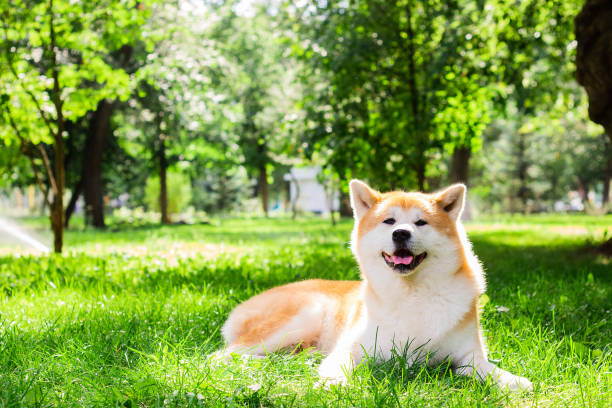
The Japanese Akita Inu is a breed of unparalleled dignity, loyalty, and strength. Their striking appearance, coupled with a deep, ancient lineage, makes them not just pets, but true companions. While they possess a regal bearing and can be content with indoor living, the Akita’s heritage as working dogs, bred for hunting in the rugged terrains of Japan, calls for an active lifestyle. Harnessing their energy, intelligence, and love for the outdoors can lead to incredibly rewarding experiences for both you and your canine partner. This guide is designed to be your ultimate resource for exploring the world with your Japanese Akita Inu, ensuring their physical and mental well-being, and strengthening your bond through shared adventures.
We will delve into a wide array of activities, from the seemingly simple to the more adventurous, considering the Akita’s unique characteristics – their intelligence, their powerful build, their sometimes independent nature, and their need for mental stimulation. This isn’t just about what you can do, but how to do it safely, effectively, and with the utmost enjoyment for your magnificent Akita.
Understanding Your Akita: The Foundation for Adventure
Before embarking on any outdoor pursuit, it’s crucial to have a solid understanding of your Akita’s individual temperament, physical condition, and limitations.
- Temperament: Akitas are known for their loyalty, courage, and protective instincts. They can be aloof with strangers and exhibit strong prey drive. This means that activities involving close proximity to other dogs or small animals will require careful management and training. Their intelligence also means they thrive on mental challenges, so activities that engage their minds are just as important as physical exertion.
- Physicality: Japanese Akitas are powerful dogs with a substantial build. They are built for endurance and strength. However, like all breeds, they are susceptible to certain health issues. It’s essential to be aware of their predispositions, such as hip dysplasia and bloat. Regular veterinary check-ups are paramount, and you should always consult your vet before introducing strenuous new activities, especially if your Akita is a puppy, a senior, or has any pre-existing health concerns.
- Environmental Sensitivities: Akitas have a thick double coat designed to withstand harsh weather. This makes them well-suited for cooler climates, but they can be susceptible to overheating in extreme heat. Conversely, their thick coat can offer good protection against cold. Always consider the weather conditions and adjust your plans accordingly.
The Spectrum of Outdoor Activities: From Gentle Strolls to Grand Expeditions
Let’s explore the diverse range of activities you can enjoy with your Japanese Akita Inu, categorized for clarity and ease of planning.
1. Everyday Adventures: Building Routine and Bond
These are activities that can easily be incorporated into your daily or weekly routine, providing consistent exercise and mental engagement.
- Leashed Walks and Hikes: This is the cornerstone of outdoor activity for any dog, and your Akita is no exception.
- Varied Environments: Don’t just stick to the same park. Explore local nature trails, wooded areas, quiet suburban streets, or even explore your own neighborhood with a different route. The variety keeps things interesting and exposes your Akita to new sights, sounds, and smells.
- Pace and Duration: Adjust the pace and length based on your Akita’s energy levels and age. A brisk 30-45 minute walk can be sufficient for some, while others might enjoy longer, more exploratory treks. Watch for signs of fatigue.
- Sniffari: Encourage your Akita to “read the news” by allowing ample time for sniffing. This is a crucial form of mental stimulation for dogs and can be as tiring as physical exercise. Let them lead sometimes, within the bounds of safety and the leash.
- Training Integration: Use walks as opportunities to reinforce basic obedience commands like “sit,” “stay,” and “heel.” This keeps their minds engaged and strengthens your leadership.
- Leash Etiquette: A well-trained Akita on a leash is a joy. Invest in a comfortable, sturdy leash and collar or harness. Consider a front-clip harness for better control if your Akita tends to pull, particularly in stimulating environments.
- Backyard Playtime: Even a well-fenced yard can be a fantastic place for your Akita to expend energy.
- Fetch and Tug-of-War: These classic games are great for building a rapport. A sturdy rope toy is ideal for tug-of-war, while durable fetch toys are a must. Be mindful of your Akita’s retrieving instincts; some Akitas are natural retrievers, while others might prefer to ‘guard’ their prize.
- Agility in the Garden: You don’t need a professional course. Set up simple obstacles using household items: a low plank to walk over, a tunnel made from blankets, or a weave pole created with cones. This engages their problem-solving skills and coordination.
- Scent Games: Bury treats or favorite toys in the grass and encourage your Akita to find them. This taps into their natural scenting abilities and provides a fun mental workout.
- Car Rides and Exploring New Destinations:
- Accustomization: Ensure your Akita is comfortable and safe in a vehicle. Use a car harness or a secure crate for travel.
- Destination Dogging: Make car rides purposeful. Visit new parks, pet-friendly stores, or cafes. The novelty of new environments is highly stimulating.
- Safety First: Never leave your Akita unattended in a car, especially in warm weather.
2. Intermediate Adventures: Engaging the Explorer Within
These activities require a bit more planning and preparation but offer richer experiences and deeper bonding opportunities.
- Longer Hikes and Trail Exploration:
- Trail Selection: Choose trails that match your Akita’s fitness level. Start with moderate trails and gradually increase difficulty and length. Look for trails with varied terrain, elevation changes, and interesting natural features.
- Gear Up: For longer hikes, consider a comfortable, well-fitting dog backpack. This allows your Akita to carry their own water, snacks, and waste bags, distributing weight and providing mental stimulation. Ensure the pack is not too heavy, especially for a first-time wearer.
- Hydration and Nutrition: Always carry plenty of fresh water for both you and your Akita. For longer hikes, consider portable water bowls and appropriate dog treats or food.
- First-Aid Kit: A basic dog first-aid kit is essential for longer excursions. Include bandages, antiseptic wipes, paw balm, tweezers, and any personal medications.
- Navigation and Safety: Familiarize yourself with the trail and carry a map or GPS device. Be aware of potential hazards like wildlife, poisonous plants, and uneven terrain. Let someone know your hiking plans.
- Dog Parks (with Caution): While dog parks can offer socialization, Akitas’ strong personalities and potential for territoriality mean this requires careful consideration.
- Observe First: Before entering, observe the dynamics of the park. Are the dogs playing well together? Is there any aggression?
- Controlled Introduction: If you decide to enter, do so calmly. Supervise your Akita closely at all times. Be prepared to leave if your Akita becomes overwhelmed, stressed, or if another dog exhibits problematic behavior.
- Know Your Akita: If your Akita is not naturally social or has a history of reactivity, dog parks might not be the best environment for them. Leashed parallel walks with calmer dogs can be a safer alternative.
- Creek and Beach Exploration:
- Water Acclimation: Not all Akitas are natural swimmers, but many enjoy splashing in shallow water. Introduce them gradually and positively.
- Beach Safety: Be mindful of tides, strong currents, and potential hazards like jellyfish or sharp shells. Rinse your Akita thoroughly with fresh water after swimming to remove salt and sand, which can irritate their skin.
- Sand Play: Many dogs love digging and running on the sand. Ensure your Akita is not ingesting sand, which can lead to blockages.
3. Advanced Adventures: Unleashing the True Spirit
These activities are for the dedicated dog owner and enthusiastic Akita, pushing boundaries and creating unforgettable memories.
- Camping and Backpacking:
- Preparation is Key: Ensure your Akita is well-trained and comfortable with the outdoors. Practice camping in your backyard or for short overnight trips before embarking on longer expeditions.
- Gear: A sturdy tent, a comfortable dog bed or sleeping pad, food and water bowls, and appropriate leashes and tie-outs are essential. A dog-specific first-aid kit is non-negotiable.
- Campsite Etiquette: Keep your Akita leashed at all times when at the campsite, unless in a securely fenced area. Prevent them from disturbing other campers or wildlife. Ensure they don’t dig up the campsite.
- Leave No Trace: Pack out everything you pack in, including dog waste.
- Canicross and Dog-Powered Sports:
- Canicross: This involves running with your dog attached to you via a special harness and bungee leash. It’s a fantastic cardiovascular workout for both of you. Requires proper training and equipment.
- Bikejoring/Skijoring: Similar to canicross but with a bicycle or skis. These are more advanced and require significant training, control, and a dog with high energy and drive. Extreme caution and expert guidance are highly recommended for these activities, especially with a powerful breed like the Akita.
- Prerequisites: Your Akita must have excellent leash manners, be physically fit, and have a strong desire to run alongside you. Start with short distances and gradually build up. Always use specialized, secure equipment to prevent injury.
- Agility and Obedience Competitions:
- Mental and Physical Challenge: These sports are excellent for Akitas, combining physical prowess with sharp intellect and the ability to follow commands.
- Finding a Club: Look for local dog training clubs that offer agility or obedience classes. Many offer introductory sessions and cater to various breeds and skill levels.
- Positive Reinforcement: Use positive reinforcement methods to train your Akita. They are intelligent and respond well to praise, treats, and play.
- Urban Exploration and City Adventures:
- Controlled Exposure: Many Akitas can adapt to urban environments with proper introduction and management.
- Pet-Friendly Establishments: Research cafes, restaurants, and shops that welcome dogs. This provides a chance for your Akita to practice good behavior in public.
- Crowd Management: Busy city environments can be overwhelming. Start with quieter times and gradually increase exposure to crowds. Keep your Akita on a secure leash.
Safety and Etiquette: The Responsible Outdoor Companion
Responsible ownership is paramount when venturing outdoors with your Akita.
- Leash Laws and Regulations: Always adhere to local leash laws and park regulations.
- Waste Management: Always carry poop bags and clean up after your dog. This is not just about courtesy; it’s about public health.
- Respect for Wildlife: Never allow your Akita to chase or harass wildlife. Their prey drive can be strong, so diligent supervision is required.
- Respect for Other People and Dogs: Keep your Akita under control and be mindful of their space. If your Akita shows signs of anxiety or aggression, remove them from the situation.
- Identification: Ensure your Akita is wearing a collar with up-to-date identification tags and is microchipped. This is crucial in case they get lost.
- Weather Awareness: Be acutely aware of the temperature and humidity. Avoid strenuous activity during the hottest parts of the day. Provide ample water and shade. Consider cooling vests for hot weather. In cold weather, watch for signs of hypothermia and consider a dog coat for shorter-haired dogs or those with less natural insulation.
- Paw Protection: Paved surfaces can get very hot, and rough terrain can cause paw injuries. Consider paw balm or protective booties for sensitive paws.
- Hydration: Always carry fresh water and offer it frequently, especially during exercise.
- Recognizing Exhaustion: Learn to read your Akita’s signals. Excessive panting, lagging behind, lying down, or a lack of enthusiasm can indicate fatigue. Stop and rest, and if necessary, cut the activity short.
- Travel Safety: Use car restraints to prevent injury in case of sudden stops or accidents. Never leave your dog unattended in a vehicle.
Training: The Cornerstone of Outdoor Enjoyment
A well-trained Akita is a safe and enjoyable outdoor companion.
- Basic Obedience: “Sit,” “stay,” “come,” “leave it,” and “heel” are essential commands for managing your Akita in various outdoor settings.
- Recall: A reliable recall is vital, especially if you ever plan on off-leash activities (which should be approached with extreme caution for Akitas due to their prey drive and independent nature).
- Socialization: Early and ongoing positive socialization is crucial for Akitas. Expose them to a variety of people, places, and well-behaved dogs in a controlled and positive manner.
- Leash Manners: Teach your Akita to walk politely on a leash, without pulling. This makes walks far more enjoyable and safer.
- Desensitization: Gradually expose your Akita to things they might encounter outdoors, such as loud noises, bicycles, or other animals, to help them remain calm and confident.
The Akita’s Unique Needs in Outdoor Activities
Let’s reiterate some specific considerations for the Japanese Akita Inu:
- Prey Drive: This is a strong instinct. Be extremely vigilant around small animals, and avoid situations where their prey drive could lead to unsafe behavior.
- Independence: Akitas can be independent thinkers. This means they might not always respond to commands immediately. Patience, consistency, and positive reinforcement are key.
- Protectiveness: Their protective nature can manifest as barking or acting wary around strangers or perceived threats. Train them to be calm and to trust your judgment.
- Heat Sensitivity: Their thick coat makes them prone to overheating. Always prioritize shade, water, and avoiding strenuous activity in high temperatures.
- Thirst and Hydration: Monitor their water intake closely, especially during activities.
Conclusion: A Bond Forged in the Great Outdoors
Adventures with your Japanese Akita Inu are more than just exercise; they are opportunities to deepen your bond, build trust, and create lasting memories. By understanding your Akita’s unique characteristics, preparing thoughtfully, prioritizing safety, and engaging in activities that stimulate their body and mind, you can unlock a world of shared experiences. From the quiet contemplation of a forest trail to the exhilarating rush of a brisk run, the journey with your Akita is a testament to the profound connection between humans and their canine companions. Embrace the outdoors, respect your Akita’s nature, and embark on a lifetime of incredible adventures together.
#JapaneseAkitaInu, #AkitaAdventures, #AkitaOutdoors, #DogHiking, #DogCamping, #AkitaLife, #ActiveDog, #DogAdventures, #ExploreWithDogs, #AkitaLove, #DogLife, #CanineAdventures, #HikingWithDogs, #CampingWithDogs, #DogSports, #AkitaTraining, #DogSocialization, #OutdoorDog, #AdventureDog, #DogsofInstagram, #InstaDog, #PetAdventures, #DogTravel, #AkitaGram, #BigDogAdventures, #WorkingDog, #LoyalCompanion, #JapaneseDogs, #DogHealth, #DogSafety, #ResponsibleDogOwner, #LeashLife, #TrailDog, #NatureDog, #DogLifeIsGood, #AkitaNation, #DogWorld, #AdventureTime, #FurryFriend, #BestDogEver, #DogLover, #PetLover, #HikingAdventures, #CampingLife, #DogExercise, #AkitaCommunity, #DogChannel, #YouTubeDogs, #PetVlog, #DogTips, #DogTrainingTips, #AkitaCare, #FidoAdventures, #HappyDog.







Add comment