
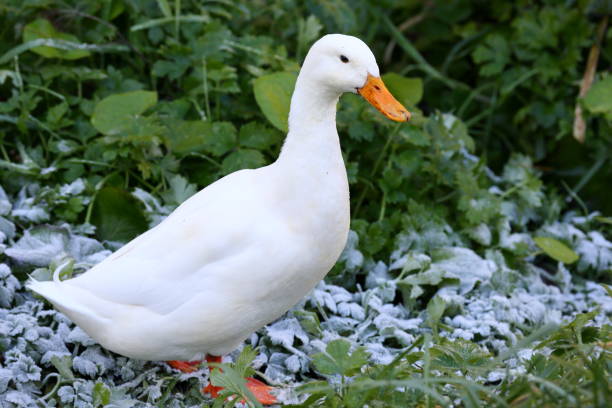
The Pekin duck, affectionately known among poultry enthusiasts for its pristine white plumage and cheerful disposition, is one of the most popular domesticated duck breeds worldwide. Originally developed in China and refined in the West, the Pekin duck is highly prized for its rapid growth, consistent egg production, and calm temperament. It is not only a favorite among small-scale homesteaders and backyard farmers but also holds a dominant position in commercial poultry farming due to its efficiency in meat production.
Named after Beijing (formerly Peking), the capital of China, the breed has a rich cultural history and has become synonymous with high-quality duck meat, particularly in Western restaurants and grocery stores. Today, the Pekin duck is the most commonly raised duck breed in the United States and several other countries, thanks to its adaptability, hardiness, and ease of care.
This comprehensive guide explores every aspect of the Pekin duck – from its physical traits and breeding habits to nutritional needs, housing requirements, economic implications, and environmental impact. Whether you are a backyard keeper, commercial farmer, or simply an enthusiast, this article will serve as a definitive resource on all things Pekin.
Other Names & Synonyms
The Pekin duck is known by several names and synonyms across different regions and contexts:
- White Pekin
- American Pekin
- Peking Duck (especially in culinary and cultural references)
- Long Island Duck (historically, particularly in American agriculture)
- Domestic White Duck
- Baiya (白鸭 – Mandarin Chinese for “white duck”)
Note: While “Peking duck” refers to a famous Chinese dish, it traditionally used ducks bred in Beijing, and over time, the term became associated with both the dish and the breed in the West. However, modern Pekin ducks used in Western farming are not always the same as those used in traditional Chinese cuisine, though they may share common ancestry.
Primary Breed Purpose
The Pekin duck is primarily a meat-type breed, bred specifically for its fast growth and high-yield carcass. Its plump body, abundant breast meat, and clean white feathers (which leave no unsightly pin feathers after plucking) make it ideal for processing and market appeal.
Additionally, Pekin ducks serve secondary purposes:
- Egg production – They are decent layers, producing around 200–300 eggs per year.
- Show and exhibition – Due to their consistent conformation and pure white appearance, they are popular at poultry shows.
- Companionship – Their gentle nature makes them excellent birds for educational farms, petting zoos, and family-oriented homesteads.
While not as efficient as specialized egg layers like Khaki Campbells, Pekins strike a balanced chord between productivity and temperament, making them a “dual-purpose plus” breed.
Physical Characteristics
Pekin ducks are robust and striking in appearance. Key physical traits include:
- Plumage: Pure white feathers with no markings. Feathers are dense and provide insulation.
- Body Shape: Large, broad-breasted, and heavy-bodied with a horizontal stance. They have a deep, rounded chest and a wide back.
- Head & Bill: The head is large and rounded, with a short, broad bill that is bright orange-yellow. The bill has a slight arch near the base, giving it a distinctive “Roman nose” appearance.
- Eyes: Dark orange to brown, large and expressive.
- Neck: Medium in length, thick, and slightly curved, supporting the heavy head.
- Legs & Feet: Orange-yellow legs set well back on the body; large, webbed feet built for swimming and stability.
- Posture: They walk with a slight waddle due to their heavy build and rearward leg placement.
Males and females are similar in appearance, though drakes (males) are typically larger and may emit a hoarse rasp, while females (hens) are louder with a characteristic “laughing” quack.
Weight & Growth Curve
The Pekin duck is renowned for its rapid growth rate, reaching market weight faster than almost any other domestic duck breed.
- Day-Old Duckling: ~50–60 grams (1.8–2.1 oz)
- 1 Week: ~250–300 grams (9–11 oz)
- 2 Weeks: ~550–650 grams (1.2–1.4 lbs)
- 4 Weeks: ~1.8–2.2 kg (4–5 lbs)
- 6–7 Weeks: 3.2–4.0 kg (7–9 lbs) – market weight for meat production
- Adult Weight:
- Drakes (males): 4.0–5.0 kg (8.8–11 lbs)
- Hens (females): 3.5–4.5 kg (7.7–10 lbs)
This growth curve makes Pekins highly efficient for meat farming, as they convert feed into body mass very effectively (feed conversion ratio of about 2.5:1 to 3:1). They are typically processed between 6 and 8 weeks of age for tender meat. If kept longer, they continue to gain weight but become less efficient and may suffer from health issues related to obesity.
Climatic Tolerances
Pekins are relatively hardy but perform best in temperate to mild climates. While they can tolerate a range of conditions, extreme temperatures pose challenges:
- Cold Tolerance: Pekins can withstand temperatures down to 15°F (-9°C) provided they have dry, draft-free shelter, proper ventilation, and access to unfrozen water. Their dense plumage and layer of down offer good insulation. However, their large body and fast growth can make them more susceptible to frostbite on feet and bills in severe cold.
- Heat Tolerance: Pekins are less heat-tolerant due to their heavy build and rapid metabolism. They can overheat in temperatures above 85°F (29°C), especially in high humidity. Heat stress may result in reduced feed intake, lower egg production, panting, and even death. Shade, ample clean water, and airflow are essential.
Seasonal management tips:
- In winter: Insulate coops, use deep bedding, and ensure water doesn’t freeze.
- In summer: Provide wading pools, shade covers, and misting systems.
Pekins thrive in environments with access to both land and clean water for swimming—though swimming is not strictly necessary for health, it significantly enhances their well-being.
Reproduction & Egg Production
Pekin ducks are seasonal layers, typically peaking in egg production during spring and early summer. They are not strong natural incubators due to selective breeding for meat, and many hens lose broodiness.
Egg Production
- Eggs per Year: 200–300 (averaging 4–5 per week during peak season)
- Egg Size: Large to extra-large (65–75 grams)
- Egg Color: Thick, white to slightly tinted creamy shells
- Onset of Laying: Around 5–6 months of age
- Laying Cycle: Most productive for first 2–3 years; production gradually declines with age
Fertility & Incubation
- Drake-to-Hen Ratio: 1 drake per 4–6 hens is ideal for natural mating
- Incubation Period: 28 days
- Hatch Rate: 70–85% under optimal conditions
- Broodiness: Rare in standard Pekins. If natural incubation is desired, consider fostering eggs under a broody Khaki Campbell or Muscovy duck.
Eggs should be collected daily, stored pointy-end down, and incubated within 7–10 days for best results.
Flying Ability
Pekin ducks are non-flying or very poor fliers. Their rapid growth and heavy body weight make flight nearly impossible. While young ducklings may flutter or hop short distances, adult Pekins lack the wing strength and power-to-weight ratio necessary for flight.
This trait makes them well-suited for open enclosures without the need for high fencing or wing clipping—though secure pens are still recommended to protect against predators.
Breed History & Origin
The Pekin duck traces its roots to imperial China, specifically the region around Beijing (Peking). Historical records suggest that white ducks were bred in China as early as 2000 BCE, primarily for meat and eggs.
In the mid-19th century, several shipments of these ducks were brought to the West:
- 1872: A shipment of 30 ducks arrived in Long Island, New York, imported from China. These birds became the foundation stock for the American Pekin breed.
- American breeders selectively enhanced the ducks for faster growth, larger size, and consistent white plumage.
- By the early 20th century, Long Island became a major center for Pekin duck farming, earning the nickname “Duck Capital of the World.”
The breed was standardized and recognized by the American Poultry Association (APA) in 1874 in the Standard of Perfection.
Over time, the Pekin was refined for commercial purposes, emphasizing quick growth and feed efficiency. Today, nearly all commercial white ducks in North America and Europe are descendants of this breed.
Life Expectancy
Despite their rapid growth, Pekins can live surprisingly long lives with proper care:
- Commercial Meat Birds: Typically slaughtered at 6–8 weeks.
- Backyard or Pet Pekins: Can live 8–12 years, with some individuals reaching 15 years.
- Egg-Laying Hens: Most productive for 3–5 years; fertility declines after age 3.
Life expectancy depends heavily on diet, housing, predator protection, and management practices. Obesity and leg disorders are common causes of premature death in pet Pekins allowed to overeat.
Common Health Issues
While generally robust, Pekins are prone to certain health challenges due to selective breeding and rapid growth:
1. Angel Wing (Twisted Wing)
- Cause: Excess protein and calories in young ducklings, especially from medicated chick starter.
- Symptoms: One or both wings twist outward, preventing folding.
- Prevention: Feed waterfowl-specific starter (18–20% protein) without excessive additives. Avoid medicated feed unless necessary.
2. Obesity
- Due to hearty appetites and rapid growth, Pekins easily become overweight, leading to:
- Joint stress
- Fatty liver disease
- Reduced fertility and egg production
- Prevention: Limit high-calorie treats, ensure exercise, and monitor body condition.
3. Foot and Leg Problems
- Slipped Tendon (perosis): Caused by manganese deficiency.
- Splay Leg: Seen in ducklings, often due to slippery flooring.
- Arthritis: In older birds, especially those overweight.
4. Respiratory Infections
- Pekins can suffer from Pasteurella multocida (fowl cholera) and Aspergillus (fungal infection) in damp, poorly ventilated coops.
5. Bumblefoot
- Bacterial infection from cuts or pressure sores on the footpad.
- Treated with antibiotics and wound care; prevent with clean, soft bedding.
6. Egg Binding
- Common in overweight or calcium-deficient hens.
- Signs include lethargy, straining, and fluffed-up appearance.
- Emergency treatment may require vet intervention.
Regular health checks, a clean environment, balanced nutrition, and prompt treatment are essential for maintaining a healthy flock.
Breeding & Genetics – Tips for the Advanced Keeper
For experienced breeders, breeding Pekins for quality and sustainability requires attention to genetics, conformation, and reproductive efficiency.
1. Selective Breeding Goals
- Maintain pure white plumage (avoid buff or yellow tints).
- Improve body conformation: Broad breast, level back, clean head lines.
- Enhance fertility and hatchability by avoiding inbreeding.
- Preserve temperament – calm, friendly birds are more desirable.
2. Avoiding Inbreeding
- Rotate drakes every 2–3 years.
- Keep pedigree records if possible.
- Introduce new bloodlines from reputable breeders.
3. Culling Practices
- Remove individuals with:
- Discolored feathers
- Crooked keels or legs
- Poor fertility
- Aggressive behavior
4. Genetic Markers
- Pekins are homozygous for the dilution gene (d/d), which turns all pigments white.
- They carry the recessive white gene, meaning crossbreeding can produce colored offspring.
- Beak and leg color (orange-yellow) is dominant and should be consistent.
5. Egg Selection for Hatching
- Choose eggs of standard size and shape.
- Avoid misshapen, oversized, or thin-shelled eggs.
- Candling on day 7 and 14 helps identify fertile embryos.
6. Performance Testing
- Track growth rates, feed conversion, and egg output.
- Use data to inform breeding decisions and cull underperformers.
Advanced breeders may participate in APA-sanctioned shows to evaluate conformation and compete for championship status.
Nutritional Requirements
Proper nutrition is critical at every life stage. Pekins have specific dietary needs due to their rapid growth and high metabolic rate.
Duckling Stage (0–2 weeks)
- Feed: Waterfowl starter crumbles (18–20% protein)
- Avoid: Medicated chick starter (contains amprolium, which ducks don’t metabolize well)
- Supplements:
- Niacin (at least 55 mg/kg) – Prevents leg deformities
- Vitamin B complex
- Water: Always available; use shallow dishes to prevent drowning
Grower Stage (3–8 weeks)
- Feed: Waterfowl grower (15–17% protein)
- Gradually reduce protein to avoid angel wing
- Allow access to greens and live food (e.g., mealworms, duckweed)
Adult Maintenance (9 weeks+)
- Feed: Waterfowl maintenance pellets (12–14% protein)
- Laying Hens: Switch to layer feed (16–18% protein, high in calcium – 3–4%)
- Supplements:
- Oyster shell (free choice for laying hens)
- Grit (for digestion, if not on pasture)
- Fresh vegetables, herbs, and forage
Treats to Limit
- Bread (low nutrition, causes malnutrition)
- Sugary or salty foods
- Avocado, onions, chocolate (toxic)
Ensure fresh water is always available—ducks need water to swallow dry feed.
Housing & Environmental Design
Proper housing protects Pekins from predators, weather extremes, and disease.
Coop Requirements
- Size: Minimum 3–4 sq ft per duck inside the coop
- Ventilation: High vents (not drafty) to reduce ammonia and moisture
- Bedding: Straw, pine shavings, or hemp; changed regularly
- Nesting Boxes: 1 box per 3–4 hens; filled with soft straw
- Roosting: Not necessary; Pekins prefer ground-level sleeping
Run & Outdoor Access
- Fencing: 4–5 ft high; hardware cloth to deter predators
- Shade: Essential in summer; use tarps, trees, or shelters
- Swimming Area: Not required, but highly recommended
- Kiddie pools, stock tanks, or shallow ponds
- Clean water changed daily to prevent disease
- Supervise to prevent drowning, especially in young ducklings
Winter Considerations
- Seal drafts but maintain airflow
- Use deep bedding (deep litter method) for warmth
- Heat lamps are risky—use only with safety guards or consider radiant heaters
Biosecurity
- Limit visitors
- Quarantine new birds for 2–4 weeks
- Clean feeders and waterers weekly
Behavioral Traits & Enrichment
Pekins are social, intelligent, and docile birds that thrive on interaction.
Social Behavior
- Prefer to live in flocks; solitude causes stress
- Bond closely with humans and other animals
- Generally non-aggressive; drakes may show mild territorial behavior during breeding season
Foraging & Activity
- Enjoy rooting in mud, grass, and shallow water
- Will eat insects, slugs, weeds, and fallen fruit
- Benefit from free-ranging (supervised) or large penned areas
Enrichment Ideas
- Floating toys in water (corks, ping pong balls)
- Scattering feed in straw or grass
- Providing logs or platforms to climb
- Rotating grazing areas to stimulate exploration
Bored ducks may develop feather-plucking or aggression. Environmental enrichment significantly improves welfare and reduces vices.
Economic Considerations
Raising Pekin ducks can be economically viable in various settings.
Backyard Farming
- Startup Costs: $100–$300 (coop, feeders, waterers, ducklings)
- Ongoing Costs: ~$5–$10 per duck per month (feed, bedding, vet care)
- Return: Eggs, manure (fertilizer), and companionship
Commercial Meat Production
- Profitability: High, due to fast turnover and demand
- Market Weight: Reached in 6–8 weeks
- Feed Cost: ~$5–$7 per bird to market
- Selling Price: $5–$10 per pound (varies by region and processing)
- Processing: On-farm vs. USDA-approved facilities affect margins
Egg Production
- Less profitable than layers like Leghorns or Khaki Campbells
- Niche markets (farmers markets, duck egg lovers) may pay premium prices
Value-Added Products
- Duck soap (rendered fat)
- Feather crafts
- Breeding stock sales
Proper record-keeping, cost analysis, and marketing are key to profitability.
Environmental Impact
Pekin ducks have both positive and negative environmental implications.
Positive Impacts
- Manure: Rich in nitrogen and phosphorus; excellent compost when managed properly.
- Pest Control: Consume slugs, mosquitoes, and garden pests.
- Soil Aeration: Foraging behavior loosens soil.
Negative Impacts
- Water Pollution: Unmanaged duck ponds can lead to nutrient runoff and algal blooms.
- Overgrazing: In small paddocks, they can strip vegetation.
- Noise: Frequent quacking may disturb neighbors in urban settings.
Sustainable Practices
- Use rotational grazing
- Filter or treat pond water
- Compost manure before use
- Limit flock size to land capacity
Responsible management minimizes ecological footprint and enhances sustainability.
Conclusion
The Pekin duck stands as a paragon of efficiency, productivity, and charm in the world of poultry. From its imperial Chinese origins to its dominance in modern agriculture, the breed continues to captivate keepers across the globe. Whether raised for meat, eggs, show, or companionship, Pekins deliver with their rapid growth, gentle demeanor, and adaptability.
Success with Pekin ducks hinges on understanding their nutritional demands, providing proper housing, and managing their health proactively—especially during the critical early growth stages. With thoughtful care, they can live long, happy lives while contributing to a sustainable, productive homestead.
As interest in backyard farming and ethical meat production grows, the Pekin duck remains a top choice for beginners and experts alike. By adhering to best practices in breeding, nutrition, and environmental stewardship, keepers can ensure the continued success and well-being of this beloved breed.
Frequently Asked Questions (FAQs)
Q: How fast do Pekin ducks grow?
A: Pekin ducks reach market weight (7–9 lbs) in just 6–8 weeks, making them one of the fastest-growing duck breeds.
Q: Do Pekin ducks need a pond?
A: No, but they benefit greatly from swimming. A kiddie pool or shallow tub is sufficient for health and happiness.
Q: Are Pekin ducks good for beginners?
A: Yes! They are calm, hardy, and easy to care for, making them ideal for first-time duck owners.
Q: How many eggs do Pekin ducks lay per year?
A: 200–300 eggs annually, mostly in spring and summer.
Q: Can Pekin ducks fly?
A: No, they are too heavy and cannot fly due to their body structure.
Q: What do Pekin ducklings eat?
A: Waterfowl starter crumbles (18–20% protein), never medicated chick feed.
Q: Why is my Pekin duck’s wing sticking out?
A: Likely angel wing, caused by excess protein. Switch to lower-protein feed and consult a vet.
Q: How long do Pekin ducks live?
A: 8–12 years with good care; commercial birds are processed at 6–8 weeks.
Q: Are Pekin ducks noisy?
A: Hens can be loud, especially when excited. Drakes are quieter, with a hoarse rasp.
Q: Can Pekin ducks live with chickens?
A: Yes, but provide separate water sources (ducks need to splash) and monitor for bullying.
Q: What is the best feed for laying Pekin hens?
A: Layer pellets with 16–18% protein and added calcium (oyster shell offered separately).
Q: Do Pekin ducks go broody?
A: Rarely. Most lack strong brooding instincts due to selective breeding for meat.
Q: How cold can Pekin ducks tolerate?
A: Down to 15°F (-9°C) with proper shelter and dry bedding.
Q: Why are they called Pekin ducks?
A: Named after Beijing (Peking), China, their place of origin.
Q: Are Pekin ducks friendly?
A: Extremely friendly and social, often forming bonds with humans and other animals.
#PekinDuck, #DuckFarming, #BackyardDucks, #DuckCare, #DuckKeeper, #PoultryKeepers, #DuckLovers, #Homesteading, #SustainableFarming, #DuckEggs, #DuckMeat, #DuckBreeds, #WhitePekin, #DuckLife, #DuckHousing, #DuckHealth, #DuckNutrition, #DuckBehavior, #DuckEnrichment, #DuckBreeding, #UrbanHomesteading, #FarmLife, #Ducklings, #DuckCoop, #DuckSwimming, #DuckPond, #DuckGarden, #AnimalHusbandry, #DuckTips, #RaisingDucks, #DuckFAQ, #Poultry, #DuckVideos, #DuckOfInstagram, #DuckSoDay, #DuckYouTube

Add comment