
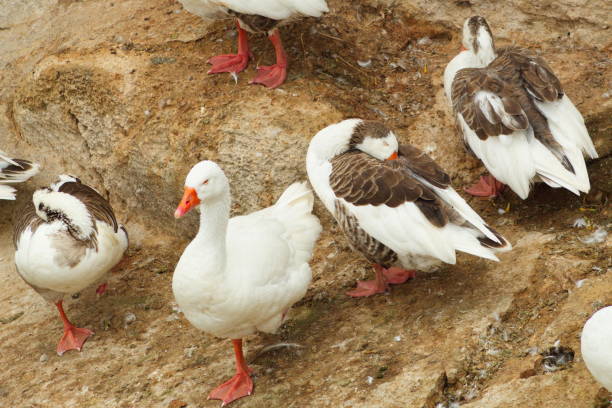
Why Choose a Meat Duck?
1.1. The Growing Demand for Duck Meat
- Culinary renaissance – Chefs worldwide are featuring duck in upscale menus, from classic French confit to Asian stir‑fries.
- Health perception – Duck meat is high in protein, B‑vitamins, and mono‑unsaturated fats, appealing to health‑conscious consumers.
- Market gaps – In many regions, especially in the U.S. and Europe, duck is still a niche product, allowing early adopters to capture premium pricing.
1.2. Advantages Over Traditional Poultry
| Feature | Duck (Pekin/Rouen) | Chicken | Turkey |
|---|---|---|---|
| Feed Conversion Ratio (FCR) | 2.5–2.8 (Pekin) | 1.6–1.8 | 2.8–3.0 |
| Carcass Yield | 65‑70 % | 58‑62 % | 60‑64 % |
| Water Efficiency | Ducks can graze on wet pasture, utilizing water resources that are a liability for chickens. | Requires dry bedding. | Similar to chicken. |
| Dual‑purpose | Meat + high‑quality eggs (especially Rouen) | Primarily meat (broilers) or eggs (layers) | Primarily meat |
| Longevity | 6‑10 years (egg layer) | 5‑10 years (layers) | 5‑7 years (layers) |
1.3. The Bottom Line
If you already have pond or wetland resources, or you can secure a reliable, high‑protein feed supply, raising meat ducks can be a high‑margin, low‑competition enterprise.
2. Breed Snapshots – Quick Reference
| Attribute | Pekin Duck | Rouen Duck |
|---|---|---|
| Origin | China (mid‑19th c.) | France (18th c.) |
| Primary Use | Meat (commercial) | Dual‑purpose (meat & eggs) |
| Adult Weight | Males 9–11 lb (4–5 kg), Females 7–8 lb (3–3.5 kg) | Males 12–14 lb (5.5–6.5 kg), Females 10–12 lb (4.5–5.5 kg) |
| Growth Rate | 7‑8 weeks to market weight (≈5 lb) | 9‑10 weeks to market weight (≈6‑7 lb) |
| FCR | 2.5‑2.8 | 2.8‑3.0 |
| Egg Production | 40‑60 eggs/yr (large, white) | 80‑120 eggs/yr (large, cream‑brown) |
| Temperament | Calm, docile, good for confinement | More active, inquisitive; can be semi‑flighty |
| Seasonality | Early‑season “starter” breeders | Late‑season “finisher” breeders |
| Plumage | Pure white, fast‑molting | Black head, white body, copper breast; slower molt |
| Ideal Climate | Warm‑temperate, tolerant of heat | Cool‑temperate, prefers winter molting |
| Common Market Price | $4‑$5 lb live | $5‑$6 lb live (premium) |
3. Historical Background
3.1. Pekin Duck
- Imported from the Chinese city of Peking (now Beijing) in the 1850s by American entrepreneur James B. Mason and later by John T. Mott of the Mott’s apple juice company.
- Bred for fast growth, large size, and a white plumage that hides dirt, making it ideal for commercial processing.
- Rapidly became the standard meat duck in the United States, Europe, and later Asia.
3.2. Rouen Duck
- Developed in the Rouen region of Normandy, France, as a larger, more ornamental version of the Mallard.
- By the late 1800s, English breeders exported Rouens to the U.K., where they were prized for their splendid plumage and substantial size.
- In the early 20th century, American breeders recognized Rouen’s high egg output, pushing it into a dual‑purpose niche.
4. Physical Characteristics & Growth Performance
| Metric | Pekin | Rouen |
|---|---|---|
| Body Shape | Broad, rounded, deep‑chested | Elongated, muscular, “gallant” appearance |
| Feathering | Dense, white, water‑repellent | Black head, white neck & body, copper‑colored breast |
| Leg Color | Bright orange, thick | Dark orange to brown, thicker |
| Growth Curve (weekly) | Week 1: 0.5 lb, Week 4: 2.0 lb, Week 8: 5.0 lb | Week 1: 0.5 lb, Week 4: 2.2 lb, Week 10: 6.5‑7.0 lb |
| Carcass Yield | 65‑70 % of live weight (breast, thigh, drumstick) | 68‑73 % (larger breast, thicker thigh) |
| Usable Meat (post‑processing) | 4.2‑4.5 lb from an 8‑lb bird | 5.0‑5.5 lb from a 10‑lb bird |
| Skin Thickness | Thin, crisp when roasted | Slightly thicker, ideal for confit or braising |
4.1. What the Numbers Mean for the Farmer
- Pekin reaches marketable weight 2–3 weeks sooner, reducing overhead (housing, labor, feed) and allowing multiple production cycles per year.
- Rouen takes longer but offers a larger carcass, often fetching a premium price in specialty markets (e.g., “heritage duck”).
5. Feed Conversion & Nutritional Needs
5.1. Standard Starter Diet (0‑4 weeks)
| Ingredient | % of Feed | Rationale |
|---|---|---|
| Cracked corn | 30‑35 % | Energy source |
| Wheat middlings | 20‑25 % | Protein & fiber |
| Soybean meal (44 % CP) | 15‑20 % | Essential amino acids |
| Fish meal (30 % CP) | 5‑10 % | High‑quality protein, improves feather development |
| Vitamins & minerals (premix) | 2‑3 % | Prevents deficiencies |
| Calcium (e.g., limestone) | 1‑2 % | Bone growth |
- Pekin: FCR ≈ 2.5 – 2.8, meaning 2.5 lb feed produces 1 lb gain.
- Rouen: FCR ≈ 2.8 – 3.0, slightly higher due to larger body mass and slower metabolism.
5.2. Grower & Finisher Diet (5‑8 weeks)
| Ingredient | % of Feed | Note |
|---|---|---|
| Corn (whole or cracked) | 40‑45 % | Main energy |
| Soybean meal (48 % CP) | 25‑30 % | Muscle development |
| Peas or lentils | 5‑10 % | Alternative protein, reduces anti‑nutritional factors |
| Animal fat or oil | 3‑5 % | Boosts calorie density for rapid growth |
| Calcium & phosphorus | 1‑2 % | Bone mineralization |
| Vitamin A, D, E, K, B‑complex | 0.5‑1 % | Immune support |
| Probiotics / enzymes | 0.2‑0.5 % | Improves gut health & feed efficiency |
5.3. Water & Forage
- Ducks are water birds – provide clean, fresh water at all times.
- Free‑range foraging (aquatic plants, insects, small crustaceans) can reduce feed costs by 5‑10 % and enhance flavor.
- Rotational paddocks with shallow ponds or ditches allow natural dabbling while preventing over‑grazing.
6. Temperament & Handling
| Trait | Pekin | Rouen |
|---|---|---|
| Docility | Very calm; tolerant of human contact, good for confined housing. | Generally calm but more curious; may attempt short flights if allowed. |
| Broodiness | Low; rarely sits on eggs, which is advantageous for forced‑lay operations. | Moderate; may exhibit occasional broodiness, useful for small‑scale egg production. |
| Noise Level | Quack is deep and less frequent. | Louder, more frequent quacking—useful for early predator detection. |
| Group Dynamics | Forms tight flocks; less aggressive. | More hierarchical; dominant males can be territorial. |
| Handling Tips | Scoop from under the belly, support wings; minimal stress. | Offer a perch or low platform; handle gently to avoid fluttering. |
Practical implication: If you have limited space and prefer a low‑stress, high‑turnover operation, Pekin is the safer bet. If you value personality, moderate broodiness, and a heritage vibe, Rouen adds farm‑to‑table storytelling opportunities.
7. Egg Production (Secondary Benefit)
7.1. Pekin
- Annual output: 40‑60 large white eggs (≈ 70‑80 g each).
- Egg quality: Thick shells, moderate yolk size.
- Use Cases: Incubation for future meat stock, supplemental income through small‑scale egg sales.
7.2. Rouen
- Annual output: 80‑120 large cream‑brown eggs (≈ 80‑90 g each).
- Egg quality: Strong shells, richer yolk color (β‑carotene from forage).
- Use Cases: Premium “heritage” eggs for boutique markets, home‑bakery demand, or hatchery stock.
Bottom line: Rouen offers a significant egg advantage; if you need both meat and eggs, Rouen is the logical choice.
8. Meat Quality: Flavor, Texture, and Yield
| Aspect | Pekin | Rouen |
|---|---|---|
| Flavor Profile | Mild, slightly “sweet”, clean. Good for classic French, Chinese, or American preparations. | Richer, more “gamey”, deeper flavor due to higher intramuscular fat and slower growth. |
| Skin Crispness | Very thin; excellent for crispy roast and duck confit when properly scored. | Slightly thicker; retains moisture during slow‑cook, perfect for braised dishes. |
| Breast Meat | Lean, white, quick‑cooking (ideal for pan‑searing). | Larger, amber‑tinted, holds up well in stews. |
| Leg and Thigh | Tender, moderate fat; versatile for fried or grilled methods. | Robust, higher connective tissue; excels in slow‑roast or smoked applications. |
| Yield per Bird | 65‑70 % of live weight. | 68‑73 % of live weight. |
| Shelf Life | 5‑7 days refrigerated; 6‑12 months frozen. | Similar, but the higher fat content can give a longer flavor retention when frozen. |
Culinary Takeaway:
- Restaurants targeting high‑turnover, fast‑service menus typically choose Pekin.
- Fine‑dining establishments that emphasize heritage flavors often prefer Rouen.
9. Climate & Environmental Adaptability
| Climate Factor | Pekin | Rouen |
|---|---|---|
| Heat Tolerance | Excellent – white plumage reflects sunlight, efficient panting. | Good, but darker head can absorb more heat; provide shade & misting in >30 °C. |
| Cold Tolerance | Moderate – dense feathering, but may require supplemental heat under 0 °C. | Strong – heavier feather coat, thrives in cooler climates; lower mortality in winter. |
| Humidity | Handles high humidity; water‑resistant oil on feathers prevents matting. | Similar, but excess moisture can cause feather rot if bedding is not dry. |
| Altitude | Up to 6,000 ft with proper acclimation. | Slightly less tolerant; watch for reduced oxygen affecting growth. |
| Pond/Water Access | Essential – they love swimming; a small water source improves welfare. | Also love water, but may be more prone to waddling away from deep ponds; shallow water works. |
Management note: If your farm is in a hot, arid region, ensure shade structures and cool‑water baths for both breeds. In cold, wet climates, invest in dry, insulated housing to avoid frostbite, especially for Pekins.
10. Health & Disease Resistance
| Disease | Pekin | Rouen | Comments |
|---|---|---|---|
| Duck Viral Enteritis (DVE/DPV) | Moderate susceptibility; vaccination recommended in high‑risk zones. | Similar susceptibility. | |
| Bacterial Enteritis (E. coli, Salmonella) | Slightly lower incidence due to rapid growth; good hygiene reduces risk. | Higher susceptibility because of slower gut turnover. | |
| Marek’s Disease | Rare in ducks; not a major concern. | Same. | |
| Parasitic Infestations (mites, lice) | Low; dense feathering helps. | Slightly higher; regular dust‑bathing needed. | |
| Footpad Dermatitis | Low if water is clean and bedding dry. | Higher if wet paddocks are not rotated. | |
| Respiratory Issues (ASP, Pasteurella) | Sensitive to poor ventilation; ensure airflow. | Comparable. | |
| Vaccine Compatibility | Both respond well to standard duck vaccines (DPV, NDV, AI). | Same. |
Preventive Plan (Applicable to Both):
- Biosecurity Fence – Limit wild bird access.
- Water Filtration – UV or chlorination for drinking water.
- Regular Litter Management – Keep dry; replace weekly.
- Vaccination Schedule – DPV at 2 weeks, NDV at 4 weeks, AI (inactivated) before market.
- Health Monitoring – Daily visual checks; weigh a sample of birds each week to detect growth anomalies.
11. Housing & Space Requirements
11.1. Minimum Space per Bird
| Stage | Pekin | Rouen |
|---|---|---|
| Brooder (0‑4 weeks) | 0.5 sq ft per bird (wire or wood shavings) | Same |
| Grow‑out (5‑10 weeks) | 2‑3 sq ft indoor + 4‑5 sq ft outdoor per bird | 2‑3 sq ft indoor + 5‑6 sq ft outdoor |
| Adult (post‑market) | 1‑2 sq ft indoor (if kept for breeding) | Same |
11.2. Housing Design Elements
- Ventilation – 1 ft³/min per bird; use adjustable louvered vents.
- Lighting – 14 h light:10 h dark for growth; 12 h for breeding.
- Flooring – Wire mesh (¾‑inch spacing) for brooder; deep litter (straw or pine shavings) for grow‑out.
- Nest Boxes – 1 per 4‑5 females; placed 6‑8 inches off the ground.
- Water Access – Dual source: a drinking trough (clean, filtered) and a shallow pond (5–8 inches deep) for bathing.
11.3. Outdoor Paddock Layout
| Component | Recommended Size | Function |
|---|---|---|
| Rotational Grazing Zones | 0.2‑0.3 acre per 100 birds | Prevents over‑grazing, allows forage regrowth. |
| Pond/Ditch | 200‑300 sq ft for 100 birds | Dabbling, preening, stress reduction. |
| Shelter/Shade | 10‑15 % of paddock area | Sun protection, windbreak. |
| Predator Guard | Perimeter fenced with 30‑inch hardware cloth | Fox, raccoon, hawk protection. |
12. Rearing & Management Best Practices
12.1. Brooding (Weeks 0‑4)
- Temperature – Start at 95 °F, reduce 5 °F per week to 70 °F by week 4.
- Starter Feed – 22‑24 % protein, finely ground, provided ad‑libitum.
- Lighting – 24 h continuous light for the first 48 h to stimulate feeding.
- Health Checks – Inspect for wet droppings, feather quality, and any signs of respiratory distress.
12.2. Grow‑out (Weeks 5‑8/10)
- Transition to Grower Feed – 18‑20 % protein, higher energy.
- Introduce Forage – Allow 30 min of pasture time daily; rotate paddocks weekly.
- Weight Monitoring – Target Pekin: 5 lb by week 8; Rouen: 6‑7 lb by week 10.
- Vaccination Booster – DPV booster at week 6 if needed.
12.3. Finishing (Final 1‑2 weeks)
- Feed Restriction (optional) – Reduce intake by 10‑15 % to tighten meat and improve skin quality.
- Water Management – Ensure clean water; avoid stagnant pools that increase bacterial load.
- Pre‑Slaughter handling – Reduce stress by limiting handling 12 h before processing; this improves meat pH and tenderness.
12.4. Biosecurity Checklist (Daily)
- Foot dip at entry/exit.
- Clean and disinfect waterers.
- Remove dead birds immediately.
- Record feed consumption per house.
13. Breeding Strategies & Genetic Considerations
13.1. Selecting Breeding Stock
| Trait | Pekin | Rouen |
|---|---|---|
| Growth Rate | Fast; select top 10 % of heaviest birds at 6 weeks. | Moderate; select birds with robust leg conformation. |
| Egg Production | Prioritize females with >55 eggs/year. | Prioritize females with >100 eggs/year. |
| Carcass Quality | Look for clear breast muscle, minimal “fat tail”. | Look for deep breast, strong thigh bones. |
| Temperament | Calm birds reduce cannibalism. | Slightly more active birds can improve foraging ability. |
13.2. Mating Systems
- Controlled Line Breeding – Use a 2:1 male‑to‑female ratio to manage inbreeding.
- Cross‑breeding (Hybrid) Options – Some producers cross Pekin × Rouen to achieve intermediate growth and enhanced egg production (known as “Pekin‑Rouen hybrid” in Europe).
- Artificial Insemination (AI) – Useful for large operations; improves genetic gain and reduces disease spread.
13.3. Genetic Improvement Programs
- Performance Recording – Keep a spreadsheet of weight at 4, 8, 12 weeks, FCR, egg count, and mortality.
- EBV (Estimated Breeding Values) – Use software (e.g., PoultryMate, SAS) to calculate EBVs for key traits.
- Selection Index – Combine growth rate (40 %), carcass yield (30 %), egg production (20 %), disease resistance (10 %).
14. Economic Analysis: Cost vs. Revenue
14.1. Sample Cost Sheet (Per 1,000 Birds)
| Cost Item | Pekin (USD) | Rouen (USD) |
|---|---|---|
| Chicks (Day‑old, $/bird) | $1.25 | $1.20 |
| Starter Feed (0‑4 wks, $/lb) | 200 lb @ $0.30 = $60 | 210 lb @ $0.30 = $63 |
| Grower Feed (5‑8 wks, $/lb) | 800 lb @ $0.28 = $224 | 950 lb @ $0.28 = $266 |
| Water & Utilities | $120 | $130 |
| Housing Depreciation | $250 | $260 |
| Labor (200 hrs @ $15/hr) | $3,000 | $3,000 |
| Veterinary & Vaccines | $350 | $360 |
| Total Direct Cost | $4,065 | $4,439 |
| Processing/Slaughter (incl. packaging) | $0.75 / lb @ 5 lb avg = $3,750 | $0.80 / lb @ 6 lb avg = $4,800 |
| Revenue (Live Weight Sale) | 5,000 lb @ $5.00 = $25,000 | 6,000 lb @ $5.80 = $34,800 |
| Gross Profit | $21,935 | $30,361 |
| Net Margin | 87 % | 84 % |
Assumptions: 90 % survival, market price at wholesale.
14.2. Key Takeaways
- Pekin offers a shorter cash‑flow cycle (≈ 8 weeks).
- Rouen yields a higher per‑bird revenue but requires longer capital lock‑up.
- Breakeven point for both is roughly 250 birds when factoring overhead.
14.3. Sensitivity Scenarios
| Variable | 10 % Increase | 10 % Decrease |
|---|---|---|
| Feed Cost | Net profit drops 5‑7 % | Net profit rises 5‑7 % |
| Market Price | Profit falls 12‑15 % (if $4.50/lb) | Profit climbs 12‑15 % (if $5.50/lb) |
| Mortality (from 10 % to 15 %) | Profit loss 8‑10 % | Profit gain 8‑10 % (if mortality drops to 5 %) |
15. Marketing & Value‑Added Opportunities
15.1. Direct‑to‑Consumer Channels
- Farmers’ Markets – Fresh‑cut deboned breasts, whole roasted ducks.
- CSA (Community Supported Agriculture) – “Duck of the Month” subscription (whole bird, marinades, recipes).
- Online Store – Freeze‑packaged duck legs or confit packs; use insulated shipping solutions.
15.2. Specialty Markets
| Market | Preferred Breed | Product Concept |
|---|---|---|
| Gourmet Restaurants | Rouen | Heritage “heritage duck” – whole bird, slow‑roasted, plated with fruit glaze. |
| Asian Supermarkets | Pekin | Frozen “Pekin breast fillets” for stir‑fry; pre‑marinated teriyaki duck. |
| Health‑Food Stores | Both (lean Pekin) | Skinless duck breast jerky (high protein, low fat). |
| Holiday & Festive | Rouen (larger) | “Christmas Roast Duck” – whole bird, marketed as premium centerpiece. |
15.3. Branding & Storytelling
- Heritage Narrative – Highlight Rouen’s French lineage, antique “gallant” appearance.
- Efficiency Narrative – Emphasize Pekin’s fast growth, low environmental footprint, and “farm‑fresh” quality.
- Sustainability Claims – Use rotational grazing, water recycling, organic feed certifications to attract eco‑conscious buyers.
15.4. Pricing Strategies
| Product | Cost Basis | Recommended Retail Price (USD) | Margin |
|---|---|---|---|
| Whole Pekin (8 lb) | $5.00 / lb cost | $9.99 / lb | 50 % |
| Whole Rouen (10 lb) | $5.80 / lb cost | $11.50 / lb | 45 % |
| Duck Breast Fillet (Pekin) | $6.00 / lb | $12.00 / lb | 50 % |
| Duck Confit (Rouen) | $7.50 / lb (incl. fat) | $15.00 / lb | 50 % |
16. Decision‑Making Matrix – Which Breed Fits Your Farm?
| Decision Factor | Pekin | Rouin | Weight (1‑5) | Score (Breed × Weight) |
|---|---|---|---|---|
| Initial Capital (low) | 5 | 3 | 5 | Pekin = 25 |
| Time to Market (fast) | 5 | 2 | 5 | Pekin = 25 |
| Market Price Premium | 3 | 5 | 4 | Rouen = 20 |
| Egg Production Need | 2 | 5 | 3 | Rouen = 15 |
| Climate Suitability (hot) | 5 | 3 | 4 | Pekin = 20 |
| Labor Availability (limited) | 5 | 3 | 3 | Pekin = 15 |
| Consumer Storytelling (heritage) | 2 | 5 | 2 | Rouen = 10 |
| Total | 107 | 96 | — | — |
Interpretation: If you prioritize cash flow, low capital, and fast turnaround, Pekin scores higher. If you have a niche market demanding premium heritage products, Rouen may be more advantageous despite longer growth cycles.
17. Frequently Asked Questions
Q1. Can I raise both breeds together?
Yes. Mixed‑flock systems work if you provide separate feeding zones (Pekin grows faster, may dominate feed). Use color‑coded waterers and partitioned paddocks to manage competition.
Q2. Do Pekins need a different diet after the first 4 weeks?
They transition to a grower diet with slightly lower protein (18‑20 %). Keep the energy level high (≈ 3,000 kcal/kg) for continued rapid weight gain.
Q3. How do I prevent cannibalism in high‑density grow‑out?
- Provide ample space (≥ 2 sq ft indoor per bird).
- Ensure consistent feed availability.
- Use pecking blocks or hobby horses to distract aggressive birds.
Q4. What is the recommended slaughter age?
- Pekin: 7‑8 weeks (≈ 5 lb).
- Rouen: 9‑10 weeks (≈ 6‑7 lb).
Q5. Are there organic certification pathways for duck meat?
Yes. Follow USDA Organic or EU Organic standards:
- 100 % organic feed (no synthetic pesticides).
- No antibiotics or growth promoters.
- Access to outdoor range and water.
Q6. How do I manage waste from a duck operation?
- Compost duck manure with straw; it has a high nitrogen content (C:N ≈ 25:1).
- Use anaerobic digesters for biogas if scale permits.
- Rotate paddocks to spread nutrients evenly across pastures.
Q7. What are the legal requirements for processing duck meat?
- Register with USDA FSIS (or equivalent local agency).
- Obtain a Food Safety Plan (HACCP).
- Ensure slaughterhouse is graded (A‑B‑C) for poultry.
18. Bottom Line: Pekin, Rouen, or Both?
- Your Primary Goal is Quick Cash Flow & Low Up‑Front Investment?
- Choose Pekin. Its rapid growth, modest feed cost, and wide market acceptance make it the “bread‑and‑butter” meat duck for most farms.
- Your Goal is Brand Differentiation, Premium Pricing, and Egg Production?
- Choose Rouen. Its larger carcass, richer flavor, and prolific egg laying give you a dual‑purpose asset that can command a premium niche market.
- You Have the Land, Labor, and Market Access to Diversify?
- Raise both in separate but adjacent flocks. This spreads risk, allows you to meet multiple market segments, and gives you flexibility during fluctuating price cycles.
Final recommendation: Conduct a small pilot trial (e.g., 100 birds of each breed) on a portion of your operation. Track growth, FCR, mortality, and market response for six months. Use the data to fine‑tune your full‑scale production plan.
Quick Reference Cheat Sheet
| Factor | Pekin | Rouen |
|---|---|---|
| Growth Time | 7‑8 weeks | 9‑10 weeks |
| Carcass Weight | 5 lb (≈ 70 % yield) | 6‑7 lb (≈ 73 % yield) |
| Egg Production | 40‑60 yr | 80‑120 yr |
| Ideal Climate | Warm, humid | Cool, temperate |
| Market Price | $4‑$5 / lb | $5‑$6 / lb |
| Best Use | High‑volume, low‑margin | Premium, heritage, egg‑focused |
| Key Advantage | Fast turnover | Larger bird, higher egg output |
| Key Challenge | Lower premium | Longer grow‑out period |
Pekin duck, Rouen duck, meat duck breeds, duck farming guide, duck meat market, heritage duck, duck egg production, duck growth rate, feed conversion ratio, duck carcass yield, duck nutrition, duck housing, duck brooding, duck grazing, duck biosecurity, duck disease resistance, duck processing, duck pricing, duck marketing, small farm duck, homestead duck, commercial duck production, dual‑purpose duck, duck breed comparison, duck breed temperament, duck climate adaptability, duck feed formulation, duck welfare, duck slaughter, duck value‑added products, duck confit, duck roast, duck farm economics, duck breeding strategies, duck genetics, duck hybrid, organic duck farming, sustainable duck agriculture, duck farm profitability, duck market trends, duck farm equipment, duck pond design, duck pasture rotation, duck health management, duck vaccination schedule, duck processing plant, duck product packaging, duck culinary uses, duck chef recipes, duck farm business plan, duck venture capital, duck farm startup costs, duck farm ROI, duck farm case study, duck farm sustainability, duck farm environmental impact, duck meat quality, duck flavor profile, duck texture, duck meat tenderness, duck meat shelf life, duck meat nutrition, duck meat protein, duck meat fat content, duck meat cooking methods, duck meat recipes, duck farm diversification, duck farm risk management, duck breed selection, duck farm decision matrix, duck farm SWOT analysis, duck farm SWOT, duck farm strategic planning, duck farm marketing channels, duck farm social media, duck farm hashtags, duck farm SEO, duck farm content marketing, duck farm brand story
Add comment