

When selecting a pet duck breed, it is essential to consider several key factors that will impact both the duck’s well-being and the owner’s ability to provide proper care. One of the most important aspects to consider is habitat compatibility. Ducks require access to clean water for swimming and preening, so potential owners should assess whether they can provide a suitable swimming area, such as a pool, pond, or bathtub. Additionally, the amount of space available will influence the type of duck that can be kept; while some breeds are relatively small and well-suited to backyards or indoor enclosures, others require more room to roam and thrive.
Temperament is another crucial factor, as different duck breeds display varying levels of sociability, curiosity, and vocalization. Some ducks are more affectionate and easily bonded with humans, while others can be more independent or even territorial. Knowing these traits helps ensure a good match between the duck’s personality and the owner’s lifestyle. Size is another consideration, as smaller breeds are generally better suited for novice duck keepers, while larger breeds may require more resources and space. Cost and care requirements also play a role, as feeding, housing, and healthcare expenses can vary depending on the breed selected. By carefully considering these factors, potential duck owners can make an informed decision and choose a breed that will be a happy and healthy companion for years to come.
A significant aspect of choosing the ideal pet duck breed is evaluating the duck’s temperament, which plays a pivotal role in how well it adapts to a domestic setting. Ducks have diverse temperaments, and understanding these traits can greatly influence the bonding process and the overall compatibility with your living environment. For instance, some breeds are known for being quite social and affectionate, readily forming strong bonds with their human companions. These ducks often enjoy interaction and may even follow their owners around the yard, making them excellent choices for those who desire a more interactive pet. Conversely, other breeds might exhibit a more independent nature, preferring their own space and companionship with other ducks. This independence can translate into a better fit for owners with a less hands-on approach or those who can provide ample socialization opportunities for the duck.
Additionally, the energy levels of different duck breeds should not be overlooked. Active breeds may require more engagement and playtime, while more sedate breeds can be content with a quieter lifestyle. Understanding the level of activity your breed of choice exhibits allows for a more harmonious living arrangement that meets the needs of both the duck and the owner. Furthermore, the loudness of a duck can affect suitability for certain living situations. Breeds known for their vocalizations might not be ideal for quieter neighborhoods or those with noise sensitivities. Ultimately, a thorough understanding of temperament can guide prospective duck owners in selecting a breed that complements their lifestyle and fosters a strong, affectionate relationship with their feathered friend. 🦆
Mallards: Classic and Versatile Ducks for Companionship
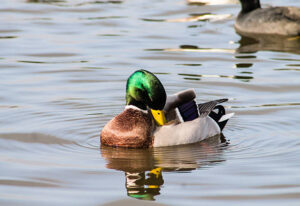
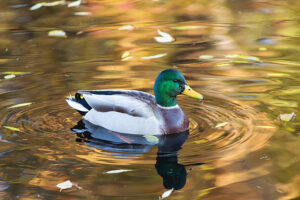
One of the most recognizable and widely kept pet duck breeds is the mallard (Anas platyrhynchos). Known for their striking iridescent green head, chestnut-brown breast, and white neck ring, mallards are not only visually appealing but also display a charming and curious nature. As one of the largest domestic ducks, male mallards typically weigh between 2 and 3 kilograms, while females usually range from 1.6 to 2.3 kilograms. These ducks have a relatively long lifespan, often living for 8 to 10 years with proper care and a healthy environment.
Mallards are highly social animals and can form strong bonds with their human caregivers, especially when raised from a young age. Their temperament is generally friendly and inquisitive, making them entertaining companions. However, they are also vocal and can be quite loud, especially during the morning hours when they engage in their characteristic quacking and calling. Despite their lively nature, mallards are adaptable to various living conditions, making them an excellent choice for both suburban and rural pet owners.
When it comes to care, mallards require a clean water source for swimming, as swimming is essential for their physical health and feather maintenance. Access to a shallow pool or bathtub is often sufficient for indoor or yard-based keeping. Their diet consists of a balanced mix of commercial waterfowl feed, leafy greens, seeds, and occasional insects. It is important to avoid feeding them bread, as it lacks nutritional value and can lead to health issues. Additionally, a secure outdoor enclosure is recommended to protect mallards from predators while allowing them to roam freely. With proper attention to their needs, mallards can make delightful and loyal companions for those seeking an engaging and interactive pet duck experience.
Khaki Campbells: Small but Eager Companions
Khaki Campbells are a popular choice among pet duck keepers due to their manageable size, friendly temperament, and impressive egg-laying abilities. Originating from the United Kingdom in the early 20th century, this breed was specifically bred for productivity, making it an excellent companion for both backyard enthusiasts and small-scale duck owners. Khaki Campbells are relatively small, with adult males weighing between 1.4 to 1.8 kilograms and females slightly lighter at 1.3 to 1.7 kilograms. Despite their compact build, they possess a bold and affectionate personality, often forming strong bonds with their human caregivers.
One of the most notable characteristics of Khaki Campbells is their intelligence and curiosity. These ducks are known for being inquisitive and interactive, often following their owners around the yard or even attempting to mimic household sounds. Their vocal nature is a standout trait, as they are among the most vocal duck breeds, producing a consistent and somewhat musical quack throughout the day. While their loudness can be endearing to some, it’s important to consider that not all living environments may be well-suited for such a talkative companion.
In terms of care, Khaki Campbells are relatively low-maintenance when it comes to housing, making them ideal for smaller spaces such as backyards or enclosed patios. They require a clean water source for swimming, as swimming is essential for their physical health and feather condition. A shallow pool or even a bathtub for daily swimming is sufficient. Their diet should consist of a balanced mix of high-quality duck feed, leafy greens, and occasional protein sources such as mealworms. Avoid feeding them bread, as it can lead to health issues.
With their adaptable nature and sociable disposition, Khaki Campbells are a fantastic choice for those desiring a highly interactive and affectionate pet duck. Their small size, combined with their love for human companionship, makes them a wonderful choice for beginners and experienced duck keepers alike.
Pekin Ducks: Large and Gentle Companions
Pekin ducks are one of the most popular choices for pet duck enthusiasts, primarily due to their calm temperament, striking appearance, and adaptability to various living environments. Originating from China, this breed has been selectively bred over the years to enhance its size, with adult males weighing between 2.5 to 4 kilograms and females slightly lighter at 2.3 to 3.8 kilograms. Their soft, white feathers and orange-red beak and legs give them an elegant and approachable appearance, making them a favorite among backyard duck keepers. Pekin ducks typically live for 8 to 10 years with proper care and a healthy lifestyle, making them a long-term commitment for potential owners.
One of the most notable characteristics of Pekin ducks is their gentle and affectionate nature. Unlike some more energetic or vocal breeds, Pekins are relatively quiet and laid-back, making them suitable for both indoor and outdoor living spaces. They are often described as calm and patient, forming close bonds with their human caregivers when raised from a young age. Their lack of aggression and tendency to remain composed in different situations make them ideal for families, including households with children or other pets. However, it’s important to note that their sedentary nature means they require less physical stimulation compared to more active breeds, which can be an advantage for first-time duck owners.
In terms of care, Pekin ducks still require a clean water source for swimming, as swimming is crucial for their physical and feather health. While they can tolerate shallow water, it’s best to provide them with a deeper pool or pond to encourage exercise and proper preening. Their diet should consist of a high-quality duck feed supplemented with leafy vegetables, grains, and occasional treats such as mealworms. Avoid feeding them bread, as it can lead to digestive issues and nutrient deficiencies. Due to their large size, Pekin ducks also need ample space to roam and stretch their wings, making them well-suited for larger backyards or small farms. With proper attention and care, Pekin ducks can thrive as wonderful and affectionate companions, offering a serene and rewarding pet duck experience.
Buff Orpington Ducks: Gentle and Adaptable Companions
Buff Orpington ducks are a beloved choice for many pet owners, known for their gentle demeanor and striking, golden-brown plumage that resembles honey. Originating in England in the late 19th century, this breed was selectively bred for its compact build and calm disposition. Adult males typically weigh between 1.8 to 2.5 kilograms, while females are slightly lighter, making them an excellent option for those with limited space. Buff Orpingtons have a lifespan of around 8 to 10 years, ensuring a long-term companionship that can be rewarding for duck enthusiasts of all experience levels.
One of the most endearing traits of Buff Orpingtons is their affectionate nature. They are known to form strong bonds with their caretakers, often following them around like a devoted pet. This breed is particularly friendly and curious, displaying a keen interest in their surroundings while remaining calm and composed. Their low aggression level makes them ideal for families, including those with children and other pets, as they are unlikely to exhibit territorial behaviors typical of some other duck breeds. Buff Orpingtons also have a relatively quiet vocal pattern compared to their more boisterous counterparts, reducing the potential for noise concerns in residential areas.
In terms of care, Buff Orpingtons require a clean water source for swimming, as this activity is essential for their health and feather maintenance. While they can adapt to smaller spaces, they thrive in environments that allow for free movement and social interaction. Their diet should consist of a balanced mix of commercial duck feed, leafy greens, and protein-rich treats, with an emphasis on avoiding bread. With a combination of gentle behavior and adaptability to various living conditions, Buff Orpingtons make excellent companions for those seeking a friendly, social duck that is both beautiful and easy to care for. 🦆
Cayuga Ducks: Mysterious and Protective Companions
Cayuga ducks are an intriguing and relatively rare breed that captivate potential pet owners with their striking plumage and inquisitive nature. Originating in the United Kingdom in the 19th century, Cayugas were developed from wild common eiders and are known for their distinctive dark feathers that shimmer in shades of blue, black, and deep iridescent hues when struck by light. Adult males typically weigh between 2.5 to 3.5 kilograms, while females are slightly lighter, making them medium to large-sized ducks. With a lifespan of around 8 to 10 years, Cayugas are a long-term commitment that can provide companionship for many years.
One of the most notable characteristics of Cayuga ducks is their calm but watchful demeanor. Unlike some of the more vocal breeds, Cayugas tend to be quieter, producing a low, mellow quack that is less disruptive in residential settings. However, they are known for their protective and somewhat territorial nature, particularly when they are guarding their nesting areas or young. This makes them excellent companions for small gardens or enclosed outdoor spaces, where they can form strong bonds with their caretakers while maintaining a sense of independence.
Cayugas are also highly intelligent and curious ducks, often displaying a keen interest in their surroundings. This intelligence can be a double-edged sword, as they may become easily bored and seek out new stimulation. For this reason, they thrive in environments where they can explore and interact with their surroundings, whether it be a spacious backyard or a small enclosure with opportunities for foraging and play. In terms of care, Cayugas require access to clean, shallow water for swimming, as it is essential for their overall health and feather maintenance. They also need a secure, predator-proof housing area and a well-balanced diet consisting of high-quality duck feed, leafy greens, and occasional protein sources.
With their mysterious appearance, calm yet inquisitive nature, and ability to adapt to different living conditions, Cayuga ducks make unique and loyal companions for those seeking a duck breed that is both engaging and easy to care for.
Wood Ducks: Vibrant and Enigmatic Companions
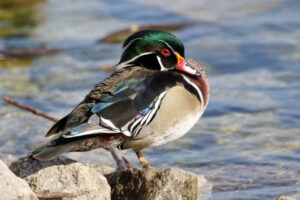
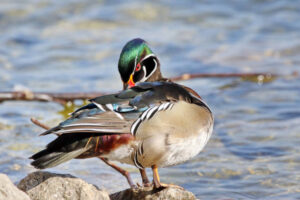
Wood ducks (Aix sponsa) are a captivating breed known for their vibrant plumage and unique behavioral traits, making them a favorite among duck enthusiasts. With striking patterns of chestnut, white, and blue, these small ducks are easily recognizable, especially when the male displays his glossy green head and iridescent body. Typically weighing between 1.6 to 2 kilograms, wood ducks are compact and well-suited for smaller living spaces, such as ponds or enclosed backyard areas. These ducks have a relatively long lifespan of up to 8 to 10 years, making them ideal for those looking to form a lasting bond with their feathered friends.
One of the most distinct features of wood ducks is their preference for living in wooded areas near water sources, a trait that sets them apart from more traditional pet duck breeds. This affinity for trees allows them to perch and nest in tree cavities, which means they can adapt well to environments that provide climbing opportunities and access to elevated nesting spots. This unique behavior can be incredibly engaging for owners who enjoy watching their ducks navigate their surroundings with grace and agility.
In terms of temperament, wood ducks are known for their social and curious nature, often displaying a level of intelligence that makes training and interaction relatively straightforward. They can form strong attachments to their caretakers and are known to be quite affectionate when raised from a young age. However, their vibrant energy and inquisitiveness can sometimes lead them to explore their environment with a bit of mischief, so it’s essential to provide a secure and stimulating home.
When it comes to care, wood ducks require a clean water source for swimming, albeit a shallow one, as they are excellent climbers and prefer smaller, more natural settings. Their diet should be balanced, consisting of commercial duck feed along with leafy greens and insects, which they can forage for in their environment. Due to their unique habitat preferences and vibrant appearance, wood ducks can bring a delightful and dynamic presence to any duck-keeping venture, making them a fantastic choice for those seeking a companionship that blends beauty and character. 🦆
Magpie Ducks: Colorful and Inquisitive Ducks
Magpie ducks are a striking and unique choice for pet duck enthusiasts, thanks to their bold, contrasting plumage and curious nature. One of the key characteristics that set Magpie ducks apart from other breeds is their distinctive coloration, which includes a blend of black, white, and sometimes shades of brown or gray. This eye-catching combination makes them an excellent visual addition to any backyard, especially for those who appreciate a bit of flair in their feathered companions. Adult males typically weigh between 2 to 3 kilograms, while females are slightly lighter, making them medium-sized ducks that can adapt well to various living environments. With a lifespan of around 8 to 10 years, Magpie ducks can provide a long-lasting companionship for those who are willing to commit to their care.
In terms of temperament, Magpie ducks are known for their inquisitive and affectionate nature. They are often described as being quite intelligent and can form strong bonds with their caretakers, especially when raised from a young age. Their playful demeanor makes them a joy to watch, as they often engage in interactive behaviors that showcase their curiosity. However, their vocalizations, while not as loud as some other breeds, can still be a consideration for those living in quieter neighborhoods.
When it comes to care, Magpie ducks require a clean water source for swimming, as this is essential for their health and feather maintenance. A shallow pool or bathtub can suffice, allowing them to splash and play, which is vital for their well-being. Their diet should be a balanced mix of high-quality duck feed, leafy greens, and occasional treats, ensuring they receive the necessary nutrients. Additionally, Magpie ducks thrive in environments that provide opportunities for exploration and foraging, so creating a stimulating habitat can enhance their happiness and overall satisfaction. With their vibrant colors and engaging personality, Magpie ducks can be a delightful addition to any duck-keeping venture, offering a unique and colorful companionship experience. 🦆
Giant Peking Ducks: Majestic and Loyal Companions
Giant Peking ducks are an impressive and regal breed that stands out for their substantial size and gentle demeanor, making them an excellent choice for those seeking a more substantial pet duck. With adult males weighing between 3.5 to 4.75 kilograms and females slightly less, these ducks are among the largest breeds available, offering a commanding presence that can be quite captivating. Their striking all-white plumage and distinctive orange-red beak and legs give them an elegant appearance, adding a touch of sophistication to any setting. With a lifespan of up to 8 to 10 years, Giant Peking ducks can provide a long-term companionship for those willing to dedicate time and resources to their care.
One of the most notable characteristics of Giant Peking ducks is their calm and sociable nature. They are known for being affectionate and forming strong bonds with their human caregivers, which can create a loyal and trusting relationship. Their calm disposition makes them suitable for various living environments, including larger backyards and small farms. However, due to their size, they require adequate space to roam and explore, which means potential owners should consider the need for a more expansive area compared to smaller breeds.
In terms of care, Giant Peking ducks require access to clean water for swimming, which is essential for their well-being and feather health. A deeper pool or pond is ideal, allowing them to fully enjoy the water. Their diet should be balanced, consisting of commercial duck feed supplemented with leafy vegetables and occasional protein sources to ensure optimal health. Due to their larger size, they may also benefit from additional nutritional support during their growth phases. Additionally, these ducks can be somewhat territorial and may display protective behavior, especially when it comes to their nesting areas or young, which means careful interaction is necessary to maintain a peaceful environment.
With their majestic appearance, gentle nature, and adaptability to various living conditions, Giant Peking ducks can make wonderful and rewarding companions for those who are prepared to provide the necessary space and care. Their size and grace bring a unique charm to any setting, making them a fantastic choice for those seeking a larger, more prominent presence in their duck-keeping experience. 🦆
Appleyard Ducks: Versatile and Adaptable Companions
Appleyard ducks are a highly desirable breed for pet enthusiasts due to their striking appearance, moderate size, and adaptable temperament. Developed in England in the early 20th century, these ducks were bred primarily for egg production but have since become popular as companion animals due to their friendly and sociable nature. Adult males typically weigh between 2 to 2.75 kilograms, while females are slightly lighter, making them well-suited for backyard or small-scale keeping. With a lifespan of 8 to 10 years, Appleyards offer a long-term companionship that can bring joy and satisfaction to duck enthusiasts of all experience levels.
One of the most notable characteristics of Appleyard ducks is their calm and easygoing disposition, making them an ideal choice for first-time duck keepers. Unlike some more active or vocal breeds, Appleyards tend to be relatively quiet, producing a soft, melodic quack that is less disruptive in residential areas. They are also known for being intelligent and interactive, forming strong bonds with their human caregivers when raised from a young age. Their gentle nature makes them excellent companions for families, including those with children or other small pets.
In terms of care, Appleyard ducks require a clean water source for swimming, as it is essential for their health and feather maintenance. A shallow pool or bathtub is sufficient for their daily swimming needs. Their diet should consist of a balanced mix of commercial duck feed, leafy greens, and occasional protein sources to ensure proper nutrition. Appleyards are also highly adaptable to different living conditions, thriving in both indoor and outdoor settings as long as they have access to fresh water and a secure enclosure. With their appealing appearance, low-maintenance care requirements, and affectionate personality, Appleyard ducks are an excellent choice for those seeking a versatile and rewarding pet duck experience.
Rhode Island Ducks: Energetic and Sociable Companions
Rhode Island ducks are a dynamic and sociable breed that brings a lively presence to any duck-keeping environment. Known for their high energy levels and engaging personalities, these ducks are ideal for owners who enjoy active interactions with their feathered companions. Originating from the United States, Rhode Island ducks were developed for their excellent egg-laying capabilities, but they have also found a place in the pet duck community due to their friendly and outgoing nature. Adult males typically weigh between 1.8 to 2.3 kilograms, making them a medium-sized breed that is well-suited for a variety of living conditions, including small backyard spaces. With a lifespan of around 8 to 10 years, these ducks can provide long-term companionship for those who are ready for an energetic and interactive pet.
One of the standout characteristics of Rhode Island ducks is their vocal nature. They are known for being quite expressive and communicative, producing a range of sounds that can be both entertaining and, at times, a bit overwhelming for those living in quieter environments. However, this vocal aspect can also enhance the bond between the duck and its caretaker, as they often respond to their human companions with curiosity and affection. Rhode Island ducks are also incredibly social and thrive in environments where they have the opportunity to interact with both their human caregivers and other ducks. This sociability makes them a great choice for families, as they can easily adapt to being around children and other pets.
When it comes to care, Rhode Island ducks require a clean water source for swimming, as it is essential for their overall health and feather maintenance. A shallow pool or bathtub can accommodate their swimming needs, allowing them to engage in the activity they love. Their diet should consist of a balanced mix of commercial duck feed, leafy greens, and occasional treats, ensuring they receive the necessary nutrients for optimal health. Due to their energetic nature, these ducks benefit from having space to roam and explore, which helps keep them active and happy. With their vibrant personality and sociable nature, Rhode Island ducks are a wonderful choice for those seeking a lively and engaging companion that will bring joy to their lives. 🦆
Rouen Ducks: Regal and Resilient Companions
Rouen ducks are a striking and historic breed that have been admired for centuries for their elegant appearance and robust nature. Originating in France, this breed is believed to have been selectively bred from the mallard duck to enhance its size and ornamental qualities. With their broad, rounded bodies and high-domed heads, Rouen ducks have a distinctive profile that sets them apart from other domestic duck breeds. Adult males can weigh between 3.5 to 5 kilograms, making them one of the heavier duck breeds available. Females are slightly smaller, but both genders typically live for 8 to 10 years with proper care. Known for their strong constitution and adaptability, Rouen ducks are well-suited for backyard keepers who seek a long-term, resilient pet duck.
One of the most notable characteristics of Rouen ducks is their calm and composed nature. Unlike some more vocal or hyperactive duck breeds, Rouens tend to be relatively quiet and reserved, making them an excellent choice for those who prefer a less boisterous pet. However, they are not entirely silent and will produce a deep, melodic quack when communicating with their human caregivers or fellow ducks. Their gentle yet inquisitive nature allows them to form strong bonds with their caretakers, especially when raised from a young age. Despite their calm demeanor, Rouen ducks can display a degree of independence and may not be as eager to follow their human companions around as some other breeds.
In terms of care, Rouen ducks require access to clean water for swimming, as it is essential for their health and feather maintenance. A deeper pool or pond is ideal, given their larger size. Their diet should consist of a balanced mix of commercial duck feed, leafy greens, and occasional protein sources to ensure they receive the necessary nutrients. Because of their size, they need sufficient space to move around, making them well-suited for larger backyards or small farms. However, they can also adapt to smaller enclosures if they are provided with the right conditions. With their regal appearance, calm temperament, and hardy nature, Rouen ducks are an appealing choice for those seeking a dignified and resilient duck companion. 🦆
Training and Care Tips for Pet Ducks
Proper training and care are essential for ensuring that pet ducks lead healthy, happy, and well-adjusted lives. Ducks require regular interaction with their caretakers to develop trust and learn appropriate behaviors. One of the most effective ways to train a duck is through consistent, positive reinforcement, such as offering small treats when the duck responds to a command or behaves in a desirable manner. Commands like “come,” “step,” or “up” can be used to teach basic obedience, making it easier to interact with and manage the duck in various settings. Ducks, especially those raised from a young age, are highly intelligent and capable of learning a range of behaviors, including walking on a leash, responding to their name, and even performing simple tricks. Socialization is also crucial, as early exposure to people, other ducks, and different environments helps reduce shyness and promotes a well-rounded, confident pet.
Handling pet ducks with care is important to maintain a strong bond while avoiding stress or injury. Ducks should be picked up gently, supporting their body from beneath with one hand while carefully holding their wings with the other to prevent flapping. It’s important to avoid squeezing or applying excessive pressure, as ducks can be quite sensitive. Building trust through regular, calm interactions, such as hand-feeding or simply spending time near them, helps create a positive relationship between the duck and its caregiver. Ducks may become skittish or reclusive if handled roughly or without proper socialization, so patience and consistency are key. When training begins at a young age, ducks can learn to associate human contact with comfort and safety, making future interactions much smoother.
Maintaining a duck’s health involves regular cleaning, proper nutrition, and a well-maintained living environment. Ducks require access to clean water for swimming at least a few times a week, as swimming is essential for their physical health and feather maintenance. A shallow pool or bathtub can serve as an effective indoor swimming area, while a larger pond or pond liner setup is ideal for outdoor settings. The water should be changed regularly to prevent the buildup of bacteria and algae, which can lead to health complications. In addition to swimming, ducks benefit from a balanced diet that includes commercial waterfowl feed, leafy greens, and small amounts of protein such as mealworms or insects. Avoid feeding them bread, as it lacks nutritional value and can cause digestive issues.
A clean and secure living environment is also crucial for a duck’s well-being. Ducks should be housed in a predator-proof enclosure that protects them from threats such as foxes, raccoons, and birds of prey. The enclosure should have shelter from harsh weather conditions, as ducks can be sensitive to strong winds, rain, or extreme temperatures. Fresh, clean bedding made of straw or wood shavings helps maintain dryness and prevents the buildup of bacteria. Additionally, ducks should have access to a dry sleeping area to keep their feathers in good condition, as damp feathers can lead to health problems, especially during molting periods. Regular health checkups with an avian veterinarian can help catch potential issues early, such as parasites, infections, or nutritional deficiencies. By following these training and care guidelines, duck owners can provide their feathered companions with a safe, stimulating, and loving environment that supports their long-term health and happiness.
Conclusion: Choosing the Right Pet Duck Breed
Selecting the right pet duck breed is a significant decision that depends on several factors, including temperament, size, care requirements, and the living environment. Each breed displays unique characteristics that make it well-suited for different types of households and lifestyles. For instance, the sociable and affectionate Khaki Campbell is an excellent choice for those who enjoy a more interactive and talkative companion, while the calm and gentle Pekin duck is ideal for families seeking a quieter presence. Small breeds like the Buff Orpington and Rhode Island ducks are perfect for those with compact spaces, whereas larger breeds like the Giant Peking require more room to thrive. Understanding the specific traits of each breed ensures that potential duck owners can select a companion that aligns with their preferences and ability to provide proper care.
Before making a final decision, it is crucial for prospective duck owners to consider their own lifestyle, available space, and long-term commitment. Ducks require daily attention, including feeding, access to clean water, and appropriate shelter, making it essential to assess whether these responsibilities fit within one’s schedule. Additionally, potential owners should consider the duck’s vocal tendencies, as some breeds can be quite loud, which may not be suitable for certain living environments. By researching different breeds and understanding their care needs, individuals can make an informed choice that sets the stage for a rewarding and long-lasting companionship. Visiting local duck farms or animal shelters can also provide an opportunity to interact with different breeds and get a firsthand experience of their behavior and personality. With careful consideration and preparation, anyone can find the perfect duck companion that brings joy and enrichment to their home.
pet duck breeds, duck companion care, duck temperament, pet duck size, duck lifespan, backyard ducks, duck habitat, duck care requirements, duck feeding, duck swimming needs, duck bonding, duck behavior, duck breeds for families, duck maintenance, duck enclosure, duck noise level, duck socialization, duck health care, duck training, duck selection, waterfowl care, duck care tips, duck breeds for beginners, duck care guide, duck care costs, duck care essentials, duck care routine, duck care for beginners, duck care maintenance, duck care and feeding, duck care and training, duck care and bonding, duck care and environment, duck care and behavior, duck care and lifespan, duck care and housing, duck care and nutrition, duck care and training, duck care and safety, duck care and health, duck care and exercise, duck care and socialization, duck care and companionship, duck care and environment setup, duck care and daily routine, duck care and community, duck care and lifestyle, duck care and living space, duck care and interaction, duck care and play, duck care and enrichment, duck care and consistency, duck care and bonding with owners, duck care and comfort, duck care and activity, duck care and well-being, duck care and happiness, duck care and daily needs, duck care and responsibilities, duck care and long-term commitment, duck care and dedication, duck care and dedication to pet, duck care and dedication to companionship.
Add comment